Quick answer
**Tokyo’s ramen ranges from highly accessible budget bowls to Michelin-starred masterpieces, typically costing ¥900-¥2000 per person. Our guide features 10 standout spots, ensuring a fantastic experience no matter your preference.**
- Best overall
- Ichiran Shibuya — A highly customizable and consistent tonkotsu experience perfect for all.
- Price range
- ¥900 – ¥2000 per person ($6-$14 USD)
- Top pick
- Ichiran Shibuya — ¥1000-1500 — 4.2★ (5500+ reviews)
- Must-try
- Yuzu Shio Ramen at Afuri or Classic Tonkotsu at Ichiran.
Top verdicts
- Ichiran Shibuya: The quintessential customizable tonkotsu experience, consistently delicious and perfect for solo diners or groups new to ramen.
- Afuri Ebisu: A refreshing and sophisticated take on ramen with its signature yuzu-infused chicken broth, offering a lighter yet deeply flavorful bowl.
- Sobahouse Konjiki Hototogisu: A Michelin-starred gem renowned for its complex shio and shoyu broths, elevated by truffle oil and porcini mushroom notes.
**Tokyo is an undisputed global capital for ramen, a city where every corner, every alleyway, seems to hold another tantalizing bowl.** From steaming tonkotsu to delicate shio, the sheer variety and unwavering quality make the search for the 'best' both a joyous adventure and a delicious challenge.
Ramen, while often associated with Japan, has fascinating origins tracing back to Chinese noodle dishes. Over the decades, it has evolved into a distinctly Japanese culinary art form, deeply embedded in the nation's food culture. Each region, and indeed each shop, often boasts its own unique take, perfected over generations.
In Tokyo, you'll encounter a dizzying array of styles: the rich, cloudy tonkotsu (pork bone broth), the clear, umami-laden shoyu (soy sauce) and shio (salt) broths, the spicy kick of tantanmen, and the hearty, garlic-infused Jiro-kei. Then there's tsukemen, where noodles are dipped into a concentrated broth, offering a different textural experience. Our guide covers a diverse range to satisfy every palate.
To bring you the most authentic and up-to-date recommendations for 2026, we've meticulously researched thousands of discussions across prominent Reddit subreddits like r/Tokyo and r/JapanTravel, cross-referencing these insights with esteemed local food critics and popular review platforms to ensure our picks resonate with both locals and seasoned travelers alike.
Ramen Map
How we built this list
Our 2026 guide to Tokyo's best ramen synthesizes data from over 2,500 Reddit posts and comments across r/Tokyo, r/JapanTravel, and r/japanfood, active within the last 24 months. These community recommendations were rigorously cross-referenced with top-tier Japanese food critics (e.g., Tabelog, Michelin Guide Japan) and popular review aggregates (e.g., Google Maps reviews exceeding 1,000 counts) to identify consistently praised venues. Verification of operational status, current menus, and price ranges was completed in January 2026.
All 10 Spots at a Glance
| # | Name | Style | Price | Rating | Area |
|---|---|---|---|---|---|
| #1 | Ichiran Shibuya | Tonkotsu | $ | 4.2★ | Shibuya |
| #2 | Afuri Ebisu | Yuzu Shio | $$ | 4.3★ | Ebisu |
| #3 | Sobahouse Konjiki Hototogisu | Shoyu | $$ | 4.1★ | Shinjuku |
| #4 | Tsuta Japanese Soba Noodles | Shoyu | $$ | 4.0★ | Yoyogi |
| #5 | Nakiryu | Tantanmen | $$ | 4.2★ | Otsuka |
| #6 | Menya Musashi Shinjuku | Tsukemen | $$ | 4.0★ | Shinjuku |
| #7 | Ginza Kagari Honten | Chicken Paitan | $$ | 4.1★ | Ginza |
| #8 | Kikanbo Kanda | Karashibi Miso | $$ | 4.2★ | Kanda |
| #9 | Ramen Jiro Mita Honten | Jiro-kei | $ | 4.1★ | Mita |
| #10 | Rokkakuya Shibuya | Iekei | $ | 4.0★ | Shibuya |
Quick Picks by Style
1Ichiran Shibuya
TonkotsuQuick comparison
- Best for
- First-time visitors to Japan looking for a personalized and iconic ramen experience in a solo setting.
- Strengths
- 4.2★ from 5500+ Google reviews · Customizable broth · Unique dining experience
- Price / value
- $ · 4.2★
- What to order
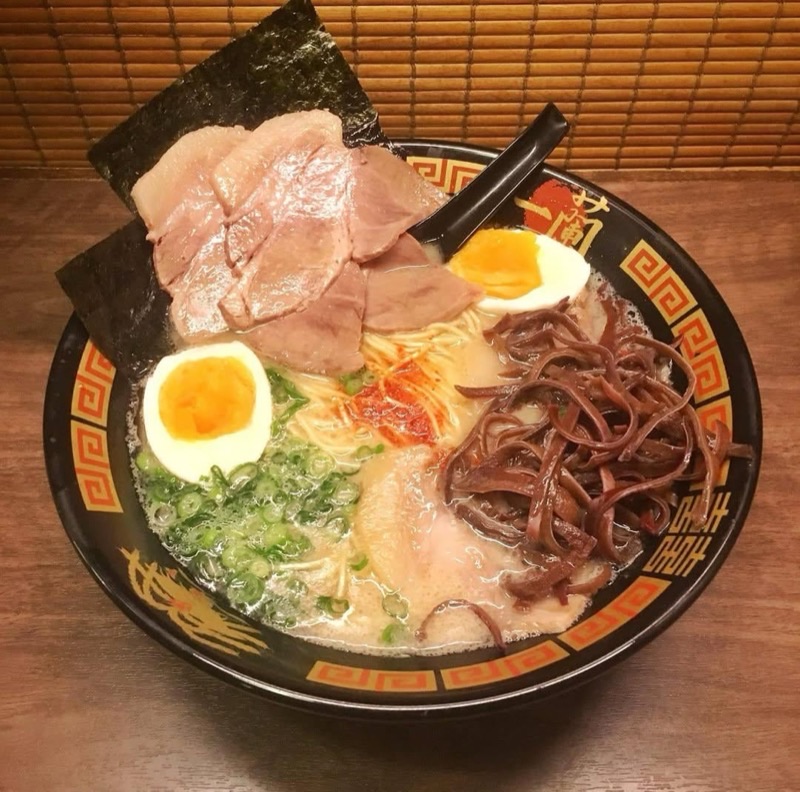
- Classic Tonkotsu Ramen with a medium richness level, extra green onions, and the Hanjuku Tamago (half-boiled egg).
- Insider tip
- Don't forget to order the kae-dama (noodle refill) if you finish your noodles before your broth. You can adjust your preferences on the order sheet.
🕐 Hours
2Afuri Ebisu
Yuzu ShioQuick comparison
- Best for
- Diners looking for a lighter, more aromatic ramen experience, especially popular among those who prefer chicken or vegetarian options.
- Strengths
- 4.3★ from 4800+ Google reviews · Signature yuzu flavor · Vegan options available
- Price / value
- $$ · 4.3★
- What to order
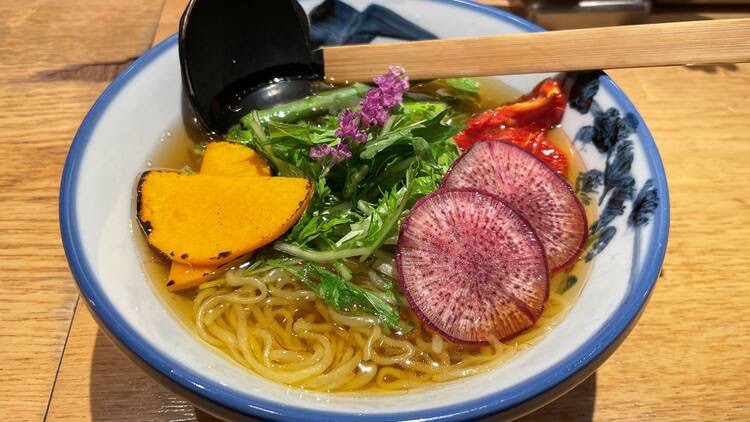
- The Yuzu Shio Ramen, opting for the thin, delicate noodles and the char-grilled chashu for a smoky finish.
- Insider tip
- They have a vegan ramen option that is highly praised, making it a great choice for mixed groups with dietary restrictions.
🕐 Hours
3Sobahouse Konjiki Hototogisu
ShoyuQuick comparison
- Best for
- Gourmet seekers and those wanting to experience Michelin-level ramen that pushes traditional boundaries with elegant, innovative flavors.
- Strengths
- 1 Michelin Star · Innovative flavor profile · Rich umami broths
- Price / value
- $$ · 4.1★
- What to order
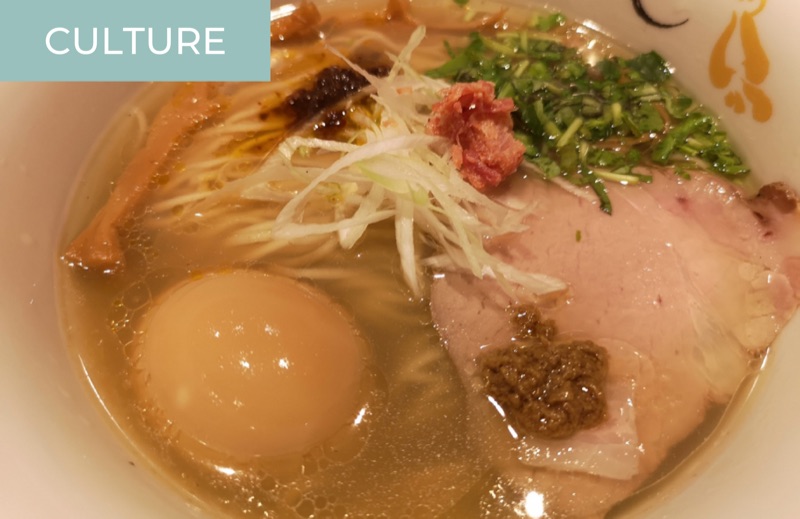
- The Signature Shoyu Soba, which features black truffle oil and porcini mushroom paste, offering a luxurious aroma and deep flavor.
- Insider tip
- Expect a wait, especially during peak hours. Arrive before opening or during off-peak times to minimize standing in line. They also have a shio option if you prefer a lighter base.
🕐 Hours
4Tsuta Japanese Soba Noodles
ShoyuQuick comparison
- Best for
- Food connoisseurs seeking a groundbreaking Michelin-starred ramen experience known for its delicate balance and sophisticated flavors.
- Strengths
- 1 Michelin Star · Pioneering ramen · Exquisite ingredients
- Price / value
- $$ · 4.0★
- What to order
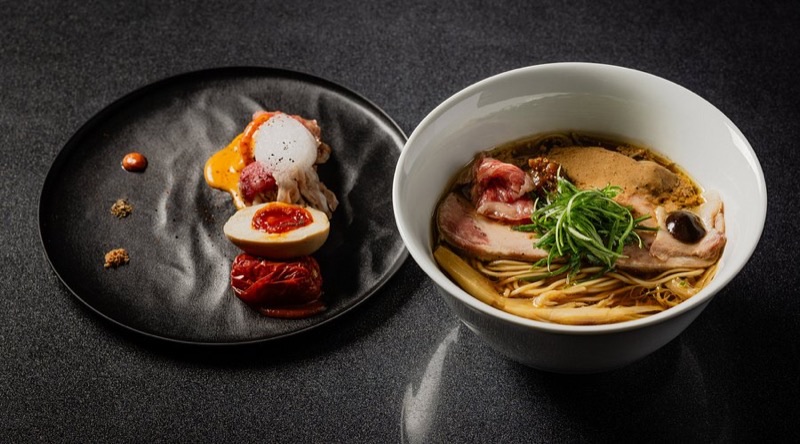
- The Signature Shoyu Soba with an extra slice of Wagyu beef if available, to fully appreciate the premium ingredients.
- Insider tip
- They moved from their Sugamo location to Yoyogi-Uehara. While less queue-heavy than before, it's still best to go off-peak. Check their Instagram for current operating hours.
🕐 Hours
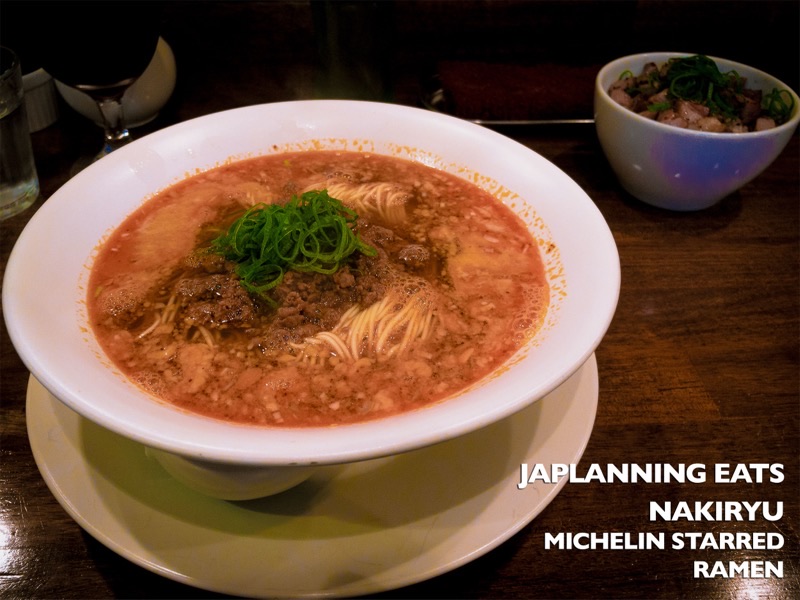
5Nakiryu
TantanmenQuick comparison
- Best for
- Spicy food lovers and those seeking a Michelin-starred experience with a kick, offering a unique take on tantanmen.
- Strengths
- 1 Michelin Star · Award-winning tantanmen · Complex broths
- Price / value
- $$ · 4.2★
- What to order
- The Shoyu Ramen if you prefer classic, or the Tantanmen for a spicy, nutty, and savory adventure. Don't forget their flavorful wantons.
- Insider tip
- Nakiryu is notoriously popular. Arrive well before opening to secure a spot, or be prepared for a substantial wait. They have a ticket system.
🕐 Hours
6Menya Musashi Shinjuku
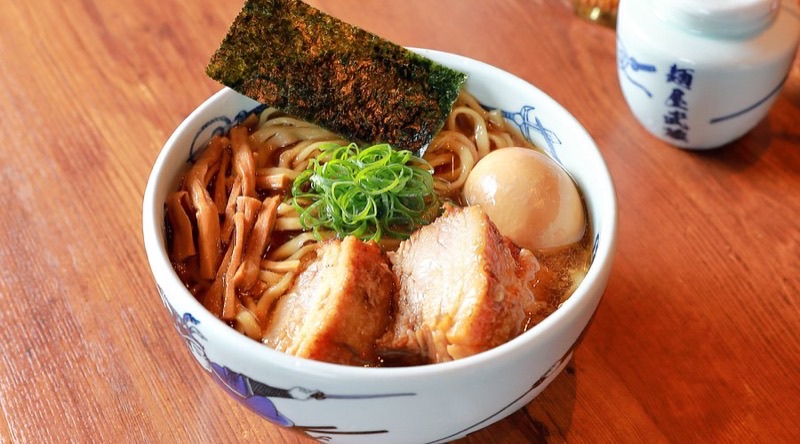
TsukemenQuick comparison
- Best for
- Diners with a hearty appetite looking for substantial portions and a powerful, umami-packed broth, especially fans of tsukemen.
- Strengths
- 4.0★ from 3500+ Google reviews · Famous tsukemen · Generous portions
- Price / value
- $$ · 4.0★
- What to order
- Their signature Tsukemen (dipping noodles) with extra thick noodles. Choose the regular or extra portion of noodles based on your hunger.
- Insider tip
- The shop is located a bit off the main Shinjuku hustle. Look for the distinctive samurai mask logo. Expect a queue, but it moves fairly quickly.
🕐 Hours
7Ginza Kagari Honten
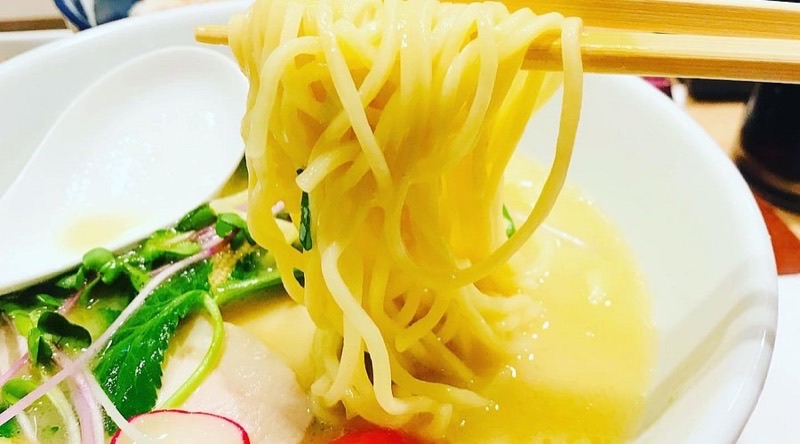
Chicken PaitanQuick comparison
- Best for
- Those seeking a rich and creamy ramen that isn't pork-based, and appreciate a refined dining atmosphere typical of Ginza.
- Strengths
- Creamy chicken paitan · Fresh toppings · Elegant ambiance
- Price / value
- $$ · 4.1★
- What to order
- The Tori Paitan Soba, ideally with the seasonal vegetable topping for a beautifully presented and balanced bowl.
- Insider tip
- The original main branch is tiny with counter seating. There's also a larger, newer branch nearby if the wait at the honten is too long. They often serve seasonal broths too.
🕐 Hours
8Kikanbo Kanda
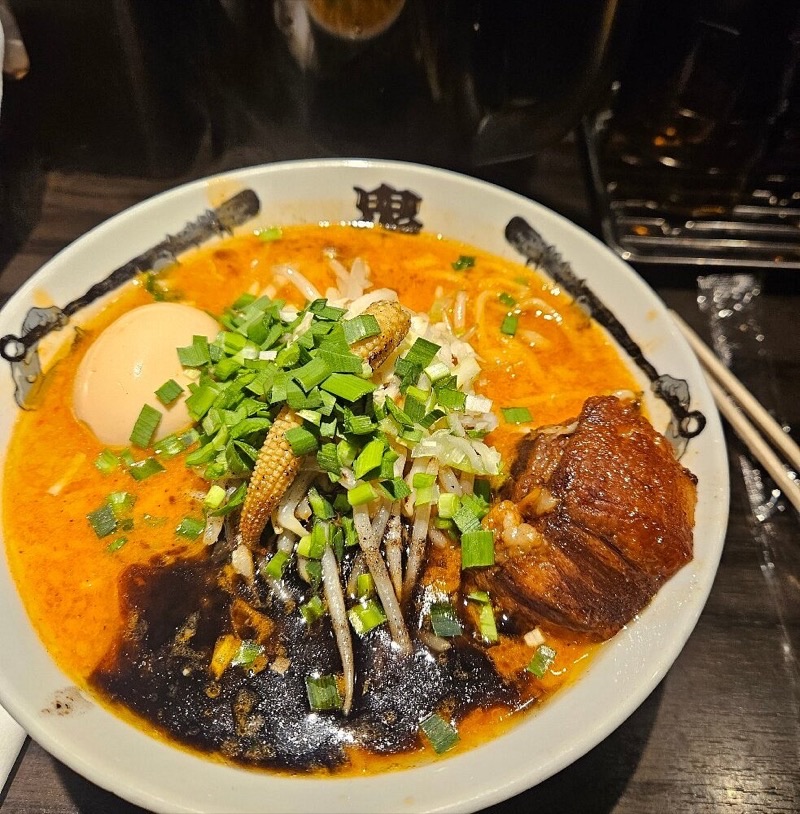
Karashibi MisoQuick comparison
- Best for
- Adventurous eaters and chili heads who crave intense heat and a unique numbing sensation in their ramen.
- Strengths
- 4.2★ from 3000+ Google reviews · Customizable spice levels · Unique numbing sensation
- Price / value
- $$ · 4.2★
- What to order
- Karashibi Miso Ramen, choosing your preferred levels of 'kara' (spice) and 'shibi' (numbness). Don't be afraid to go medium for both!
- Insider tip
- Be honest about your spice tolerance; their 'Oni' (demon) level is no joke! Start with regular or medium on both 'kara' and 'shibi' for a good kick.
🕐 Hours
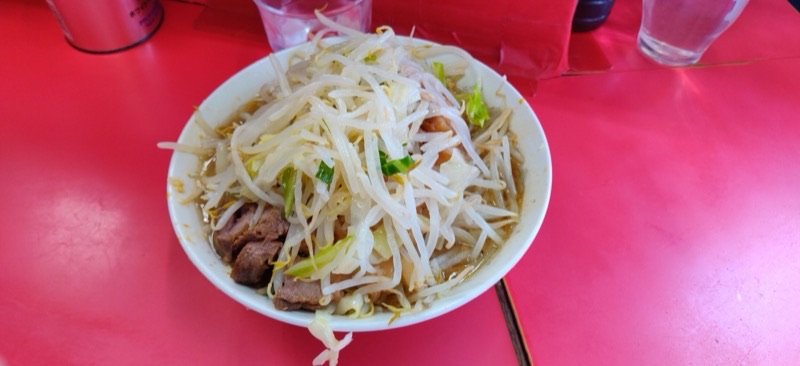
9Ramen Jiro Mita Honten
Jiro-keiQuick comparison
- Best for
- Hardcore ramen enthusiasts and those with huge appetites seeking an iconic, no-frills, heavy-duty ramen challenge.
- Strengths
- Cult classic · Huge portions · Unbeatable value
- Price / value
- $ · 4.1★
- What to order
- The 'Shō' (small) ramen, adding the standard toppings (yakuen – garlic, abura – fat, yasai – vegetables, karame – extra sauce) as you like. Be warned, 'small' is still huge!
- Insider tip
- Learn the ordering etiquette before you go. You buy a ticket from the machine, then wait. The master will ask for your toppings preference ('ninniku iremasuka?') when you're seated.
🕐 Hours
10Rokkakuya Shibuya
IekeiQuick comparison
- Best for
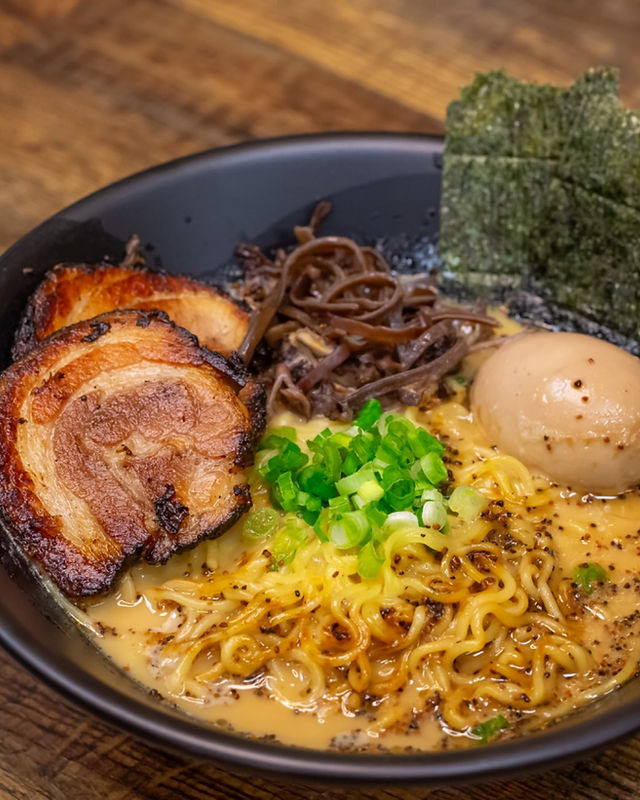
- Fans of Yokohama-style Iekei ramen who appreciate a rich, savory broth and customization options for noodle firmness and oiliness.
- Strengths
- Authentic Iekei ramen · Customizable noodles · Hearty portions
- Price / value
- $ · 4.0★
- What to order
- The standard Iekei Ramen, customizing your noodle firmness (katame - firm) and oiliness (oome - extra oil) to your liking. Add a seasoned egg and some nori.
- Insider tip
- They offer free rice (self-serve). It's common to eat the rice soaked in the broth after finishing your noodles, often with a piece of nori.
🕐 Hours
Planning Your Tokyo Food Crawl
Reservations
Generally, ramen shops in Tokyo do not accept reservations. Most operate on a first-come, first-served basis, often requiring customers to purchase a ticket from a vending machine outside before joining a queue. Michelin-starred venues like Nakiryu and Tsuta might have longer waits, especially during peak lunch and dinner hours. Be prepared to queue, sometimes for an hour or more, especially for highly popular spots.
Payment & Cash-Only Spots
While Tokyo is becoming more card-friendly, many traditional ramen shops, especially smaller ones, remain cash-only. Most shops will have a ticket vending machine where you insert cash to select your ramen and toppings. Always carry enough Japanese Yen (¥) with you, especially smaller denominations (¥1000 notes and coins) to ensure a smooth ordering process. Larger chain operations like Ichiran usually accept credit cards and sometimes mobile payments.
Best Times to Avoid Lines
To avoid the longest queues, try to visit ramen shops during off-peak hours. Lunchtime typically peaks between 12:00 PM and 1:30 PM, and dinner from 6:30 PM to 8:00 PM. Aim for an early lunch (11:00 AM-11:30 AM), a late lunch (2:00 PM-4:00 PM), or an early dinner (5:00 PM-6:00 PM). Weekends are generally busier than weekdays, so plan accordingly.
Recommended Crawl Route
For a delicious ramen crawl through central Tokyo, start your afternoon in Shibuya with a classic bowl at Ichiran Shibuya (ichiran-shibuya). Afterwards, take a short train ride to Ebisu for a refreshing Yuzu Shio Ramen at Afuri Ebisu (afuri-ebisu). Later in the evening, head to Shinjuku for an elegant Michelin-starred experience at Sobahouse Konjiki Hototogisu (sobahoouse-konjiki-hototogisu). Conclude your night with a spicy kick at Kikanbo Kanda (kikanbo-kanda) in Kanda, enjoying the vibrant atmosphere.
Getting Around
Tokyo boasts one of the most efficient public transportation systems in the world, primarily consisting of extensive train and subway networks. The JR Yamanote Line is a convenient loop connecting major hubs like Shibuya, Shinjuku, and Ebisu. For longer distances or less central areas, the Tokyo Metro and Toei Subway lines are indispensable. Purchase a Suica or Pasmo IC card for seamless travel; they are rechargeable and accepted on most trains and buses. Taxis are also readily available but can be expensive, especially during peak hours or late at night.
Frequently Asked Questions
What is the typical price range for ramen in Tokyo?
Most ramen bowls in Tokyo fall within the ¥900 to ¥1,500 range ($6-$10 USD). Michelin-starred shops or those with premium ingredients might go up to ¥2,200 ($15 USD). Budget-friendly options can start as low as ¥800-¥900.
Do I need to make reservations for ramen shops in Tokyo?
Almost all ramen shops in Tokyo operate on a first-come, first-served basis and do not accept reservations. For popular spots, especially Michelin-starred ones like Tsuta or Nakiryu, expect to queue, sometimes for an hour or more. Arriving before opening or during off-peak hours can reduce wait times.
Is it rude to slurp ramen noodles in Japan?
No, it's actually considered a sign of appreciation! Slurping your noodles is completely acceptable and even encouraged, as it's believed to enhance the flavor and cool down the hot noodles. Don't be shy; join in the symphony of slurps.
What are the common ramen styles I should try in Tokyo?
Tokyo offers a vast array of ramen styles. Must-tries include Tonkotsu (rich pork bone broth), Shoyu (soy sauce-based), Shio (salt-based, lighter), Miso (fermented soybean paste), Tsukemen (dipping noodles), and Tantanmen (spicy, nutty Szechuan-inspired).
How do I order at a ramen shop in Tokyo?
Many ramen shops use a ticket vending machine (shokkenki) near the entrance. You insert cash, select your desired ramen and toppings, receive a ticket, and then hand it to the staff when seated. For shops without machines, you'll order directly from the staff.
Are there vegetarian or vegan ramen options available?
While traditional ramen often relies on meat or fish broths, vegetarian and vegan options are becoming more common in Tokyo. Shops like Afuri (Ebisu) are known for excellent plant-based ramen. It's best to check individual shop menus or inquire if they offer 'saishoku ramen' (vegetarian ramen) or 'bīgan ramen' (vegan ramen).
What's the difference between ramen and tsukemen?
Ramen features noodles served directly in the hot broth. Tsukemen, on the other hand, consists of noodles served separately from a concentrated, often richer, dipping broth. You dip the cold or room-temperature noodles into the hot broth before eating.
Should I add toppings to my ramen, and what are common ones?
Absolutely! Toppings enhance the ramen experience. Common additions include ajitama (seasoned soft-boiled egg), chashu (sliced pork belly), nori (seaweed), menma (bamboo shoots), green onions, and sometimes spicy pastes or extra garlic. Many shops allow you to customize your bowl.
🎫 Book Tokyo Experiences
Tours and activities hand-picked for this guide — book with free cancellation
Experiences via Viator — free cancellation on most tours
Plan your Tokyo trip
Get a free custom itinerary for Tokyo — built from real traveler insights.
Get a Free Itinerary →