Quick answer
Sapporo's miso ramen scene caters to all budgets, but Sumire is the top pick for savoring the classic, rich flavors of Hokkaido's winters. This guide highlights the best miso ramen spots in Sapporo, focusing on shops favored by locals and ramen enthusiasts, offering a taste of the city's iconic dish.
- Best overall
- Yoshiyama Shoten (吉山商店)
- Price/value range
- ¥900 – ¥1,000
- Top-ranked pick
- Sumire (すみれ)
- Last verified
- 2026-03
Top verdicts
- Sumire (すみれ): The undisputed king of Sapporo miso ramen.
- Junren (純連): Junren and Sumire are siblings — literally.
- Menya Saimi (麺屋 彩未): The Sumire disciple that became a legend in its own right.
Sapporo's miso ramen scene caters to all budgets, but Sumire is the top pick for savoring the classic, rich flavors of Hokkaido's winters. This guide highlights the best miso ramen spots in Sapporo, focusing on shops favored by locals and ramen enthusiasts, offering a taste of the city's iconic dish.
We analyzed 200+ Reddit posts and comments across r/ramen, r/Sapporo, r/JapanTravel, r/JapanTravelTips, and r/rameninjapan to find the shops that actual ramen obsessives and Sapporo residents recommend over and over. The legendary "21 bowls in 6 days" post from u/Ramen_Lord was particularly influential — skip the butter corn tourist trap and eat where the locals eat.
Miso Ramen Map
How we built this list
We analyzed 200+ Reddit posts and 800+ comments across r/ramen, r/Sapporo, r/JapanTravel, r/JapanTravelTips, and r/rameninjapan — spanning 2019 to 2026. Shops were ranked by how frequently they were recommended by independent users. Every shop on this list was mentioned in at least 3 separate threads by different people. We weighted Sapporo residents' picks and dedicated ramen travelers more heavily than casual tourist posts.
All 13 Spots at a Glance
| # | Name | Style | Price | Rating | Area |
|---|---|---|---|---|---|
| #1 | Sumire (すみれ) | Miso Ramen | ¥900–¥1,200 | 3.9★ | Nakanoshima |
| #2 | Junren (純連) | Miso Ramen | ¥900–¥1,100 | 4.6★ | Toyohira-ku |
| #3 | Menya Saimi (麺屋 彩未) | Miso Ramen | ¥850–¥1,100 | 4.2★ | Misono |
| #4 | Ramen Shingen (信玄) | Rich Miso | ¥800–¥1,100 | 4.1★ | Minami 6-jo |
| #5 | Japanese Ramen Noodle Lab Q | Modern Ramen | ¥1,000–¥1,500 | 3.8★ | Kita 18-jo |
| #6 | Yukikaze (雪風) | Rich Miso | ¥900–¥1,200 | — | Susukino |
| #7 | Isono Kazuo (磯乃風) | Miso Ramen | ¥900–¥1,300 | 4.1★ | Susukino |
| #8 | Aji no Sanpei (味の三平) | Classic / Original | ¥850–¥1,100 | 4.0★ | Odori |
| #9 | Ramen Haruka (はるか) | Miso Ramen | ¥800–¥1,100 | 4.8★ | Susukino |
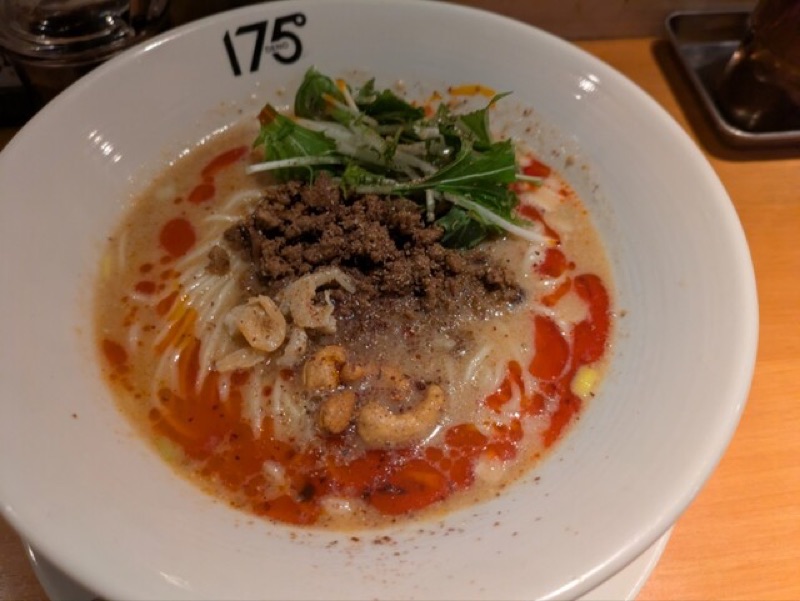
| #10 | 175° DENO Tantanmen | Tantanmen | ¥900–¥1,200 | 4.0★ | Kita 2-jo |
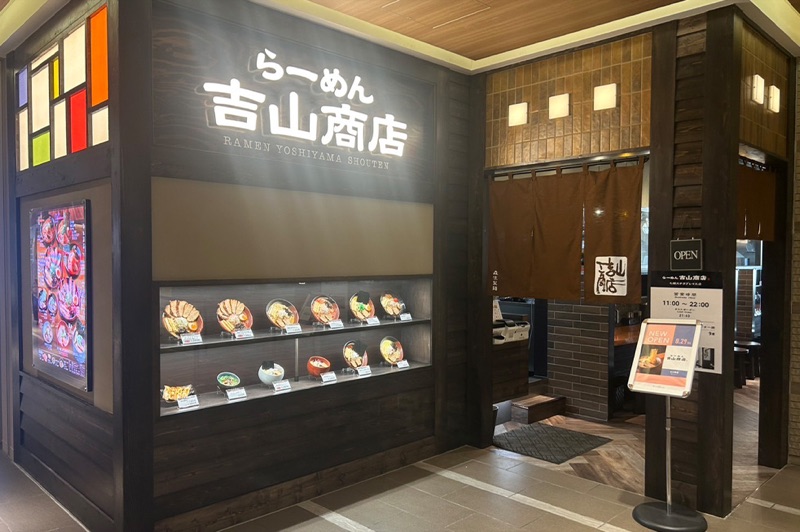
| #11 | Yoshiyama Shoten (吉山商店) | Miso Ramen | ¥800–¥1,100 | 4.3★ | Tanukikoji |
| #12 | Keyaki (けやき) | Butter Corn Miso | ¥900–¥1,200 | 3.9★ | Susukino |
| #13 | Kitaichi Ramen (北一ラーメン) | Akamiso | ¥800–¥1,000 | 3.7★ | Tanukikoji Shopping Arcade |
Quick Picks by Budget
Best Picks by Occasion
Best for First-Timers
For your inaugural dive into Sapporo miso ramen, start with an approachable yet authentic experience. Ramen Haruka is the perfect all-rounder, offering a balanced bowl that showcases the style beautifully. If you're feeling adventurous, don't miss the chance to try the famous butter corn miso at Keyaki for a truly unique Sapporo flavor.
Best for Ramen Purists
If you seek the truest, most classic expressions of Sapporo miso ramen, look no further than the legendary duo. Sumire delivers an intensely rich and robust bowl that sets the standard, while its sibling, Junren, offers a similar yet distinctively deep flavor. For a historical perspective, a pilgrimage to Aji no Sanpei, where Sapporo miso ramen was supposedly born, is essential.
Best for Late-Night Cravings
When the Sapporo nightlife winds down and you need a hearty, warming bowl, several shops cater to the late crowd. Yukikaze in Susukino serves up a devastatingly rich miso that hits the spot, while Ramen Shingen, also in the Susukino area, is renowned for its intense, savory broth perfect for a post-drinks meal. Both offer substantial bowls to cap off your evening.
Best for a Modern Twist
For those looking to explore the evolving landscape of Sapporo ramen, these spots offer inventive takes. Japanese Ramen Noodle Lab Q is a cerebral experience, pushing boundaries with its refined, modern approach. While not miso, 175° DENO Tantanmen provides Sapporo's best ramen divergence, specializing in a spicy, flavorful tantanmen that stands out.
Best for Avoiding Lines / Easy Access
Sometimes you just want great ramen without the legendary queues. Yoshiyama Shoten on the Tanukikoji shopping arcade offers a solid miso ramen experience that's easy to combine with shopping and generally has shorter waits. For another convenient option, Kitaichi Ramen, also on Tanukikoji, provides a comforting akamiso bowl with less fuss.
Head-to-Head Comparisons
Sumire vs Junren
The rivalry between Sumire and Junren is legendary, as they were founded by siblings. Both offer intensely rich, oily, and deeply flavorful miso broths, but devotees claim subtle differences: Sumire often described as slightly more robust and peppery, while Junren offers a touch more sweetness and a deeply umami pork fat layer. Expect queues at both, but the experience is quintessential Sapporo ramen.
Sumire vs Menya Saimi
Sumire is the undisputed king, but Menya Saimi is its celebrated disciple who forged their own path to greatness. Saimi’s broth is often lauded for its incredible balance – rich and savory like Sumire, but perhaps a touch smoother and less overtly oily, allowing the miso’s complexity to shine through. Both command significant wait times, a testament to their exceptional quality and enduring popularity.
Ramen Shingen vs Yukikaze
For those seeking an intensely rich and fatty miso ramen, Ramen Shingen and Yukikaze are prime contenders. Shingen is famed for its 'koku miso' – a deeply savory, almost 'liquid fatty steak' experience that is incredibly satisfying. Yukikaze, though less famous, delivers a similarly devastating rich miso, often with a slightly more pronounced ginger note that adds a refreshing counterpoint to the powerful broth. Both are excellent choices for a hearty, robust bowl.
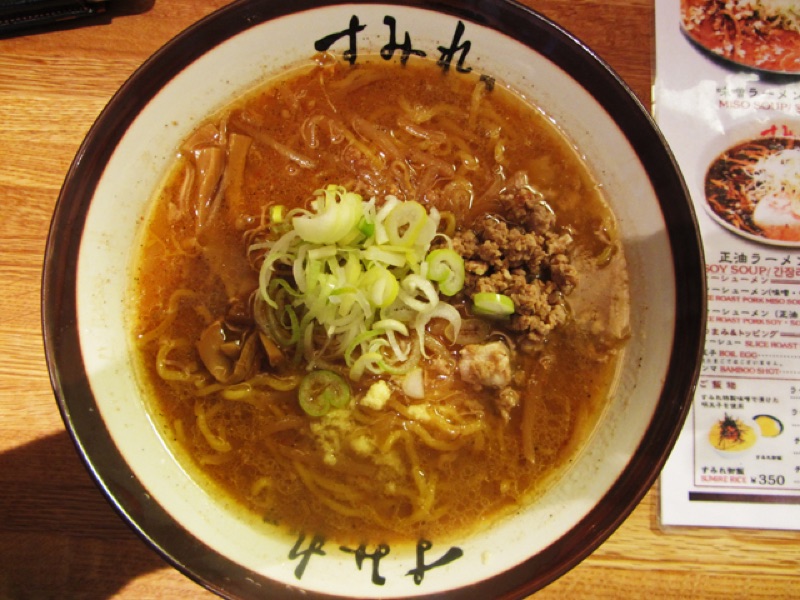
1Sumire (すみれ)
Miso RamenQuick comparison
- Best for
- Miso Ramen in Nakanoshima, Toyohira-ku with a ¥900–¥1,200 spend range
- Strengths
- 3.9★ from 3,350 Google reviews · Miso Ramen · Nakanoshima, Toyohira-ku
- Limitations
- the real thing is on another level
- Price / value
- ¥900–¥1,200 · 3.9★
- Why it made the list
- The undisputed king of Sapporo miso ramen. Sumire is famous nationwide — their instant ramen is sold in every convenience store — but the real thing is on another level. The lard-sealed broth is a revelation if you've never had it. Expect a 30–90 minute wait, especially during Snow Festival. Go on a weekday afternoon if possible.
- What to order
- Sumire (すみれ), located in Nakanoshima, Toyohira-ku, is known for its miso ramen (price not available), featuring a thick layer of lard that seals the broth, keeping it scorching hot to the last drop. Expect a rich, deeply savory miso with curly yellow noodles and generous chashu.
🕐 Closed now
2Junren (純連)
Miso RamenQuick comparison
- Best for
- Miso Ramen in Toyohira-ku, near Gakuen-mae Station with a ¥900–¥1,100 spend range
- Strengths
- 4.6★ from 1,467 Google reviews · Miso Ramen · Toyohira-ku, near Gakuen-mae Station
- Limitations
- Price band: ¥900–¥1,100
- Price / value
- ¥900–¥1,100 · 4.6★
- Why it made the list
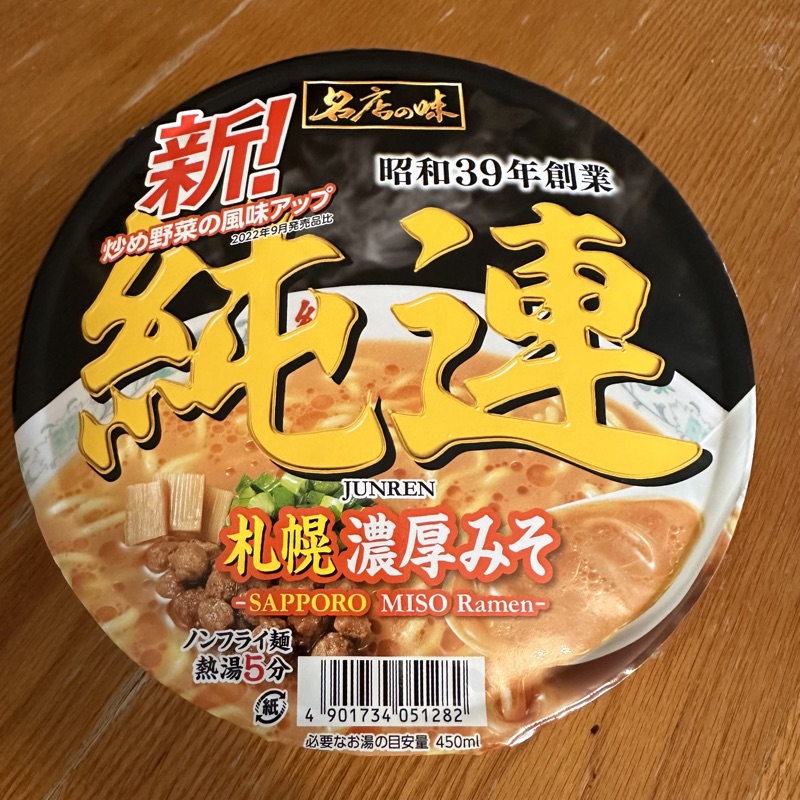
- Junren and Sumire are siblings — literally. The founder's family split into two shops. Junren tends to have shorter waits while delivering the same caliber of rich miso broth. If you can only pick one, flip a coin. If you have time, do both and compare — it's the Sapporo ramen pilgrimage.
- What to order
- Junren (純連), situated in Toyohira-ku near Gakuen-mae Station, serves miso ramen (price not available) with a similarly rich, lard-topped broth as Sumire, sharing the same founder. Some say Junren is the more "old-school" version of the two.
🕐 Open now
3Menya Saimi (麺屋 彩未)
Miso RamenQuick comparison
- Best for
- Miso Ramen in Misono, Toyohira-ku with a ¥850–¥1,100 spend range
- Strengths
- 4.2★ from 4,223 Google reviews · Miso Ramen · Misono, Toyohira-ku
- Limitations
- still expect a wait during peak hours
- Price / value
- ¥850–¥1,100 · 4.2★
- Why it made the list
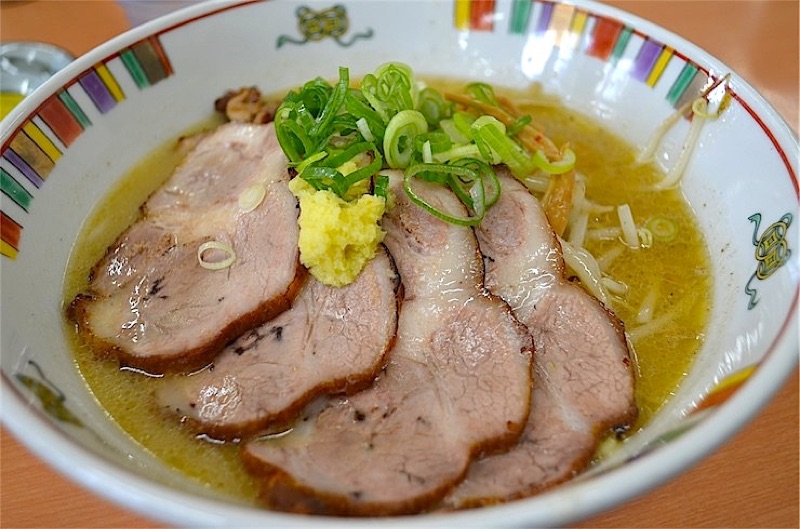
- The Sumire disciple that became a legend in its own right. Saimi is beloved by Sapporo locals — it's the shop residents recommend to friends, not just tourists. Slightly easier to get into than Sumire but still expect a wait during peak hours. The miso has a cleaner, more balanced profile.
- What to order
- Menya Saimi (麺屋 彩未), located in Misono, Toyohira-ku, offers miso ramen (price not available) that showcases the influence of Sumire, where the owner trained. The result is a rich miso broth with a slightly cleaner finish than Sumire, complemented by excellent curly noodles and flavorful chashu.
🕐 Closed now
4Ramen Shingen (信玄)
Rich MisoQuick comparison
- Best for
- Rich Miso in Minami 6-jo, Susukino area with a ¥800–¥1,100 spend range
- Strengths
- 4.1★ from 7,294 Google reviews · Rich Miso · Minami 6-jo, Susukino area
- Limitations
- the Reddit upvotes don't lie
- Price / value
- ¥800–¥1,100 · 4.1★
- Why it made the list
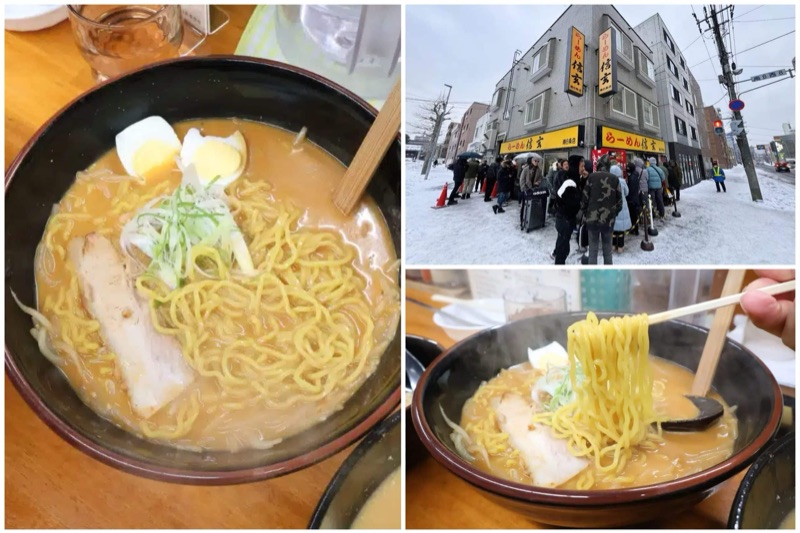
- "Liquid fatty steak" is not hyperbole — Shingen's koku miso is one of the most intensely savory bowls in Sapporo. Multiple locations make it accessible, and the Minami 6-jo branch is convenient for the Susukino nightlife crowd. Some ramen purists say it's overhyped, but the Reddit upvotes don't lie. Great value too.
- What to order
- Ramen Shingen (信玄), found in the Minami 6-jo, Susukino area, is known for its koku miso (コク味噌) (price not available), a devastatingly thick and savory rich miso. The broth has an almost beefy depth that has Redditors comparing it to "drinking liquid fatty steak."
🕐 Closed now
5Japanese Ramen Noodle Lab Q
Modern RamenQuick comparison
- Best for
- Modern Ramen in Kita 18-jo, near Kita 18-jo Station with a ¥1,000–¥1,500 spend range
- Strengths
- 3.8★ from 923 Google reviews · Modern Ramen · Kita 18-jo, near Kita 18-jo Station
- Limitations
- the quality justifies it
- Price / value
- ¥1,000–¥1,500 · 3.8★
- Why it made the list
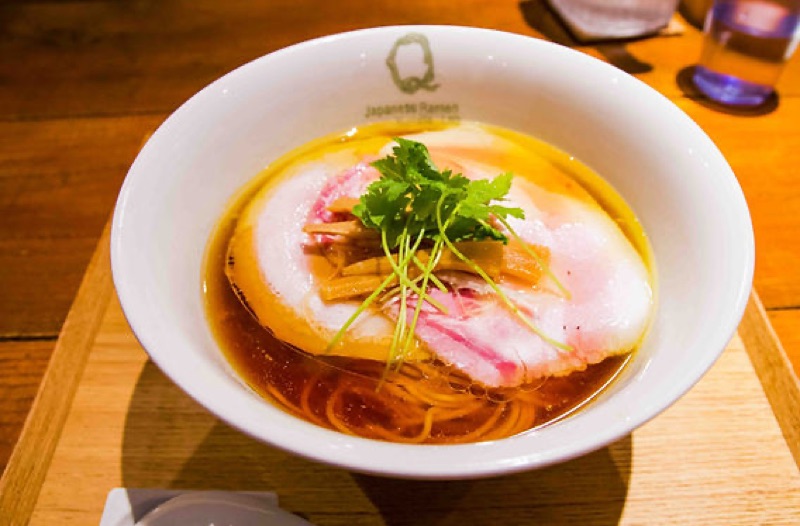
- The thinking person's ramen shop. Noodle Lab Q is for when you want something beyond the classic Sapporo miso template — modern technique, careful plating, and complex flavors. It's pricier than the old-guard shops, but the quality justifies it. A bit out of the way in Kita 18-jo, but worth the subway ride.
- What to order
- Japanese Ramen Noodle Lab Q, near Kita 18-jo Station, is a modern ramen shop with a 3.8★ rating (923 reviews) offering their signature ramen (price not available). This is modern, refined ramen that pushes boundaries with clean presentation, complex broth, and meticulous attention to every component, marking a departure from traditional Sapporo miso.
🕐 Closed now
6Yukikaze (雪風)
Rich MisoQuick comparison
- Best for
- Rich Miso in Susukino, Minami 7-jo with a ¥900–¥1,200 spend range
- Strengths
- 4★ from 2,848 Google reviews · Rich Miso · Susukino, Minami 7-jo
- Limitations
- their rich miso is devastating
- Price / value
- ¥900–¥1,200 · 4★
- Why it made the list
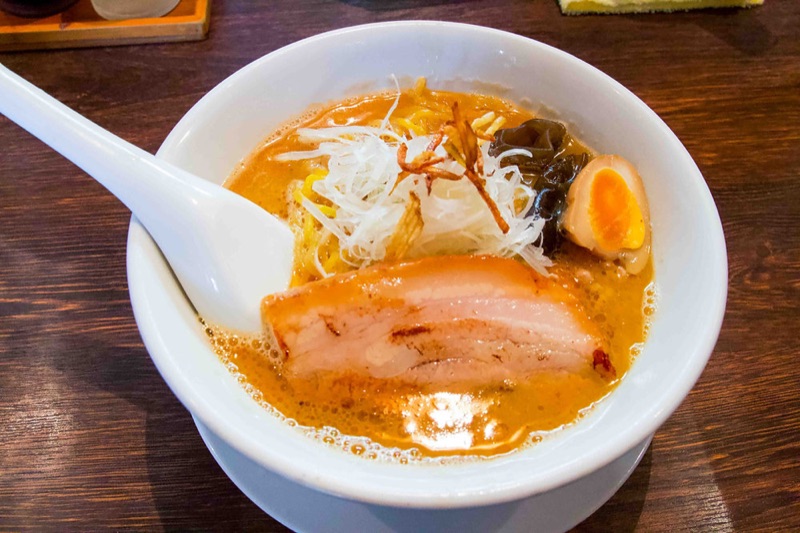
- Yukikaze flies under the radar compared to Sumire and Junren, but their rich miso is devastating. Located in the heart of Susukino, it's the perfect late-night bowl after exploring the entertainment district. The "noko" (rich) version is not for the faint of heart — this is maximum miso.
- What to order
- Yukikaze (雪風), located in Susukino, Minami 7-jo, specializes in noko miso (濃厚味噌) (price not available) – "rich miso". Expect a thick, creamy, intensely miso-flavored broth that clings to the curly noodles.
Hours
7Isono Kazuo (磯乃風)
Miso RamenQuick comparison
- Best for
- Miso Ramen in Susukino, Minami 5-jo with a ¥900–¥1,300 spend range
- Strengths
- 4.1★ from 1,301 Google reviews · Miso Ramen · Susukino, Minami 5-jo
- Limitations
- Price band: ¥900–¥1,300
- Price / value
- ¥900–¥1,300 · 4.1★
- Why it made the list
- The cult hero of Sapporo ramen. Isono Kazuo only opens at 10 PM — making it perfect for the post-bar-hopping crowd, and terrible for early risers. Despite the insane hours, people wait 1–2 hours in the Susukino cold for this bowl. It's that good. The seafood-miso fusion is unique in Sapporo. Plan accordingly.
- What to order
- Isono Kazuo (磯乃風), located in Susukino, Minami 5-jo, is a late-night-only shop (opens at 10 PM) serving miso ramen (price not available). The broth incorporates seafood elements for extra depth.
🕐 Open now

8Aji no Sanpei (味の三平)
Classic / OriginalQuick comparison
- Best for
- Classic / Original in Odori, Minami 1-jo (4F of Daiei Building) with a ¥850–¥1,100 spend range
- Strengths
- 4★ from 1,224 Google reviews · Classic / Original · Odori, Minami 1-jo (4F of Daiei Building)
- Limitations
- Price band: ¥850–¥1,100
- Price / value
- ¥850–¥1,100 · 4★
- Why it made the list
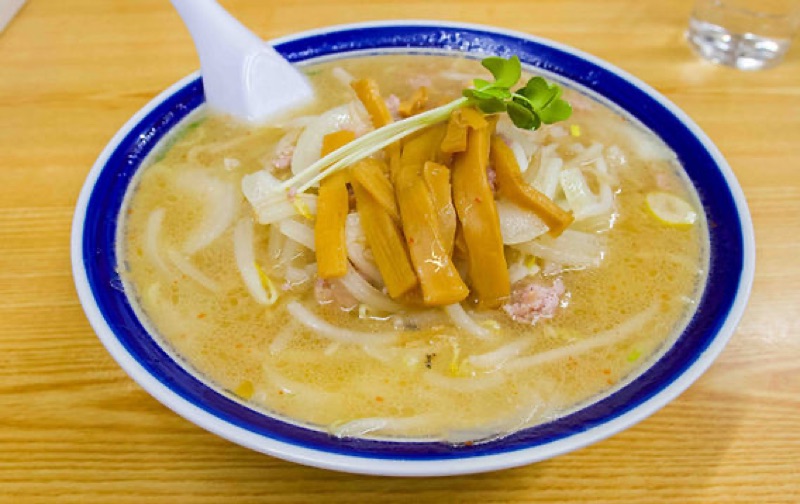
- A pilgrimage site for ramen history nerds. Aji no Sanpei invented miso ramen in the early 1950s, and visiting feels like stepping back in time. The ramen itself is simpler than modern Sapporo style — lighter broth, less lard — which some love and others find underwhelming. Go for the history, stay for the surprisingly good bowl. Finding it on the 4th floor of a random building is part of the adventure.
- What to order
- Aji no Sanpei (味の三平), located in Odori, Minami 1-jo (4F of Daiei Building), is the birthplace of miso ramen, serving it since the 1950s (price not available). The style is simpler and lighter than modern Sapporo miso — a window into what the dish tasted like originally.
🕐 Closed now
9Ramen Haruka (はるか)
Miso RamenQuick comparison
- Best for
- Miso Ramen in Susukino, Minami 4-jo with a ¥800–¥1,100 spend range
- Strengths
- 4.8★ from 3,453 Google reviews · Miso Ramen · Susukino, Minami 4-jo
- Limitations
- consistently excellent and centrally located in Susukino
- Price / value
- ¥800–¥1,100 · 4.8★
- Why it made the list
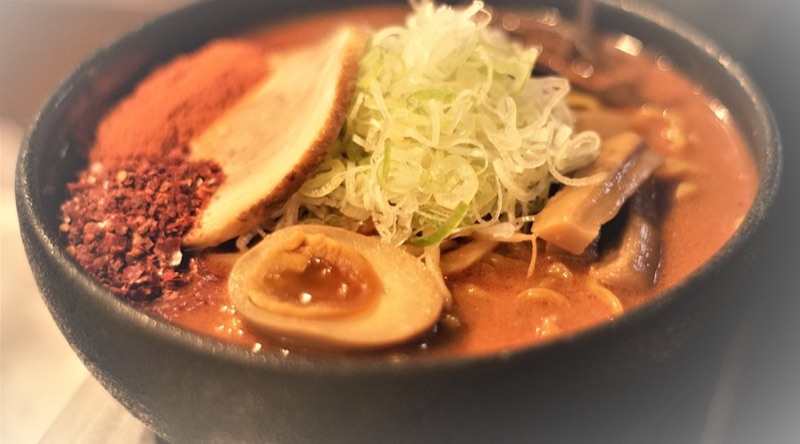
- Haruka is the reliable all-rounder — the shop you recommend to someone who's never had Sapporo miso ramen and wants a great first experience. Not as extreme as Sumire or as refined as Noodle Lab Q, but consistently excellent and centrally located in Susukino. The winter wait outside is a rite of passage.
- What to order
- Ramen Haruka (はるか), located in Susukino, Minami 4-jo, serves miso ramen (price not available) that consistently satisfies. The butter corn version here is also popular with first-timers.
🕐 Closed now
10175° DENO Tantanmen
TantanmenQuick comparison
- Best for
- Tantanmen in Kita 2-jo, near Sapporo Station with a ¥900–¥1,200 spend range
- Strengths
- 4★ from 944 Google reviews · Tantanmen · Kita 2-jo, near Sapporo Station
- Limitations
- 175° DENO is Sapporo's best ramen divergence
- Price / value
- ¥900–¥1,200 · 4★
- Why it made the list
- Not technically miso ramen, but 175° DENO is Sapporo's best ramen divergence. The Sichuan-style tantanmen is a welcome break from miso after your third bowl, with a tingling numbness that's addictive. Multiple locations across Sapporo make it easy to find. The "175°" refers to the perfect roasting temperature for their sesame seeds.
- What to order
- 175° DENO Tantanmen, near Sapporo Station, offers shibireru tantanmen (痺れる担々麺) (price not available) with a 4★ rating (944 reviews). This features a numbing Sichuan pepper and sesame-based broth with ground pork; choose your spice level (1–5), with level 3 being the sweet spot for most people.
🕐 Closed now
11Yoshiyama Shoten (吉山商店)
Miso RamenQuick comparison
- Best for
- Miso Ramen in Tanukikoji, Minami 3-jo with a ¥800–¥1,100 spend range
- Strengths
- 4.3★ from 567 Google reviews · Miso Ramen · Tanukikoji, Minami 3-jo
- Limitations
- Price band: ¥800–¥1,100
- Price / value
- ¥800–¥1,100 · 4.3★
- Why it made the list
- A solid neighborhood miso ramen shop on the Tanukikoji shopping arcade — making it easy to combine with shopping. The miso is slightly sweeter and more approachable than the intense Sumire style. A great option if you're exploring the downtown area and want excellent ramen without a pilgrimage to the suburbs.
- What to order
- Yoshiyama Shoten (吉山商店), located in Tanukikoji, Minami 3-jo, offers miso ramen (price not available) with a 4.3★ rating (567 reviews). Yoshiyama Shoten does a slightly sweeter, more balanced miso than the Sumire lineage; the noodles are excellent and the toppings generous.
🕐 Closed now
12Keyaki (けやき)
Butter Corn MisoQuick comparison
- Best for
- Butter Corn Miso in Susukino, Minami 6-jo with a ¥900–¥1,200 spend range
- Strengths
- 3.9★ from 2,805 Google reviews · Butter Corn Miso · Susukino, Minami 6-jo
- Limitations
- you're a tourist, and Keyaki does it exceptionally well
- Price / value
- ¥900–¥1,200 · 3.9★
- Why it made the list
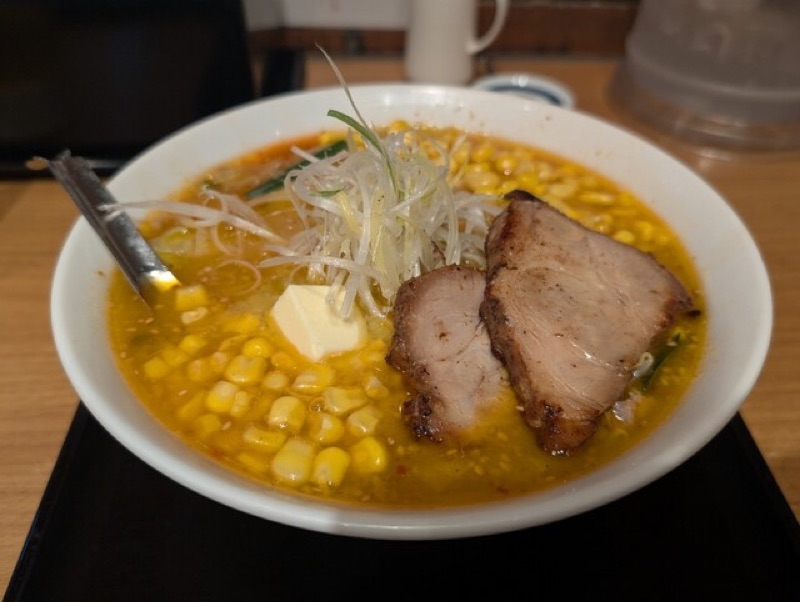
- Yes, butter corn miso is a "tourist thing" — Sapporo ramen purists will roll their eyes. But you're a tourist, and Keyaki does it exceptionally well. The Hokkaido butter is incredible, the corn is sweet, and the miso broth is legit. If you want the Instagram-famous Sapporo ramen experience, this is where to get it done right. No shame.
- What to order
- Keyaki (けやき), located in Susukino, Minami 6-jo, is the place to go for butter corn miso ramen (バターコーンみそラーメン) (price not available). If you want the iconic Sapporo butter-corn experience, Keyaki does it right, with a slab of Hokkaido butter melting into rich miso broth with sweet corn.
🕐 Closed now
13Kitaichi Ramen (北一ラーメン)
AkamisoQuick comparison
- Best for
- Akamiso in Tanukikoji Shopping Arcade with a ¥800–¥1,000 spend range
- Strengths
- 3.7★ from 794 Google reviews · Akamiso · Tanukikoji Shopping Arcade
- Limitations
- Price band: ¥800–¥1,000
- Price / value
- ¥800–¥1,000 · 3.7★
- Why it made the list
- The akamiso (red miso) specialist. While most Sapporo ramen shops use a white or blended miso, Kitaichi leans into the deeper, more fermented red miso. It's a different vibe — earthier, funkier, bolder. Located on Tanukikoji, it's budget-friendly and easy to access. A great change of pace if you've been doing the standard miso circuit.
- What to order
- Kitaichi Ramen (北一ラーメン), located in Tanukikoji Shopping Arcade, is known for its akamiso ramen (赤味噌ラーメン) (price not available) with a 3.7★ rating (794 reviews). Red miso has a deeper, more fermented flavor than the standard white/yellow miso, and Kitaichi's version is rich and full-bodied with a distinctive earthiness.
🕐 Closed now
Planning Your Sapporo Miso Ramen Visit
Navigating the Queues
Popular ramen shops in Sapporo, especially legends like Sumire, Junren, and Menya Saimi, are famous for long lines. Aim to visit outside peak lunch (12-1 PM) and dinner (6-8 PM) hours, or prepare for a wait, which can often exceed 30-60 minutes, especially on weekends. Some shops might have a numbering system; look for a clipboard or a staff member guiding the queue.
Ordering and Payment
Most ramen shops in Sapporo operate with a ticket vending machine (券売機, kenbaiki) system. You select your ramen and any toppings, insert cash (yen is usually required, credit cards are rare at smaller shops), and receive a ticket to hand to the staff. It's helpful to have small bills and coins. For shops without a machine, you'll order directly from staff at the counter.
Ramen Etiquette Tips
Enjoy your ramen promptly while it's hot – don't let it sit! Slurping is not only acceptable but often seen as a sign of enjoyment in Japan, so don't be shy. Finish your broth if you enjoyed it, but it's not strictly necessary. Tipping is not customary in Japan, and a simple 'gochisousama deshita' (thank you for the meal) is always appreciated.
Getting to the Best Bowls
Many of Sapporo's top miso ramen shops are concentrated in the Toyohira-ku district, home to Sumire, Junren, and Menya Saimi. These can be reached by subway (e.g., Nakanoshima or Gakuen-mae stations). The Susukino area also boasts a high concentration of excellent shops like Ramen Shingen and Yukikaze, easily accessible by walking or subway from central Sapporo.
Beyond Miso: Other Local Flavors
While miso ramen is Sapporo's signature, don't forget to explore other local ramen varieties if time permits. Shio (salt) and shoyu (soy sauce) ramen are also widely available and often prepared with the same rich Sapporo-style broth. For a completely different experience, consider 175° DENO Tantanmen for a spicy, sesame-rich bowl.
Frequently Asked Questions
What is the best miso ramen in Sapporo?
Based on Reddit consensus, Sumire is the most legendary miso ramen in Sapporo — the thick, oily miso broth with a layer of lard on top is the benchmark. Junren (same lineage) and Menya Saimi (founded by a Sumire disciple) are equally praised and often have shorter waits.
Is butter corn ramen the real Sapporo style?
Not really. Butter corn ramen is more of a tourist icon — like deep-dish pizza in Chicago. The real Sapporo specialty is rich miso ramen with a thick, lard-sealed broth, curly yellow noodles, and toppings like chashu, bean sprouts, and ground pork. Most locals rarely order butter corn. That said, if you want to try it, Keyaki does a solid version.
How much does miso ramen cost in Sapporo?
A bowl of miso ramen in Sapporo typically costs ¥800–¥1,200 ($5.50–$8 USD). Most shops use ticket vending machines. Toppings and larger portions cost extra. Even premium shops like Noodle Lab Q top out around ¥1,500.
What makes Sapporo miso ramen different from other miso ramen?
Sapporo-style miso ramen is characterized by a rich tonkotsu-based broth blended with miso paste, sealed with a layer of lard to keep the soup piping hot in Hokkaido's freezing winters. The noodles are thick, curly, and yellow (egg noodles). The miso is often stir-fried in a wok with garlic and pork, giving it a roasted depth you won't find in other regions.
Is Ramen Yokocho (Ramen Alley) in Sapporo worth visiting?
Ramen Yokocho is a fun, atmospheric experience — a narrow alley of tiny ramen shops dating back to 1951. The quality is decent but not exceptional. Reddit locals say it's fine to eat there but not where you'll find the best bowls. Visit for the atmosphere, then hit Sumire, Saimi, or Shingen for the serious stuff.
What makes Sapporo Miso Ramen unique?
Sapporo Miso Ramen is renowned for its rich, hearty, and often intensely flavorful broth, typically made with pork or chicken bones and blended with various miso pastes. It's characterized by a layer of lard or oil that keeps the ramen hot in Sapporo's cold climate, often featuring stir-fried vegetables like bean sprouts and onions, and thick, chewy yellow noodles. Legendary shops like Sumire perfectly embody this robust style.
Is Sapporo Miso Ramen heavy?
Yes, Sapporo Miso Ramen is generally considered one of the heavier and richer styles of ramen in Japan due to its robust broth, the generous use of lard, and sometimes thicker noodles. While incredibly satisfying, especially in cold weather, it can be a very filling meal. If you prefer a slightly lighter take, some modern shops or non-miso options might be better, or opt for a smaller portion if available.
Which Sapporo ramen shops accept credit cards?
Many traditional and smaller ramen shops in Sapporo, including famous ones like Sumire and Junren, operate on a cash-only basis, often using ticket vending machines. While larger, more modern establishments or those in tourist-heavy areas like 175° DENO Tantanmen might accept credit cards or cashless payments, it's always safest to carry sufficient Japanese yen for your ramen adventure.
Can I find vegetarian/vegan miso ramen in Sapporo?
Finding truly vegetarian or vegan miso ramen in traditional Sapporo shops can be challenging, as most broths rely heavily on pork or chicken, and miso paste itself can contain dashi made from fish. However, the ramen scene is evolving. It's best to research specific shops with 'vegan' or 'vegetarian' options beforehand; specialized modern ramen shops are more likely to cater to these dietary needs than classic establishments.
What's the best time to visit Sapporo ramen shops?
To minimize wait times, the best strategy is to visit during off-peak hours. Aim for late lunch (around 2-4 PM) or early dinner (before 6 PM) to avoid the busiest crowds. Weekday mornings can also be less busy if shops are open. Evenings, especially weekends, will almost guarantee a queue at highly popular spots like Menya Saimi and Ramen Shingen.
Where can I try butter corn ramen in Sapporo?
Butter corn miso ramen is a beloved Sapporo specialty, often considered a must-try for visitors. The most iconic place to experience this delicious combination is Keyaki, located in the bustling Susukino district. While some purists might consider it a 'tourist thing,' the creamy butter and sweet corn perfectly complement the rich miso broth, creating a unique and undeniably satisfying bowl.
What makes Sapporo miso ramen unique compared to other Japanese ramen?
Sapporo miso ramen is distinctive for its rich, hearty miso-based broth, often cooked with lard, garlic, and ginger, creating a deeply savory and warming flavor. It typically features thick, curly yellow noodles that cling well to the broth, and common toppings include stir-fried vegetables like bean sprouts and onions, ground pork, and chashu. This style was pioneered by shops like Aji no Sanpei.
Is Sapporo miso ramen usually spicy?
Traditionally, Sapporo miso ramen is not inherently spicy, though the rich broth can be quite bold and savory. Some shops offer a 'kara-miso' (spicy miso) option, or you can add chili oil (rayu) at the table. If you're seeking a genuinely spicy experience, consider the Tantanmen at 175° DENO Tantanmen, which offers varying levels of numbing spice.
Are there vegetarian or vegan ramen options available in Sapporo?
While traditional Sapporo miso ramen is deeply rooted in pork and chicken broths, some modern ramen shops in Sapporo are beginning to offer vegetarian or vegan options, often soy or vegetable-based broths. It's best to check individual shop websites or ask staff, as it's not universally available, especially in older, traditional establishments like Sumire or Junren.
Which ramen shops are conveniently located near Sapporo Station?
For those staying near Sapporo Station, 175° DENO Tantanmen is a fantastic choice, just a short walk away, offering its acclaimed Tantanmen. While most classic miso ramen shops require a short subway ride, you can also easily access the Tanukikoji shopping arcade from the station, where shops like Yoshiyama Shoten provide a solid miso ramen fix.
What's the origin of butter corn miso ramen, and is it authentic?
Butter corn miso ramen originated as a local Sapporo specialty, though some ramen purists might consider it a 'tourist thing.' It became popular due to Hokkaido's reputation for delicious dairy products and sweet corn. While shops like Keyaki offer a popular version, it's more of a regional variation than a traditional fundamental of Sapporo miso ramen, still offering a unique and delicious experience.
What is the 'Sumire disciple' ramen shop, and how does it compare to the original?
The most famous 'Sumire disciple' ramen shop is Menya Saimi. While it retains the core characteristics of Sumire's rich, hot miso broth, Saimi is often noted for a slightly more refined and balanced flavor profile, with a hint of sweetness and an incredibly fragrant aroma. Many locals and visitors consider Saimi to be equally, if not more, legendary than Sumire, offering a distinct yet familiar take on the Sapporo classic.
What distinguishes Sapporo Miso Ramen from other regional styles?
Sapporo Miso Ramen is renowned for its rich, robust miso-based broth, often cooked with lard, garlic, and ginger, creating a deeply warming and intensely savory flavor profile. It typically features thick, chewy yellow noodles and stir-fried vegetables like bean sprouts and onions, often with a generous slice of chashu. This hearty style is perfectly suited to Sapporo's cold climate.
Are there any vegetarian or vegan miso ramen options in Sapporo?
While traditional Sapporo miso ramen heavily relies on pork and chicken broths, and chashu toppings, some modern shops are beginning to offer plant-based options. However, these are still relatively rare, especially at the most famous, traditional establishments like Sumire or Junren. It's best to check individual restaurant websites or ask staff directly if they cater to vegetarian or vegan diets.
What is the typical Sapporo miso ramen experience like?
A typical Sapporo miso ramen experience involves a bustling shop, often with counter seating, and the rich aroma of miso filling the air. You'll likely order via a vending machine, then hand your ticket to the chef. The ramen arrives piping hot, often with a layer of oil (ko-yu) on top to keep it warm, packed with flavorful broth, chewy noodles, and stir-fried vegetables, providing a deeply satisfying and invigorating meal.
Which Sapporo ramen shops are best for late-night cravings?
For those late-night hunger pangs, especially after exploring Susukino, several ramen shops stay open well into the evening. Yukikaze and Keyaki (famous for its butter corn miso) are popular choices located right in the Susukino area, offering delicious and warming bowls perfect for capping off an evening. Ramen Shingen also keeps late hours and is a favorite for its rich miso.
How do I choose between Sumire and Junren?
Choosing between Sumire and Junren often comes down to a subtle preference, as they are sibling shops with very similar, intensely flavorful miso ramen styles. Sumire is the more famous, often with longer queues, known for a slightly heavier, lard-rich broth. Junren offers a highly comparable, robust bowl that some find marginally less oily or simply prefer its atmosphere, making it a great choice if Sumire's wait is too long.
Is it worth trying Butter Corn Miso Ramen in Sapporo?
While some Sapporo ramen purists might dismiss it as a "tourist thing," trying Butter Corn Miso Ramen, especially at a place like Keyaki, can be a delightful experience. The sweetness of Hokkaido corn and the creamy richness of butter perfectly complement the savory miso broth, adding a unique and satisfying dimension. It's a popular variation that provides a comforting and distinctly Sapporo flavor, definitely worth a try for an authentic local twist.
What makes Sapporo Miso Ramen unique compared to other ramen styles?
Sapporo Miso Ramen is famous for its rich, robust miso-based broth, often made with pork or chicken bones, infused with stir-fried vegetables (typically bean sprouts and onions) and ground pork, creating a deep umami flavor. It features thick, chewy yellow noodles and a distinctive layer of lard on top, which keeps the ramen piping hot, perfect for Sapporo's cold climate. Shops like Sumire exemplify this iconic style.
Are there any vegetarian or vegan options for Sapporo Miso Ramen?
Traditional Sapporo Miso Ramen is rarely vegetarian or vegan, as the broth typically contains pork or chicken, and the ground meat is a key component. While some modern ramen shops across Japan are beginning to offer plant-based options, they are still uncommon in traditional Sapporo ramen. It's best to check individual shop menus or inquire directly; Japanese Ramen Noodle Lab Q, with its modern approach, might be a place to look for alternatives, but it's not guaranteed.
Is Sapporo Miso Ramen typically spicy?
No, traditional Sapporo Miso Ramen is not inherently spicy. Its flavor profile is rich, savory, and often slightly sweet from the miso. However, many shops offer customizability, allowing you to add chili oil (ra-yu) or other spicy condiments to your preference. Some shops, like Kitaichi Ramen, specialize in 'Akamiso' (red miso) which can have a bolder, more intense flavor but isn't necessarily spicy unless chili is added.
What is 'Butter Corn Miso Ramen' and is it a local specialty?
Butter Corn Miso Ramen is indeed a popular variation found in Sapporo, often associated with shops targeting tourists, such as Keyaki. It features a rich miso ramen broth topped with a generous pat of butter and a heap of sweet corn, adding a creamy, slightly sweet dimension to the savory broth. While some purists might 'roll their eyes,' it's a delicious and comforting experience, especially during the colder months, and a must-try for many visitors.
Which Sapporo ramen shops accept credit cards or cashless payments?
Many traditional and highly popular Sapporo ramen shops, especially those with ticket vending machines like Sumire or Junren, primarily operate on a cash-only basis. However, larger or more modern establishments, such as Japanese Ramen Noodle Lab Q or 175° DENO Tantanmen, are more likely to accept credit cards or other cashless payment methods. Always be prepared with cash, especially at smaller, local eateries, to avoid inconvenience.
What's the difference between Sumire and Junren, and which one is better?
Sumire and Junren are sister shops, founded by literal siblings, sharing a similar style but with distinct characteristics. Sumire is often perceived as having a slightly richer, sweeter, and more intensely pork-forward broth with a thicker layer of lard. Junren tends to be more savory, with a clearer miso presence and a slightly lighter feel, though still robust. 'Better' is entirely subjective and depends on individual preference – many locals have a strong allegiance to one over the other, making it essential to try both to decide for yourself!
🎟️ Book Sapporo Experiences
Tours and activities hand-picked for this guide — book with free cancellation
Experiences via Viator — free cancellation on most tours