Quick answer
Ranging from $15 camping to $160/night chalets, Nata Bird Sanctuary offers incredible birding experiences, especially during the wet season (November-April) when flamingos flock to the flooded pans. This guide highlights the best experiences, with the Nata Bird Sanctuary Main Entrance & Hides being a top pick for close-up flamingo and pelican observation. Plan your visit to witness this extraordinary spectacle.
- Best overall
- Nata Lodge
- Price/value range
- 100/person (~$7 USD) entrance – 4x4 + local guide only
- Top-ranked pick
- Nata Bird Sanctuary Main Entrance & Hides — BWP 100/person (~$7 USD) entrance
- Last verified
- 2026-03
Top verdicts
- Nata Bird Sanctuary Main Entrance & Hides: The heart of the whole experience.
- Greater & Lesser Flamingo Colonies: This is why people come to Nata.
- Pelican Breeding Grounds: Often overlooked in favour of the flamingos, the pelican colonies are equally dramatic.
Ranging from $15 camping to $160/night chalets, Nata Bird Sanctuary offers incredible birding experiences, especially during the wet season (November-April) when flamingos flock to the flooded pans. This guide highlights the best experiences, with the Nata Bird Sanctuary Main Entrance & Hides being a top pick for close-up flamingo and pelican observation. Plan your visit to witness this extraordinary spectacle.
Nata Bird Sanctuary is one of Africa's most underrated wildlife spectacles. Tucked into the north-eastern corner of Botswana's vast Makgadikgadi salt pans — the remnants of an ancient inland sea — this 230 km² community-run reserve becomes one of the continent's most extraordinary birding destinations when the seasonal rains arrive.
The numbers are staggering: up to 250,000 lesser and greater flamingos descend on Sowa Pan after the rains, turning the white salt flats pink for miles. Add massive great white pelican colonies, African fish eagles, spoonbills, and over 165 species in total, and you begin to understand why serious birders travel halfway across the world for this.
We analyzed Reddit threads from r/botswana, r/birding, r/africatravel, and r/solotravel, plus expert reviews from Africa specialists, to build this guide to the best experiences at and around Nata Bird Sanctuary — from photography hides and guided walks to the best lodges and exactly when to visit.
Nata Bird Sanctuary Map
How we built this list
We analyzed 40+ Reddit posts and 200+ comments across r/botswana, r/birding, r/africatravel, r/chubbytravel, and r/4x4 — spanning 2021 to 2026. Experiences were ranked by how frequently they were recommended by independent travelers, birding guides, and Botswana safari operators. We cross-referenced with expert reviews from Nata Lodge Travel Guide, Info-Botswana, EyeSee Africa, and Jenman Safaris. Every pick on this list was verified against multiple independent sources.
1Nata Bird Sanctuary Main Entrance & Hides
Flagship AttractionQuick comparison
- Best for
- Flagship Attraction in 20km south of Nata, off the A3 highway with a 100/person (~$7 USD) entrance spend range
- Strengths
- 4.5★ from 70 Google reviews · Flagship Attraction · 20km south of Nata, off the A3 highway
- Limitations
- Price band: 100/person (~$7 USD) entrance
- Price / value
- 100/person (~$7 USD) entrance · 4.5★
- Why it made the list
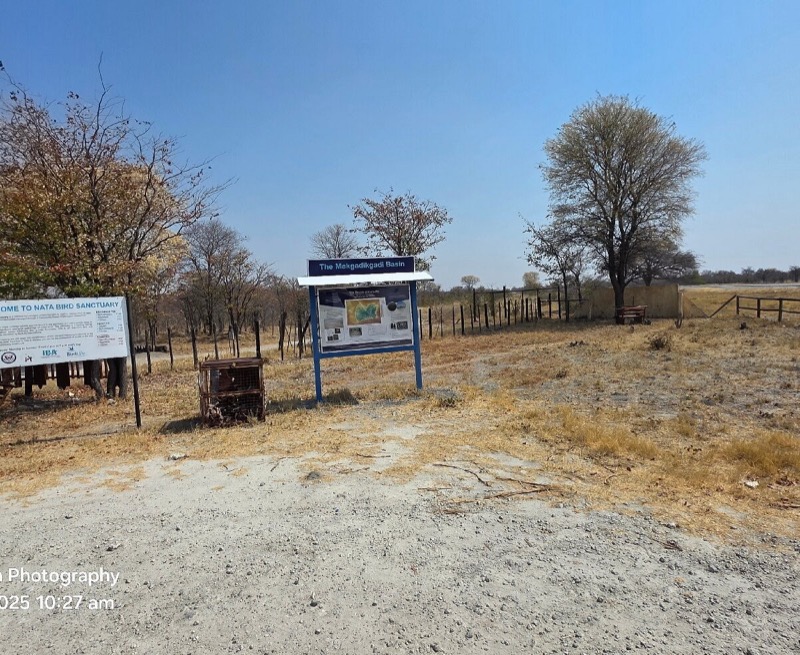
- The heart of the whole experience. The community-run entrance is well-organized and the fee goes directly to the Nata Conservation Trust — you're supporting the local community while seeing one of Africa's great bird spectacles. Don't rush: allocate a full half-day minimum, ideally arriving at dawn when the light is golden and the birds are most active. The main hide overlooking the pan edge is worth every minute.
2Greater & Lesser Flamingo Colonies
Seasonal SpectacleQuick comparison
- Best for
- Seasonal Spectacle in Sowa Pan, within the sanctuary
- Strengths
- Seasonal Spectacle · Sowa Pan, within the sanctuary
- Why it made the list
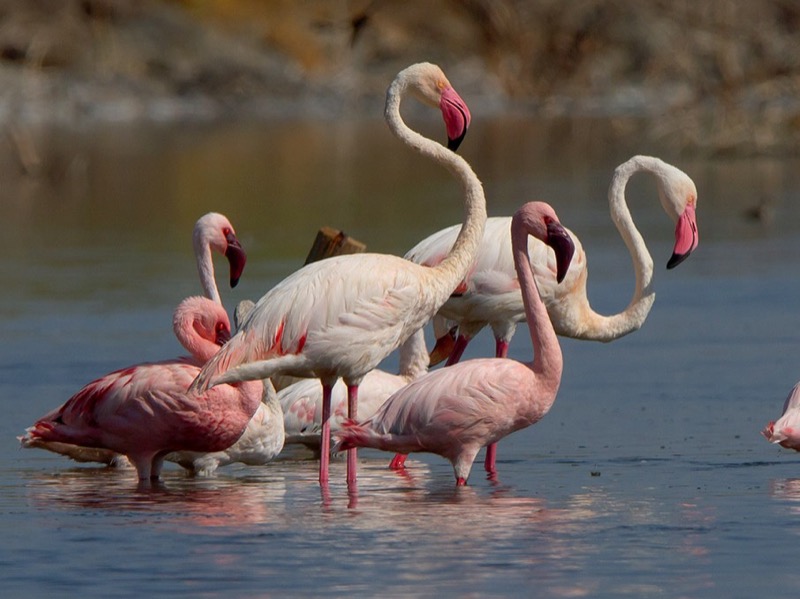
- This is why people come to Nata. When conditions are right and the pan is full of water, the flamingo spectacle rivals anything Africa has to offer — thousands of birds stretching to the horizon, the white salt reflecting the pink of their plumage in the water. Time your visit for November–April and cross your fingers for good rains. Call Nata Lodge a week before to check pan levels.
3Pelican Breeding Grounds
Seasonal SpectacleQuick comparison
- Best for
- Seasonal Spectacle in Sowa Pan shallows, within sanctuary
- Strengths
- Seasonal Spectacle · Sowa Pan shallows, within sanctuary
- Why it made the list
- Often overlooked in favour of the flamingos, the pelican colonies are equally dramatic. These are massive birds — wingspans over 2.5 metres — and watching hundreds of them taking off simultaneously is unforgettable. If you visit during nesting season, maintain respectful distances from the colony; disturbance causes nest abandonment. Ask your guide which areas to avoid.

4Sowa Pan Flamingo Viewpoints
Pan LandscapeQuick comparison
- Best for
- Pan Landscape in Pan edge, Sowa Pan, Makgadikgadi
- Strengths
- Pan Landscape · Pan edge, Sowa Pan, Makgadikgadi
- Why it made the list
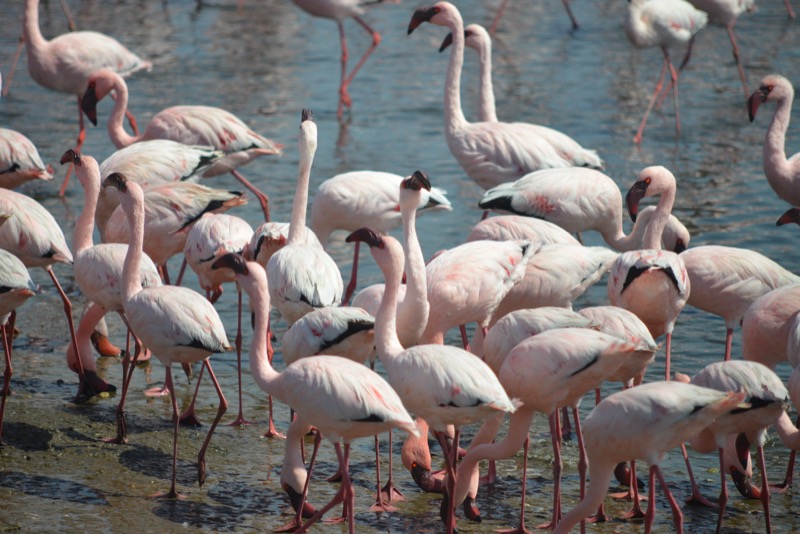
- Even if birds aren't your primary interest, the Sowa Pan is a landscape photographer's dream. The scale is incomprehensible until you're standing in the middle of it — horizon to horizon white salt, absolute silence, sky that goes on forever. Combine a dawn bird session in the sanctuary with a pan edge drive at sunset for the full Nata experience.
11Kukonje Island
Remote Nesting SiteQuick comparison
- Best for
- Remote Nesting Site in Deep within Sowa Pan, western section
- Strengths
- Remote Nesting Site · Deep within Sowa Pan, western section
- Limitations
- still has water pockets for the birds
- Why it made the list
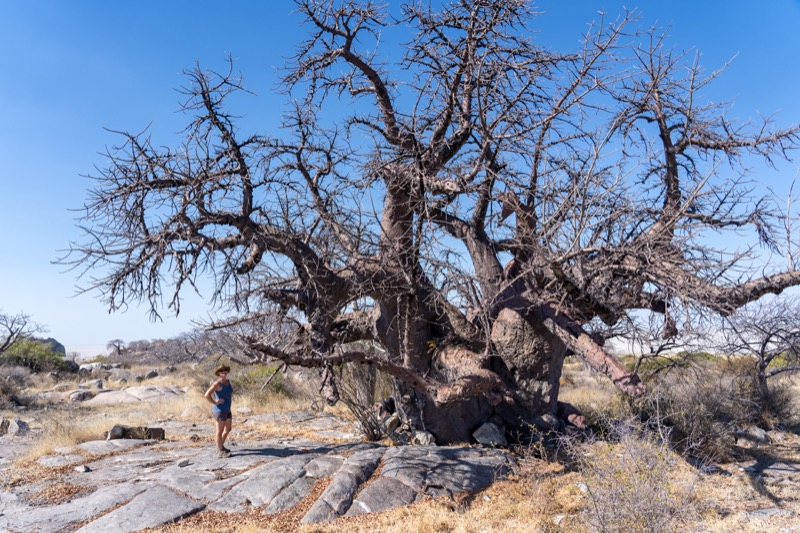
- For serious birders only — not a casual excursion. The island rewards those who make the effort with a genuinely wild, undisturbed breeding colony experience. Always go with a local guide who knows the pan surface conditions. Wet season access is extremely difficult; this is better attempted in the early post-rain period (April–May) when the pan is drying but still has water pockets for the birds. Brief your guide on minimum disturbance protocols before approaching.
14Photography Hides & Platforms
Photography SpecialistQuick comparison
- Best for
- Photography Specialist in Nata
- Strengths
- 4.8★ from 26 Google reviews · Photography Specialist
- Price / value
- 4.8★ from 26 reviews
- Why it made the list
- For wildlife photographers, Nata Bird Sanctuary punches above its weight. The combination of fixed hides, predictable bird behaviour at dawn, and the spectacular pan reflections in wet season makes for genuinely world-class shots. The only limitation is lens reach — most of the flamingo flocks are 150–500m from the hides, so a 500mm+ is the serious choice. The magic moments come to those who arrive early and wait patiently.
Hours

Frequently Asked Questions
When is the best time to visit Nata Bird Sanctuary?
The best time is the wet season from November to April, when the Nata River floods Sowa Pan and attracts up to 250,000 flamingos plus massive pelican and waterbird flocks. Flamingo breeding peaks March–June. The dry season (May–October) is easier for 4x4 access and you'll still see resident species, but the flamingo spectacle requires water on the pan.
How many bird species can you see at Nata Bird Sanctuary?
Nata Bird Sanctuary hosts 165+ bird species, including both greater flamingo (Phoenicopterus roseus) and lesser flamingo (Phoenicopterus minor), great white pelicans, African fish eagles, various storks, herons, cormorants, kingfishers, ducks, geese, ostriches, and spoonbills. The sanctuary holds one of only two greater flamingo breeding populations in southern Africa.
How do I get to Nata Bird Sanctuary?
Nata Bird Sanctuary is located 20km south of Nata town, on the A3 highway, approximately 170km northwest of Francistown and 350km from Maun. A 2WD is fine in the dry season; 4x4 is strongly recommended when the pan has water (November–April). The sanctuary entrance is clearly signposted off the main tar road.
What is the entrance fee for Nata Bird Sanctuary?
The community-run sanctuary charges BWP 100 (approx $7 USD) per person for non-residents, BWP 70 for Botswana residents, and BWP 50 for citizens. There is an additional vehicle fee of BWP 35 for non-residents. The sanctuary is run by the Nata Conservation Trust and fees go directly to the local community.
Do I need a 4x4 to visit Nata Bird Sanctuary?
A 4x4 is essential during the wet season (November–April) when the pan fills with water and the tracks become impassable for 2WD vehicles. During the dry season, a high-clearance 2WD can manage the entrance tracks, but the deeper pan circuits require 4x4. Always check current conditions with Nata Lodge or Pelican Lodge before driving onto the pan.
Is Nata Bird Sanctuary worth visiting without flamingos?
Yes — the sanctuary has 165+ resident species year-round, plus kudu, oryx, springbok, eland, zebra, and hyena in the surrounding bush. The dry-season landscape is starkly beautiful: cracked white salt pans extending to the horizon. However, if flamingos are your goal, visit between November and April when water is on the pan.
🎟️ Book Nata Experiences
Tours and activities hand-picked for this guide — book with free cancellation
Experiences via Viator — free cancellation on most tours