Quick answer
Nara's best mochi and wagashi shops offer experiences ranging from rustic street food to refined sweets, but Nakatanidou stands out for its freshly pounded yomogi mochi. This guide focuses on authentic shops recommended by travelers and Japanese sweets enthusiasts, avoiding tourist traps and prioritizing cultural significance.
- Best overall
- Senjuan Kikukawa (千寿庵菊川) — 4.5★ (235 reviews)
- Price/value range
- ¥130 – ¥1,200
- Top-ranked pick
- Nakatanidou (中谷堂)
- Last verified
- 2026-03
Top verdicts
- Nakatanidou (中谷堂): The most famous mochi shop in all of Japan, and it lives up to the hype.
- Senjuan Yoshimune (千寿庵吉宗): The Nara main store of this respected wagashi maker is perfectly positioned between the station and the park.
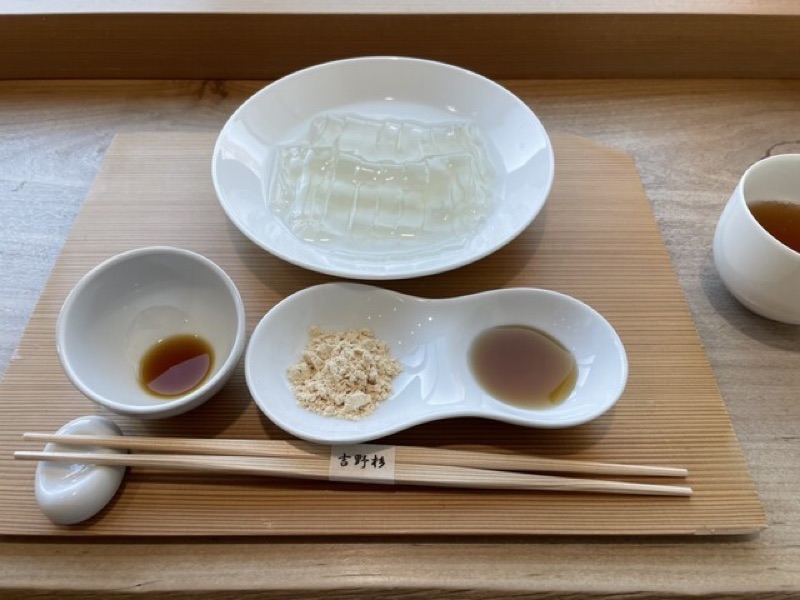
- Tengyokudo (天極堂) Nara Main Store: Tengyokudo has been crafting Yoshino kuzu sweets since 1870 and their main store near Todai-ji is the definitive kuzu experience.
Nara's best mochi and wagashi shops offer experiences ranging from rustic street food to refined sweets, but Nakatanidou stands out for its freshly pounded yomogi mochi. This guide focuses on authentic shops recommended by travelers and Japanese sweets enthusiasts, avoiding tourist traps and prioritizing cultural significance.
Nara is where Japan's sweet traditions run deepest. The ancient capital gave birth to manju itself — the Chinese-inspired steamed bun that spawned an entire nation of wagashi artisans. And in the Yoshino mountains to the south, hand-harvested kuzu (arrowroot) has been transformed into impossibly smooth sweets for over 400 years.
We scoured Reddit threads from r/JapanTravel, r/JapanTravelTips, r/wagashi, and r/JapaneseFood, plus local food guides, to find the shops where travelers and Japanese sweets enthusiasts say the experience is truly worth the trip. These aren't tourist traps — they're the real thing.
Sweets Map
How we built this list
We analyzed 80+ Reddit posts and 400+ comments across r/JapanTravel, r/JapanTravelTips, r/wagashi, and r/JapaneseFood — plus official Nara tourism guides and food blogs. Shops were ranked by how frequently they were recommended and the quality of the experience described. We prioritized places with genuine cultural significance and authentic preparation methods.
1Nakatanidou (中谷堂)
Yomogi MochiQuick comparison
- Best for
- Yomogi Mochi in Mochiidono Center Gai, Nara City with a ¥130–¥200 spend range
- Strengths
- Yomogi Mochi · Mochiidono Center Gai, Nara City
- Limitations
- Can get busy at peak times
- Price / value
- ¥130–¥200
- Why it made the list
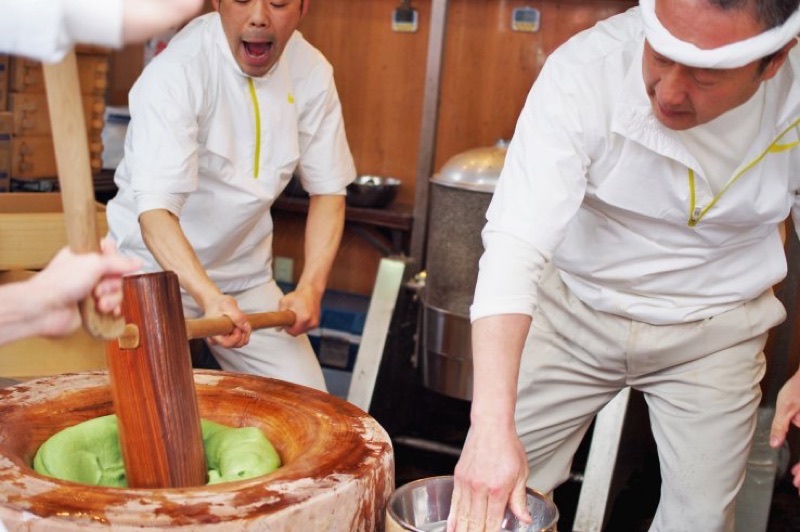
- The most famous mochi shop in all of Japan, and it lives up to the hype. The high-speed pounding performance is mesmerizing — two men working in perfect rhythm, one pounding, one turning the dough in a fraction of a second. At ¥130 per piece, there's zero reason not to try one. Go hungry.
- Wait expectation
- Can get busy at peak times
2Senjuan Yoshimune (千寿庵吉宗)
Kuzu SweetsQuick comparison
- Best for
- Kuzu Sweets in Near Kintetsu Nara Station with a ¥400–¥1,200 spend range
- Strengths
- 4.2★ from 725 Google reviews · Kuzu Sweets · Near Kintetsu Nara Station
- Limitations
- Price band: ¥400–¥1,200
- Price / value
- ¥400–¥1,200 · 4.2★
- Why it made the list
- The Nara main store of this respected wagashi maker is perfectly positioned between the station and the park. Their Yoshino kuzu sweets are as smooth as silk and melt on your tongue. The shop itself is calm and beautiful — a welcome contrast to the tourist bustle outside.
Hours
3Tengyokudo (天極堂) Nara Main Store
Kuzu SweetsQuick comparison
- Best for
- Kuzu Sweets in Near Todai-ji Temple, Nara City with a ¥500–¥1,500 spend range
- Strengths
- 4.2★ from 878 Google reviews · Kuzu Sweets · Near Todai-ji Temple, Nara City
- Limitations
- Price band: ¥500–¥1,500
- Price / value
- ¥500–¥1,500 · 4.2★
- Why it made the list
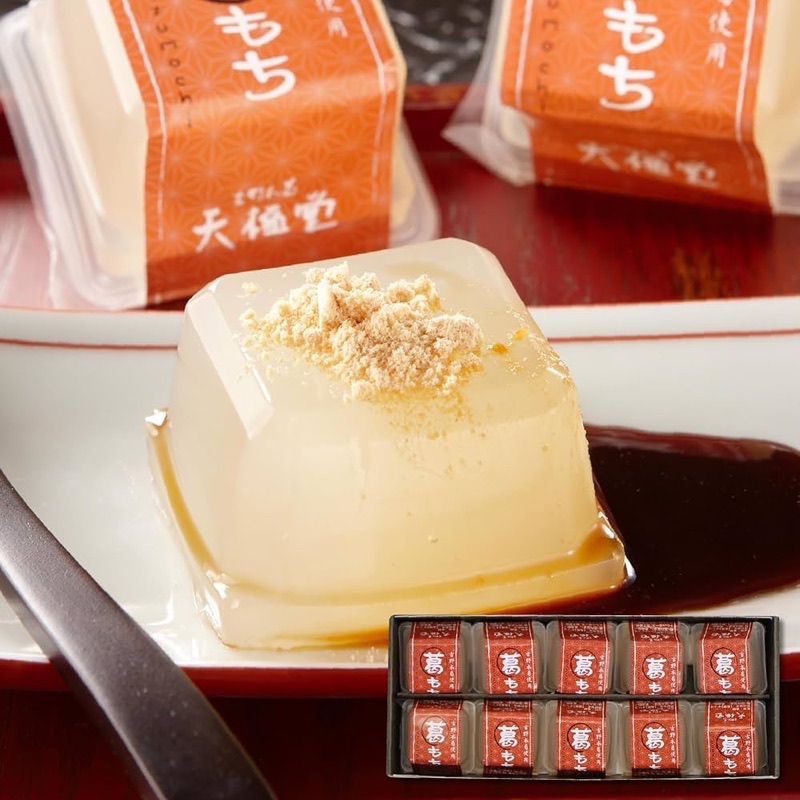
- Tengyokudo has been crafting Yoshino kuzu sweets since 1870 and their main store near Todai-ji is the definitive kuzu experience. Watch the chef transform liquid kuzu starch into translucent kuzukiri noodles right at your table. A must-do after seeing the Great Buddha.
- Reservation
- Usually not needed
Hours
4Honke Kikuya (本家菊屋)
Traditional WagashiQuick comparison
- Best for
- Traditional Wagashi in Yamato Koriyama, Nara Prefecture with a ¥300–¥1,500 spend range
- Strengths
- 4.3★ from 255 Google reviews · Traditional Wagashi · Yamato Koriyama, Nara Prefecture
- Limitations
- Price band: ¥300–¥1,500
- Price / value
- ¥300–¥1,500 · 4.3★
- Why it made the list
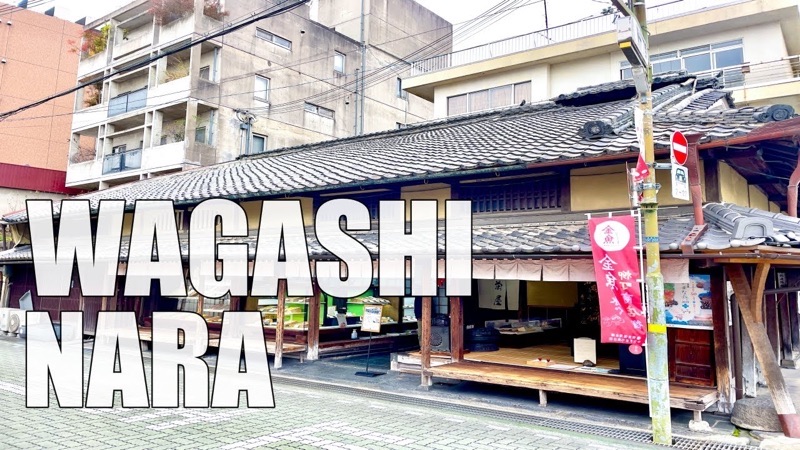
- Four centuries old and still making wagashi by hand. Honke Kikuya is a living museum — you'll see the original wooden molds that have shaped sweets since the Edo period. The goldfish-shaped confections (a nod to Koriyama's famous goldfish culture) are as beautiful as they are delicious. Worth the 15-minute train ride from Nara.
🕐 Closed now
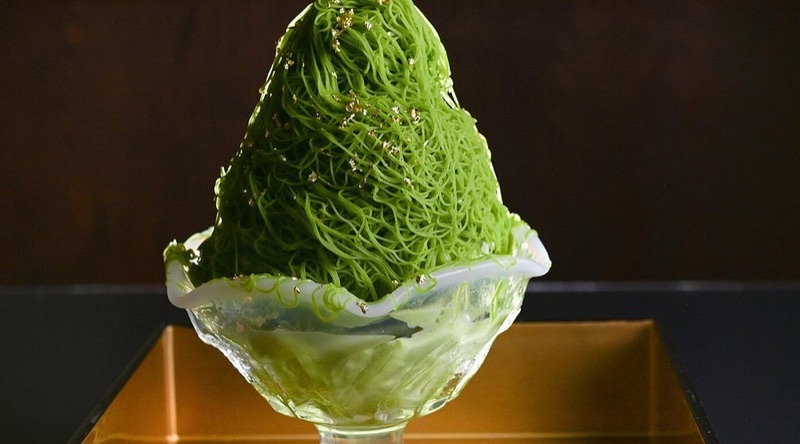
5GRANCHA (Yamato Cha Daifuku)
Tea DaifukuQuick comparison
- Best for
- Tea Daifuku in Sanjo-dori, Nara City with a ¥350–¥800 spend range
- Strengths
- 4.3★ from 351 Google reviews · Tea Daifuku · Sanjo-dori, Nara City
- Limitations
- authentically Nara
- Price / value
- ¥350–¥800 · 4.3★
- Why it made the list
- A newer addition to Nara's sweets scene, GRANCHA bridges old and new beautifully. Their Yamato cha (Nara's indigenous tea, older than Uji's) daifuku is something you genuinely can't get anywhere else. The kamameshi tea rice they serve alongside is worth trying too. Right on the main tourist drag but authentically Nara.
- Reservation
- Usually not needed
🕐 Closed now
6Kasuga-an (春日庵)
Seasonal WagashiQuick comparison
- Best for
- Seasonal Wagashi in Near Kasuga Taisha Shrine, Nara City with a ¥400–¥900 spend range
- Strengths
- Seasonal Wagashi · Near Kasuga Taisha Shrine, Nara City
- Limitations
- Price band: ¥400–¥900
- Price / value
- ¥400–¥900
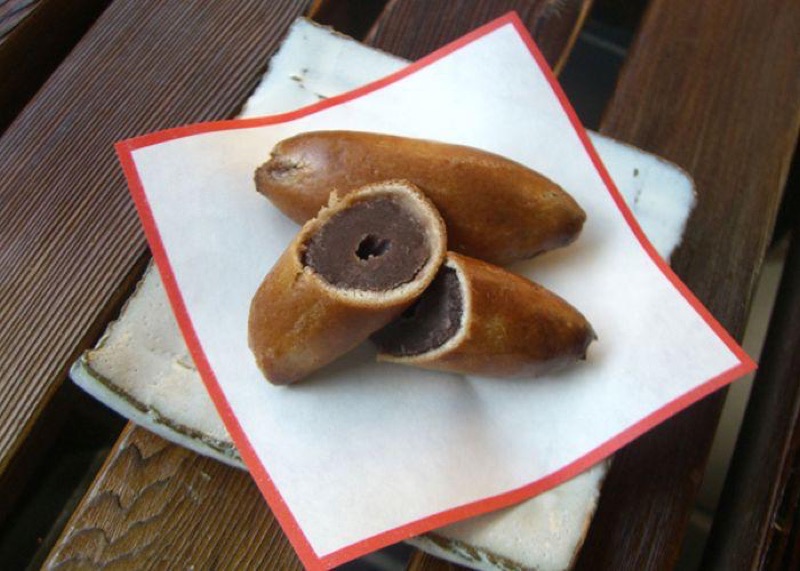
- Why it made the list
- Tucked away on the approach to Kasuga Taisha, this unassuming shop makes some of the most charming wagashi in the city. The satsuma-yaki is their calling card — a crispy-outside, sweet-inside pastry that's been a Nara souvenir staple for generations. Perfect with tea on a bench in the shrine forest.
7Yoshinokuzu Yasokichi (吉野本葛 八十吉)
WarabimochiQuick comparison
- Best for
- Warabimochi in Yoshinoyama, near Yoshimizu Shrine with a ¥500–¥1,000 spend range
- Strengths
- 4.4★ from 350 Google reviews · Warabimochi · Yoshinoyama, near Yoshimizu Shrine
- Limitations
- Price band: ¥500–¥1,000
- Price / value
- ¥500–¥1,000 · 4.4★
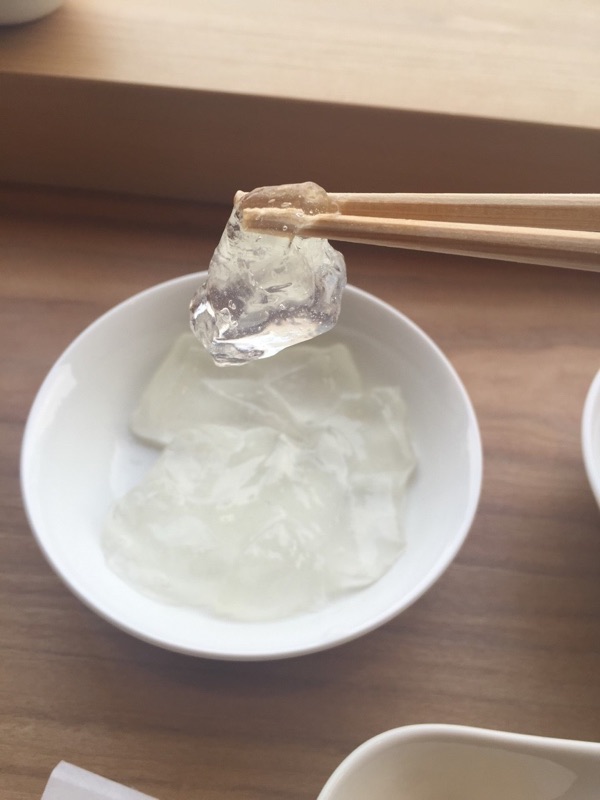
- Why it made the list
- If you make the trip to Yoshinoyama (and you should, especially in cherry blossom season), Yasokichi is the reward. Their warabimochi has a bounce and silkiness that the convenience store version can only dream of. The terrace seating overlooking the mountain valley is pure magic.
- Reservation
- Usually not needed
🕐 Open now
8Kobashi Mochi Store (小橋餅店)
YakimochiQuick comparison
- Best for
- "real Japan" experience alone
- Strengths
- 4.3★ from 5,975 Google reviews · Yakimochi · Tatsuno, Yoshino-cho
- Limitations
- Price band: ¥150–¥500
- Price / value
- ¥150–¥500 · 4.3★
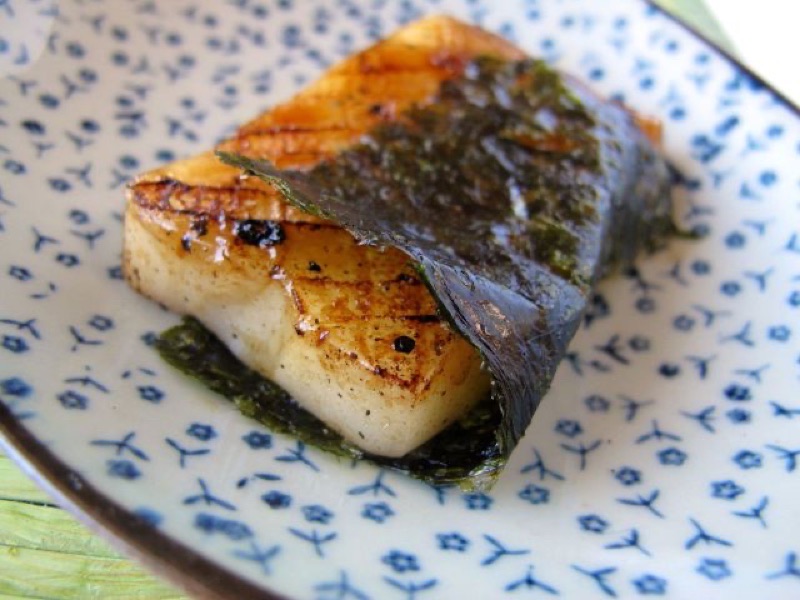
- Why it made the list
- This is the deep cut. Kobashi has been grilling mochi by the Yoshino River since the 1880s — originally as a snack for river rafters. The yakimochi is simple, rustic, and completely addictive. Reservation is essentially mandatory. Worth it for the "real Japan" experience alone.
Hours
9Nakai Shunpudo (中井春風堂)
KuzukiriQuick comparison
- Best for
- Kuzukiri in Yoshinoyama with a ¥500–¥1,200 spend range
- Strengths
- Kuzukiri · Yoshinoyama
- Limitations
- Price band: ¥500–¥1,200
- Price / value
- ¥500–¥1,200
- Why it made the list
- Pure theater meets pure flavor. Watching kuzu starch become translucent kuzukiri noodles in real time is genuinely mesmerizing — and eating them seconds later, still warm and impossibly smooth, is even better. The specialty of Yoshino done at its absolute best.
- Reservation
- Usually not needed
Frequently Asked Questions
What is Nara famous for in terms of sweets?
Nara is famous for yomogi mochi (mugwort mochi), Yoshino kuzu (arrowroot) sweets including warabimochi and kuzukiri, and traditional wagashi confections. Nakatanidou's high-speed mochi pounding performance on Mochiidono street is the city's most iconic food experience.
Where can I watch mochi being pounded in Nara?
Nakatanidou (中谷堂) on Mochiidono Center Gai near Kintetsu Nara Station is the place. They pound mochi at incredible speed 10-15 times per day on weekdays, up to 30 times on weekends. There's no set schedule — just ask when the next session is. It's free to watch and the fresh yomogi mochi costs just ¥130.
What is Yoshino kuzu and why is it special?
Yoshino kuzu (hon-kuzu) is premium arrowroot starch produced in the Yoshino region of southern Nara since the 1600s. It creates uniquely smooth, translucent sweets like kuzukiri (kuzu noodles) and kuzu mochi. Real Yoshino kuzu is hand-processed and considered the finest in Japan — many cheaper imitations use potato starch instead.
How much do mochi and wagashi cost in Nara?
Street mochi like Nakatanidou's yomogi mochi costs ¥130-200 per piece. Sit-down wagashi with tea at traditional shops runs ¥500-1,200. Gift boxes of premium wagashi range from ¥1,000-3,000. Overall, Nara's sweets are very affordable compared to Kyoto.
What is the difference between mochi and wagashi?
Mochi is a specific type of sweet made from pounded glutinous rice — it's chewy and often filled with bean paste. Wagashi is the broader category of all traditional Japanese confections, which includes mochi but also encompasses yokan (bean jelly), manju (steamed buns), higashi (dry sweets), and artistic nerikiri designed to reflect the seasons.
🎟️ Book Nara City Experiences
Tours and activities hand-picked for this guide — book with free cancellation
Experiences via Viator — free cancellation on most tours