Quick answer
Kyoto's ramen scene offers diverse bowls at varying prices, but Menbaka Fire Ramen stands out for its unique experience, making it a top recommendation. The ramen shops are available year-round across the city, from Ichijoji to Gion. Kyoto's ramen culture is built around Ichijoji (一乗寺) — a neighborhood north of the city center with 20+ ramen shops packed into a few blocks, but excellent bowls hide all over the city, from Gion to Kawaramachi to back alleys near Kyoto Station.
- Best overall
- Arajin (あらじん)
- Price/value range
- ¥900 – ¥1,200
- Top-ranked pick
- Menya Inoichi (麺屋 猪一)
- Last verified
- 2026-03
Top verdicts
- Menya Inoichi (麺屋 猪一): Reddit's single most-recommended ramen in Kyoto — and for good reason.
- Gion Duck Noodles (祇園 鴨そば): One of the most unique ramen experiences in all of Japan.
- Menya Gokkei (麺屋 極鶏): Gokkei's broth is so thick your spoon stands up in it.
Kyoto's ramen scene offers diverse bowls at varying prices, but Menbaka Fire Ramen stands out for its unique experience, making it a top recommendation. The ramen shops are available year-round across the city, from Ichijoji to Gion. Kyoto's ramen culture is built around Ichijoji (一乗寺) — a neighborhood north of the city center with 20+ ramen shops packed into a few blocks, but excellent bowls hide all over the city, from Gion to Kawaramachi to back alleys near Kyoto Station.
We dug through Reddit's r/ramen, r/Kyoto, r/JapanTravel, and r/JapanTravelTips to find the bowls that keep getting mentioned year after year. This list covers the full spectrum — from a local Ichijoji resident's top picks to the Instagram-famous fire ramen.
Ramen Map
How we built this list
We analyzed 120+ Reddit posts across r/ramen, r/Kyoto, r/JapanTravel, r/JapanTravelTips, and r/JapaneseFood — spanning 2017 to 2026. Every shop was mentioned positively by at least 3 independent users. We weighted an Ichijoji resident's comprehensive reviews alongside tourist experiences.
All 12 Spots at a Glance
| # | Name | Style | Price | Rating | Area |
|---|---|---|---|---|---|
| #1 | Menya Inoichi (麺屋 猪一) | Dashi Soy Ramen | ¥900–¥1,300 | 4.4★ | Kawaramachi |
| #2 | Gion Duck Noodles (祇園 鴨そば) | Duck Ramen | ¥1,000–¥1,500 | 4.3★ | Gion |
| #3 | Menya Gokkei (麺屋 極鶏) | Ultra-Thick Chicken | ¥900–¥1,300 | 4.0★ | Ichijoji Ramen Alley |
| #4 | Takayasu (高安) | Beef-Pork Blend | ¥900–¥1,200 | 4.1★ | Ichijoji Ramen Alley |
| #5 | Arajin (あらじん) | Tonkotsu Miso | ¥850–¥1,200 | 4.4★ | Ichijoji Ramen Alley |
| #6 | Menbaka Fire Ramen (めん馬鹿) | 🔥 Fire Ramen | ¥900–¥1,200 | 4.2★ | Nakagyo-ku (near Nishiki Market) |
| #7 | Musoshin (夢想庵) | Shoyu Ramen | ¥850–¥1,100 | 4.3★ | Gion |
| #8 | Ramen Sen-no-Kaze (ラーメン 千の風) | Shoyu Ramen | ¥850–¥1,100 | 4.2★ | Central Kyoto |
| #9 | Ginjo Ramen Kubota (吟醸らーめん 久保田) | Tsukemen | ¥900–¥1,300 | 4.4★ | Central Kyoto |
| #10 | Tenkaippin Honten (天下一品 本店) | Chicken Kotteri | ¥700–¥1,000 | 4.2★ | Ichijoji |
| #11 | Shinpuku Saikan (新福菜館) | Classic Chuka Soba | ¥600–¥900 | 4.0★ | Kyoto Station area |
| #12 | Ichiryu Manbai (一柳万倍) | New-Wave Shoyu | ¥900–¥1,200 | 4.2★ | Kawaramachi |
Quick Picks by Budget
Best Picks by Occasion
Best for a Unique Experience
For ramen that doubles as entertainment, look no further than Menbaka Fire Ramen, where your bowl is dramatically set on fire. If you crave an exceptionally gourmet and distinct flavor, Gion Duck Noodles offers a one-of-a-kind duck ramen experience that stands apart.
Best Late-Night Bite
When the hunger pangs hit late in the evening, Ichiryu Manbai is your best bet, serving genuinely excellent new-wave shoyu ramen until 3 AM. For a solid, dependable option, Tenkaippin Honten also often has later hours, perfect for a hearty chicken kotteri fix.
Best for Ramen Aficionados & Foodies
Those seeking the pinnacle of Kyoto's ramen scene should prioritize Menya Inoichi, widely lauded as Reddit's top pick for its refined dashi-soy broth. For a truly unforgettable texture, Menya Gokkei in Ichijoji offers an ultra-thick chicken broth that you need to experience to believe.
Best for a Taste of Kyoto History
To truly connect with Kyoto's culinary past, visit Shinpuku Saikan, operating since 1938 and serving up classic Chuka Soba. Nearby, Tenkaippin Honten is also a historical landmark, having invented the iconic chicken kotteri style that defines Kyoto ramen for many.
Best for Exploring Ichijoji Ramen Alley
Dive deep into Kyoto's ramen heartland by visiting Ichijoji. Here, you can find the gravity-defying broth of Menya Gokkei, the unique beef-pork blend at Takayasu, and the original thick chicken kotteri at Tenkaippin Honten, all within easy reach of each other.
Head-to-Head Comparisons
Menya Inoichi vs Ramen Sen-no-Kaze
These two shoyu-based ramen shops are often praised on Reddit, but offer different experiences. Menya Inoichi is renowned for its elegant, refined dashi-soy broth, often considered a more gourmet take, with a slightly higher price point. Ramen Sen-no-Kaze, while also serving excellent shoyu, is frequently cited as a 'best I've ever had' experience, often lauded for its robust flavor and consistently satisfying bowls, making it a strong contender for a comforting, high-quality meal.
Menya Gokkei vs Tenkaippin Honten
Both located in Ichijoji, Menya Gokkei and Tenkaippin Honten specialize in thick chicken broth, but with distinct differences. Tenkaippin Honten is the historical originator of the 'kotteri' style, offering a rich, savory, and almost creamy chicken broth at a budget-friendly price. Menya Gokkei takes 'thick' to another level; its broth is notoriously so viscous that a spoon can stand upright in it, providing an even more intense and unique texture, albeit usually at a slightly higher price.
Shinpuku Saikan vs Tenkaippin Honten
These two are quintessential Kyoto ramen experiences, representing different eras and styles. Shinpuku Saikan is the elder statesman, operating since 1938, known for its dark, savory Chuka Soba broth and classic comfort. It offers a taste of traditional Japanese ramen history at a very budget-friendly price. Tenkaippin Honten, while also historic, burst onto the scene with its revolutionary thick chicken kotteri style, which became a Kyoto signature. It offers a heavier, creamier experience that is more about innovation than tradition, yet remains very affordable.
1Menya Inoichi (麺屋 猪一)
Dashi Soy RamenQuick comparison
- Best for
- Dashi Soy Ramen in Kawaramachi with a ¥900–¥1,300 spend range
- Strengths
- 4.4★ from 3,702 Google reviews · Dashi Soy Ramen · Kawaramachi
- Limitations
- Price band: ¥900–¥1,300
- Price / value
- ¥900–¥1,300 · 4.4★
- Why it made the list
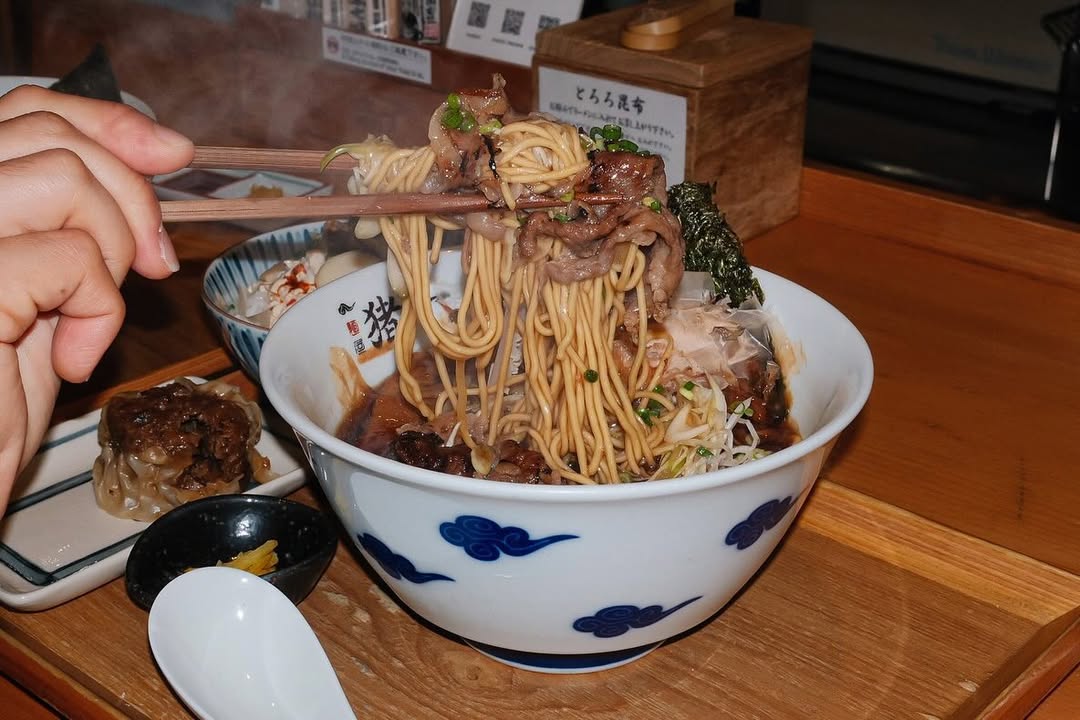
- Reddit's single most-recommended ramen in Kyoto — and for good reason. The dashi-forward approach is uniquely Kyoto: delicate, refined, and deeply satisfying. The Hanare (離れ) branch next door does a darker, wagyu-topped version that's equally stunning. If you eat one bowl of ramen in Kyoto, make it this one.
- What to order
- The dashi with white soy sauce (白醤油) — a refined, light broth with beautiful katsuobushi aroma. Add the egg. The Hanare branch serves a darker soy version with wagyu.
- Reservation
- Usually not needed
🕐 Closed now
2Gion Duck Noodles (祇園 鴨そば)
Duck RamenQuick comparison
- Best for
- Duck Ramen in Gion with a ¥1,000–¥1,500 spend range
- Strengths
- 4.3★ from 1,725 Google reviews · Duck Ramen · Gion
- Limitations
- Price band: ¥1,000–¥1,500
- Price / value
- ¥1,000–¥1,500 · 4.3★
- Why it made the list
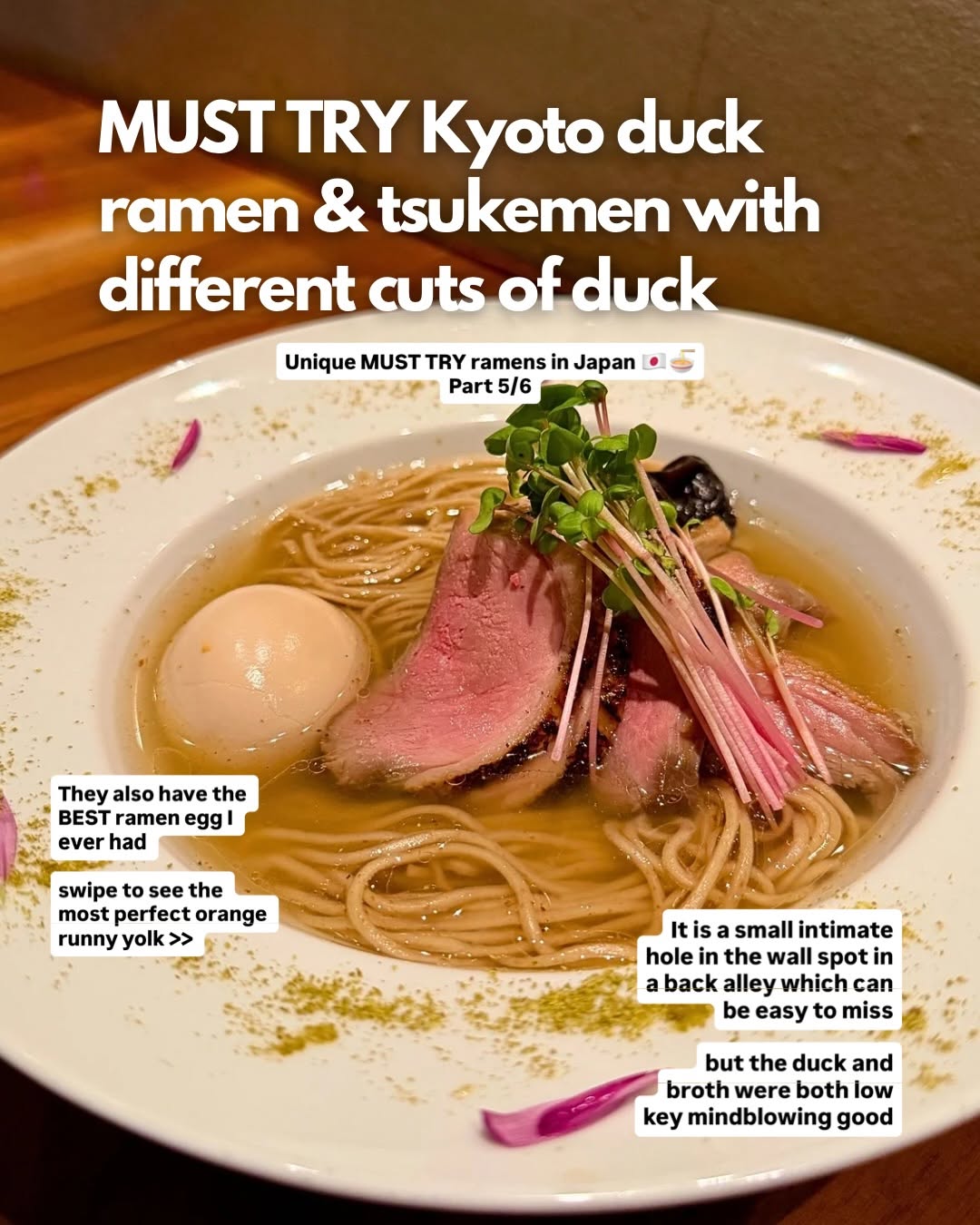
- One of the most unique ramen experiences in all of Japan. The duck broth is rich yet clean, and the sliced duck breast is perfectly cooked. Multiple posts on r/ramen with 100+ upvotes. Located right in Gion, making it an easy add to any Kyoto sightseeing day. Expect a queue.
- What to order
- The duck soba — rich, clear duck broth with tender sliced duck breast. A completely unique bowl you won't find in Tokyo.
- Reservation
- Usually not needed
🕐 Closed now
3Menya Gokkei (麺屋 極鶏)
Ultra-Thick ChickenQuick comparison
- Best for
- Ultra-Thick Chicken in Ichijoji Ramen Alley with a ¥900–¥1,300 spend range
- Strengths
- 4★ from 2,792 Google reviews · Ultra-Thick Chicken · Ichijoji Ramen Alley
- Limitations
- Polarizing — some call it genius, others find it overwhelming
- Price / value
- ¥900–¥1,300 · 4★
- Why it made the list
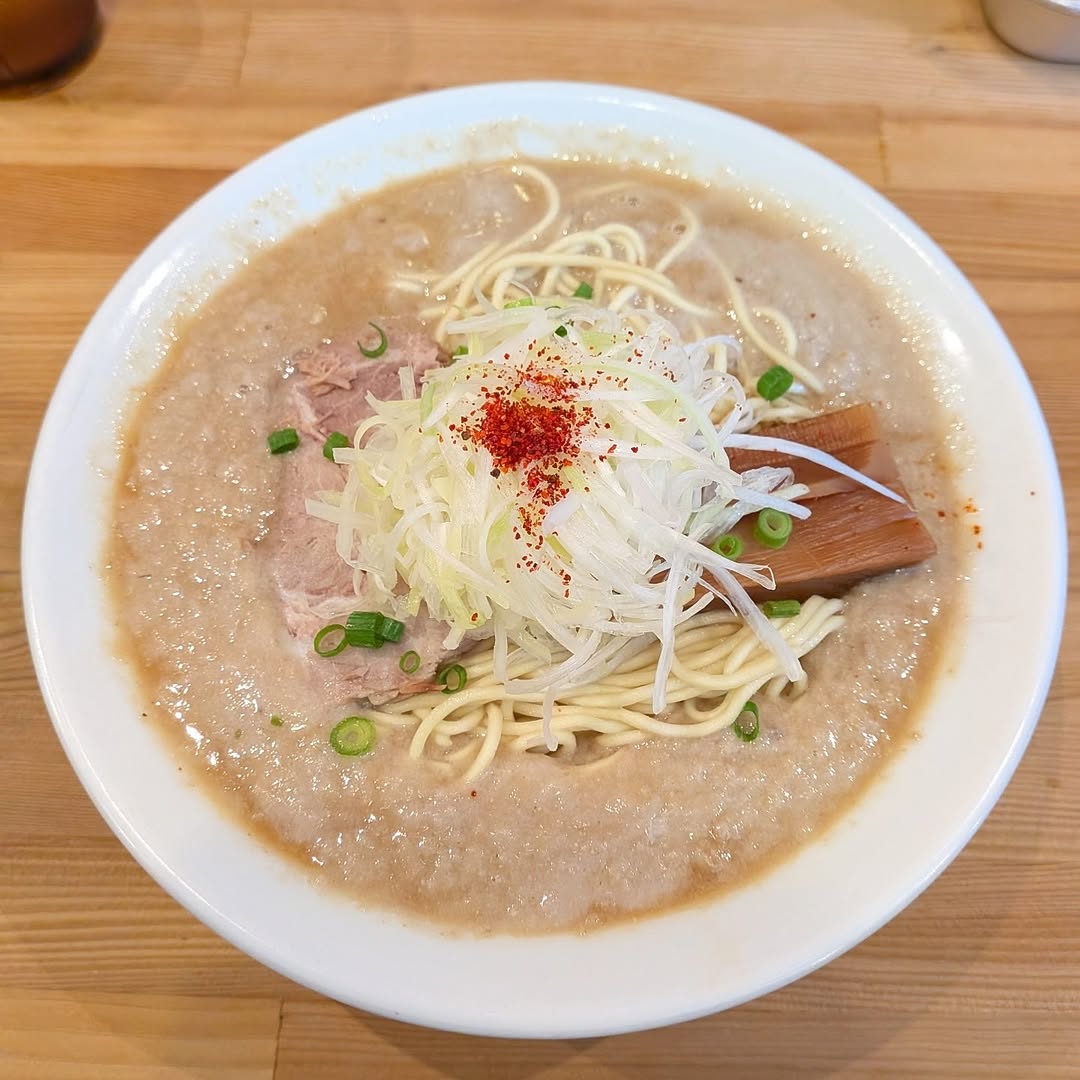
- Gokkei's broth is so thick your spoon stands up in it. Polarizing — some call it genius, others find it overwhelming. But there's nothing else like it in Japan. An Ichijoji resident calls it one of their top picks out of 23 shops they've tried. Go hungry.
- What to order
- The tori (chicken) ramen — impossibly thick chicken broth that's more like a purée. This is not for the faint of heart. Extremely filling.
🕐 Closed now
4Takayasu (高安)
Beef-Pork BlendQuick comparison
- Best for
- Beef-Pork Blend in Ichijoji Ramen Alley with a ¥900–¥1,200 spend range
- Strengths
- 4.1★ from 2,429 Google reviews · Beef-Pork Blend · Ichijoji Ramen Alley
- Limitations
- Price band: ¥900–¥1,200
- Price / value
- ¥900–¥1,200 · 4.1★
- Why it made the list
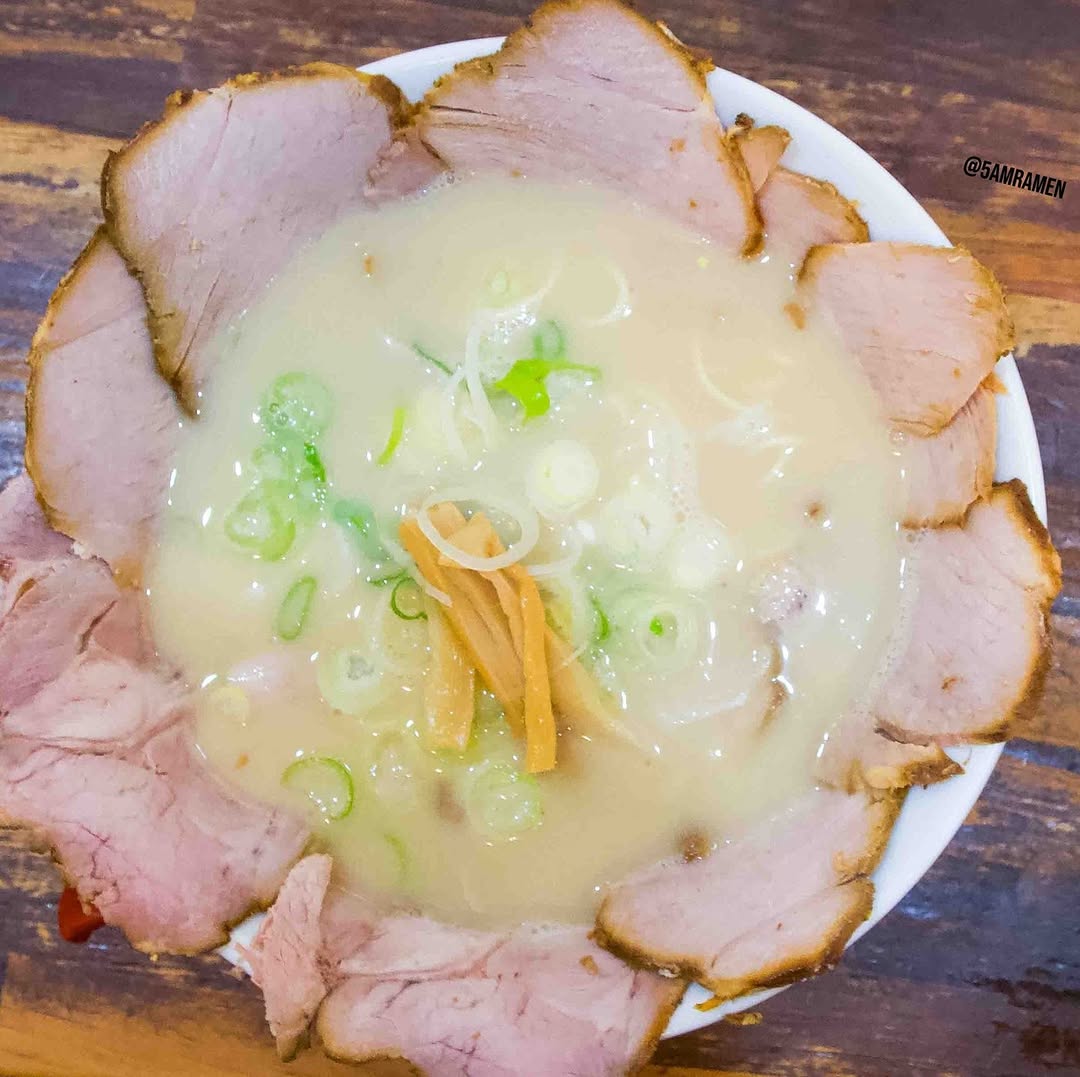
- The beef-pork double broth is a unique Ichijoji creation — deep, savory, and incredibly satisfying. Their karaage is legendarily huge. One of the most approachable shops on ramen alley for newcomers. Consistently recommended by both locals and tourists.
- What to order
- The combined beef and pork broth ramen — the signature dish. Also famous for their karaage (fried chicken) which is enormous.
🕐 Closed now
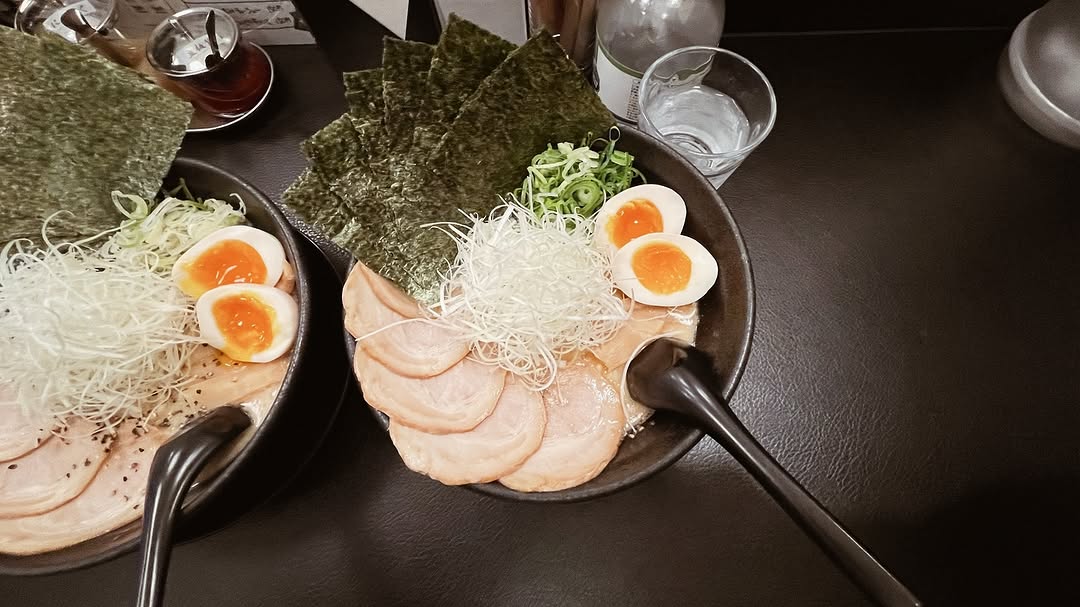
5Arajin (あらじん)
Tonkotsu MisoQuick comparison
- Best for
- Tonkotsu Miso in Ichijoji Ramen Alley with a ¥850–¥1,200 spend range
- Strengths
- 4.4★ from 357 Google reviews · Tonkotsu Miso · Ichijoji Ramen Alley
- Limitations
- Price band: ¥850–¥1,200
- Price / value
- ¥850–¥1,200 · 4.4★
- Why it made the list
- If you're craving a rich, hearty miso tonkotsu in Kyoto, Arajin is the answer. Named the "best tonkotsu miso" by an Ichijoji local who's tried them all. The miso adds a sweet, fermented depth that balances the pork bone richness perfectly.
- What to order
- The miso tonkotsu ramen — rich, deeply flavored, with excellent toppings. Get the full toppings set.
🕐 Closed now
6Menbaka Fire Ramen (めん馬鹿)
🔥 Fire RamenQuick comparison
- Best for
- 🔥 Fire Ramen in Nakagyo-ku (near Nishiki Market) with a ¥900–¥1,200 spend range
- Strengths
- 4.2★ from 4,104 Google reviews · Known for vegetarian options · 🔥 Fire Ramen
- Limitations
- here's the thing: the ramen underneath is actually good
- Price / value
- ¥900–¥1,200 · 4.2★
- Why it made the list
- Yes, they literally set your ramen on fire — and yes, it's a spectacle. But here's the thing: the ramen underneath is actually good. The flame chars the green onion oil, adding real smoky depth. It's equal parts entertainment and genuine deliciousness. Photos are mandatory.
- What to order
- The fire ramen (ファイヤーラーメン) — green onion oil is set ablaze tableside, creating a dramatic pillar of flame over your bowl. The charred green onion adds real smoky flavor.
🕐 Closed now
7Musoshin (夢想庵)
Shoyu RamenQuick comparison
- Best for
- Shoyu Ramen in Gion with a ¥850–¥1,100 spend range
- Strengths
- 4.3★ from 1,797 Google reviews · Shoyu Ramen · Gion
- Limitations
- Price band: ¥850–¥1,100
- Price / value
- ¥850–¥1,100 · 4.3★
- Why it made the list
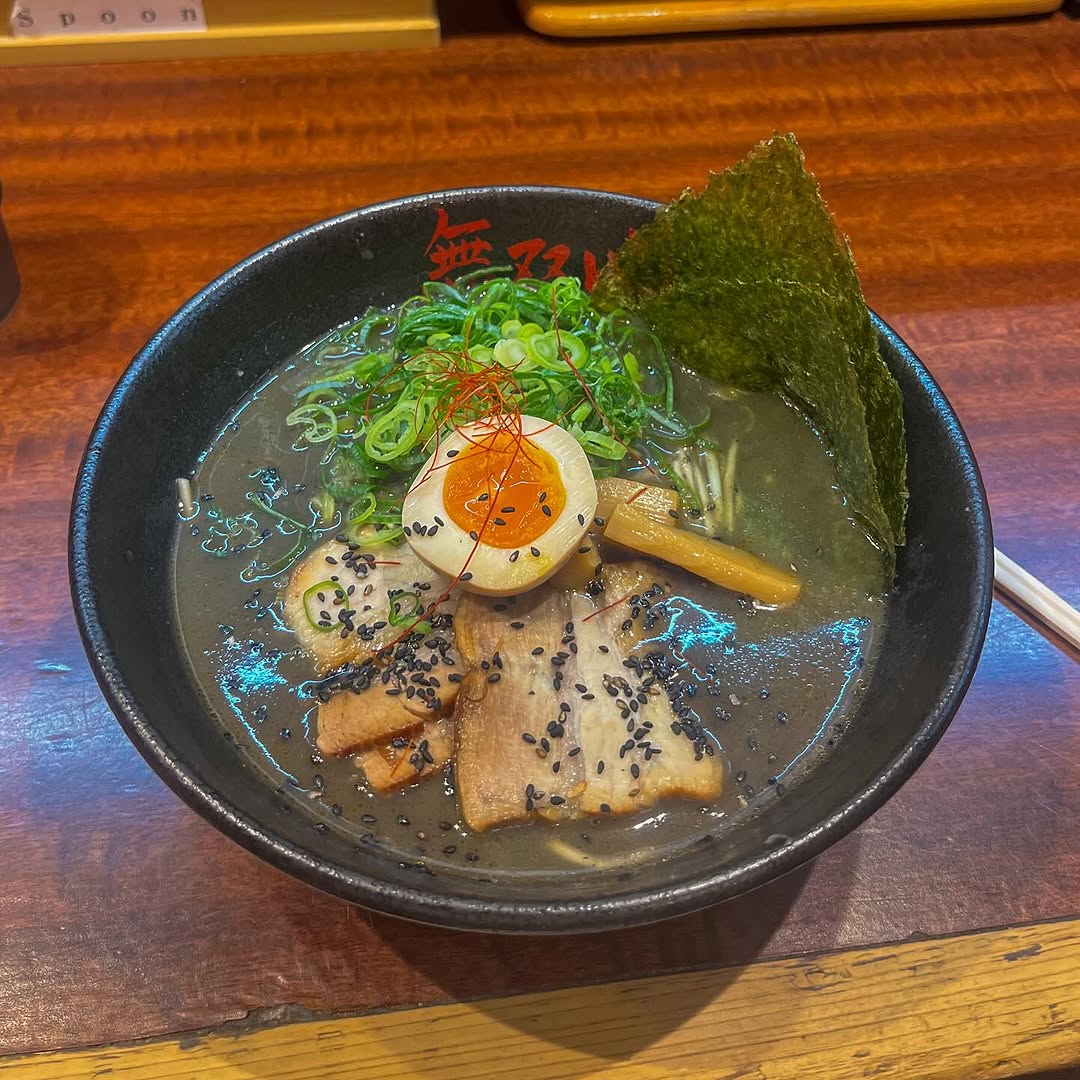
- A Kyoto resident's "go-to for years" — the ultimate endorsement. Tucked in Gion, Musoshin serves honest, well-crafted shoyu ramen without gimmicks. Perfect for when you want a quality bowl near the sightseeing heart of the city.
- What to order
- Their house shoyu ramen — clean, balanced, deeply savory. A perfect no-frills bowl in the heart of Gion.
🕐 Closed now
8Ramen Sen-no-Kaze (ラーメン 千の風)
Shoyu RamenQuick comparison
- Best for
- Shoyu Ramen in Central Kyoto with a ¥850–¥1,100 spend range
- Strengths
- 4.2★ from 2,644 Google reviews · Shoyu Ramen · Central Kyoto
- Limitations
- Price band: ¥850–¥1,100
- Price / value
- ¥850–¥1,100 · 4.2★
- Why it made the list
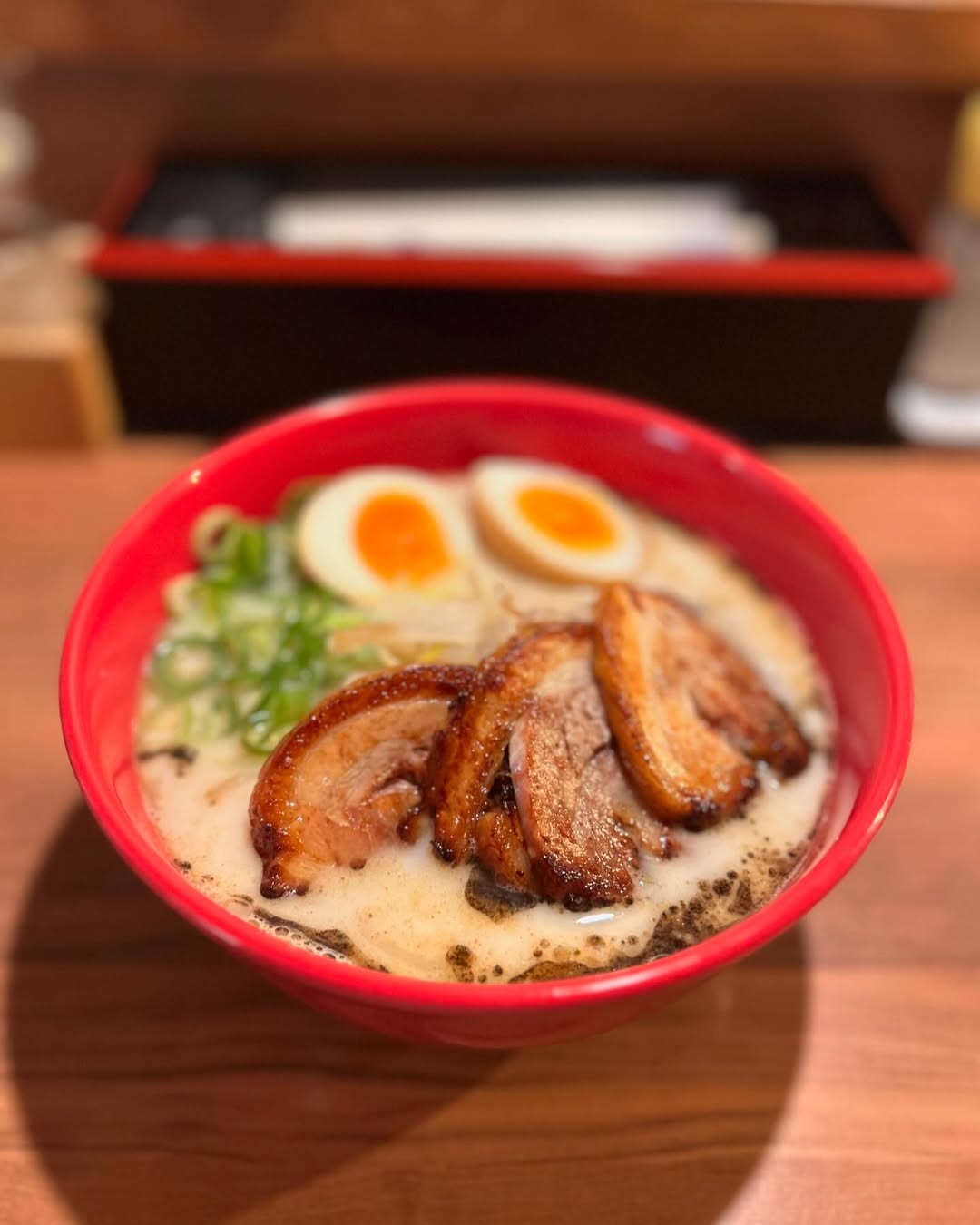
- When multiple Reddit posts are titled "best ramen I've ever had," you pay attention. Sen-no-Kaze delivers a refined, well-balanced bowl that doesn't rely on extremes — just excellent fundamentals executed perfectly. A sleeper pick that serious ramen fans seek out.
- What to order
- Their signature ramen — a beautifully balanced bowl that regularly inspires "best ramen I've ever had" posts on Reddit.
- Reservation
- Usually not needed
🕐 Closed now
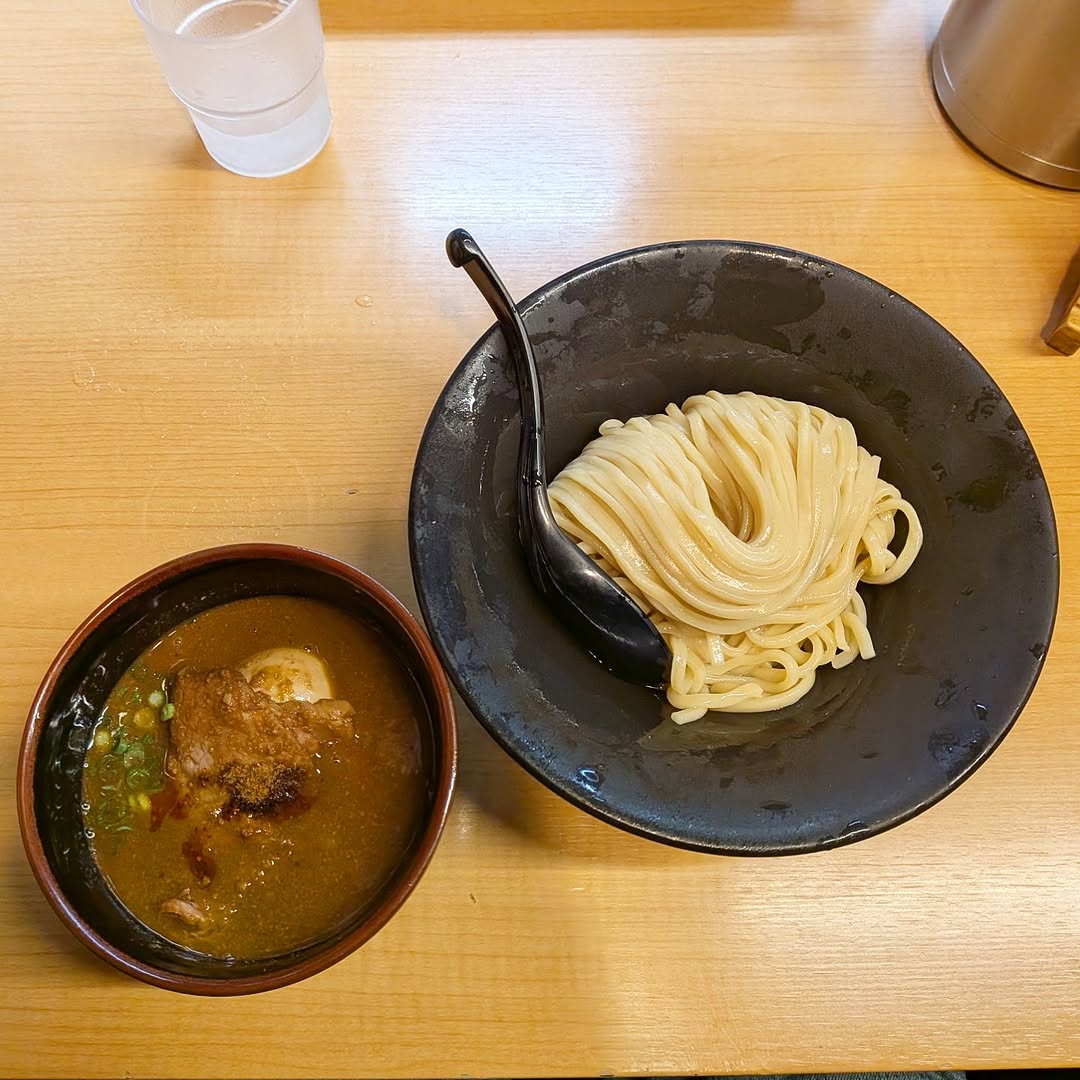
9Ginjo Ramen Kubota (吟醸らーめん 久保田)
TsukemenQuick comparison
- Best for
- Tsukemen in Central Kyoto with a ¥900–¥1,300 spend range
- Strengths
- 4.4★ from 3,092 Google reviews · Tsukemen · Central Kyoto
- Limitations
- Price band: ¥900–¥1,300
- Price / value
- ¥900–¥1,300 · 4.4★
- Why it made the list
- A back-alley tsukemen spot with an emoji-only menu — peak Kyoto quirkiness. The thick, chewy noodles paired with an intensely concentrated dipping broth make this a standout. The "everyone is confused equally" menu is part of the charm.
- What to order
- The tsukemen (dipping noodles) — thick, chewy noodles dipped into a concentrated broth. The menu only has emojis, making ordering an adventure for everyone.
🕐 Closed now
10Tenkaippin Honten (天下一品 本店)
Chicken KotteriQuick comparison
- Best for
- Chicken Kotteri in Ichijoji with a ¥700–¥1,000 spend range
- Strengths
- 4.2★ from 3,785 Google reviews · Chicken Kotteri · Ichijoji
- Limitations
- the honten (original shop) in Ichijoji is where it all started, and many say the broth is better here
- Price / value
- ¥700–¥1,000 · 4.2★
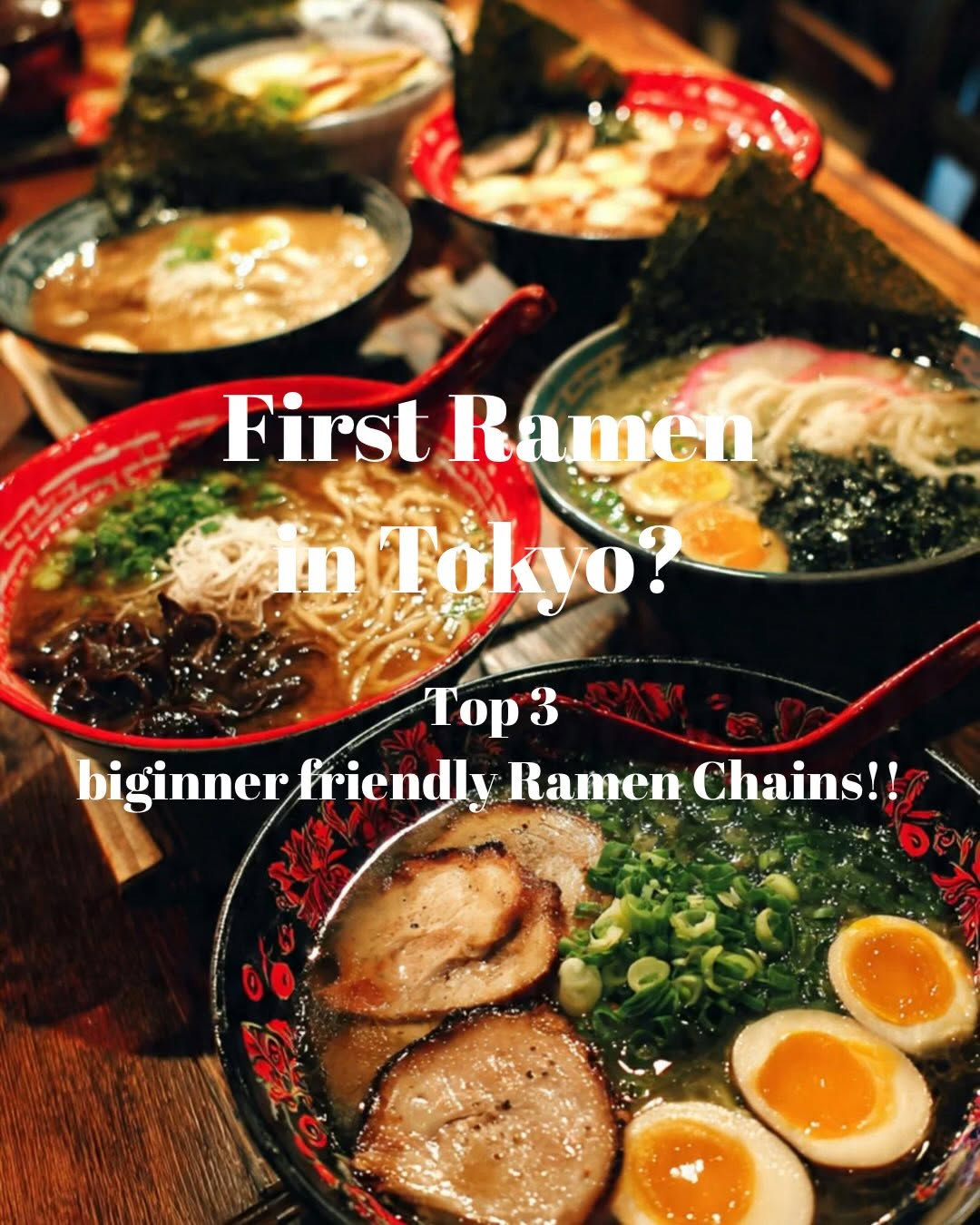
- Why it made the list
- The OG of Kyoto ramen — Tenkaippin literally invented the thick chicken kotteri style that's now a nationwide chain. But the honten (original shop) in Ichijoji is where it all started, and many say the broth is better here. At ¥700, it's also the best value on this list. A must-visit for ramen history alone.
- What to order
- The kotteri (こってり) — their thick, creamy chicken broth that defined an entire genre. Order it "kotteri" for the thick version, never "assari" (that's the light version — pointless here).
🕐 Closed now
11Shinpuku Saikan (新福菜館)
Classic Chuka SobaQuick comparison
- Best for
- Classic Chuka Soba in Kyoto Station area with a ¥600–¥900 spend range
- Strengths
- 4★ from 4,505 Google reviews · Classic Chuka Soba · Kyoto Station area
- Limitations
- a revelation to the palate — far less salty than it looks
- Price / value
- ¥600–¥900 · 4★
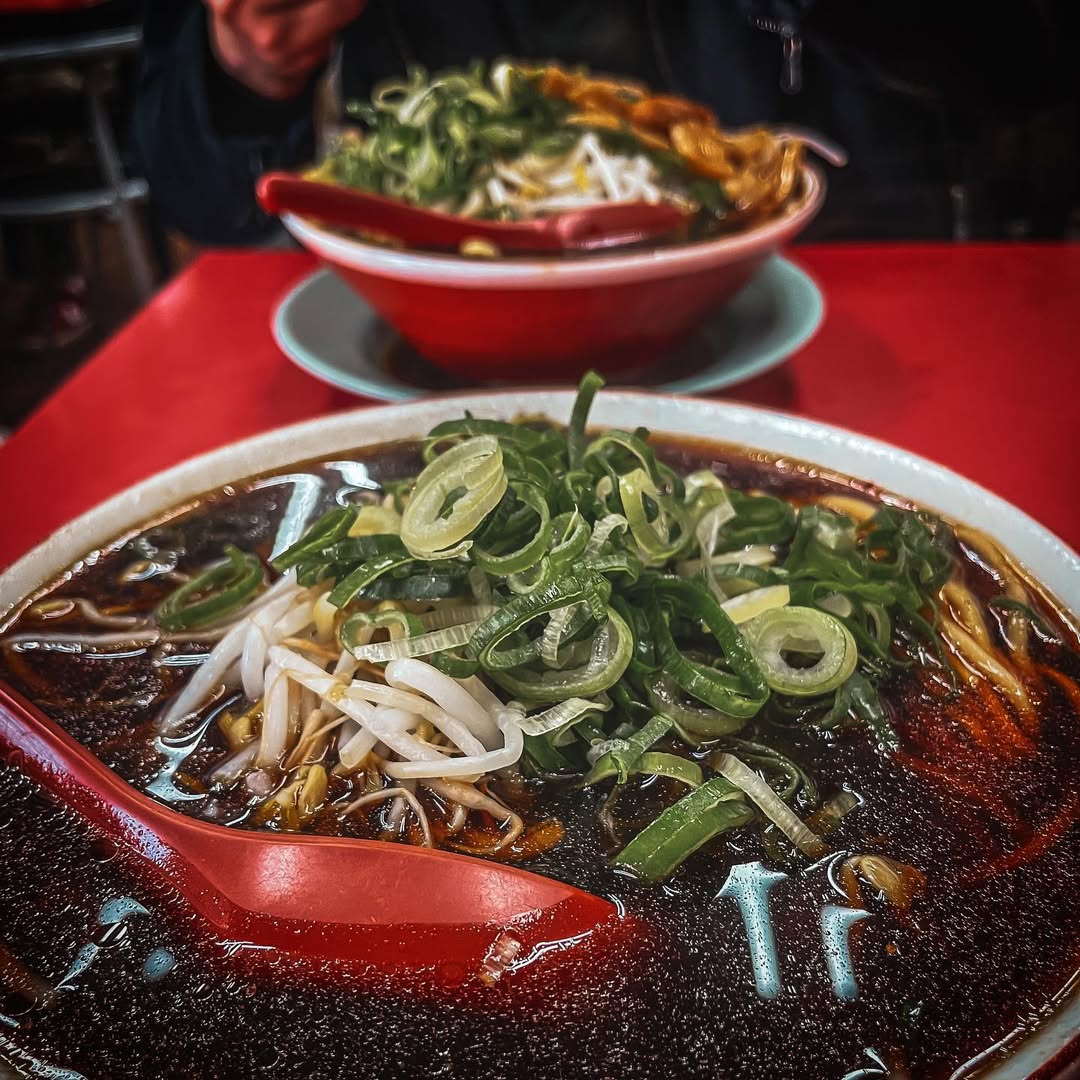
- Why it made the list
- Operating since 1938, Shinpuku Saikan is Kyoto's most historic ramen shop. The jet-black soy broth is a shock to the eyes but a revelation to the palate — far less salty than it looks. Located right next to the equally famous Dai-ichi Asahi near Kyoto Station. Get both and compare — that's the local tradition.
- What to order
- The chuka soba — an ink-dark soy sauce broth that looks terrifying but tastes deeply savory. Pair with their famous yakimeshi (fried rice) — also jet-black.
- Reservation
- Usually not needed
🕐 Closed now
12Ichiryu Manbai (一柳万倍)
New-Wave ShoyuQuick comparison
- Best for
- New-Wave Shoyu in Kawaramachi with a ¥900–¥1,200 spend range
- Strengths
- 4.2★ from 1,383 Google reviews · New-Wave Shoyu · Kawaramachi
- Limitations
- Price band: ¥900–¥1,200
- Price / value
- ¥900–¥1,200 · 4.2★
- Why it made the list
- The best late-night ramen in Kyoto — open until 3 AM with genuinely excellent shoyu ramen. After a night of bar-hopping in Kiyamachi or Pontocho, this is where you end up. "New wave" shoyu means cleaner, more refined flavors — think craft cocktail vibes applied to ramen.
- What to order
- Their shoyu ramen — a refined, modern take on the classic. Open until 3 AM, making it the perfect late-night bowl after exploring Gion or Pontocho.
- Reservation
- Usually not needed
🕐 Closed now
Planning Your Kyoto Ramen Visit
Navigating Ichijoji Ramen Alley
Kyoto's Ichijoji neighborhood is a ramen mecca, home to several top picks like Menya Gokkei, Takayasu, and Tenkaippin Honten. Plan to visit multiple spots for a ramen crawl, but be prepared for queues, especially during peak lunch and dinner times.
Ordering Like a Local: Vending Machines
Many ramen shops in Kyoto use ticket vending machines (食券機, shokkenki) to place your order. Simply select your ramen and any toppings, pay with cash (coins and ¥1000 notes are common), and hand your ticket to the staff. Don't worry if you don't read Japanese; most machines have pictures or English buttons.
Timing Your Visit to Beat the Crowds
Popular spots, especially those near tourist hubs like Menbaka Fire Ramen or Menya Inoichi, can have long lines. Aim to visit just before opening, between 2 PM and 5 PM for a late lunch/early dinner, or after 8 PM to avoid the heaviest crowds. Some places like Ichiryu Manbai are also great for late-night dining.
Cash is King (Mostly)
While larger establishments might accept credit cards, many smaller, traditional ramen shops (including some on this list) are cash-only. Always carry enough Japanese Yen, especially for quick meals at places like Shinpuku Saikan or during a ramen alley hop in Ichijoji.
Ramen Etiquette: Slurp Away!
Don't be shy about slurping your noodles – it's a sign of enjoyment in Japan! Eat quickly and efficiently, as ramen is often considered a fast food. It's also customary to finish all your broth if you enjoyed it, but it's not strictly mandatory.
Frequently Asked Questions
Is Kyoto good for ramen?
Absolutely. Kyoto has its own distinct ramen identity centered around Ichijoji — a neighborhood north of the city center known as 'ramen alley' with 20+ shops in a few blocks. Kyoto-style ramen traditionally features a rich chicken broth (Tenkaippin being the most famous example), but modern shops span every style from dashi-forward to miso tonkotsu to duck ramen.
What is Ichijoji ramen alley?
Ichijoji (一乗寺) is a neighborhood around Ichijoji Station on the Eizan Railway, about 20 minutes north of central Kyoto. It has the highest concentration of ramen shops in the city — roughly 20-25 shops within walking distance. Local favorites include Menya Gokkei (ultra-thick chicken), Takayasu (beef-pork blend), and Arajin (miso tonkotsu).
What is Kyoto-style ramen?
Traditional Kyoto-style ramen is characterized by a thick, creamy chicken broth — Tenkaippin (founded in Kyoto) is the most iconic example. However, modern Kyoto ramen has diversified enormously. You'll find dashi-forward shoyu styles, duck broth, and creative fusion bowls alongside the classic chicken kotteri.
When is the best time to eat ramen in Kyoto?
For popular shops, arrive right at opening (usually 11:00 or 11:30 AM) to minimize waits. Ichijoji shops tend to be less crowded at lunch on weekdays. Some central Kyoto shops like Ichiryu Manbai are open until 3 AM — perfect for late-night bowls after exploring Gion.
What kind of ramen is Kyoto most famous for?
Kyoto is particularly known for its rich, often chicken-based broths, with the 'kotteri' (thick) style being a signature, famously pioneered by Tenkaippin Honten. You'll also find excellent shoyu (soy sauce) based ramen, as seen at Menya Inoichi, and historic Chuka Soba from places like Shinpuku Saikan.
Is Ichijoji Ramen Alley worth visiting in Kyoto?
Absolutely! Ichijoji Ramen Alley is a must-visit for any ramen lover. It's a concentrated hub of diverse and highly-rated ramen shops, including unique experiences like the ultra-thick broth at Menya Gokkei and the legendary original kotteri at Tenkaippin Honten. Plan to spend a few hours exploring the different flavors.
Where can I find unique or experiential ramen in Kyoto?
For an unforgettable spectacle, Menbaka Fire Ramen offers a dramatic fiery presentation with your meal. If you're looking for an innovative flavor profile, Gion Duck Noodles provides a refined duck ramen experience. And for a taste of Kyoto's quirkiness, Ginjo Ramen Kubota is a hidden tsukemen gem with an emoji-only menu.
What is Tsukemen, and where can I try it in Kyoto?
Tsukemen is a 'dipping ramen' where the noodles are served separately from a highly concentrated, flavorful broth. You dip the cold or room-temperature noodles into the hot, rich broth before eating. To try excellent tsukemen in Kyoto, head to Ginjo Ramen Kubota, a local favorite known for its rich dipping broth and chewy noodles.
Are there good ramen options near Kyoto Station?
Yes, there are several excellent ramen shops conveniently located near Kyoto Station. The most iconic is Shinpuku Saikan, serving its classic Chuka Soba since 1938 and just a short walk away. You can also find other reliable options in the surrounding area for a quick and satisfying meal before or after your train journey.
Which ramen spot is considered a local favorite or hidden gem in Kyoto?
While many on this list are popular, Musoshin in Gion stands out as a Kyoto resident's long-standing 'go-to' for shoyu ramen, indicating a deep local endorsement. Additionally, Arajin, though highly rated, is less tourist-heavy than some of its Ichijoji neighbors, offering a fantastic tonkotsu miso.
🎟️ Book Kyoto Experiences
Tours and activities hand-picked for this guide — book with free cancellation
Experiences via Viator — free cancellation on most tours