Quick answer
Gyeongju's temple food scene ranges from ₩10,000 to ₩80,000, with Hyangjeokwon being a top recommendation for its authentic temple food set meal. This culinary tradition thrives in Gyeongju due to its history as the capital of the Buddhist Silla dynasty, offering a unique taste of Korean Buddhist cuisine practiced for over a thousand years.
- Best overall
- Golgulsa Temple Stay (골굴사 템플스테이)
- Price/value range
- ₩15,000 – ₩20,000/meal (temple food)
- Top-ranked pick
- Hyangjeokwon (향적원) — ₩15,000–₩25,000/set — 3.9★ (106 reviews)
- Last verified
- 2026-03
Top verdicts
- Hyangjeokwon (향적원): The most accessible introduction to temple food in Gyeongju.
- Yeonhwa Baru (연화바루): The surprise hit — even meat lovers rave about this place.
- Ssukbu Jaengi (쑥부쟁이): If Hyangjeokwon is the classic temple food experience, Ssukbu Jaengi is the elevated, artistic version.
Gyeongju's temple food scene ranges from ₩10,000 to ₩80,000, with Hyangjeokwon being a top recommendation for its authentic temple food set meal. This culinary tradition thrives in Gyeongju due to its history as the capital of the Buddhist Silla dynasty, offering a unique taste of Korean Buddhist cuisine practiced for over a thousand years.
Gyeongju isn't just a museum without walls — it's where Korean Buddhist cuisine has been practiced continuously for over a thousand years. As the capital of the deeply Buddhist Silla dynasty, this city cultivated a tradition of temple food (사찰음식) that still thrives today in restaurants, monasteries, and temple stays across the region.
Temple food strips away everything you think you need — meat, garlic, onions — and somehow delivers some of the most nuanced, flavorful meals you'll eat in Korea. Around 25 different dishes per sitting, each one made from seasonal vegetables, wild mountain herbs, and fermented ingredients. Even self-proclaimed meat lovers consistently come away impressed. We dug through Reddit trip reports, Eater's Gyeongju guide, and travel blogs to find the spots that deliver the most authentic temple food experiences.
Temple Food Map
How we built this list
We analyzed Reddit posts across r/koreatravel, r/korea, r/KoreanFood, and r/vegan, plus guides from Eater, Visit Korea, travel blogs, and temple stay program reviews. The list includes dedicated temple food restaurants, vegetarian-forward dining, and immersive temple stay experiences with monastic meals. Each spot was verified through multiple independent sources.
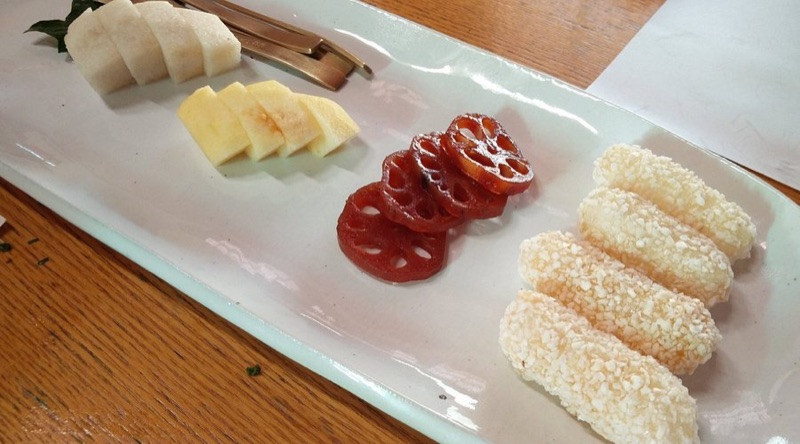
1Hyangjeokwon (향적원)
Temple Food RestaurantQuick comparison
- Best for
- Temple Food Restaurant in 131 Bulguk-ro, near Bulguksa Temple with a ₩15,000–₩25,000/set spend range
- Strengths
- 3.9★ from 106 Google reviews · Temple Food Restaurant · 131 Bulguk-ro, near Bulguksa Temple
- Limitations
- Price band: ₩15,000–₩25,000/set
- Price / value
- ₩15,000–₩25,000/set · 3.9★
- Why it made the list
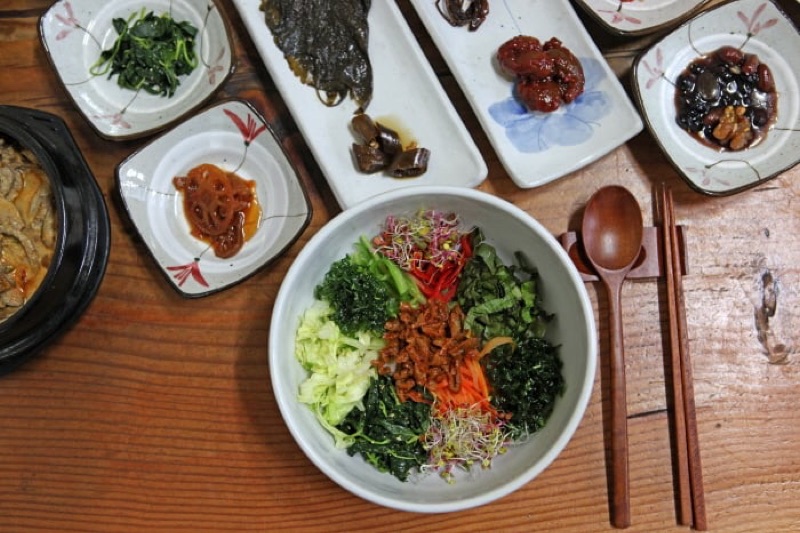
- The most accessible introduction to temple food in Gyeongju. Located right on the road from Bulguksa Temple, it's the natural post-temple lunch stop. The food follows strict Buddhist principles — no meat, no pungent vegetables — yet the flavors are remarkably layered. Featured in Eater's essential Gyeongju restaurants guide. Pair this with a morning visit to Bulguksa for the full experience.
2Yeonhwa Baru (연화바루)
Vegan Temple FoodQuick comparison
- Best for
- Vegan Temple Food in Near Bulguksa area, Gyeongju with a ₩12,000–₩22,000/set spend range
- Strengths
- 4.2★ from 172 Google reviews · Known for vegetarian options · Vegan Temple Food
- Limitations
- Price band: ₩12,000–₩22,000/set
- Price / value
- ₩12,000–₩22,000/set · 4.2★
- Why it made the list
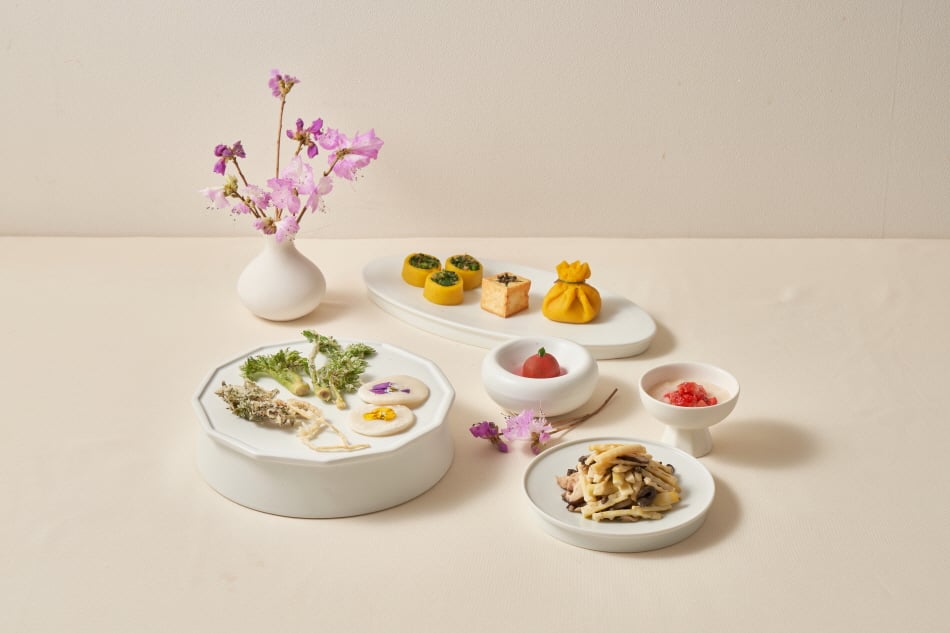
- The surprise hit — even meat lovers rave about this place. The sheer variety is what gets people: dish after dish of uniquely flavored vegetables, each prepared differently, building into a meal that's somehow both light and deeply satisfying. The "I'm a meat lover but..." endorsement is the strongest compliment temple food can get.
🕐 Closed now
3Ssukbu Jaengi (쑥부쟁이)
Vegetarian FeastQuick comparison
- Best for
- Vegetarian Feast in 585-5 Ha-dong, Gyeongju with a ₩15,000–₩30,000/set spend range
- Strengths
- Known for vegetarian options · Vegetarian Feast · 585-5 Ha-dong, Gyeongju
- Limitations
- Price band: ₩15,000–₩30,000/set
- Price / value
- ₩15,000–₩30,000/set
- Why it made the list
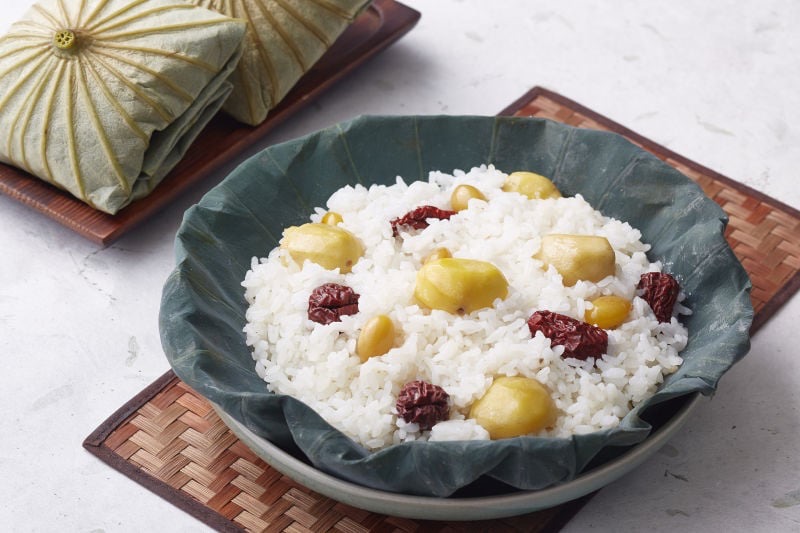
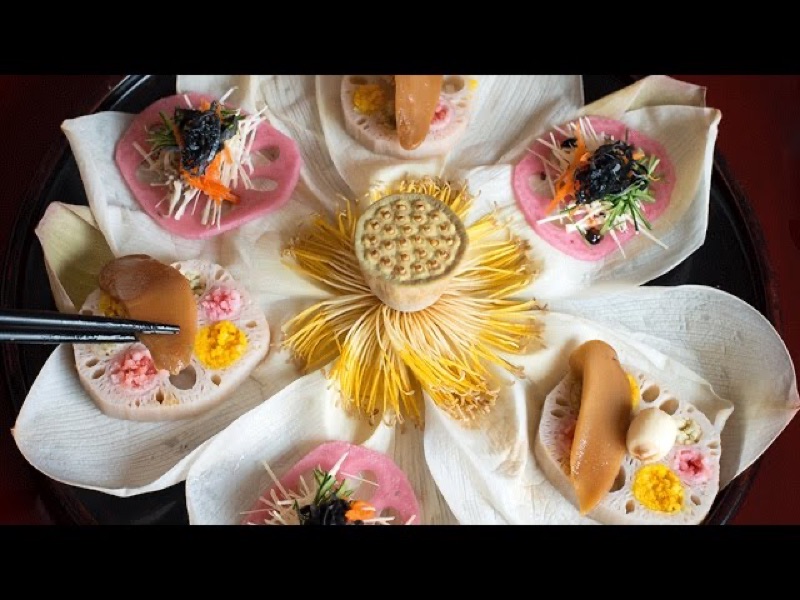
- If Hyangjeokwon is the classic temple food experience, Ssukbu Jaengi is the elevated, artistic version. The renovated hanok setting — teapots on walls, rice paddies through the window — creates a dining atmosphere that feels almost ceremonial. The lotus leaf rice alone is worth the visit. One of Eater's essential Gyeongju picks.
4Surime (수리메)
Silla Royal CuisineQuick comparison
- Best for
- Silla Royal Cuisine in 110-32 Poseok-ro, Naenam-myeon with a ₩15,000–₩50,000/set spend range
- Strengths
- 4.2★ from 124 Google reviews · Silla Royal Cuisine · 110-32 Poseok-ro, Naenam-myeon
- Limitations
- deeply connected to the same culinary philosophy — seasonal, local, fermented, and deeply intentional
- Price / value
- ₩15,000–₩50,000/set · 4.2★
- Why it made the list
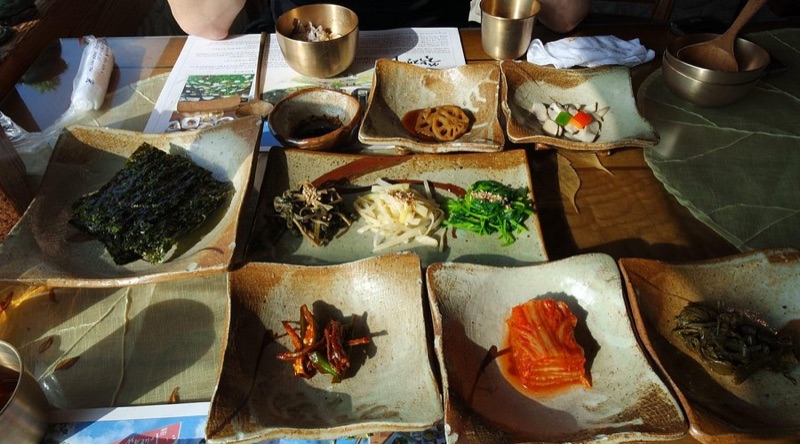
- Not strictly temple food, but deeply connected to the same culinary philosophy — seasonal, local, fermented, and deeply intentional. Surime serves Silla-era royal cuisine using historically accurate techniques, and the chef also offers cooking classes. The jangdok (fermenting pots) outside aren't decoration — they're the living pantry. Splurge for the full course at dinner; save with the simpler weekday lunch.
🕐 Closed now
5Dosol Maeul (도솔마을)
Traditional HomestyleQuick comparison
- Best for
- Traditional Homestyle in 8-13 Sonhyoja-gil, Hwangnam-dong with a ₩12,000–₩25,000/set spend range
- Strengths
- 3.6★ from 1,037 Google reviews · Traditional Homestyle · 8-13 Sonhyoja-gil, Hwangnam-dong
- Limitations
- a bridge between temple and home cooking
- Price / value
- ₩12,000–₩25,000/set · 3.6★
- Why it made the list
- Not a temple food restaurant per se, but a bridge between temple and home cooking. The hanok setting behind ancient stone walls, the garden patio, the vegetable-heavy banchan spread — it captures the spirit of temple cuisine while being accessible to everyone. Perfect for mixed groups where some want temple-style vegetarian and others want the option of meat. The ambience alone — eating in someone's family hanok — is unforgettable.
🕐 Closed now
6Bulguksa Temple Stay (불국사 템플스테이)
Temple Stay ExperienceQuick comparison
- Best for
- Temple Stay Experience in Bulguksa Temple, 385 Bulguk-ro with a ₩50,000–₩80,000/night (meals included) spend range
- Strengths
- 4.6★ from 17,500 Google reviews · Temple Stay Experience · Bulguksa Temple, 385 Bulguk-ro
- Limitations
- in a 1,300-year-old UNESCO World Heritage temple
- Price / value
- ₩50,000–₩80,000/night (meals included) · 4.6★
- Why it made the list
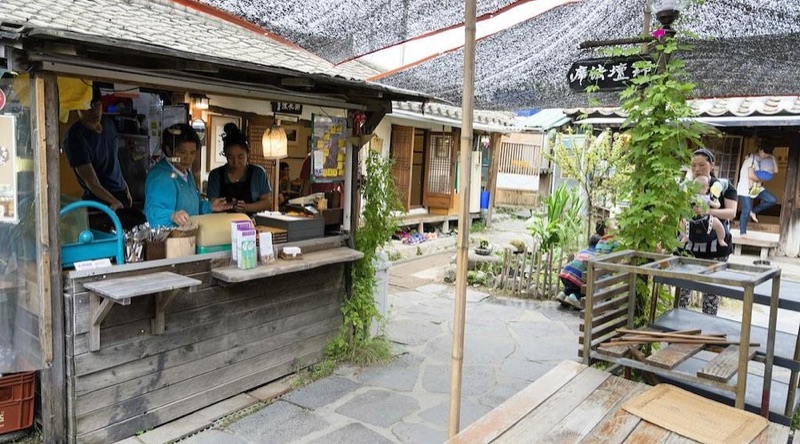
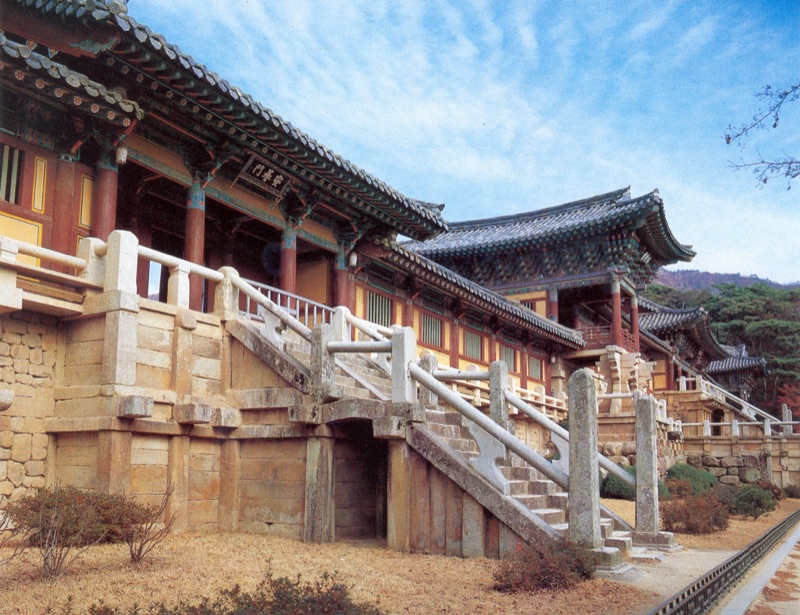
- The ultimate temple food experience — not in a restaurant, but in a 1,300-year-old UNESCO World Heritage temple. The barugongyang (formal bowl eating) practice transforms a simple vegetarian meal into something profoundly mindful. You eat in silence, waste nothing, and clean your own bowls. Book through the Temple Stay program website and go with an open mind. This isn't dinner — it's a practice.
🕐 Closed now
7Golgulsa Temple Stay (골굴사 템플스테이)
Temple Stay + SeonmudoQuick comparison
- Best for
- Temple Stay + Seonmudo in Golgulsa Temple, Gyeongju outskirts with a ₩50,000–₩70,000/night (meals included) spend range
- Strengths
- 4.2★ from 396 Google reviews · Temple Stay + Seonmudo · Golgulsa Temple, Gyeongju outskirts
- Limitations
- consistently well-reviewed on Reddit
- Price / value
- ₩50,000–₩70,000/night (meals included) · 4.2★
- Why it made the list
- If Bulguksa is the contemplative temple stay, Golgulsa is the active one. The Seonmudo martial arts practice adds a physical dimension — you earn your temple meals with sunrise training sessions. The cave temple setting carved into rock cliffs is visually stunning and historically unique. More remote than Bulguksa but consistently well-reviewed on Reddit. Choose Golgulsa if you want movement alongside your meditation.
🕐 Open now
9Tongdosa Temple Food (통도사 사찰음식)
Day Trip Temple ExperienceQuick comparison
- Best for
- Day Trip Temple Experience in Tongdosa Temple, Yangsan (45 min from Gyeongju) with a ₩10,000–₩20,000/meal (temple food) spend range
- Strengths
- 4.6★ from 6,199 Google reviews · Day Trip Temple Experience · Tongdosa Temple, Yangsan (45 min from Gyeongju)
- Limitations
- if you're serious about temple food, Tongdosa is the pilgrimage
- Price / value
- ₩10,000–₩20,000/meal (temple food) · 4.6★
- Why it made the list
- The bonus round — technically 45 minutes from Gyeongju in Yangsan, but if you're serious about temple food, Tongdosa is the pilgrimage. As one of Korea's Three Jewel Temples (representing the Buddha), it carries a gravity that smaller temples can't match. The temple food here connects to a centuries-old monastic community, and organized tours from both Gyeongju and Busan make it accessible. Best as a day trip combined with the pine forest walk.
🕐 Closed now
Frequently Asked Questions
What is Korean temple food?
Korean temple food (사찰음식, sachal eumsik) is the traditional vegetarian cuisine prepared by Buddhist monks. It avoids all meat, fish, eggs, and dairy, as well as the five pungent vegetables (garlic, onions, leeks, chives, and green onions) known as 'osinchae.' Dishes feature seasonal vegetables, wild herbs, fermented ingredients, and foraged mountain plants — resulting in surprisingly complex flavors from simple, clean ingredients.
Why is Gyeongju a great place to try temple food?
Gyeongju was the capital of the Silla Kingdom (57 BCE – 935 CE), one of Korea's most deeply Buddhist dynasties. The city is home to Bulguksa Temple (a UNESCO World Heritage Site), Seokguram Grotto, and dozens of other temples. This Buddhist heritage means Gyeongju has a living tradition of temple cuisine — restaurants near Bulguksa serve authentic temple food, and multiple temples offer overnight stays with monastic meals.
Is temple food suitable for vegans?
Yes — traditional temple food is entirely plant-based (vegan). It contains no meat, fish, eggs, or dairy. However, it also excludes garlic, onions, leeks, chives, and green onions, which Buddhist monks consider stimulating. Some modern temple-style restaurants may be slightly less strict, so confirm with the restaurant if you have specific dietary requirements.
How much does temple food cost in Gyeongju?
A temple food set meal (sachaljeongsik) typically costs ₩12,000–₩25,000 ($9–$19 USD) per person at restaurants, which includes rice, soup, and 10–25 different banchan (side dishes). Temple stays that include meals run ₩50,000–₩80,000 per night. Premium courses at places like Surime can reach ₩50,000+. For the quality and quantity of dishes served, temple food is excellent value.
Do I need to be Buddhist to eat temple food or do a temple stay?
Not at all. Temple food restaurants are open to everyone, and temple stay programs actively welcome visitors of all faiths and backgrounds. Many programs are specifically designed for tourists and include English-language support. You'll be expected to follow basic temple etiquette (silence during meals, eating everything on your plate), but no religious participation is required.
🎟️ Book Gyeongju Experiences
Tours and activities hand-picked for this guide — book with free cancellation
Experiences via Viator — free cancellation on most tours