Budapest sits on more than 120 natural thermal springs — more than any other capital city on Earth. The bathing tradition here stretches back 2,000 years to the Romans, was refined by the Ottomans in the 16th century, and reached its architectural peak in the Belle Époque era. This isn't spa tourism — it's a living, breathing part of daily life.
We analyzed hundreds of Reddit posts from r/budapest, r/travel, r/solotravel, and r/hungary to find the baths that actual locals and experienced travelers recommend beyond the Instagram clichés. From grand neo-baroque palaces to tiny neighborhood baths where pensioners play chess in the water — these are Budapest's best soaks.
We analyzed 150+ Reddit posts and 1,200+ comments across r/budapest, r/travel, r/solotravel, and r/hungary — spanning 2020 to 2026. Baths were ranked by how frequently they were recommended by independent users. We weighted local residents' picks more heavily than first-time visitor posts, and gave bonus points to baths praised for their unique character.
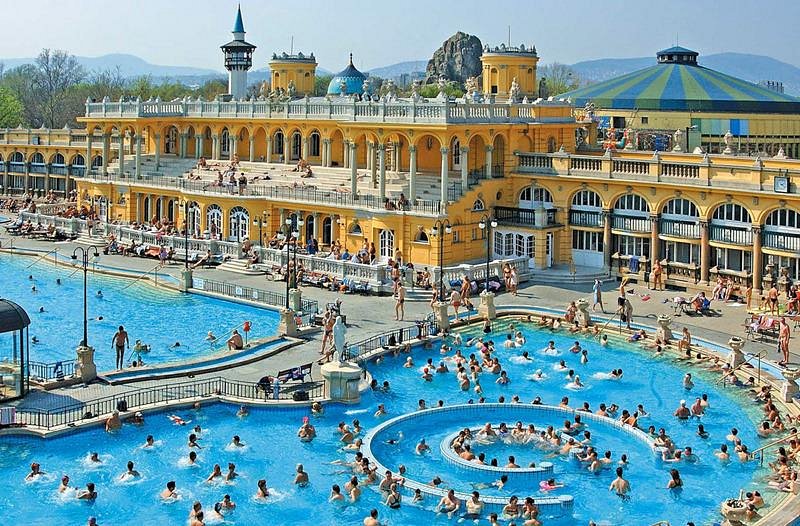
1Széchenyi Thermal Bath
2Gellért Thermal Bath
Art Nouveau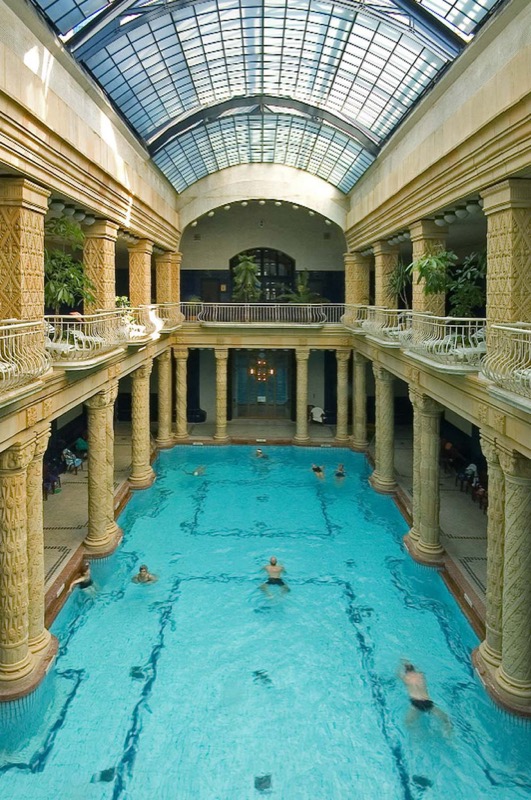
3Rudas Thermal Bath
Ottoman-Era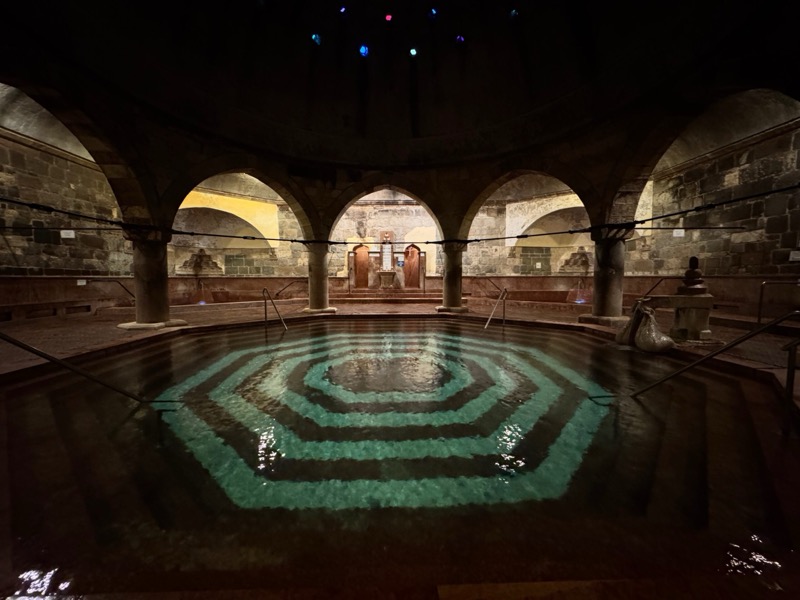
4Király Thermal Bath
Ottoman-Era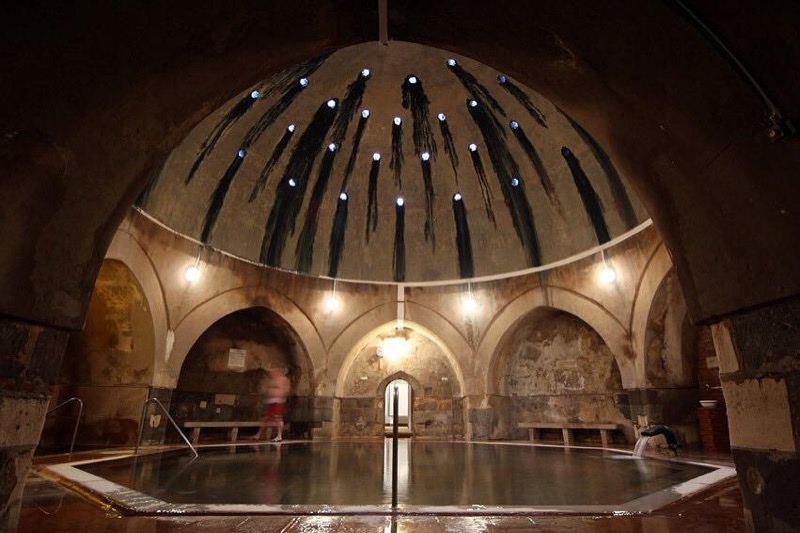
5Veli Bej Bath
Boutique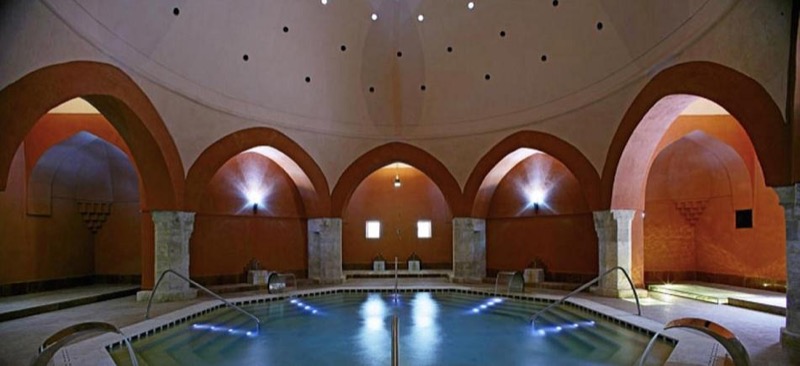
6Lukács Thermal Bath
Local Favorite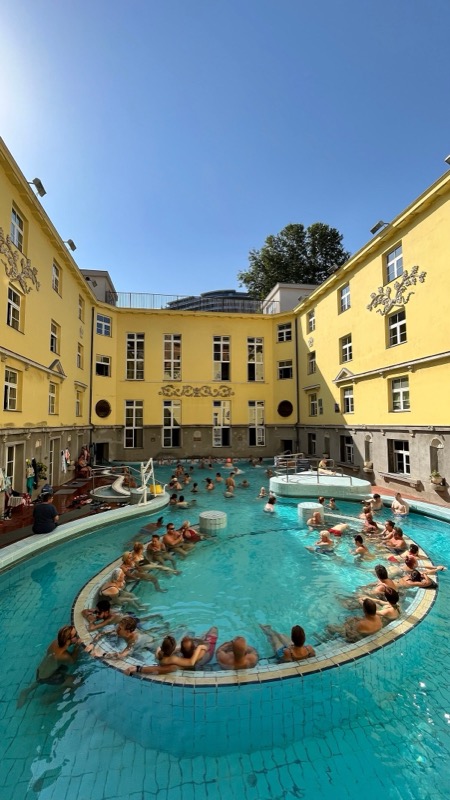
7Palatinus Strand
Outdoor / Summer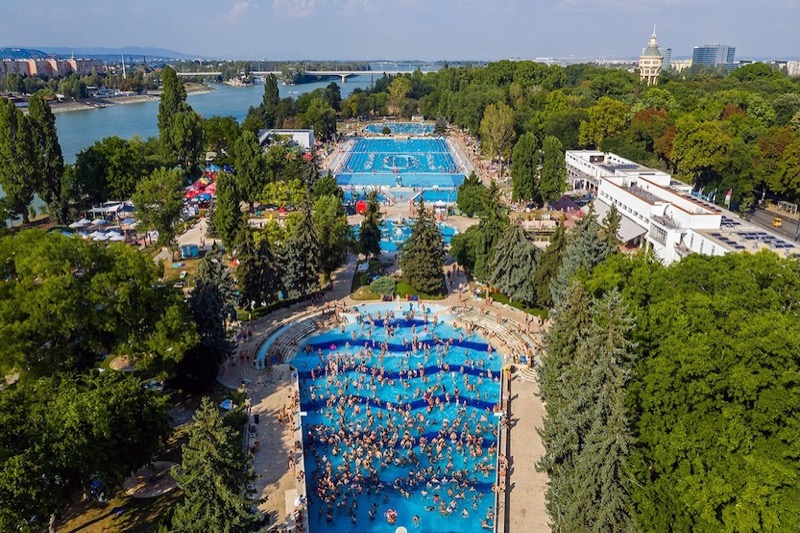
8Dandár Thermal Bath
Hidden Local Gem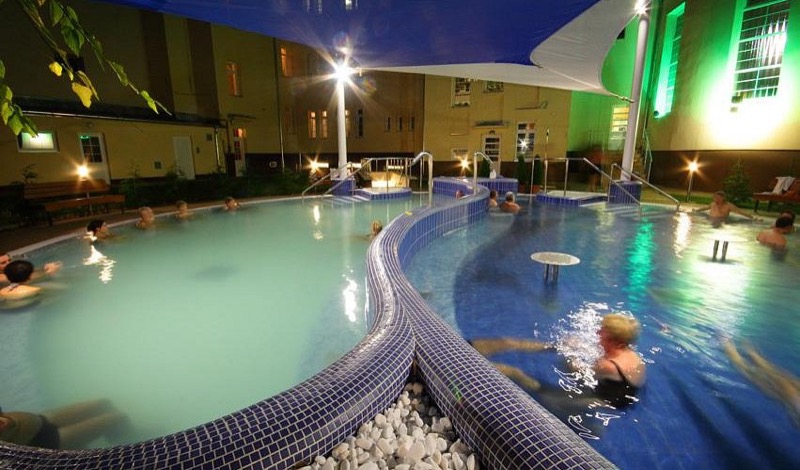
9Paskál Bath
Modern / Local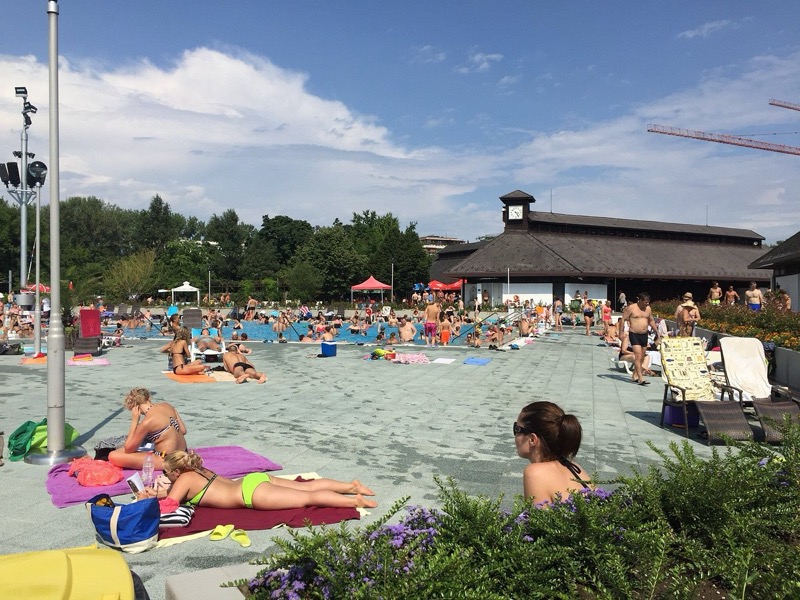
10Aquaworld Budapest
Family / Waterpark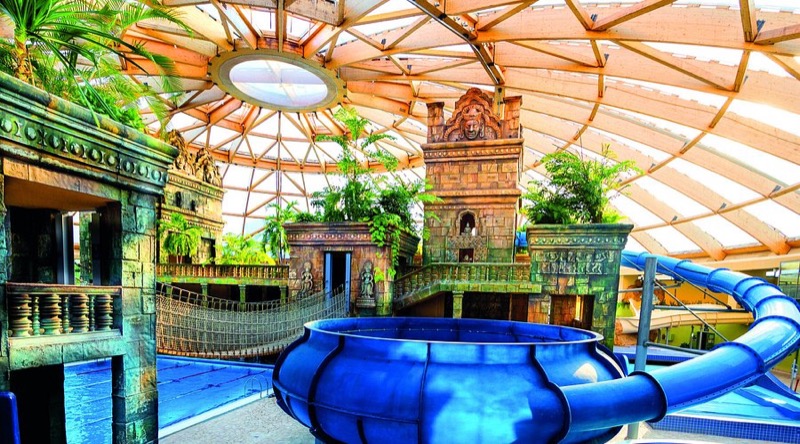
Planning Your Budapest Thermal Baths Visit
Booking Your Visit & Entry Tips
While walk-ins are usually possible for most baths, especially during off-peak hours, booking tickets online in advance is highly recommended for popular baths like Széchenyi and Gellért. This helps you skip lines and often provides a slightly better price. Consider purchasing a cabin for privacy and secure storage of your belongings.
What to Pack for Your Bath Day
Remember to bring your swimsuit, a towel, and flip-flops or water shoes for hygiene and comfort. If you forget anything, most larger baths offer rental services for towels and swimsuits, though it's more cost-effective to bring your own. Don't forget a waterproof phone case if you plan on taking photos!
Thermal Bath Etiquette
Respect local customs by showering before entering the pools. Keep noise levels moderate, especially in relaxation areas. Most baths are mixed-gender, but some historical sections like the main dome pool at Rudas still have separate male-only and female-only days, so check ahead if this is important to you.
Best Time to Visit
To avoid the biggest crowds, aim for weekday mornings right after opening or late afternoons. Weekends and public holidays are typically the busiest. Visiting during the colder months offers a unique contrast between the warm thermal waters and the crisp air, enhancing the experience, especially at outdoor pools like Széchenyi.
Payment & Currency
Most major thermal baths accept card payments, but it's always wise to have some Hungarian Forints (HUF) on hand for smaller purchases like snacks, drinks, or locker fees at less modern facilities. ATMs are widely available, but be mindful of exchange rates and fees if using foreign cards.
Frequently Asked Questions
What is the best thermal bath in Budapest?
It depends on what you want. Széchenyi is the largest and most iconic with huge outdoor pools — perfect for first-timers. Gellért has the most beautiful Art Nouveau architecture. Rudas offers the most authentic Ottoman-era experience with a stunning rooftop pool. For a quieter, more upscale soak, Veli Bej is the Reddit favorite for avoiding crowds.
How much do Budapest thermal baths cost?
Prices range from ~1,800 HUF ($5 USD) at local baths like Dandár to ~10,200 HUF ($28 USD) at premium spots like Gellért with a cabin. Most popular baths charge 5,000–9,000 HUF ($14–$25 USD) for a full-day pass. Cabin upgrades (private changing booth) cost a few dollars more and are highly recommended. Student discounts are widely available.
What should I bring to a Budapest thermal bath?
Bring: swimsuit, towel (or rent one for ~2,000 HUF), flip-flops/water shoes, a waterproof phone pouch, and a swim cap if you want to use lap pools. Most baths have lockers or cabins. Don't bring valuables — use the lockers provided.
When is the best time to visit Budapest thermal baths?
Early morning (opening time) or late afternoon on weekdays is least crowded. Avoid weekends at Széchenyi — it gets extremely busy with tour groups. Winter visits are magical — sitting in steaming 38°C outdoor pools while snow falls around you is unforgettable. Rudas is only mixed-gender on weekends; weekdays are gender-segregated.
Are Budapest baths worth it compared to German or Austrian spas?
Yes — but expect a different experience. Budapest baths are fed by natural thermal springs (over 120 in the city), so the mineral-rich water itself is the attraction. The Ottoman-era baths have 500+ years of history you won't find elsewhere. Don't expect plush robes and oil massages — this is bathing culture, not a wellness retreat.
Can I visit multiple thermal baths in one day?
You can, but most Redditors recommend 2–3 hours per bath and doing one per day. The mineral water is genuinely therapeutic and can be draining. If you have limited time, Rudas in the morning (Ottoman experience) and Széchenyi in the afternoon (grand outdoor pools) is a popular combo. Stay hydrated!
Are Budapest thermal baths suitable for children?
Yes, many Budapest thermal baths are family-friendly, especially those with more modern facilities and recreational pools. Aquaworld Budapest is explicitly designed for families with numerous slides and child-friendly areas. For a summer outdoor experience, Palatinus Strand on Margaret Island is also an excellent choice, though younger children should always be supervised closely.
Do I need to book tickets in advance for Budapest thermal baths?
While not always strictly necessary, booking tickets online in advance is highly recommended for popular baths like Széchenyi and Gellért, especially during peak season or weekends. Pre-booking saves time queuing and can sometimes offer a slightly better price. For smaller, local baths like Dandár or Lukács, walk-ins are generally sufficient.
What should I bring to a thermal bath in Budapest?
You should always bring a swimsuit, a towel, and flip-flops or waterproof sandals for hygiene and safety. A swimming cap is sometimes required for lap pools, particularly at Lukács. Most baths offer rental services for towels and swimsuits, but bringing your own is more economical.
Are Budapest thermal baths open all year round?
Yes, most of Budapest's major thermal baths, including Széchenyi, Gellért, and Rudas, operate year-round, regardless of the weather. Only open-air lidos or 'strand' baths like Palatinus have seasonal closures, typically operating from late spring to early autumn. Always check specific opening hours before your visit, especially around holidays.
Is it true that some Budapest baths have mixed-gender sections and separate days?
Yes, this is true. Most of the large, modern sections of baths like Széchenyi and Gellért are fully mixed-gender every day. However, historic Ottoman baths like Rudas and Király maintain specific male-only and female-only days in their traditional main dome pools, with mixed-gender access on weekends or in newer sections. Always consult their official websites for the most current schedule.
What is the average cost of entry to a Budapest thermal bath?
The cost of entry varies significantly depending on the bath, the day of the week, and whether you opt for a locker or a private cabin. Generally, prices range from around 1,800 HUF for a local gem like Dandár to 13,000 HUF for an all-day pass at Aquaworld. Iconic baths like Széchenyi and Gellért typically cost between 6,800-10,200 HUF for a full day.
Which Budapest thermal bath is best for first-timers?
For an unforgettable first experience, Széchenyi Thermal Bath is highly recommended. Its grand scale, diverse outdoor and indoor pools, and lively atmosphere encapsulate the quintessential Budapest bath experience. Gellért Thermal Bath also offers a stunning introduction with its iconic Art Nouveau architecture.
Are Budapest thermal baths mixed gender?
Most major thermal baths in Budapest, including Széchenyi, Lukács, and Aquaworld, are mixed-gender every day. Historically, some baths like Rudas had separate gender days, but today Rudas is mostly mixed, retaining some women-only and men-only days for its traditional Turkish section; always check their official website for the latest schedule.
What should I bring to a thermal bath in Budapest?
You should always bring a swimsuit, a towel, and flip-flops (or water shoes), as these are often mandatory for hygiene. Many baths offer rental options for towels and swimsuits, but bringing your own can save money. Sunscreen is essential for outdoor pools, especially at places like Palatinus or Széchenyi in summer. A waterproof phone pouch can be handy for photos, and a plastic bag for wet items.
Can I visit Budapest thermal baths in winter?
Absolutely, visiting Budapest's thermal baths in winter is a magical experience and highly recommended. The contrast of the steamy, warm thermal waters against the crisp, cold air, especially in outdoor pools like those at Széchenyi, is unique and invigorating. Indoor pools are, of course, equally welcoming and warm year-round at places like Veli Bej or Dandár.
Are Budapest thermal baths suitable for children?
Yes, many Budapest thermal baths are suitable for children, though some are better equipped than others. Aquaworld Budapest is specifically designed as a family waterpark with numerous slides and child-friendly pools. Palatinus Strand is also excellent for families in summer with its large outdoor areas. Younger children might find the high temperatures of some traditional thermal pools too intense; always check age or health restrictions, especially at medicinal baths like Lukács.
Are Budapest thermal baths worth it?
Absolutely! Budapest's thermal baths are a quintessential part of the city's culture and a truly unique experience. Whether you seek relaxation, historical immersion, or family fun, there's a bath for every preference, offering therapeutic waters and stunning architecture. Venues like Széchenyi and Gellért alone make the trip worthwhile.
What should I bring to a Budapest thermal bath?
You should bring a swimsuit, a towel, and flip-flops or water shoes. A swim cap is often required for active swimming pools (e.g., at Széchenyi), so it's good to have one. You can rent or purchase most of these items at the baths, but bringing your own is more economical. Don't forget a waterproof bag for your belongings!
Are Budapest thermal baths co-ed, and do I need a swim cap?
Most major Budapest thermal baths, including Széchenyi and Gellért, are co-ed and require standard swimwear. However, Rudas Thermal Bath still maintains gender-separated days for its historic main pool. A swim cap is generally required for lap swimming in designated swimming pools, but not typically for the thermal soaking pools.
What's the best time to visit Budapest thermal baths to avoid crowds?
To avoid the largest crowds, it's best to visit on weekday mornings, shortly after opening. The popular baths like Széchenyi and Gellért can get very busy, especially on weekends and public holidays. Late evenings (if available, like at Rudas) can also offer a more relaxed atmosphere once the daytime crowds have dispersed.
How do I choose between Széchenyi and Gellért Thermal Baths?
Choose Széchenyi for a vibrant, grand, and more communal experience with iconic outdoor pools, ideal for first-timers wanting to see the 'postcard' Budapest bath. Opt for Gellért if you prioritize stunning Art Nouveau architecture, a more luxurious, tranquil atmosphere, and desire an exquisite backdrop for your relaxation. Both are excellent but offer distinct vibes.
Can I buy tickets in advance for Budapest thermal baths?
Yes, it is highly recommended to buy tickets in advance online for most popular Budapest thermal baths, such as Széchenyi and Gellért. This saves you time by allowing you to bypass ticket queues upon arrival, especially during peak season or busy weekends. Some smaller baths like Dandár might have less need for advance booking.