How we built this comparison
This page combines traveler discussion patterns, published price ranges, transit details, and seasonal data to make the Thailand vs Cambodia decision easier to resolve.
- Reviewed Reddit-style traveler discussions and recurring decision patterns for Thailand and Cambodia.
- Checked numeric claims like accommodation ranges, transit costs, transfer times, or seasonal patterns where those numbers appear on the page.
- Updated the page structure so each major section ends with a clearer winner, reason, and traveler-use note.
Best read as a decision guide, not a universal truth: the right pick depends on your budget, pace, and what kind of trip you actually want.
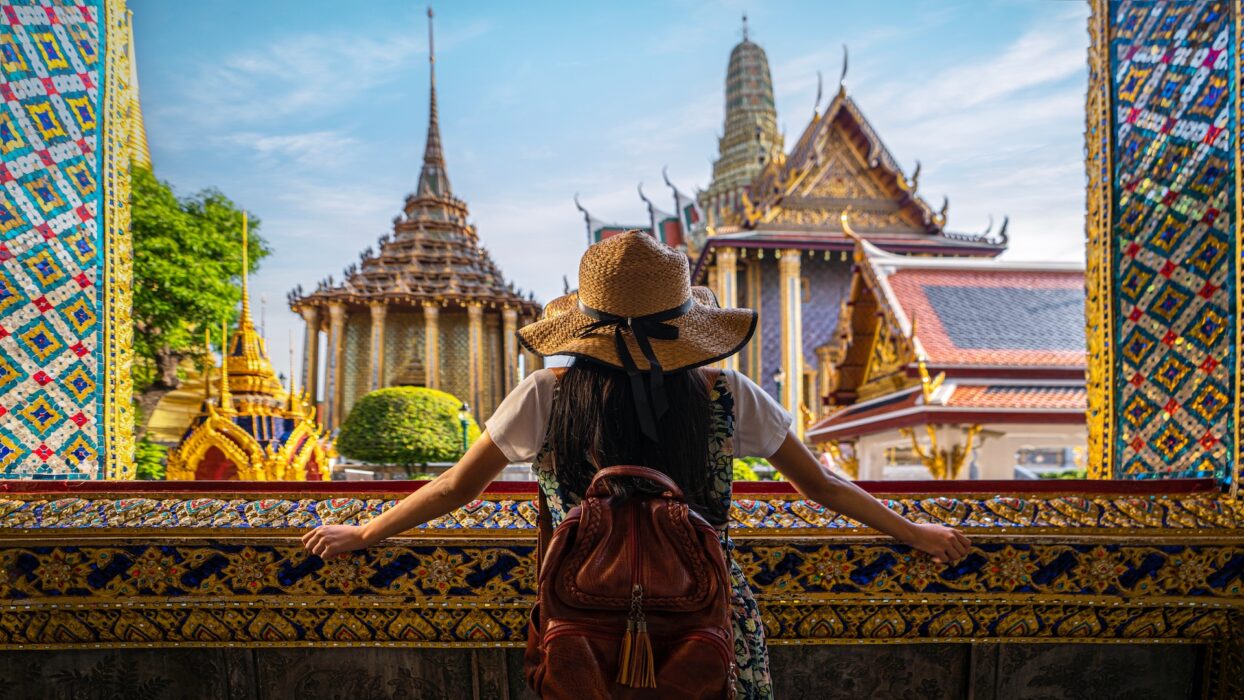
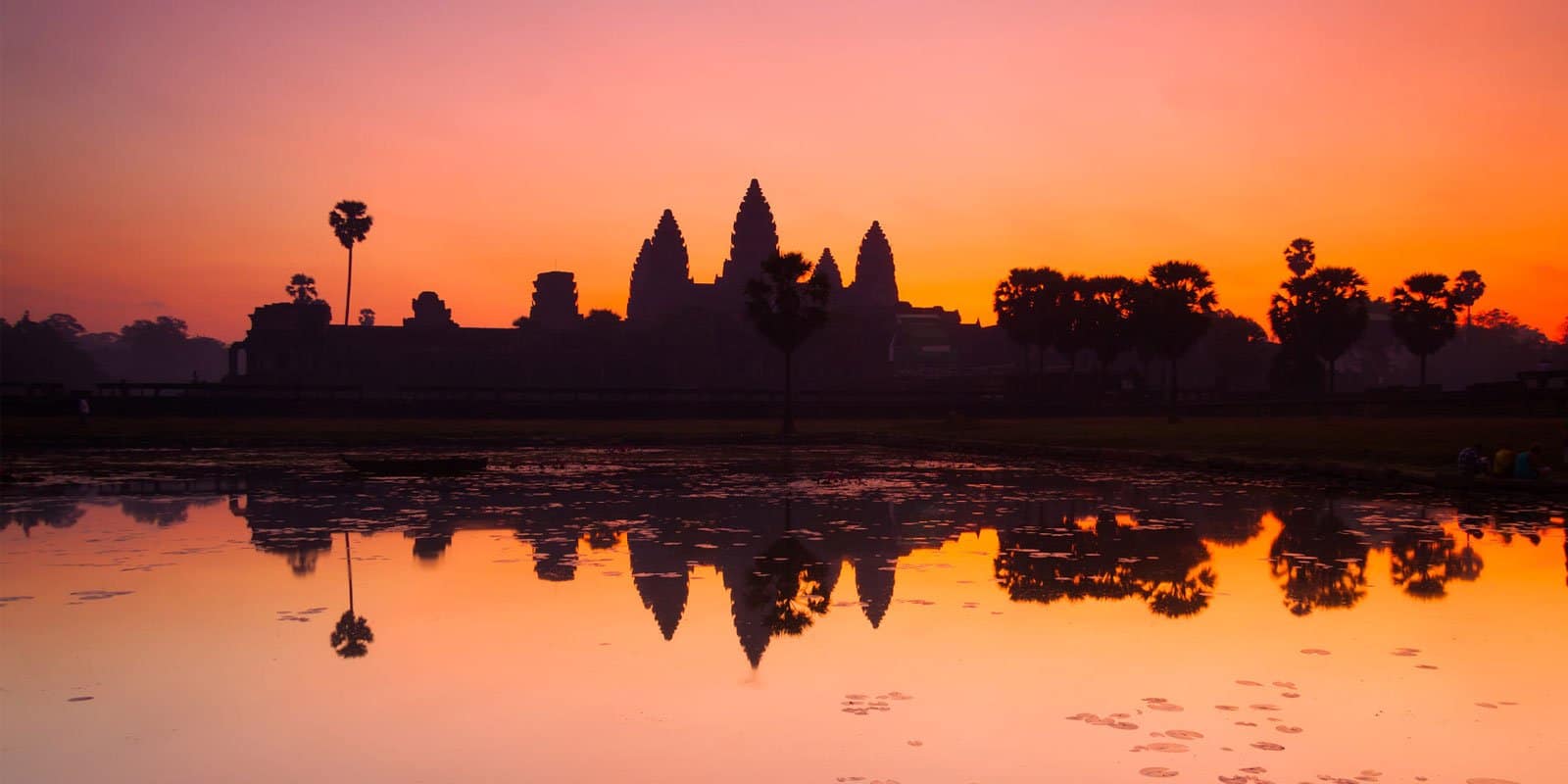
⚡ The TL;DR Verdict
Thailand is better if you want First-timers, beach lovers, foodies, party seekers. Cambodia is better if you want History buffs, budget travelers, off-the-beaten-path adventurers. Mid-range budget: Thailand $30–50/day vs Cambodia $20–40/day.
- Choose Thailand: First-timers, beach lovers, foodies, party seekers.
- Choose Cambodia: History buffs, budget travelers, off-the-beaten-path adventurers.
- Budget snapshot: Thailand: $30–50/day; Cambodia: $20–40/day.
Choose Thailand
First-timers, beach lovers, foodies, party seekers.
Choose Cambodia
History buffs, budget travelers, off-the-beaten-path adventurers.
Quick Comparison
| Category | 🇹🇭 Thailand | 🇰🇭 Cambodia | Winner |
|---|---|---|---|
| Daily Budget (mid-range) | $30–50/day | $20–40/day | Cambodia |
| Food Scene | World-famous street food, Michelin restaurants, every cuisine | Underrated Khmer cuisine — amok, lok lak, great BBQ | Thailand |
| Temples & History | 40,000+ temples, Grand Palace, Ayutthaya ruins | Angkor Wat (world's largest temple complex), Khmer Empire ruins | Cambodia |
| Beaches | 3,000+ km coastline — Phuket, Koh Samui, Koh Lipe, Krabi | Koh Rong, Koh Rong Samloem — less developed, fewer options | Thailand |
| Nightlife | Bangkok, Phuket, Koh Phangan (Full Moon Party) | Pub Street (Siem Reap), Phnom Penh — small but fun | Thailand |
| Infrastructure | Excellent — BTS/MRT, domestic flights, modern roads | Developing — improving fast but still basic outside cities | Thailand |
| Crowds | Very touristy, especially islands and Bangkok | Less crowded (except Angkor Wat) | Cambodia |
| Authenticity | Tourist infrastructure can feel commercial | Raw, less polished, more genuine local interactions | Cambodia |
| Visa | 60-day visa-exempt (free) | 30-day visa on arrival ($30) | Thailand |
| Best For | First-timers, beach lovers, foodies, party seekers | History buffs, budget travelers, off-the-beaten-path adventurers | — |
🍜 Food & Dining
Thai food is globally legendary for a reason. The balance of spicy, sour, sweet, and salty is unmatched. Bangkok alone has hundreds of Michelin-recognized restaurants, plus thousands of street stalls serving pad thai for 40–60 baht ($1.10–1.70), som tum (papaya salad) for 40 baht, and khao pad (fried rice) for 50 baht. Chiang Mai's night markets serve northern Thai specialties like khao soi (coconut curry noodles) for 50–80 baht. The food scene ranges from $1 street meals to $200 fine dining — and the cheap food is often better.
Khmer cuisine is seriously underrated. Fish amok (coconut curry steamed in banana leaf) is Cambodia's national dish and genuinely excellent. Lok lak (peppery stir-fried beef with lime dipping sauce) is addictive. Street BBQ — skewers of pork, chicken, or fish grilled over charcoal — costs $0.50–1.50 and is everywhere in Phnom Penh and Siem Reap. Prahok (fermented fish paste) is polarizing but recently received UNESCO recognition. Meals at local restaurants run $2–5; Western food in tourist areas is $5–15.
Price comparison
Street food in both countries is absurdly cheap by Western standards. Thailand edges ahead on variety and consistency — you can eat incredibly well for $5–10/day if you stick to street food and local restaurants. Cambodia is slightly cheaper at the bottom end ($0.50 draft beers on Pub Street, $1–3 local meals), but imported and Western food costs more because Cambodia imports much of its packaged goods. A burger and fries in Siem Reap might cost $8–12, vs $5–8 in Bangkok.
Winner takeaway
- Winner: Thailand
- Why: Thailand wins on food — not even close. The depth, variety, and quality of Thai cuisine at every price point is extraordinary. But don't sleep on Cambodia's Khmer food; fish amok and lok lak are genuinely elite-level dishes.
- Who this matters for: Matters most if food quality, variety, or meal budgets will shape your trip between First-timers, beach lovers, foodies, party seekers. and History buffs, budget travelers, off-the-beaten-path adventurers..
🛕 Temples, History & Culture
This is Cambodia's knockout category. Angkor Wat is, without exaggeration, one of the most awe-inspiring places on Earth. The world's largest religious monument, built in the 12th century, is just the centerpiece of an archaeological park spanning 400+ square kilometers with dozens of temples — Bayon (the one with the giant stone faces), Ta Prohm (the "Tomb Raider temple" with trees growing through the ruins), and Banteay Srei (intricate pink sandstone carvings). A 1-day pass costs $37, a 3-day pass $62, and a 7-day pass $72. Most travelers recommend at least 2–3 days to explore properly.
Cambodia's modern history is equally powerful. The Killing Fields (Choeung Ek) and S-21 (Tuol Sleng) in Phnom Penh document the Khmer Rouge genocide (1975–1979) — sobering, essential, and deeply moving. The Royal Palace and Silver Pagoda in Phnom Penh showcase Cambodia's royal heritage.
Thailand has culture in abundance too — the Grand Palace and Wat Phra Kaew in Bangkok are striking, Ayutthaya's ancient ruins (1h from Bangkok) rival Angkor in some ways, and Chiang Mai has over 300 temples. Thailand was never colonized, giving it an unbroken cultural continuity that's unique in Southeast Asia. But for sheer "wow factor" — Angkor Wat is in a league of its own.
Winner takeaway
- Winner: Thailand
- Why: Cambodia wins for "bucket list" historical impact — Angkor Wat is a once-in-a-lifetime sight and the Killing Fields are important to witness. Thailand offers more breadth (40,000+ temples, royal palaces, living traditions like Songkran) but Cambodia's concentrated intensity is unmatched.
- Who this matters for: Matters most if you are choosing based on atmosphere, heritage, and what kind of experience feels more memorable.
💰 Cost Comparison
Both countries are budget-friendly by global standards, but they differ in how they're cheap. Cambodia has a lower floor — $0.50 beers, $1 meals, $8 guesthouse rooms. Thailand offers better value — for a few dollars more, you get noticeably higher quality. Here's a detailed daily breakdown:
| Expense | 🇹🇭 Thailand | 🇰🇭 Cambodia |
|---|---|---|
| Hostel dorm | $5–12/night | $4–10/night |
| Mid-range hotel | $25–60/night | $15–40/night |
| Street food meal | $1–3 | $1–3 |
| Restaurant meal | $3–8 | $3–7 |
| Draft beer | $1.50–3 | $0.50–2 |
| Local transport (tuk-tuk) | $2–5 per ride | $1–3 per ride |
| SIM card (tourist) | $5–10 (30 days) | $3–5 (30 days) |
| Major attraction | Grand Palace: $16 | Angkor Wat: $37/day |
| Daily total (mid-range) | $30–50 | $20–40 |
The hidden Cambodia expense: Angkor Wat's ticket price ($37/day, $62 for 3 days, $72 for 7 days) is steep for Southeast Asia, and transport around the sprawling temple complex adds $15–25/day for a tuk-tuk driver. A 3-day Angkor exploration easily costs $120–150 in tickets and transport alone. In Thailand, many top attractions (temples, markets, beaches) are free or very cheap.
Currency note: Cambodia uses both the US dollar and Cambodian riel (4,100 KHR ≈ $1 USD). Prices are quoted in USD everywhere, which is convenient but means less room for exchange-rate advantages. Thailand uses the Thai baht (≈ 35 THB per $1 USD as of early 2026).
Winner takeaway
- Winner: Thailand
- Why: Cambodia is 15–25% cheaper day-to-day, especially for accommodation and drinks. But Thailand's value-for-money is often better — you get more quality per dollar. Budget backpackers will stretch further in Cambodia; mid-range travelers may prefer Thailand's infrastructure.
- Who this matters for: Matters most if nightly rates, meal prices, or transport costs will change how long you can stay.
🚃 Getting Around
Thailand's transport infrastructure is outstanding. Bangkok's BTS Skytrain and MRT subway are clean, air-conditioned, and cover most of the city (20–60 baht per ride / $0.55–1.70). Grab (the Southeast Asian Uber) works seamlessly. Long-distance buses are comfortable and cheap ($10–20 for 6–12 hour journeys), and domestic flights between Bangkok, Chiang Mai, Phuket, and Koh Samui run $30–80 on AirAsia or Nok Air. Island ferries are well-organized. Thailand even has a basic rail network connecting major cities.
Cambodia's transport is... improving. There's no rail network for tourists, no subway, and roads outside major cities range from decent to terrible. Getting around relies on tuk-tuks ($1–5 per ride in cities), Grab (works in Phnom Penh and Siem Reap), and long-distance buses via operators like Giant Ibis ($10–18 for Phnom Penh to Siem Reap, ~6 hours). Domestic flights connect Phnom Penh and Siem Reap ($50–80). Renting a motorbike is common but roads are chaotic — only recommended for experienced riders.
Winner takeaway
- Winner: Depends
- Why: Thailand wins decisively on transport. Getting around is easy, cheap, and comfortable. Cambodia requires more patience and planning, but that's part of the adventure. Budget extra time for overland travel in Cambodia.
- Who this matters for: Matters most if you care about ease, transfer friction, and how much time you lose moving between sights.
☀️ Best Time to Visit
Both countries sit in the tropics with similar weather patterns — hot year-round with distinct wet and dry seasons. Here's a monthly breakdown:
Data: Open-Meteo archive, 2024 daily averages. Temperatures are daily highs/lows in Celsius. Rainfall is monthly totals.
Best season: November–February
Both countries are at their best from November through February — the "cool" dry season with temperatures of 25–33°C, low humidity, and virtually no rain. This is peak tourist season, so expect higher prices and more crowds, but the weather is unbeatable.
Avoid: April (scorching) and September–October (flooding)
April is the hottest month in both countries — 36°C+ with crushing humidity. It's also when Thailand celebrates Songkran (Thai New Year water festival, April 13–15), which is an incredible experience if you can handle the heat. September–October brings the heaviest monsoon rains — some areas flood, and Cambodia's roads can become impassable.
Shoulder season tip: June–October is rainy but also means fewer tourists and much lower prices. For Angkor Wat specifically, the rainy season is actually spectacular — the moat is full (better reflections), the grounds are lush green, and the temples are way less crowded. Just pack a rain jacket.
Winner takeaway
- Winner: Depends
- Why: November–February is peak season for a reason — comfortable weather, no rain, perfect conditions. If you're budget-conscious and flexible, the rainy season (June–October) offers great deals and a different, equally beautiful experience.
- Who this matters for: Matters most if seasonality, rain, heat, or crowd levels could make or break the trip.
🏨 Where to Stay
Thailand — Key destinations
Bangkok — Most travelers start here. Stay in Sukhumvit (near BTS, great restaurants, modern vibe), Khao San Road area (budget backpacker hub, chaotic, loud), or Silom/Sathorn (business district, rooftop bars, riverside). Mid-range: $25–60/night. Hostels: $5–12.
Chiang Mai — The cultural heart of northern Thailand. Stay in the Old City (within the moat, walking distance to temples, night markets) or Nimman (trendy, cafés, digital nomad hub). Significantly cheaper than Bangkok — good hotels from $15–35/night.
Thai Islands — Koh Samui (upscale resorts + budget options), Koh Phangan (Full Moon Party, backpacker vibe), Koh Lipe (pristine beaches, more remote), Phuket (massive tourism infrastructure, beaches from party to peaceful). Prices vary wildly — $10 beach bungalow to $500 luxury resort.
Cambodia — Key destinations
Siem Reap — Gateway to Angkor Wat and the most touristed city. Stay near Pub Street for nightlife and restaurants, or further out for better value and peaceful boutique hotels with pools (from $12–25/night). Some striking colonial-style hotels for $40–80/night.
Phnom Penh — The capital is grittier and less tourist-oriented. Stay along the Riverside (Sisowath Quay) for a walkable strip of restaurants and bars, or in BKK1 (Boeung Keng Kang 1) — the expat neighborhood with excellent cafés and restaurants. Mid-range: $15–35/night.
Kampot — Charming riverside town famous for pepper farms and Bokor National Park. Increasingly popular with travelers looking for a quieter alternative. Beautiful boutique guesthouses from $10–30/night.
Winner takeaway
- Winner: Thailand
- Why: Thailand has vastly more accommodation options at every price point, with better quality at mid-range budgets. Cambodia wins on ultra-budget stays — your dollar goes further in Siem Reap and Kampot than almost anywhere in Thailand outside Chiang Mai.
- Who this matters for: Matters most if neighborhood choice, hotel value, or day-trip convenience is a big part of the decision.
🏝️ Beaches & Islands
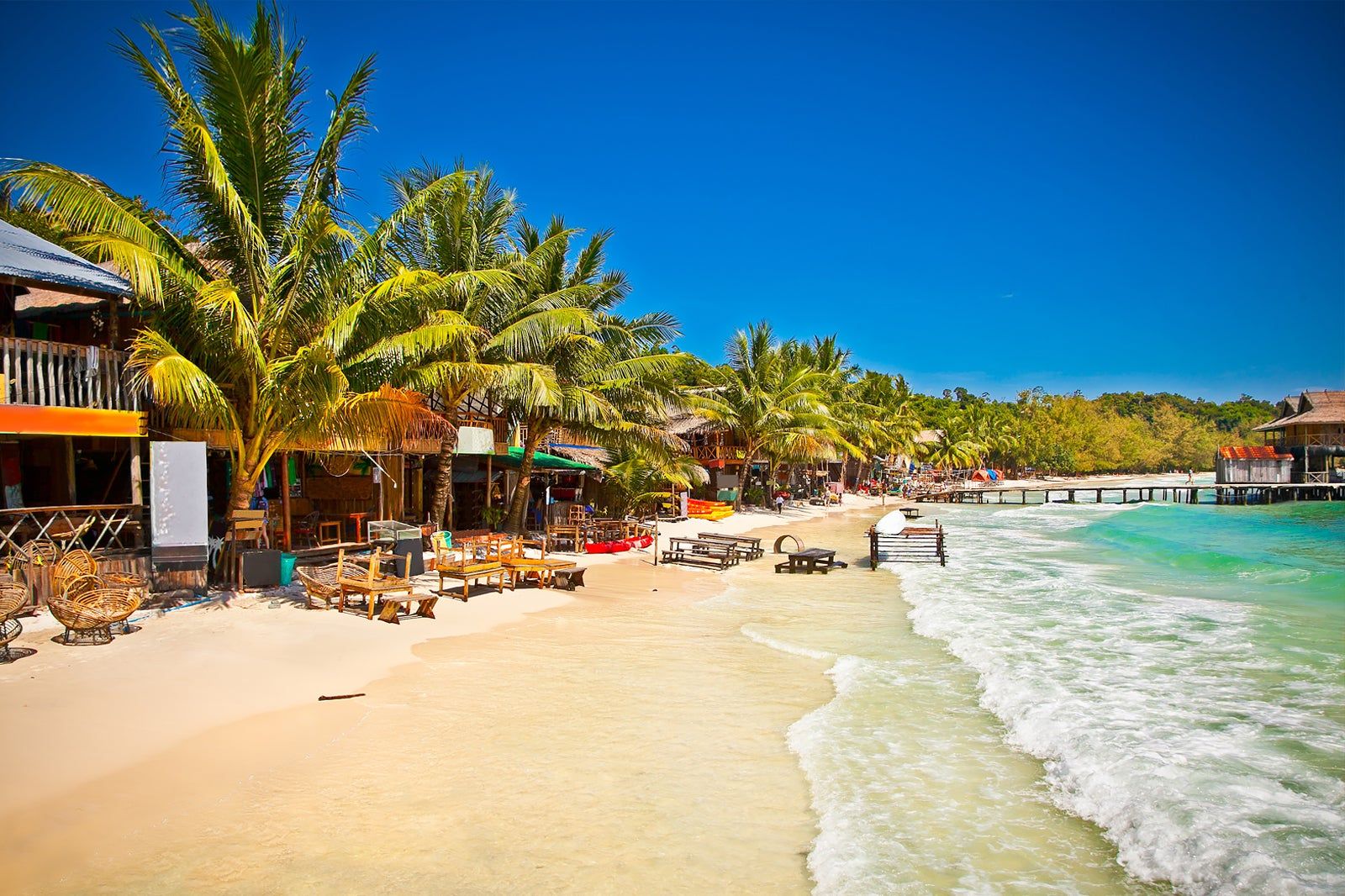
This is Thailand's strongest category. With over 3,000 km of coastline and hundreds of islands, Thailand's beach game is internationally recognized. The Andaman coast (Phuket, Krabi, Koh Lanta, Koh Lipe) offers dramatic limestone cliffs, crystal-clear water, and some of the world's best diving. The Gulf coast (Koh Samui, Koh Phangan, Koh Tao) is warmer, calmer, and great for snorkeling. Island-hopping infrastructure is excellent — ferries, speedboats, and flights make it easy to string multiple islands together.
Cambodia has Koh Rong and Koh Rong Samloem — two genuinely beautiful islands with white sand beaches and clear water. They're less developed than Thai islands, which is part of their charm: fewer crowds, cheaper bungalows, a more Robinson Crusoe vibe. Kep is a quiet coastal town famous for its crab market. But be warned: Sihanoukville (the mainland gateway to Koh Rong) has been largely overtaken by Chinese casino development and is not the beach town it once was. Most travelers recommend heading straight to the islands.
Winner takeaway
- Winner: Thailand
- Why: Thailand wins overwhelmingly on beaches. If beach time is your main goal, Thailand is the obvious choice. Cambodia's Koh Rong has options Thailand's popular islands can't — genuine seclusion and untouched beauty — but the options are limited.
- Who this matters for: Matters most if this category is one of your top trip-deciding factors.
🎒 Day Trips
From Bangkok, Thailand
Ayutthaya (1.5h) — Ancient capital ruins, UNESCO World Heritage. The budget Angkor Wat — smaller but still impressive.
Kanchanaburi (2.5h) — Bridge over the River Kwai, Erawan National Park (striking turquoise waterfalls), Death Railway.
Floating Markets (1–2h) — Damnoen Saduak or Amphawa. Tourist-oriented but a quintessential Thai experience.
Khao Yai National Park (3h) — Jungle trekking, waterfalls, wildlife. Thailand's most accessible national park.
From Chiang Mai, Thailand
Doi Inthanon (1.5h) — Thailand's highest peak, pagodas above the clouds, hill tribe villages.
Chiang Rai (3h) — White Temple (Wat Rong Khun), Blue Temple, Golden Triangle viewpoint.
From Siem Reap, Cambodia
Tonle Sap Lake (30min) — Southeast Asia's largest freshwater lake with floating villages. Visit Kompong Khleang for a more authentic experience than the touristy Chong Kneas.
Kulen Mountain (1.5h) — Sacred mountain with a reclining Buddha, waterfalls, and the River of 1,000 Lingas. Entry: $20.
Battambang (3h) — Cambodia's second city. Bamboo train, colonial architecture, nearby temples, and an excellent circus (Phare).
From Phnom Penh, Cambodia
Koh Dach (Silk Island) (30min) — Weaving villages, cycling, and a glimpse of rural Cambodian life just outside the capital.
Oudong (1h) — Former royal capital with hilltop stupas and panoramic views.
Winner takeaway
- Winner: Thailand
- Why: Thailand has more day trip variety, especially from Bangkok and Chiang Mai. Cambodia's day trips are rewarding but fewer in number. Tonle Sap's floating villages and Kulen Mountain are worth the effort.
- Who this matters for: Matters most if you want one base with strong side trips rather than a single-destination stay.
🔀 Why Not Both?
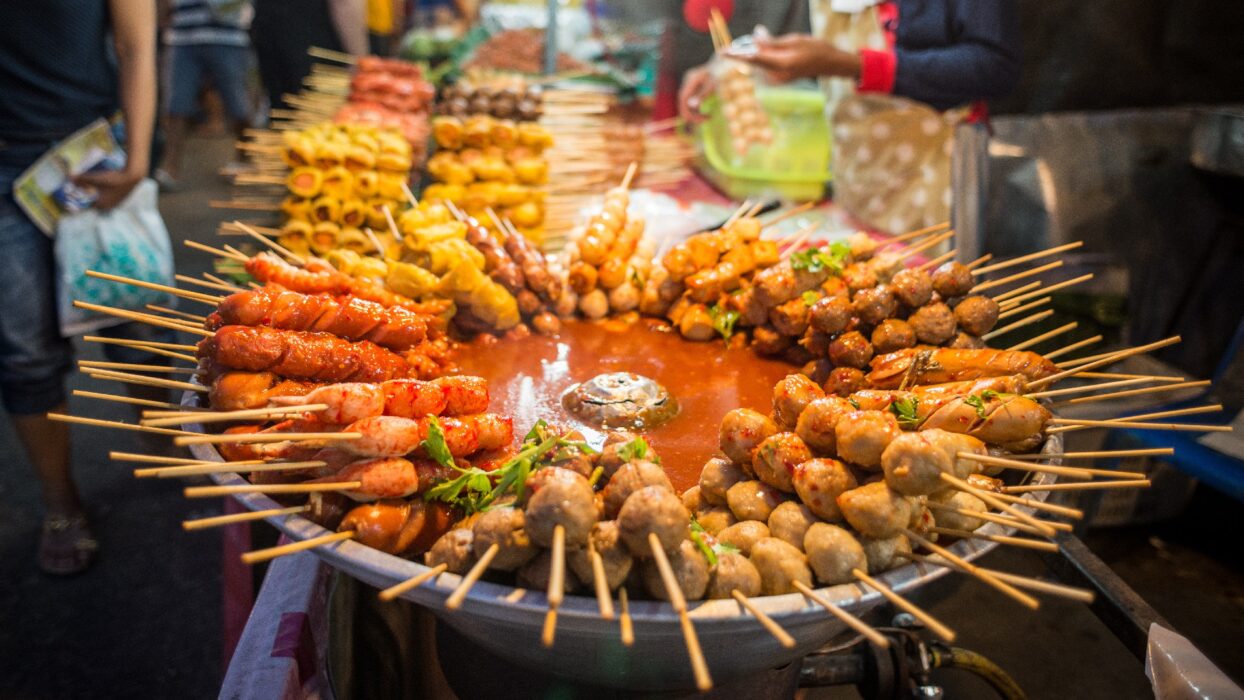
Here's the truth most experienced Southeast Asia travelers will tell you: Thailand and Cambodia complement each other perfectly. Thailand gives you the polished, comfortable, food-and-beach experience. Cambodia gives you the raw, history-rich, adventure-travel experience. Together they're the ultimate Southeast Asia combo — and getting between them is easy and cheap.
Getting between them
By air: Bangkok → Siem Reap: 1 hour, $60–100 on AirAsia or Cambodia Angkor Air. Bangkok → Phnom Penh: 1h15m, $70–120. Flights run multiple times daily.
By bus: Bangkok → Siem Reap via the Poipet border: ~8–10 hours, $10–25 depending on class. Giant Ibis and Nattakan are reliable operators. The border crossing can be slow (1–2 hours with visa on arrival processing), so budget extra time.
Suggested combo itineraries
10 days: 4 days Bangkok (Grand Palace, street food, nightlife) → fly → 3 days Siem Reap (Angkor Wat) → 3 days Thai Islands (Koh Samui or Phuket)
14 days: 3 days Bangkok → 2 days Chiang Mai → fly → 3 days Siem Reap → 2 days Phnom Penh → fly back → 4 days Thai Islands
21 days: 5 days Bangkok + Ayutthaya → 4 days Chiang Mai + Chiang Rai → fly → 4 days Siem Reap + Battambang → 3 days Phnom Penh + Kampot → fly back → 5 days island hopping
Winner takeaway
- Winner: Depends
- Why: If you have 2+ weeks, absolutely do both. The 1-hour flight between Bangkok and Siem Reap makes it a no-brainer. Thailand for the food, beaches, and infrastructure; Cambodia for Angkor Wat, history, and raw authenticity. They pair perfectly.
- Who this matters for: Matters most if you are deciding whether this should be a one-destination trip or a broader itinerary.
🎯 The Decision Framework
Choose Thailand If…
- You want to enjoy beaches and islands like Phuket or Koh Phi Phi.
- You look forward to trying a vast array of street food, from pad thai to curries.
- You seek lively nightlife, from rooftop bars in Bangkok to island full moon parties.
- You prefer a destination with extensive tourist infrastructure and easy navigation.
- You are comfortable with a daily budget of $30-50 for lodging and activities.
- You want access to diverse shopping, from markets to modern malls.
- You prefer an easier first-time Southeast Asia travel experience.
- You want well-developed options for island hopping and diving excursions.
Choose Cambodia If…
- You are primarily visiting to explore the ancient temples of Angkor Wat.
- You are comfortable with a daily budget of $20-40 for lodging and food.
- You prefer a destination with fewer mass tourists and a quieter atmosphere.
- You seek a deeper historical understanding of the Khmer Empire.
- You enjoy discovering less-traveled areas and local life.
- You appreciate the challenge of navigating developing tourist infrastructure.
- You want to contribute to a country rebuilding after a difficult past.
- You are looking for a more profound and reflective travel experience.
💰 Daily Cost Breakdown
| Expense | Thailand | Cambodia |
|---|---|---|
| Hostel dorm | $10-25 | $7-15 |
| Budget hotel | $30-60 | $20-45 |
| Street food meal | $2-5 | $2-4 |
| Restaurant meal | $8-20 | $7-15 |
| Beer/drink | $2-5 | $1.5-4 |
| Local transport (day) | $5-15 | $4-10 |
| Daily budget total | $30-70 | $25-60 |
Approximate daily costs for 2026. Actual prices vary by season and travel style.
🌤️ Monthly Weather Comparison
| Month | Thailand Temp | Thailand Rain | Cambodia Temp | Cambodia Rain |
|---|---|---|---|---|
| Jan | 31°C/88°F | 9mm | 31°C/88°F | 10mm |
| Feb | 32°C/90°F | 29mm | 32°C/90°F | 15mm |
| Mar | 33°C/91°F | 49mm | 34°C/93°F | 45mm |
| Apr | 34°C/93°F | 78mm | 35°C/95°F | 80mm |
| May | 34°C/93°F | 219mm | 34°C/93°F | 160mm |
| Jun | 33°C/91°F | 157mm | 33°C/91°F | 170mm |
| Jul | 33°C/91°F | 175mm | 33°C/91°F | 180mm |
| Aug | 32°C/90°F | 219mm | 33°C/91°F | 170mm |
| Sep | 32°C/90°F | 344mm | 32°C/90°F | 240mm |
| Oct | 32°C/90°F | 242mm | 32°C/90°F | 260mm |
| Nov | 31°C/88°F | 48mm | 31°C/88°F | 120mm |
| Dec | 31°C/88°F | 6mm | 30°C/86°F | 50mm |
Average monthly high temperatures and rainfall based on historical climate data.
📅 Sample Itineraries
Weekend in Thailand (3 Days)
💡 Three days gives you a great taste of Thailand. Check out our Thailand guide.
Weekend in Cambodia (3 Days)
💡 Three days gives you a great taste of Cambodia. Check out our Cambodia guide.
Week in Thailand (7 Days)
💡 A full week gives you a great taste of Thailand. Check out our Thailand guide.
Week in Cambodia (7 Days)
💡 A full week gives you a great taste of Cambodia. Check out our Cambodia guide.
❓ Frequently Asked Questions
Is Thailand or Cambodia better for first-time visitors to Southeast Asia?
Thailand is the easier first trip. Tourism infrastructure is more developed — English signage is everywhere, the BTS/MRT in Bangkok is elite-level, and accommodation ranges from $5 hostels to $500 resorts. Cambodia is more raw and adventurous, which seasoned travelers love, but it requires more flexibility and tolerance for imperfect roads, power outages, and less English. Reddit consensus: start with Thailand, then add Cambodia on a return trip or as a 4–5 day side trip.
How far apart are Thailand and Cambodia?
Bangkok to Siem Reap is about 400 km — a 1-hour flight ($60–100) or 8–10 hour bus via the Poipet border ($10–25). Bangkok to Phnom Penh is about 660 km — a 1h15m flight ($70–120). The border crossing is straightforward but can take 1–2 hours for visa processing. Most travelers fly between the two countries.
Is it worth visiting both on the same trip?
Absolutely, if you have 2+ weeks. A popular combo: 7–10 days Thailand (Bangkok + Chiang Mai or islands) plus 4–5 days Cambodia (Siem Reap for Angkor Wat + maybe Phnom Penh). The cheap, short flight between Bangkok and Siem Reap makes it a no-brainer. If you only have 10 days, most travelers recommend picking one country and exploring it properly rather than rushing both.
Which is cheaper, Thailand or Cambodia?
Cambodia is slightly cheaper on paper — $0.50 beers, $1 meals, $8 guestrooms. A mid-range day runs $20–40 vs Thailand's $30–50. But Thailand often offers better value: for a few dollars more, quality jumps significantly. The biggest Cambodia expense is Angkor Wat ($37/day pass + $15–25 transport). Budget backpackers stretch further in Cambodia; mid-range travelers often prefer Thailand's price-to-quality ratio.
Is Cambodia safe for tourists?
Yes, generally safe. Siem Reap is very tourist-friendly with minimal crime. Phnom Penh requires more awareness — phone snatching from motorbikes is the main risk, so keep valuables in a front bag and avoid displaying expensive phones. Avoid Sihanoukville's downtown casino area; go straight to Koh Rong instead. Scams are less common than in heavily touristy parts of Thailand, but always confirm prices upfront for tuk-tuks and tours.
What is the best time to visit Thailand and Cambodia?
November through February — the cool, dry season with comfortable 25–33°C temperatures and virtually no rain. Peak tourist season, so prices are higher and popular spots get crowded. March–May is scorching hot (36°C+). The rainy season (May–October in Thailand, June–November in Cambodia) means lower prices and fewer tourists, but expect afternoon downpours and some flooding. April's Songkran festival in Thailand is worth braving the heat for.
Should you choose Thailand or Cambodia for do i need a visa for thailand and cambodia?
Thailand offers 60-day visa-exempt entry for most Western nationalities — completely free, no application needed. Cambodia requires a tourist visa: $30 on arrival at airports and land borders (bring a passport photo and cash), or apply for an e-visa online before your trip. Cambodia's visa is valid for 30 days, extendable once for another 30 days at a local travel agent for a small fee.
Ready to plan your Southeast Asia trip?
Get a free custom itinerary for Thailand, Cambodia, or both — built from real traveler insights, not generic templates.
🎟️ Book Tours & Experiences
Hand-picked tours and activities for both destinations — book with free cancellation
Experiences via Viator — free cancellation on most tours