How we built this comparison
This page combines traveler discussion patterns from Reddit, published price ranges, transit details, and neighborhood-level data to make the Shimokitazawa vs Golden Gai decision easier.
- Synthesized traveler opinions from r/JapanTravel, r/JapanTravelTips, r/Tokyo, r/japanlife, r/TokyoTravel
- Cost data from recent Reddit traveler reports (2024–2026) and published bar pricing
- Transit data from Odakyu and Keio Inokashira line schedules
- Neighborhood character from long-term Tokyo resident accounts
⚡ The TL;DR Verdict
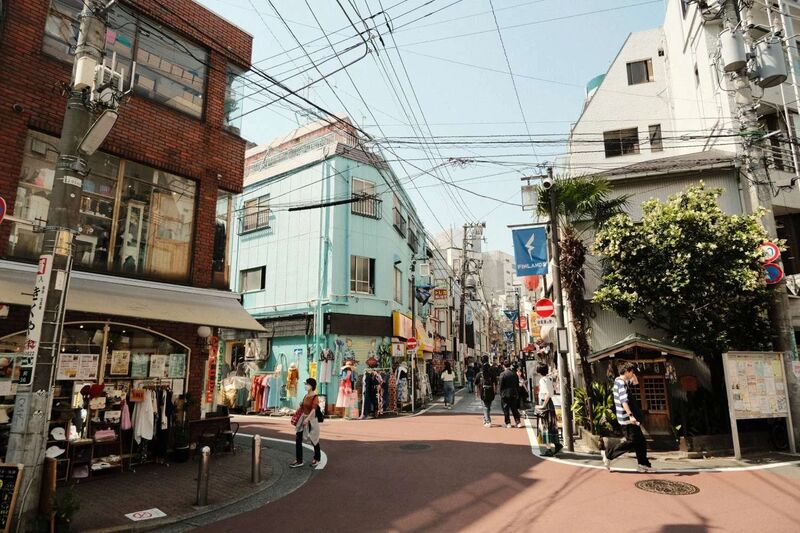
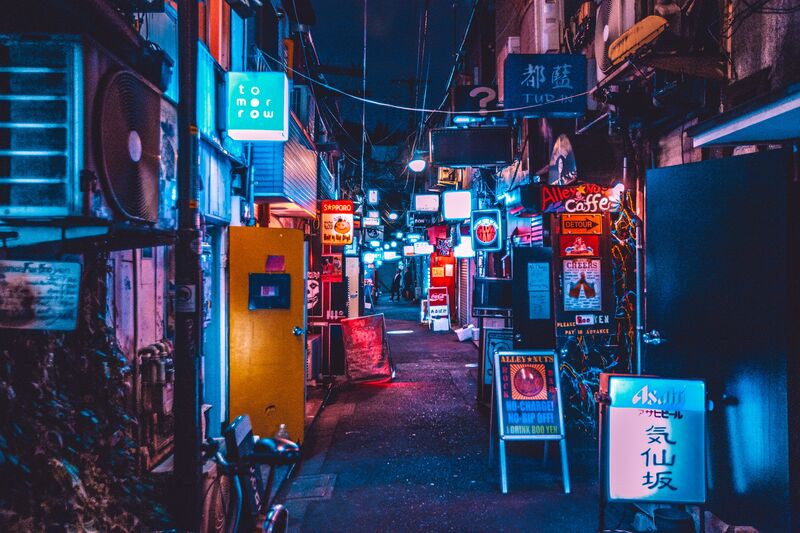
Shimokitazawa wins as a destination. Golden Gai wins for one memorable night. They’re 15 minutes apart — do both. Shimokitazawa: full-day neighborhood with vintage shops, indie music, and excellent curry. Golden Gai: 200+ tiny bars in six neon alleyways, best after 10pm on weeknights.
- Choose Shimokitazawa: Vintage shopping, live music, all-day neighborhood exploration, indie cafes, lower cost, more authentically local.
- Choose Golden Gai: One iconic Tokyo night of bar-hopping, unique intimate bars, nightlife bucket list experience.
- Do both: Spend the afternoon in Shimokitazawa, take the Odakyu to Shinjuku, then hit Golden Gai after 10pm. Transit cost under ¥400 total.
Choose Shimokitazawa
Vintage hunters, live music fans, cafe-hoppers, daytime explorers. Tokyo’s best indie neighborhood with 50+ thrift stores, 20+ live music venues, and a genuinely local residential vibe just 6 minutes from Shinjuku.
Choose Golden Gai
Night owls, bar-hoppers, atmosphere seekers. Six alleyways and 200+ micro-bars create a unique Tokyo experience you’ll find nowhere else on earth. Go on a weeknight, pick upstairs bars, ask prices first.
Quick Comparison
| Category | 🏹 Shimokitazawa | 🍻 Golden Gai | Winner |
|---|---|---|---|
| Best Time to Visit | Afternoon to midnight, any day | 10pm–3am, weeknights only | Shimokitazawa |
| Daytime Activities | Vintage shops, cafes, galleries, record stores | Empty alleys with almost no open bars | Shimokitazawa |
| Nightlife Quality | Indie bars, live music venues, izakayas | 200+ micro-bars, world-famous atmosphere | Golden Gai |
| Drink Price (per drink) | ¥600–900 ($4–6) at bars | ¥700–1,200 ($5–8) + ¥500–1,500 cover charge | Shimokitazawa |
| Shopping | Elite-level vintage and thrift stores | No shopping at all | Shimokitazawa |
| Live Music | 20+ live music venues, indie bands nightly | Occasional background music only | Shimokitazawa |
| Food Options | Excellent curry, ramen, cafes, izakayas | Bar snacks only at most venues | Shimokitazawa |
| Tourist Density | Moderate — mixed locals and tourists | High on weekends — overwhelmingly tourist | Shimokitazawa |
| Transit from Shinjuku | 6 min on Odakyu (¥160/$1.07) | 7 min walk from Shinjuku east exit | Tie |
| Unique Experience | Tokyo’s best indie neighborhood culture | Only place like it on earth | Tie |
| Photography | Colorful streets, vintage shop fronts, murals | Neon alleys, intimate bar interiors | Tie |
| Family-Friendly | Yes — daytime is very family-friendly | No — strictly a bar district | Shimokitazawa |
🍺 Bars & Nightlife
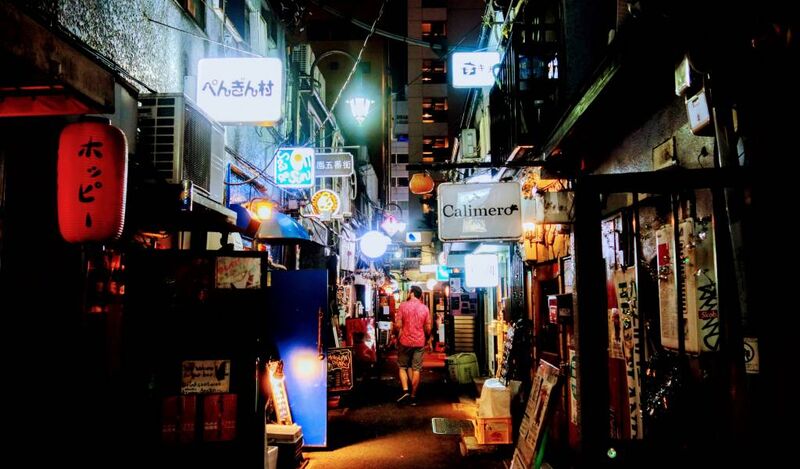
This is Golden Gai’s entire reason to exist. Six tiny alleyways wedged between Shinjuku’s entertainment district and a local street, packed with approximately 200 bars — most with capacity for 5–8 people maximum. The bars are themed: film and cinema bars, heavy metal bars, anime bars, jazz bars, literary bars. Death Match in Hell, La Jetée (cinema), and Hair of the Dog are the most frequently cited on Reddit as consistently good. Cover charges run ¥500–1,500 ($3.30–10) per person at most establishments; drinks cost ¥700–1,200 ($4.70–8). A night of bar-hopping across three or four Golden Gai bars typically runs ¥5,000–10,000 ($33–67) per person.
Shimokitazawa has a completely different bar scene: sprawling izakayas, indie cocktail bars, jazz bars, and dozens of basement dive bars supporting the live music venues. Drinks are marginally cheaper (¥600–900/$4–6, rarely a cover charge), and the bars are scattered across the entire neighborhood rather than concentrated into six alleyways. You can easily spend a full evening moving between venues. Check out our Shinjuku izakaya guide for options between Golden Gai and nearby spots.
“Golden Gai has been a shitshow for a while. Overrun by tourists not even eating/drinking half the time. Generally you can only go to the good places where you are already a regular and/or when you are obviously not a tourist. Thankfully it mostly hasn’t been overrun by places looking to fleece tourists, so at least it is still mostly the Golden Gai of old.”— u/tsian, r/Tokyo
“I do a regular circuit of Rock Mother (not golden gai but nearby) then Hair of the Dog as the staff and regulars are always cool, another tiny bar for food and chats then finish in Death Match in Hell as the owner is a solid metal guy and it’s a mix of locals and travellers.”— u/superextrabonuspty, r/JapanTravel
☀️ Daytime Activities
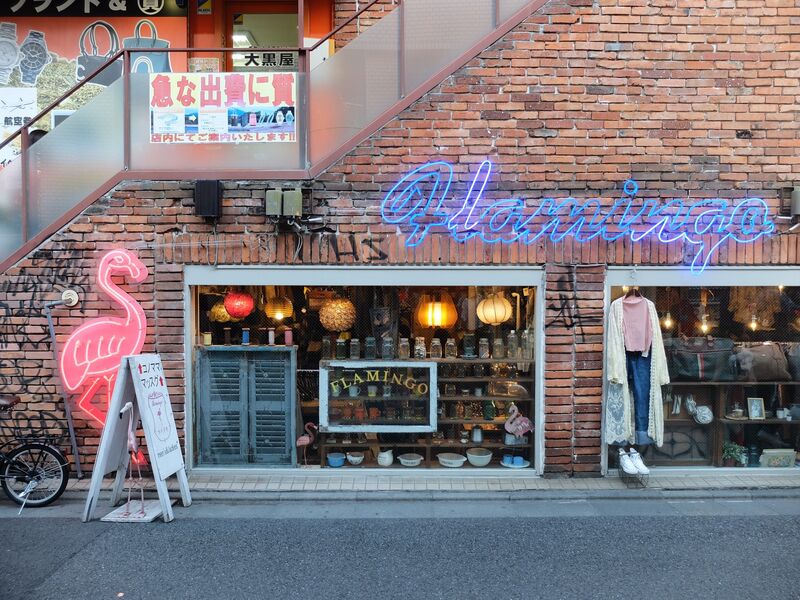
This is the comparison that makes the Shimokitazawa vs Golden Gai decision almost too easy: Golden Gai doesn’t exist during the day. The alleyways open around 7–9pm. Before that, you’re walking through empty, unremarkable lanes with shuttered storefronts. Some bars open as early as 5pm, but the atmosphere that makes Golden Gai what it is doesn’t emerge until after dark, typically after 9pm.
Shimokitazawa is a full-day destination. The neighborhood runs along several interconnected shopping streets and backstreets that can consume an entire afternoon. Start at Honda Theater (one of Tokyo’s most acclaimed indie stages), browse the cluster of vintage stores near the south exit, stop at a curry shop, discover a record store, stumble into a gallery, and find a cafe showing a silent film. The redevelopment around the Shimokitazawa station area (completed around 2019–2020) created a new commercial strip called BONUS TRACK — a collection of small independent shops and a farmers’ market on weekends — which added genuine daytime appeal beyond just shopping.
“Coming from Shinjuku and Shibuya, Shimokitazawa was a nice contrast as it felt like a small, intimate neighborhood. It was nice to get lost in the streets. I do love vintage shopping and there were so many stores, literally every step there is a vintage store.”— u/nessaaxx, r/JapanTravelTips
🛍️ Shopping & Vintage
Shimokitazawa has one of the highest concentrations of vintage and second-hand clothing stores in Tokyo — possibly in the world. Estimates put the number of thrift and vintage shops at 50–80+ within walking distance of the station. The quality ranges enormously: high-curation boutiques with carefully selected pieces at boutique prices (¥3,000–15,000/$20–100 per item) to more traditional second-hand stores where real bargains still surface. Brands include everything from Japanese streetwear labels and European vintage to curated denim and military surplus.
Notable spots Reddit recommends: Flamingo (multiple locations, good curation), Ragtag (high-end Japanese designer resale), Chicago (large selection, lower prices), and dozens of no-name independent stores down the side streets. The criticism that prices have risen is valid — serious vintage hunters increasingly prefer Koenji or Shimokitazawa’s own alleyway side-streets over the main commercial strip. But the density of the scene still makes it Tokyo’s best neighborhood for vintage shopping.
Golden Gai has no shopping. The six alleyways are entirely bars. Shinjuku itself has extensive shopping (Isetan, Takashimaya, Yodobashi Camera) but it’s a different category altogether.
“IMO Japan vintage shopping is really just a bunch of curated stores 99% of the time. If that’s your thing, Shimokita hasn’t really changed that much — you can also go to Koenji which is relatively near that area.”— u/Electrical-Lack752, r/JapanTravelTips
🎵 Live Music & Arts
Shimokitazawa is, without exaggeration, one of the greatest live music neighborhoods in the world. The concentration of small live music venues — called live houses in Japan — is extraordinary. More than 20 venues operate within walking distance of the station. The scene skews toward indie rock, alternative, and experimental music, though jazz, punk, folk, and electronic all have homes here. Typical door prices run ¥1,500–3,500 ($10–23) including a drink ticket; shows run multiple nights per week at most venues.
Key venues: The Shelter (iconic basement rock venue under a ramen restaurant, 200 capacity), LIVEHOUSE SHIMOKITAZAWA, Mosaic, DaisyBar, BASEMENT BAR, and Club 251. On any given Thursday–Saturday night, you can walk between two or three shows. One Reddit user who had spent years researching Tokyo music wrote: “Shimokitazawa has the best music scene in the world. And that scene attracts all sorts of interesting and inspiring creators and art-appreciators.”
Golden Gai has no live music venues. Background music plays in some bars, and a few have been known to have a musician perform occasionally, but it is not a music destination in any meaningful sense.
“Shimokitazawa has the best music scene in the world. And that scene attracts all sorts of interesting and inspiring creators and art-appreciators who you meet in the bars and other social spaces there. It’s an awesome town.”— u/Hazzat, r/JapanTravelTips
🍜 Food & Eating
Reddit has a minor obsession with Shimokitazawa curry. The neighborhood has an unusually high density of excellent curry restaurants, from Japanese-style kare raisu to South Asian curry specialists, and multiple users have called it “the best neighborhood for curry in Japan.” Beyond curry, Shimokitazawa has excellent ramen (several highly-rated spots), yakitori grills, upscale Japanese cafes, health food, and izakayas. Most restaurants are independent rather than chain; prices run ¥800–2,000 ($5–13) for a meal at casual spots. See our Shimokitazawa coffee guide for the best café picks.
Golden Gai is not a food destination. Most bars serve minimal bar snacks — maybe potato chips, dried squid, or pickles. A few bars have small menus of bar food, but the norm is drinking, not eating. If you show up hungry, you’ll have a bad time. The surrounding Shinjuku area has abundant dining options (see our Shinjuku cheap restaurants guide and Ramen Alley guide), so eat before or after.
“Best neighborhood for curry! The curry I had there was def top 3 of my trip. Going back again next January.”— u/SliceyAqua, r/JapanTravelTips
💰 Cost Comparison
Both neighborhoods sit within Tokyo’s normal price range, but their cost structures are very different. Shimokitazawa costs are predictable: a coffee runs ¥400–700 ($2.70–4.70), a meal ¥800–2,000 ($5–13), a beer at a bar ¥600–900 ($4–6) with no cover charge at most places. You can spend a full pleasant day here on ¥5,000–8,000 ($33–53) including food, drinks, and some vintage shopping (not counting purchases).
Golden Gai costs are more variable and have more hidden components. The cover charge (“seat charge”) of ¥500–1,500 ($3.30–10) per person per bar is standard. Drinks run ¥700–1,200 ($4.70–8). A night visiting three bars might cost ¥5,000–10,000 ($33–67) per person for drinks alone. Tourist-facing bars skew toward the high end; regulars and local-facing bars are more reasonable. One Reddit user reported a beer costing ¥1,000 ($6.70) at a typical Golden Gai bar — expensive for Japan but not outrageous by Tokyo nightlife standards.
| Item | 🏹 Shimokitazawa | 🍻 Golden Gai |
|---|---|---|
| Coffee / non-alcoholic | ¥400–700 ($2.70–4.70) | Not applicable (night only) |
| Meal | ¥800–2,000 ($5–13) | Bar snacks only ¥300–800 ($2–5) |
| Beer / cocktail | ¥600–900 ($4–6) | ¥700–1,200 ($4.70–8) |
| Cover charge | None at most venues | ¥500–1,500 ($3.30–10) per bar |
| Live music entry | ¥1,500–3,500 ($10–23) with drink | N/A |
| Vintage item (mid) | ¥2,000–8,000 ($13–53) | N/A |
| Full evening budget | ¥5,000–12,000 ($33–80) | ¥5,000–10,000 ($33–67) |
🚉 Getting There
Shimokitazawa is served by two train lines meeting at Shimokitazawa Station. The Odakyu Line connects to Shinjuku in 6 minutes (¥160/$1.07) and continues south toward Odawara/Hakone. The Keio Inokashira Line connects to Shibuya in 3 minutes (¥140/$0.93) and continues to Kichijoji (12 minutes, ¥220/$1.47). Trains run frequently until midnight; last trains back are typically 12:30–1:00am depending on direction. The station area is a bit confusing with two separate station buildings; just follow signs for North or South exit.
Golden Gai requires no train at all if you’re in Shinjuku — it’s a 7–10 minute walk from Shinjuku Station’s east exit, through Kabukicho. From Shibuya, it’s 7 minutes on the JR Yamanote Line to Shinjuku (¥160/$1.07). From Shimokitazawa, it’s 6 minutes back on the Odakyu to Shinjuku, then a short walk. After midnight, you’re in taxi territory since trains stop running — a taxi from Golden Gai to central Shinjuku hotels is ¥700–1,500 ($4.70–10); further destinations (Shibuya, Harajuku) run ¥1,500–3,000 ($10–20).
🧑🤝🧑 Crowds & Tourist Factor
Both neighborhoods have experienced significant tourist influx since the post-pandemic travel boom to Japan. But the effects are different. Shimokitazawa has absorbed the tourism relatively well — it’s a large neighborhood with many streets, and even if the main commercial strip near the station is busier than it was in 2015, the backstreets and residential alleyways remain local-feeling. The vintage stores still attract a mix of Japanese locals and foreign visitors without one overwhelming the other.
Golden Gai has been hit harder. Multiple Reddit threads from 2024–2025 document the transformation: long queues for bars on Friday and Saturday nights, groups of 5+ tourists trying to squeeze into bars with 6 seats total, tour guides leading groups through the alleys, and a sense that the place has become an attraction rather than a bar district. One longtime Tokyo resident described arriving on a Friday night to find it “looked like a freaking amusement park.” On weekday nights — particularly Tuesday through Thursday — it’s significantly better. The local/tourist balance still tilts local when you pick the right night and the right bars.
“A Japanese girl I’ve talked to there told me she goes to Golden Gai to practice her English... I’m heartbroken too.”— u/melzhas, r/Tokyo
“If you want the atmosphere of Golden Gai but with none of the tourists, head to Sankaku Chitai in Sangenjaya.”— u/Hazzat, r/JapanTravel
🏨 Where to Stay
Shimokitazawa has become a legitimate base for Tokyo visitors who want a quieter, more neighborhood-oriented experience. The accommodation options are smaller — guesthouses, capsule hotels, and boutique hotels rather than massive business hotels — but the growth in recent years has been notable. Budget: small guesthouses run ¥4,000–8,000/night ($27–53); mid-range boutique hotels ¥10,000–20,000 ($67–133). The advantage: you wake up in a genuine Tokyo neighborhood rather than the tourist infrastructure of Shinjuku or Shibuya, and you’re 3–6 minutes from both by train.
Staying “in” Golden Gai isn’t a meaningful concept — it’s six alleyways with no accommodation. The surrounding Shinjuku area has Tokyo’s greatest concentration of hotels at every price point, from capsule hotels starting at ¥2,500 ($17) to luxury properties exceeding ¥50,000 ($333). Staying in Shinjuku gives you proximity to Golden Gai (10-minute walk) and easy access to Shimokitazawa (6-minute train). Most first-time Tokyo visitors stay in Shinjuku or Shibuya for this reason.
🎯 The Decision Framework
Choose Shimokitazawa If…
- You want to spend a full day exploring a Tokyo neighborhood.
- You're hunting for specific vintage clothing or accessories.
- You want to discover local indie music venues and artists.
- You crave excellent, diverse Japanese curry dishes.
- You prefer a more relaxed atmosphere for daytime activities.
- You enjoy browsing quirky independent boutiques and cafes.
- You want to experience a different side of Tokyo's youth culture.
- You need a great lunch spot before evening plans.
Choose Golden Gai If…
- You want to bar-hop through over 200 tiny bars in a single evening.
- You're seeking an intense, memorable Tokyo nightlife experience.
- You prefer small, intimate drinking establishments.
- You want to experience Tokyo's bar scene primarily after 10pm.
- You're interested in exploring six neon-lit alleyways.
- You enjoy conversation with locals and other travelers in close quarters.
- You're looking for a truly concentrated drinking district.
- You appreciate a high density of bars within a very small area.
❓ Frequently Asked Questions
Should I visit Shimokitazawa or Golden Gai in Tokyo?
The honest answer: do both, they serve completely different purposes. Shimokitazawa is a full-day neighborhood experience — vintage shopping, cafe-hopping, indie music, relaxed backstreets. Golden Gai is a single-evening event, best experienced once for the atmosphere of its 200+ tiny bars packed into six alleyways. Reddit consensus is that Golden Gai has gotten very touristy on weekends; Shimokitazawa remains more authentically Tokyo.
How much does Golden Gai cost?
Expect ¥500–1,500 ($3–10) table/seat charge per person at most bars, plus ¥700–1,200 ($5–8) per drink. A night of 3–4 bars typically runs ¥5,000–10,000 ($33–67) per person. Tourist-facing bars tend to charge more; second-floor bars with regular local clientele are usually more reasonable. Avoid Friday and Saturday nights if you want a less chaotic experience.
Is Shimokitazawa still worth visiting in 2026?
Yes — Reddit debates about whether it’s “gentrified” miss the point. Shimokitazawa still has Tokyo’s best live music venue concentration, excellent vintage/thrift stores (though prices have risen), and a genuinely local residential neighborhood feel that’s rare this close to Shinjuku. One redditor put it well: “People love to shit on Shimokitazawa like they do any neighborhood that gets discovered. It’s still fun for people watching, cafes, vintage, and live music.” Best visited on weekday afternoons.
Is Golden Gai a tourist trap?
Parts of it are. Ground-floor bars with English signs everywhere and prominent guidebook placement are heavily tourist-oriented. But the second-floor and less-visible bars still attract local regulars and remain genuinely atmospheric. As one long-time Tokyo resident noted, “There are three kinds of joints in Golden Gai — tourist bars, mixed bars, and local regulars-only spots. The good ones are usually upstairs.” Go on a weekday and pick bars without Instagram-bait signage.
How do you get to Shimokitazawa from central Tokyo?
Shimokitazawa is served by two train lines: the Odakyu Line (from Shinjuku: 6 minutes, ¥160/$1.07) and the Keio Inokashira Line (from Shibuya: 3 minutes, ¥140/$0.93). Trains run frequently until midnight. The area is completely walkable once you arrive — no taxis needed within the neighborhood.
What time does Golden Gai open and close?
Most Golden Gai bars open around 7–9pm and stay open until 3–5am. During daylight hours the alleyways are largely empty and lack atmosphere — this is strictly a night destination. The prime time is 10pm–1am on weeknights. Avoid Friday and Saturday nights from 9pm–midnight when tourist overflow makes finding seats nearly impossible.
Can you stay in Shimokitazawa?
Yes — Shimokitazawa has a growing selection of guesthouses, capsule hotels, and boutique hotels. Budget options run ¥4,000–8,000/night ($27–53); mid-range boutique hotels ¥10,000–20,000 ($67–133). Staying here gives a quieter, more residential Tokyo experience with Shinjuku just 6 minutes away. Most first-time visitors day-trip from Shinjuku or Shibuya, but basing yourself in Shimokitazawa is increasingly popular for repeat visitors.
What’s the best way to experience Golden Gai without getting ripped off?
Go on a Tuesday, Wednesday, or Thursday evening around 9–10pm. Skip bars with prominent English “cover charge waived for foreign visitors” signs — that phrasing usually means you’re in a tourist-extraction venue. Walk the alleys for a few minutes and pick a tiny upstairs bar where you can see locals drinking. Ask the price before sitting. The best Golden Gai experiences happen in bars that look slightly inaccessible — climb those stairs.
Which neighborhood has better food — Shimokitazawa or Golden Gai?
Shimokitazawa easily. It has a dense concentration of great curry restaurants (some Reddit users call it “the best neighborhood for curry in Japan”), excellent ramen, unique cafes, and izakayas. Golden Gai is purely about drinking — the tiny bars rarely serve much more than bar snacks. If you’re going to Golden Gai, eat in Shinjuku or Shimokitazawa first.
Ready to plan your Tokyo neighborhood adventure?
Get a free custom Tokyo itinerary built from real traveler insights, not generic templates.
🎟️ Book Tours & Experiences
Hand-picked tours and activities for both destinations — book with free cancellation
Experiences via Viator — free cancellation on most tours