How we built this comparison
This page combines traveler discussion patterns, published price ranges, transit details, and seasonal data to make the Rome vs London decision easier to resolve.
- Reviewed Reddit traveler discussions across r/travel, r/solotravel, r/Europetravel, r/femaletravels, and r/italy — covering recurring decision patterns for Rome and London.
- Cross-checked numeric claims (accommodation ranges, transit costs, attraction prices, seasonal patterns) against Numbeo, Trenitalia, TfL, and published tourism data.
- Each major section ends with a clear winner, reason, and traveler-use note — no wishy-washy "both are great" conclusions.
Best read as a decision guide, not a universal truth: the right pick depends on your budget, pace, and what kind of trip you actually want.
⚡ The TL;DR Verdict
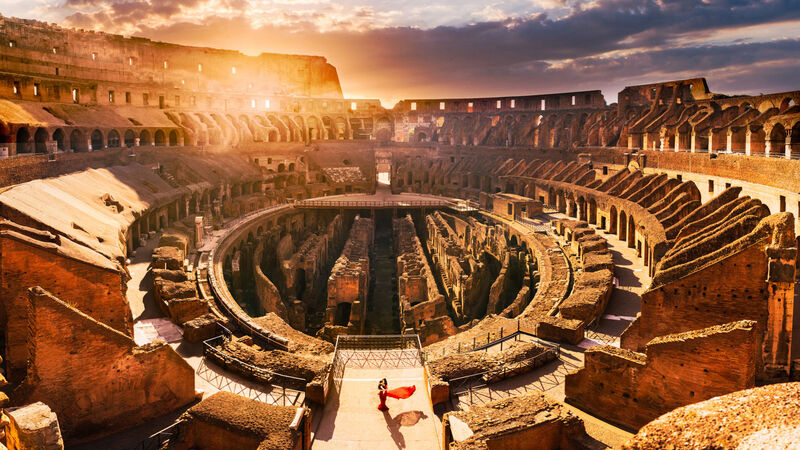
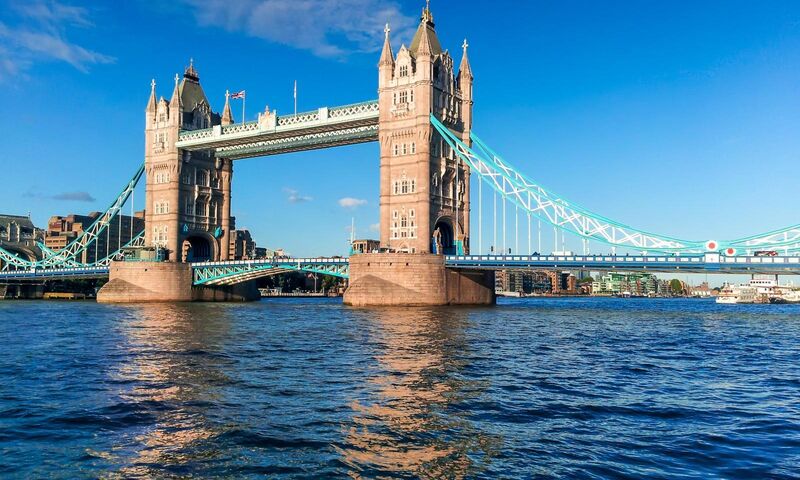
Rome wins on history, food, weather, and sheer emotional impact. London wins on language ease, free museums, food diversity, and transport. Budget snapshot: Rome €90–140/day (~$100–155) vs London £110–170/day (~$140–215) — Rome is noticeably cheaper.
- Choose Rome: History lovers, foodies, budget-conscious travelers, winter visitors, day-trip seekers, anyone whose jaw needs dropping.
- Choose London: English speakers wanting zero friction, free museum devotees, diversity seekers, theatre fans, solo first-timers who want easy navigation.
- Budget snapshot: Rome: €90–140/day (~$100–155); London: £110–170/day (~$140–215).
Choose Rome
History lovers, foodies, budget travelers, winter visitors, day-trip seekers, bucket-listers.
Choose London
English speakers, free museum lovers, diversity seekers, theatre fans, solo first-timers.
Quick Comparison
| Category | 🏛️ Rome | 🇯🇲 London | Winner |
|---|---|---|---|
| Daily Budget (mid-range) | €90–140/day (~$100–155) | £110–170/day (~$140–215) | Rome |
| Food Scene | Cacio e pepe, suppli, gelato, pizza al taglio, trattorias | Incredible global diversity: Indian, Japanese, Middle Eastern, modern British | Tie |
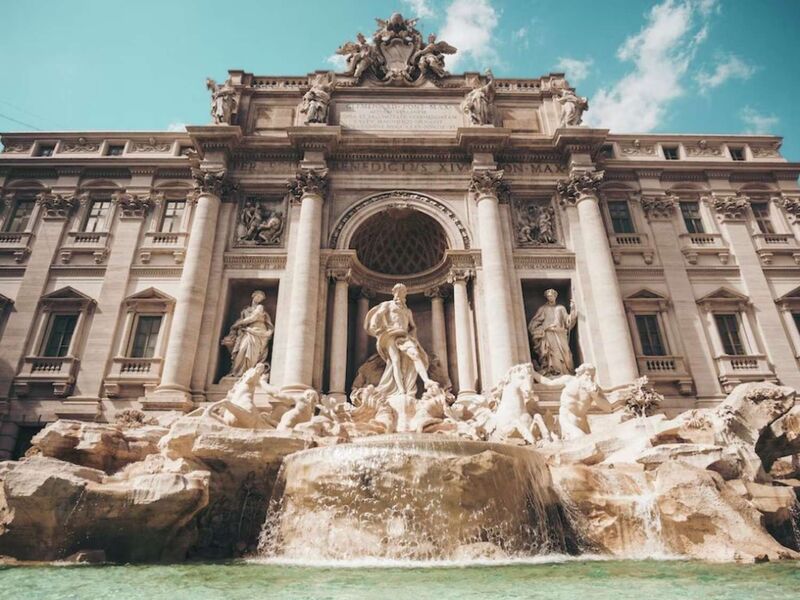
| Iconic Sights | Colosseum, Vatican, Trevi Fountain, Pantheon, Roman Forum | Tower Bridge, Big Ben, Buckingham Palace, British Museum | Rome |
| Museums & Attractions | Vatican Museums (€17), Colosseum (€16), Borghese Gallery (€15) | British Museum, V&A, National Gallery, Tate Modern (all FREE) | London |
| Language | Italian; tourist areas manageable in English | English; zero language barrier | London |
| Public Transit | Metro (3 lines, €1.50/ride) + walkable historic core | Excellent Tube + Elizabeth line; £2.80/ride Oyster, 11 lines | London |
| Weather | Mediterranean: warm summers, mild winters; 2,500 sun hours/yr | Temperate maritime: cool, cloudy; 1,650 sun hours/yr | Rome |
| Day Trips | Florence (1.5h), Naples/Pompeii (1.5h), Orvieto (1h) | Bath (1.5h), Oxford (1h), Cambridge (50min), Stonehenge | Rome |
| Safety | Generally safe; pickpocketing in tourist zones is common | Generally safe; phone snatching in central areas | London |
| Walkability | Historic center very walkable (Colosseum to Trastevere: 30 min) | Spread out; Tube needed for most inter-neighborhood trips | Rome |
| Nightlife | Aperitivo culture, wine bars, Campo de Fiori, Trastevere late-night | Internationally recognized pubs, clubs, Soho; 24-hour Tube on weekends | London |
| First-Timer Experience | Jaw-dropping; history at every turn; slight language barrier | Smooth, legible, English-first; great orientation city | Tie |
🍝 Food & Dining
This is Rome's strongest category, and it is not particularly close. Roman cuisine is one of the great food experiences in the world — cacio e pepe (pasta with cheese and black pepper) for €10, carbonara made correctly (eggs and guanciale, no cream ever), suppli (deep-fried rice balls) from street vendors for €2, pizza al taglio by weight, and gelato from a proper gelateria. A full dinner with wine at a neighborhood trattoria in Trastevere runs €25–40/person. The Testaccio neighborhood produces cucina povera classics that are a revelation. Campo de' Fiori and Mercato Trionfale are authentic food markets where locals shop.
London is the dark horse winner on diversity. Dishoom (Bombay-style cafes), Hawksmoor (best steakhouse in the UK), Borough Market, Brick Lane's curry houses, Korean BBQ in New Malden, Ethiopian injera in Brixton — London is genuinely a world food capital. But eating out in London costs about 30-40% more than Rome for equivalent quality. A pub meal runs £15–25; a nice restaurant dinner is £50+ per person.
🏛️ Culture, History & Museums
Rome is the most historically layered city in Western civilization. Walking from the Colosseum to the Roman Forum to the Capitoline Museums is a genuine encounter with 2,000-year-old structures. The Pantheon — built in 125 AD, still standing, still open (€5 entry) — is one of the most remarkable buildings in existence. The Vatican Museums contain the Sistine Chapel, which essentially cannot be described in words. Add the Castel Sant'Angelo, Borghese Gallery (book weeks ahead), Palatine Hill, and dozens of ancient churches with Caravaggio paintings tucked inside. Rome has more cultural weight per square kilometer than anywhere else on Earth.
London's museum scene is unrivaled — and uniquely free. The British Museum (Rosetta Stone, Elgin Marbles, Egyptian mummies), the V&A (fashion, furniture, design history), the National Gallery (Van Gogh, Turner, Caravaggio), the Natural History Museum, the Science Museum, Tate Modern, Tate Britain — all free. No other world capital offers this breadth of elite-level museums at zero cost. You can spend 10 hours in the British Museum for nothing.
💰 Cost Comparison
Rome is noticeably cheaper than London across almost every category. Budget about €90–140/day in Rome ($100–155): a 3-star hotel near the historic center costs €90–130/night, a proper sit-down lunch is €12–18, aperitivo at a wine bar is €8–12, and the Metro costs €1.50/ride. Attraction costs add up (Colosseum + Roman Forum €16, Vatican Museums €17, Borghese Gallery €15), but one or two per day stays manageable.
London runs £110–170/day ($140–215) for comparable comfort. A 3-star hotel in Zone 1-2 costs £130–200/night, a pub meal is £15–25, and the Tube is £2.80/ride. The critical offset: London's top-tier museums are free, saving £15–20/person/day vs paid European museum cities. Evening theatre adds cost (West End tickets £25–120) but TKTS day seats help.
🚇 Getting Around
London has the superior transit system: 11 Underground lines, 272 stations, the Elizabeth Line connecting Heathrow to central London in 37 minutes for £10.80, and a 24-hour weekend service. An Oyster card Zone 1-2 single costs £2.80 (daily cap ~£8.10). London is large and spread out — getting from Notting Hill to Greenwich requires the Tube. But it is logical and well-signed.
Rome's transit is simpler but more limited. The Metro has just 3 lines (A, B, and the new C) and misses many key tourist sites because underground construction keeps hitting ancient ruins. A ticket costs €1.50 and is valid 100 minutes. The good news: Rome's historic center is genuinely walkable. The Colosseum to the Pantheon to the Trevi Fountain to Piazza Navona is a 40-minute walking circuit. Many visitors barely use public transit at all.
☀️ Best Time to Visit
Rome's best seasons are April–June and September–October. Temperatures hover at 18–26°C (64–79°F), the light is golden, and crowds are manageable. July and August are brutal: 32–36°C (90–97°F), peak tourist season with lines that test your patience. Winter (November–February) is Rome's secret season — 5–13°C (41–55°F), minimal crowds, cheaper hotels, the same ruins and museums with nobody in front of them. Rome gets about 2,500 sunshine hours per year vs London's 1,650.
London's best weather is June–September: 18–24°C (64–75°F), long days, outdoor festivals. London in summer is genuinely wonderful: Hyde Park, South Bank, rooftop bars, Notting Hill Carnival in August. But London in winter is grey, cold (3–8°C), and can be draining, even for locals.
🏈 Where to Stay
In Rome, the best visitor neighborhoods are: Trastevere (medieval cobblestone streets, excellent restaurants, genuine local feel), Centro Storico (Campo de' Fiori, Piazza Navona — maximum walkability, higher prices), Testaccio (foodie neighborhood, authentic, good value, easy Metro access), and Prati (near Vatican, modern streets, good value). Avoid hotels directly next to Termini station — convenient but seedy at night. Budget: €60–90/night hostel, €100–140/night 3-star, €180–300/night boutique.
In London, the best base depends on priorities: Covent Garden/Soho (central, walkable to West End, pricey), Shoreditch (trendy, excellent food, Zone 2, cheaper), South Bank (Tate Modern, Borough Market, river views), Marylebone (calm, upscale, well-connected). Budget: £45–70/night hostel dorm, £120–180/night 3-star, £200–400/night boutique.
🌌 Day Trips
Rome's day trip options are spectacular. Florence by high-speed train is 1.5 hours each way (€25–50 return) — the Uffizi Gallery, Michelangelo's David, the Duomo. Naples + Pompeii: 1.5 hours by high-speed train to Naples, then 35 minutes on the Circumvesuviana to Pompeii. An ancient Roman city frozen in 79 AD. Orvieto: 1 hour, a impressive hilltop medieval city with a glittering Gothic cathedral. Tivoli: 1 hour, with Hadrian's Villa and Villa d'Este. Ostia Antica: 45 minutes, Rome's ancient port city, less visited than Pompeii but equally well-preserved.
London's day trips are excellent but less dramatic. Bath (1.5 hrs, £15–30): excellent Roman baths and Georgian architecture. Oxford (1 hr, £12–25): university spires, punting on the Thames. Cambridge (50 min, £10–20): King's College Chapel, the Backs. Stonehenge: day tours from London from £25. Cotswolds: quintessential English villages. Bruges: via Eurostar from £60–80 return.
🔀 Why Not Both?
Rome and London are easily combined on a 10–14 day Europe trip, with a direct 2.5-hour flight connecting them (£30–100 return on budget airlines). A classic itinerary: 5 nights Rome (with a day trip to Florence or Pompeii), fly to London, 5 nights London (with a day trip to Oxford or Bath). This combo gives you ancient history and modern metropolis, pasta and pub food, Mediterranean sunshine and English green parks. It is one of the most popular multi-city Europe itineraries on Reddit for good reason.
If time is limited (5–7 days total), most Reddit travelers recommend Rome: the concentration of things you can only see in Rome (Colosseum, Vatican, Pantheon, Trevi Fountain) is extraordinary. But London as a first or only Europe trip is never wrong.
Related comparisons: Rome vs Paris | London vs Paris | Rome vs Amsterdam | Rome vs Barcelona
🎯 The Decision Framework
Choose Rome If…
- You want to walk through millennia-old ruins like the Colosseum.
- You crave authentic pasta, pizza, and gelato daily.
- You prefer warmer, sunnier weather for your travels.
- Your daily budget is closer to €90-140 (~$100-155).
- You prioritize a profound sense of ancient heritage and emotional impact.
- You appreciate a slower pace and more spontaneous discoveries.
- You want to experience classic Mediterranean cuisine without overspending.
- You are looking for a city where history feels palpable on every street.
Choose London If…
- You prefer communicating easily in English.
- You want to visit major museums like the British Museum without entry fees.
- You seek a wide variety of international cuisines and dining experiences.
- You rely on an extensive and efficient public transport network.
- Your daily budget is closer to £110-170 (~$140-215).
- You enjoy a modern, global city atmosphere with diverse neighborhoods.
- You want access to world-renowned theatre and music venues.
- You prefer a city with clear-cut, easy-to-navigate districts.
❓ Frequently Asked Questions
Is Rome or London better for first-time visitors to Europe?
Both are iconic first stops in Europe. Rome delivers history, food, and sheer visual drama. London offers English-language ease, internationally recognized free museums, and smooth public transport. Reddit consensus: if you only speak English and want zero friction, go London. If ancient history and Italian food are your priorities, go Rome. Most first-timers who have done both rate Rome higher for emotional impact.
How far apart are Rome and London?
About 1,440 km (895 miles) apart. Direct flights take 2.5-3 hours from London to Rome Fiumicino. Budget carriers like Ryanair, EasyJet, and Wizz Air run the route for £30-100 return booked in advance.
Is Rome cheaper than London?
Yes, significantly. A mid-range day in Rome runs €90-140/day (~$100-155). London runs £110-170/day (~$140-215). Accommodation in Rome costs €90-130/night for a 3-star vs £130-200/night in central London. Food is dramatically cheaper too: a pasta meal in Rome is €12-18 vs a pub meal in London at £15-25.
Which city has better food, Rome or London?
Rome wins on cuisine depth, authenticity, and value: cacio e pepe for €10, suppli for €2, among the best gelato, and pizza al taglio everywhere. London wins on diversity: Indian in Brick Lane, Japanese omakase in Marylebone, Ethiopian in Brixton, Korean BBQ in New Malden. For the specific joy of eating Italian food in Italy, Rome wins decisively.
What is the best time to visit Rome vs London?
Rome is best April-June and September-October: comfortable 18-26°C (64-79°F), manageable crowds. July-August is extremely hot (32-36°C). London is best June-September for warmth and festivals. February is grey and rainy in London but mild and cheap in Rome.
Is Rome or London better in February?
Rome by a wide margin. February in London is cold (3-8°C), grey, and rainy. February in Rome is mild (5-13°C), with occasional sunshine and minimal crowds. Reddit threads on this topic are almost universally answered with one word: Rome. One top-voted comment simply stated 'February? Rome.' and got 54 upvotes.
Is Rome or London safer for solo travelers?
London is generally considered safer. Rome has significant pickpocketing issues around the Colosseum, Trevi Fountain, Vatican, and tourist restaurants. Keep valuables secure and be wary of distraction scams. London has its own risks (phone snatching) but crime feels less targeted at tourists. Thousands of solo travelers visit Rome safely every year with basic precautions.
What are the best day trips from Rome vs London?
Rome day trips: Florence (1.5 hrs by high-speed train, €25-50), Naples + Pompeii (1.5 hrs, €15-30), Orvieto (1 hr, €10), Tivoli (1 hr, €8), Ostia Antica (45 min, €8). London day trips: Bath (1.5 hrs, £15-30), Oxford (1 hr, £12-25), Cambridge (50 min, £10-20), Stonehenge (from £25). For sheer variety and historical weight, Rome's day trips win.
Ready to plan your Europe trip?
Get a free custom itinerary for Rome, London, or both — built from real traveler insights, not generic templates.
🎟️ Book Tours & Experiences
Hand-picked tours and activities for both destinations — book with free cancellation
Experiences via Viator — free cancellation on most tours