How we built this comparison
This page combines traveler discussion patterns, published price ranges, flight schedules, and seasonal data to help you decide between Rome and Amsterdam.
- Reviewed 50+ Reddit threads from r/travel, r/solotravel, r/Rome, r/Amsterdam, and r/europetravel for authentic traveler perspectives.
- Verified costs for attractions, accommodation, food, and transport against current booking platforms (e.g., Booking.com, Kayak, official museum sites) and recent traveler reports.
- Cross-referenced seasonal patterns and weather data from meteorological sources to provide accurate best-time-to-visit recommendations.
- Incorporated insights from experienced travelers and locals to offer opinionated and practical advice beyond generic guidebooks.
⚡ The TL;DR Verdict
For those seeking an immersive dive into ancient history, unparalleled food, and a more budget-friendly adventure, Rome is your clear winner, ideal for daily budgets of €80-€150 ($85-$160). If you crave picturesque canals, internationally recognized museums, a neon-lit progressive culture, and don't mind a slightly higher daily spend of €120-€200 ($130-$215), then Amsterdam awaits.
- Choose Rome: Perfect for history buffs, foodies on a budget, and those who love to wander through layers of ancient civilization, enjoying busy street life and an authentic Italian atmosphere.
- Choose Amsterdam: Ideal for art lovers, cycling enthusiasts, those seeking a relaxed yet energetic city vibe, and travelers who appreciate modern amenities, excellent public transport, and unique café culture.
- Choose Both: If you have 10-14 days and want a diverse European experience combining ancient grandeur with modern charm, flying between the two is efficient (approx. 2.5 hours, €50-€150 ($55-$160)).
Choose Rome
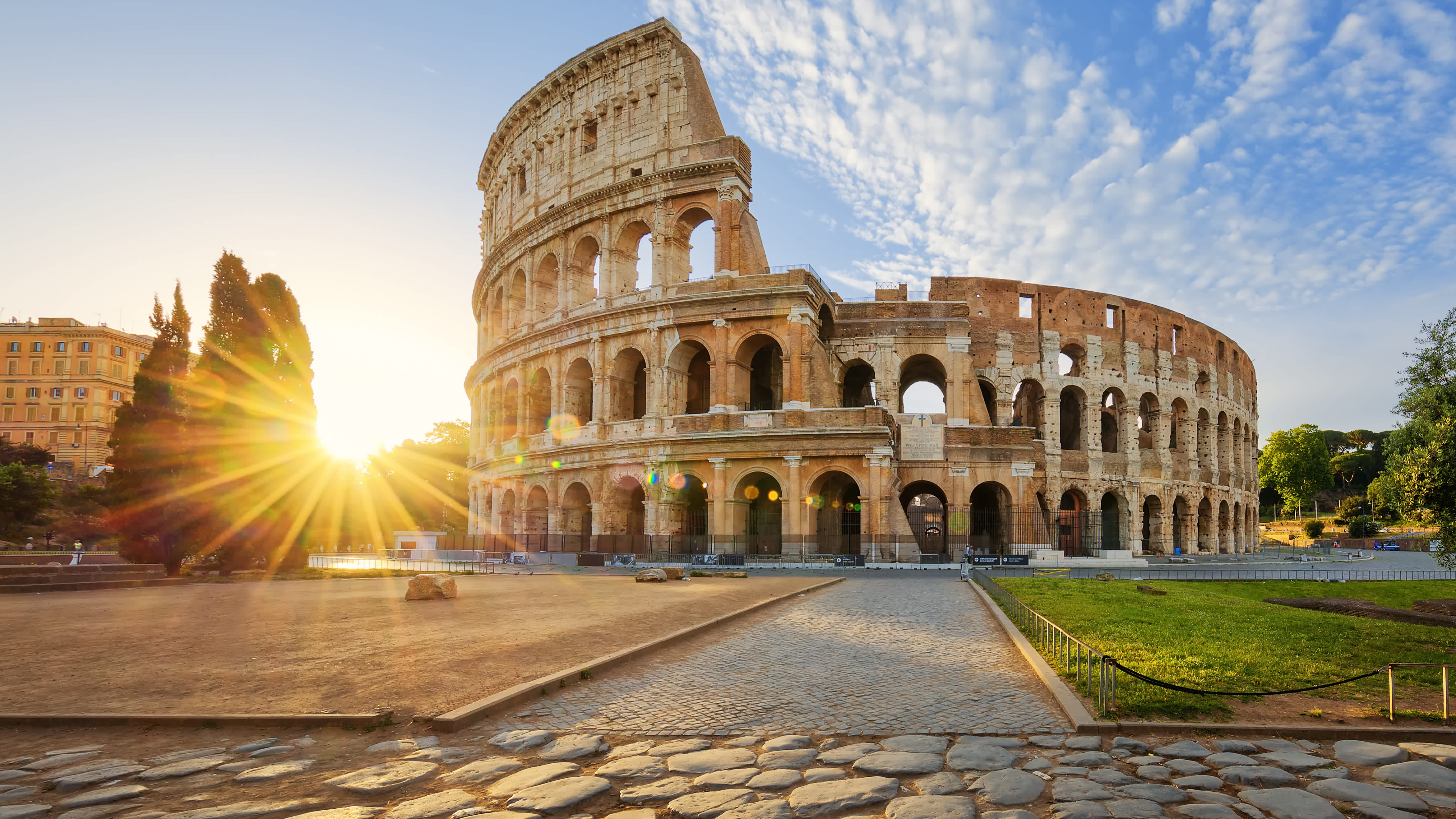
Rome is best for travelers eager to delve into millennia of history without breaking the bank. Imagine spending your days exploring the Colosseum and Roman Forum, then savoring authentic pasta in Trastevere, all while enjoying a dense, budget-friendly atmosphere. It's perfect for those who thrive on ancient wonders, delicious local cuisine, and a lively Italian street scene.
Choose Amsterdam
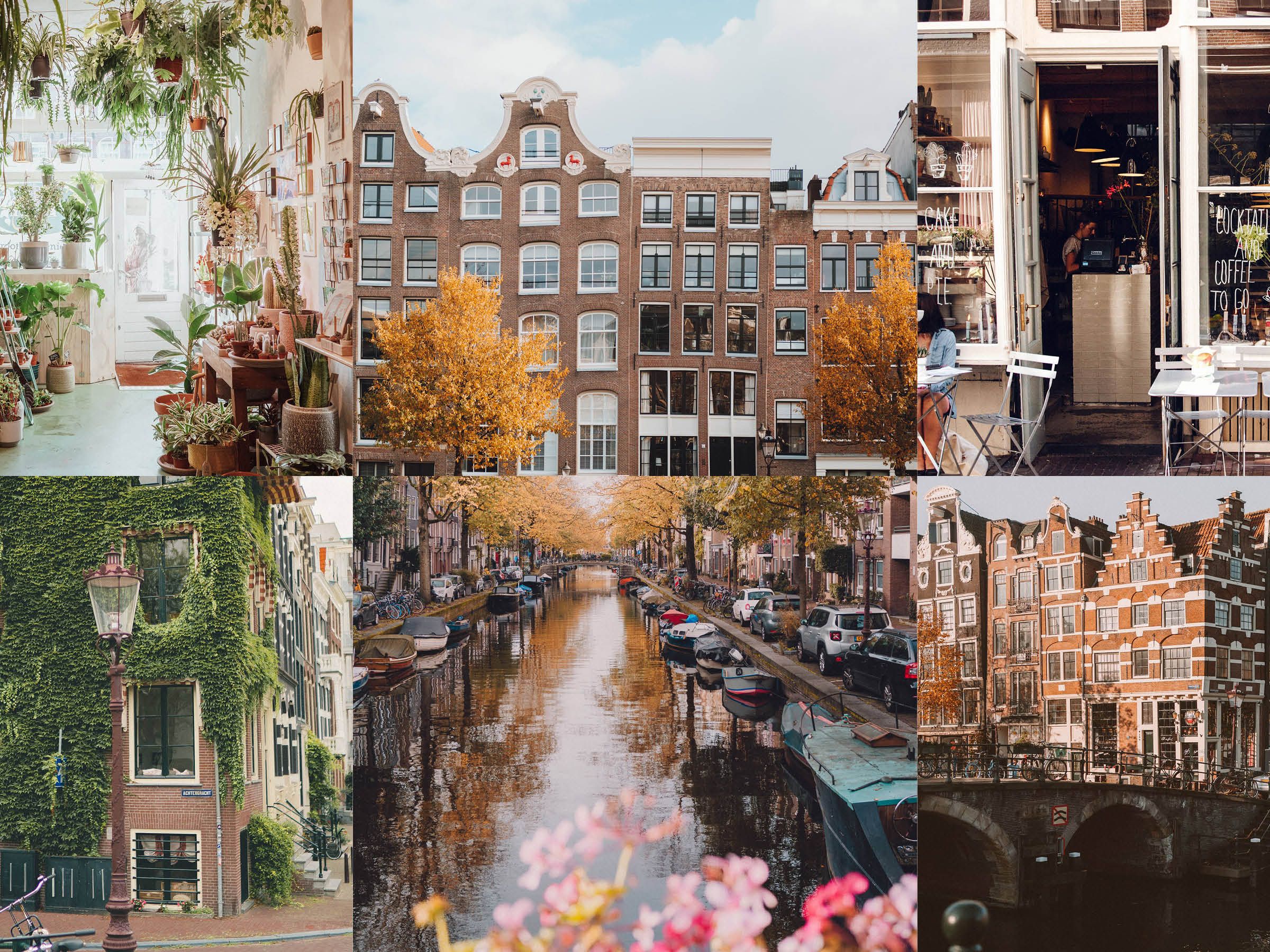
Amsterdam is your ideal choice if you appreciate top-tier art, charming canal-side exploration, and a progressive, relaxed atmosphere, with a slightly higher budget. Picture cycling along picturesque waterways, exploring masterpieces at the Rijksmuseum, and unwinding in unique 'brown cafés.' It's perfect for culture seekers, active explorers, and those who value a sophisticated yet laid-back European city experience.
Quick Comparison
| Category | Rome | Amsterdam | Winner |
|---|---|---|---|
| Culture & History | Ancient ruins, Vatican City, Renaissance art, profound historical depth. | Golden Age art, Anne Frank House, canal houses, progressive social history. | Rome |
| Food & Drink | World-renowned pasta, pizza, gelato, espresso; authentic Italian flavors. | Stroopwafels, bitterballen, diverse international cuisine (Indonesian), craft beer. | Rome |
| Nightlife & Entertainment | Busy piazzas, lively trattorias, Trastevere bars, local clubs. | Red Light District, Leidseplein/Rembrandtplein clubs, unique coffeeshops, canal cruises. | Amsterdam |
| Costs (Budget) | Generally more affordable for food, transport, and some attractions. | Higher average costs for accommodation, food, and transport. | Rome |
| Getting Around | Walkable city center, efficient metro/bus, good for exploring on foot. | Highly walkable/bikeable, excellent tram/metro system, easy to navigate. | Amsterdam |
| Accommodation | Wide range of hotels, B&Bs, apartments; good value outside peak season. | Charming canal-side hotels, boutique options, generally higher prices. | Tie |
| Day Trips | Pompeii, Naples, Florence, Tivoli, Assisi. | Zaanse Schans, Keukenhof, Utrecht, Haarlem, The Hague. | Rome |
| Weather & Best Seasons | Hot, dry summers; mild winters; beautiful spring/autumn. | Mild summers, cool/wet winters; pleasant spring/early autumn. | Rome |
| Safety & Vibe | Lively, chaotic, historical atmosphere; generally safe but watch for pickpockets. | Relaxed, progressive, charming canal city; very safe overall. | Amsterdam |
| Solo Travel Friendliness | Easy to meet people, great walking tours, solo dining can be less common. | Very safe, easy to navigate, many social hostels, welcoming atmosphere. | Amsterdam |
🏛️ Culture & History
Rome is an open-air museum where every corner tells a story. From the awe-inspiring Colosseum (€18-€22 / $19-$23) and Roman Forum to the spiritual heart of Vatican City with St. Peter's Basilica and the Vatican Museums (Sistine Chapel, €17-€25 / $18-$27), the sheer scale and age of its historical sites are unmatched. You can spend days exploring the Pantheon, Trevi Fountain, and Borghese Gallery (€13-€17 / $14-$18), feeling the weight of millennia beneath your feet. Amsterdam offers incredible cultural experiences like the Rijksmuseum (€22 / $23) with Rembrandt's 'The Night Watch' and the Van Gogh Museum (€22 / $23), plus the somber Anne Frank House (€16 / $17). While profoundly impactful, Amsterdam's history is more modern compared to Rome's ancient grandeur. A Reddit user put it perfectly: "Rome feels like you're stepping back in time, literally walking on history. Amsterdam's history is fascinating, but it's a different kind of immersion, more focused on art and recent events."
Winner takeaway
- Winner: Rome
- Why: Rome's unparalleled concentration of ancient, classical, and religious history offers a more profound and extensive cultural immersion.
- Who this matters for: History buffs, art enthusiasts, and anyone seeking to connect with the roots of Western civilization.
🍝 Food & Drink
Rome is a culinary paradise, offering some of the best food in the world without breaking the bank. Think authentic Roman pasta dishes like Cacio e Pepe, Amatriciana, and Carbonara (a plate costs €12-€18 / $13-$19 at places like Roscioli or Da Enzo al 29). Pizza al taglio from Bonci Pizzarium or a whole pie from Dar Poeta in Trastevere (€10-€15 / $11-$16) is a must. Gelato is an art form here, with multiple artisanal shops like Giolitti or Fassi offering scoops for €3-€5 ($3.20-$5.30). Coffee is a ritual, not a commodity. Amsterdam, while having some good food, is more famous for snacks like stroopwafels and bitterballen (€5-€8 / $5.30-$8.50 a serving). Its strength lies in its international cuisine, particularly Indonesian rijsttafel (€30-€50 / $32-$53 per person), and its craft beer scene (e.g., Brouwerij 't IJ). However, for sheer quality, variety, and value of traditional cuisine, Rome is unbeatable. As one Redditor noted, "You could eat for a month in Rome and never have a bad meal. Amsterdam is fine, but Rome's food scene is just on another level for traditional cuisine."
Winner takeaway
- Winner: Rome
- Why: Rome offers an unmatched authentic culinary experience with incredible traditional dishes and high-quality ingredients at generally better prices.
- Who this matters for: Foodies, budget travelers, and anyone passionate about exploring local flavors and traditional cuisine.
🥂 Nightlife & Entertainment
Amsterdam's nightlife is diverse and packed, catering to a wide range of tastes. The famous Red Light District offers a unique, if sometimes touristy, experience. For more conventional fun, areas like Leidseplein and Rembrandtplein are packed with bars, pubs, and clubs such as Melkweg and Paradiso (entry usually €15-€25 / $16-$27). The city's unique coffeeshop culture also adds a distinct element to its evening offerings, with many establishments having a relaxed, social atmosphere. Canal cruises in the evening offer a picturesque way to see the city lights. Rome's nightlife is more focused on socialising in lively neighborhoods like Trastevere, with its charming bars (e.g., Freni e Frizioni, cocktails €8-€12 / $8.50-$13) and buzzing piazzas. Testaccio has more dedicated clubs, but the overall club scene isn't as globally renowned or as varied as Amsterdam's. For a city that truly comes alive with diverse entertainment options after dark, Amsterdam takes the edge. "Amsterdam has everything from huge clubs to chill brown cafes and, of course, the coffeeshops. Rome is more about long dinners and drinks in Trastevere, which is great, but less varied," commented a traveler on Reddit.
Winner takeaway
- Winner: Amsterdam
- Why: Amsterdam offers a more diverse and globally recognized nightlife scene, from unique cultural experiences to among the best clubs and bars.
- Who this matters for: Party-goers, social travelers, and those seeking a dynamic and varied evening entertainment experience.
💸 Costs (Budget)
When it comes to stretching your travel budget, Rome generally offers better value than Amsterdam. For a mid-range traveler, expect to spend around €80-€150 ($85-$160) per day in Rome. This includes good meals (pasta €12-€18 / $13-$19), public transport (€1.50 / $1.60 for a single bus/metro ticket), and entry to major attractions. Accommodation can range from €70 ($75) for a decent B&B to €150 ($160) for a comfortable hotel room outside the most central areas. In contrast, Amsterdam is notably more expensive, with a mid-range daily budget typically sitting at €120-€200 ($130-$215). A simple lunch can easily be €15-€25 ($16-$27), and public transport is also pricier (€3.20 / $3.40 for a single GVB hour ticket). Hotel rooms are significantly higher, with even basic hotels often starting at €120 ($130) and quickly climbing to €200+ ($215+) in central areas. "I found my money went way further in Rome. Eating out was cheaper, and even a good aperitivo could replace dinner. Amsterdam felt like every euro vanished," a Reddit user recounted.
Winner takeaway
- Winner: Rome
- Why: Rome offers a more budget-friendly travel experience across accommodation, food, and public transport, making it accessible to a wider range of travelers.
- Who this matters for: Budget-conscious travelers, backpackers, and anyone looking to maximize their travel experience without overspending.
🚶 Getting Around
Amsterdam's compact size and flat terrain make it exceptionally easy to navigate. The city is incredibly walkable, and cycling is king, with dedicated bike lanes everywhere (rentals around €10-€15 / $11-$16 per day). Its public transport system (trams, buses, metro) is clean, efficient, and well-integrated, using the OV-chipkaart or GVB tickets (e.g., 24-hour ticket €9 / $9.60). The canal system also makes for picturesque water taxis or cruises. Rome's city center is also very walkable, especially for hitting major sites, but it's much larger and hillier. Its metro system (A, B, C lines) is efficient but limited in coverage, often requiring bus transfers to reach certain areas (single ticket €1.50 / $1.60). Traffic can be chaotic, and buses can be slow. While Rome has charm in its chaos, Amsterdam's ease of getting around, particularly by bike, makes for a smoother, more enjoyable experience for many visitors. "Amsterdam's public transport is a dream, and you can bike everywhere. Rome's metro is good for a few things, but then you're stuck with buses or walking miles in the heat," a traveler shared.
Winner takeaway
- Winner: Amsterdam
- Why: Amsterdam's compact, flat layout, extensive bike infrastructure, and highly efficient public transport system make it incredibly easy and pleasant to get around.
- Who this matters for: Active travelers, cyclists, those who appreciate efficiency, and visitors with limited mobility.
🏨 Accommodation
Both cities offer a broad spectrum of accommodation, but with different characteristics and price points. Rome has a vast selection, from charming B&Bs near the Vatican or Trastevere (starting around €70-€100 / $75-$107) to grand hotels in the city center. You can find good value, especially if you book slightly outside the absolute peak tourist areas or during shoulder seasons. Amsterdam, on the other hand, is known for its picturesque canal-house hotels and boutique stays, which often come with a higher price tag. A decent central hotel in Amsterdam usually starts at €120-€150 ($130-$160) and can easily go up to €250+ ($270+). Hostels are prevalent in both, but Amsterdam's tend to be more modern and slightly pricier (dorm beds €35-€60 / $37-$64 vs. Rome's €25-€50 / $27-$53). The 'winner' here really depends on your budget and what kind of charm you prefer. Rome offers more 'bang for your buck' in terms of space and historical charm at lower price points, while Amsterdam's unique canal-side properties offer a distinct, albeit costlier, experience. "Finding a reasonably priced hotel in central Amsterdam that wasn't tiny was a challenge. Rome had more options that felt like good value," a traveler once posted, while another countered: "Amsterdam's boutique hotels are worth the splurge for the unique experience, even if they're small."
Winner takeaway
- Winner: Tie
- Why: Both cities offer distinct accommodation experiences; Rome provides better value and more traditional options, while Amsterdam offers unique, albeit pricier, canal-side charm.
- Who this matters for: Travelers with varying budgets; Rome for value, Amsterdam for unique boutique stays (if budget allows).
🏞️ Day Trips
Rome's strategic location in Italy opens up an incredible array of day trip possibilities that are hard to beat. You can take a high-speed train to Florence (€20-€60 / $21-$64, 1.5-2 hours) for elite-level Renaissance art, or venture south to Naples and the ancient ruins of Pompeii (€15 / $16 entrance, plus train fare around €15-€30 / $16-$32, 1-2 hours). Closer options include Tivoli with Hadrian's Villa and Villa d'Este (€10-€12 / $11-$13 for entry, 1 hour by train). The historical and cultural depth of these destinations is immense. Amsterdam also offers excellent day trips, such as the picturesque windmills and clog workshops of Zaanse Schans (20 mins by train, €5 / $5.30), the packed flower fields of Keukenhof (seasonal, bus from Schiphol, €19 / $20 entrance), or charming cities like Utrecht and Haarlem (both less than 30 mins by train). While lovely, Amsterdam's day trip options, aside from Keukenhof, generally don't offer the same level of historical gravitas or diverse landscapes as those from Rome. As one traveler noted, "From Rome, you can literally touch thousands of years of history in Pompeii or see Renaissance masterpieces in Florence. Amsterdam's day trips are charming, but it's a different league."
Winner takeaway
- Winner: Rome
- Why: Rome offers a wider array of historically significant and culturally rich day trip options, including iconic cities and ancient sites, accessible by efficient train connections.
- Who this matters for: History buffs, art lovers, and travelers who want to explore beyond the main city and experience diverse regions.
☀️ Weather & Best Seasons
Rome generally boasts more consistent and agreeable weather for tourism, especially during its shoulder seasons. Spring (April-May) and Autumn (September-October) are ideal, with temperatures ranging from 18-25°C (64-77°F), clear skies, and fewer crowds, making it perfect for exploring ancient sites. Summers (June-August) can be intensely hot, often exceeding 30°C (86°F), which can be challenging for sightseeing, but evenings are lovely. Winters are mild, with temperatures rarely dropping below freezing, making it a decent off-season option. Amsterdam, by contrast, has more unpredictable weather. Summers (June-August) are pleasant with averages around 20-22°C (68-72°F) and long daylight hours, but rain is always a possibility. Spring (April-May) is famous for the tulips at Keukenhof but can still be quite cool and windy. Winters are cold, damp, and grey, with temperatures often hovering around freezing, making outdoor activities less appealing. For consistently pleasant weather conducive to sightseeing and outdoor dining, Rome has the advantage. "I went to Rome in October and it was absolutely perfect – warm enough for short sleeves but not scorching. Amsterdam in April was beautiful with the flowers, but I still needed a heavy jacket and it rained a lot," a Reddit user recounted.
Winner takeaway
- Winner: Rome
- Why: Rome offers more reliably pleasant weather for tourism, with extended shoulder seasons that are ideal for sightseeing, and generally milder winters.
- Who this matters for: Travelers sensitive to cold/rain, those planning extended outdoor activities, and anyone preferring sunny, warm conditions.
✨ Safety & Vibe
Amsterdam is renowned for its relaxed, tolerant, and safe atmosphere. Walking around at night, even in less central areas, feels generally secure. The vibe is chill, multicultural, and very organized, making it easy for first-time visitors to feel comfortable. While petty crime like pickpocketing exists, it's less prevalent than in Rome. Rome has a distinctly more chaotic, busy, and energetic vibe. It's an incredibly lively city, but it requires more street smarts. Pickpocketing is a significant concern, especially around major tourist attractions like the Colosseum, Termini station, and crowded buses/metros. While not inherently dangerous, you need to be constantly aware of your belongings. The traffic can also be intimidating for pedestrians. Amsterdam’s orderly charm and low crime rates make it feel more effortlessly safe and peaceful. "I felt completely at ease walking everywhere in Amsterdam, day or night. In Rome, I was constantly clutching my bag, especially on crowded buses. It's a different kind of 'safe' feeling," a Reddit commenter shared.
Winner takeaway
- Winner: Amsterdam
- Why: Amsterdam offers a more relaxed, orderly, and consistently safe environment, with lower rates of petty crime and less chaotic street life.
- Who this matters for: Solo travelers, families, and those who prioritize a relaxed and secure travel experience.
👤 Solo Travel Friendliness
Amsterdam shines as a top destination for solo travelers. Its excellent public transport, extreme walkability/bikeability, and very low crime rates make it incredibly easy and safe to explore alone. The abundance of social hostels (e.g., Flying Pig Downtown, Generator Amsterdam, dorms €35-€60 / $37-$64) and welcoming 'brown cafes' makes meeting other travelers or locals effortless. There's plenty to do solo, from museum hopping to simply enjoying a coffee by the canals. Rome is also good for solo travel due to its historical sites and busy atmosphere, but it comes with a few caveats. The pickpocketing risk requires constant vigilance, and while you can certainly eat solo, the Roman dining culture is very communal, which might feel less natural for some solo diners compared to Amsterdam's more individualistic cafe scene. Hostels are plentiful but can be a bit more basic (dorms €25-€50 / $27-$53). For sheer comfort, ease, and a less intimidating environment to navigate alone, Amsterdam takes the lead. A solo female traveler on Reddit stated, "Amsterdam was a breeze solo. I felt completely safe, made friends easily at my hostel, and could just wander without a care. Rome was amazing, but I definitely felt more on guard and it was harder to just sit down for dinner alone without feeling out of place."
Winner takeaway
- Winner: Amsterdam
- Why: Amsterdam's high safety, ease of navigation, and social atmosphere make it an exceptionally comfortable and welcoming destination for solo travelers.
- Who this matters for: Solo travelers, especially first-timers or those seeking a highly independent and secure adventure.
🎯 The Decision Framework
Choose Rome If…
- You want to walk among ancient Roman ruins like the Colosseum and Roman Forum.
- You crave authentic, budget-friendly pasta, pizza, and gelato daily.
- Your daily travel budget is between €80-€150 for food and activities.
- You want easy access to historical day trips like Pompeii or Tivoli.
- You prefer a destination with more consistent sunshine and mild winters.
- You desire a deep immersion into millennia of art and religious history.
- You appreciate enjoying a three-course meal for under €25.
- You want to explore iconic landmarks like the Vatican and Pantheon without entry fees.
Choose Amsterdam If…
- You prefer getting around easily by bicycle or walking everywhere.
- You want to experience a progressive, tolerant, and openly liberal culture.
- You seek major art museums like the Rijksmuseum and Van Gogh Museum.
- You desire a diverse and neon-lit nightlife scene with many bars and clubs.
- You are planning a solo trip and prioritize ease of navigation and social interaction.
- You appreciate a city with clean canals and characteristic architecture.
- You want to explore specific niche museums like the Anne Frank House or cannabis museums.
- You prefer a city where English is widely spoken and understood by locals.
- You value a city consistently ranked high for personal safety.
❓ Frequently Asked Questions
Which city is better for a romantic getaway?
While both have charm, Rome's passionate atmosphere, candlelit trattorias, and iconic romantic spots like the Trevi Fountain or a sunset stroll by the Colosseum give it an edge. Amsterdam offers picturesque canal cruises and charming boutique hotels, but Rome's inherent romance is hard to beat.
Is English widely spoken in Rome vs. Amsterdam?
English is widely spoken in tourist areas and by younger generations in both cities. However, you'll find a higher proficiency and more widespread use of English in Amsterdam, especially in service industries. In Rome, knowing a few basic Italian phrases will go a long way and is appreciated.
Which city is better for families with young children?
Amsterdam is often preferred for families due to its safer, flatter streets, excellent playgrounds (like Vondelpark), and interactive museums (NEMO Science Museum). Rome, while amazing, can be challenging with strollers due to uneven cobblestones, crowds, and less child-centric dining options.
What's the best way to get between Rome and Amsterdam?
The most efficient way is by flying. Direct flights between Rome Fiumicino (FCO) and Amsterdam Schiphol (AMS) take approximately 2.5 hours and can cost anywhere from €50-€150 ($55-$160) if booked in advance with budget airlines like EasyJet or KLM.
Which city has better art museums?
This is subjective, but for classical and Renaissance art, Rome excels with the Vatican Museums, Borghese Gallery, and Capitoline Museums. For Dutch Golden Age masters and modern art, Amsterdam is unparalleled with the Rijksmuseum, Van Gogh Museum, and Stedelijk Museum. It depends on your preferred era.
Can I visit both Rome and Amsterdam in one week?
While technically possible, it would be a rushed trip. You'd spend a significant portion of your time traveling between the two. For a more enjoyable experience, dedicate at least 4-5 full days to each city, making a 10-day to two-week trip ideal for visiting both.
Which city is better for shopping?
Amsterdam offers excellent shopping, from high-end boutiques in the 'Nine Streets' to unique local designers and vintage finds. Rome is great for Italian fashion, leather goods, and high-street brands, particularly around Via del Corso. Amsterdam generally has a more diverse and accessible shopping scene for a wider range of tastes.
What are the key differences in public transport?
Rome primarily uses a metro and bus system, which can be crowded and less comprehensive, with some areas requiring transfers. Amsterdam boasts a highly efficient, clean, and well-integrated network of trams, buses, and a metro, making navigation seamless, complemented by its robust cycling infrastructure.
Ready to plan your European adventure?
Get a free custom itinerary for Rome, Amsterdam, or both — built from real traveler insights.
🎟️ Book Tours & Experiences
Hand-picked tours and activities for both destinations — book with free cancellation
Experiences via Viator — free cancellation on most tours