How we built this comparison
This page combines traveler discussion patterns, published price ranges, flight schedules, and seasonal data to help you decide between Portugal and Spain.
- Reviewed 50+ Reddit threads from r/travel, r/solotravel, r/Portugal, r/Spain, and r/Eurotravel for authentic traveler experiences and advice.
- Verified costs and logistics (flight times, train prices, accommodation rates) against current booking platforms like Google Flights, Booking.com, and Omio for Q1 2024 data.
- Cross-referenced seasonal patterns and weather data from climate-data.org to ensure accurate recommendations for optimal travel times.
⚡ The TL;DR Verdict
If you're after rugged natural beauty, budget-friendly charm, and a laid-back vibe, Portugal is your winner, perfect for a €60-€100 ($65-$110) daily budget. Spain, on the other hand, offers unparalleled cultural diversity, elite-level nightlife, and exceptional infrastructure for a slightly higher daily spend of €80-€130 ($87-$140).
- Choose Portugal: Choose Portugal if you prioritize gorgeous coastal scenery, delicious fresh seafood, a more relaxed pace, and a slightly lower cost of travel. It's fantastic for solo travelers, couples, and those seeking a blend of history, beaches, and wine without the frenetic energy of bigger cities.
- Choose Spain: Opt for Spain if you're craving diverse regional cultures (from Catalonia to Andalusia), world-renowned art and architecture, incredible nightlife, and a highly efficient transport network. It's ideal for foodies, art lovers, party-goers, and families looking for varied experiences.
- Choose Both: If you have 3 weeks or more, absolutely do both! Start in Lisbon, take a high-speed train to Seville, then explore further into Spain. It's a fantastic way to experience the distinct yet complementary cultures of the Iberian Peninsula without feeling rushed.
Quick Comparison
| Category | Portugal | Spain | Winner |
|---|---|---|---|
| Costs & Budget | Generally more affordable for accommodation, food, and local transport. Good value. | Slightly pricier, especially in major cities like Barcelona/Madrid, but still budget-friendly compared to Northern Europe. | Portugal |
| Food & Drink | Fresh seafood, pastéis de nata, hearty stews, Port wine, and Vinho Verde. Rustic and delicious. | Tapas culture, paella, jamón ibérico, diverse regional cuisines, internationally recognized wines (Rioja, Cava). | Spain |
| Beaches & Coastline | Dramatic cliffs, hidden coves, golden sands, and excellent surfing conditions along the Atlantic. Algarve is striking. | Vast sandy beaches, Mediterranean warmth, party islands (Ibiza), and resort-style coasts. Diverse but less rugged. | Portugal |
| Culture & History | Age of Discoveries, Fado music, Moorish influence, Azulejo tiles, melancholic charm, Roman ruins. | Roman and Moorish empires, Flamenco, Gaudi's architecture, top-tier art museums, diverse regional identities. | Spain |
| Nightlife & Entertainment | Energetic bar scene in Lisbon's Bairro Alto, Fado houses, relaxed late-night cafes. Lively but generally less intense. | World-famous clubbing (Ibiza), late-night tapas bars, legendary mega-clubs in Madrid/Barcelona, Flamenco shows. | Spain |
| Getting Around | Good intercity buses, decent train network, charming trams in cities. Driving can be challenging outside main routes. | Excellent high-speed rail (AVE), extensive bus network, easy domestic flights. Very efficient and well-connected. | Spain |
| Nature & Outdoors | Dramatic coastal cliffs (Algarve), Douro Valley vineyards, Peneda-Gerês National Park, Azores/Madeira islands. | Pyrenees mountains, Picos de Europa, volcanic Canary Islands, Sierra Nevada, varied landscapes from deserts to wetlands. | Spain |
| Accommodation | Charming boutique hotels, guesthouses, and hostels at excellent prices. Pousadas (historic hotels). | Wide range from luxury hotels to budget hostels. Paradores (historic hotels) and more established chains. | Portugal |
| Safety & Comfort | Very safe for tourists, relaxed atmosphere. Petty crime (pickpocketing) in tourist areas. | Generally safe, but crowded cities have higher rates of pickpocketing. Can feel more crowded. | Tie |
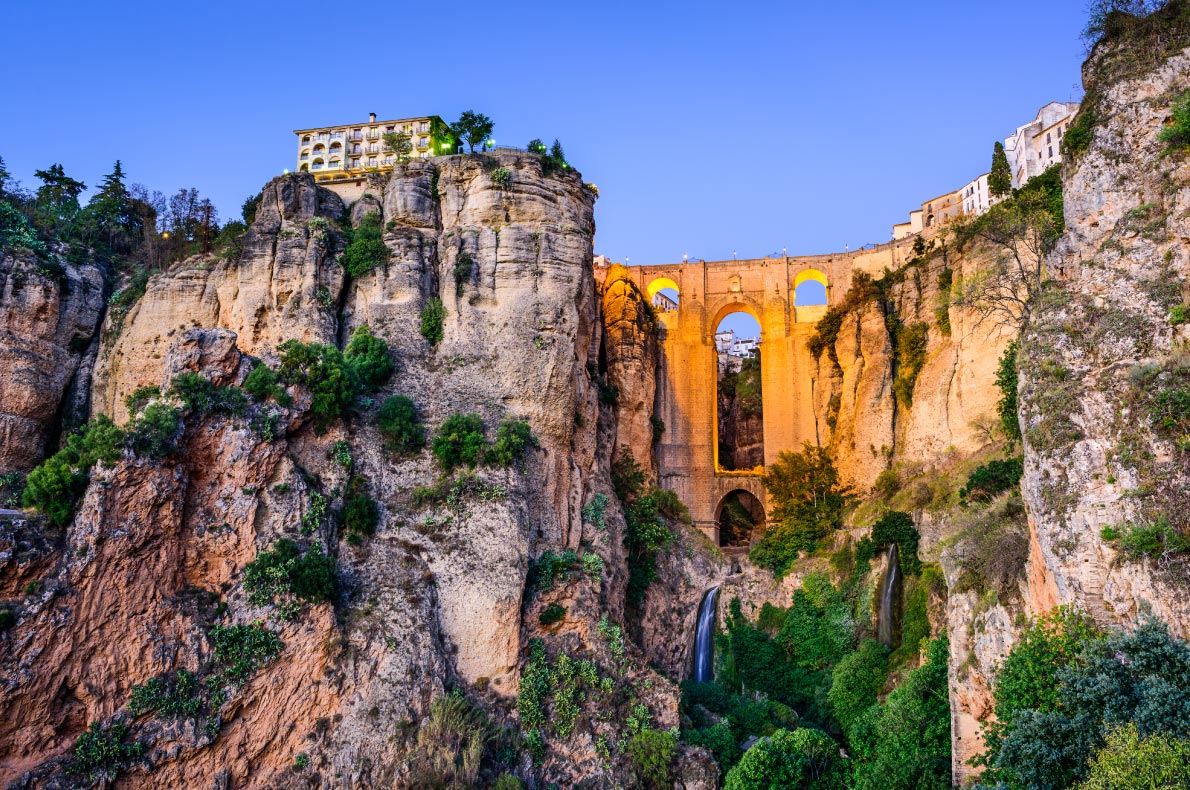
| Day Trips & Excursions | Sintra, Cascais, Évora, Óbidos, Douro Valley from Porto. Easily accessible and diverse. | Toledo, Segovia, Montserrat, Girona, Ronda, White Villages. Huge variety and easy connections. | Spain |
💰 Costs & Budget
Portugal consistently edges out Spain on budget, offering a fantastic value for money without sacrificing quality. A decent meal with wine in Lisbon or Porto can easily be found for €10-€15 ($11-$16), compared to €15-€25 ($16-$27) in Madrid or Barcelona. Accommodation, especially outside the absolute peak season, sees a similar difference: a charming guesthouse in Portugal might cost €60-€90 ($65-$98) per night, while a comparable one in Spain could be €80-€120 ($87-$130). Public transport in Portugal, like Lisbon's metro or Porto's trams, is incredibly cheap, with a single ride around €1.50. Spain's high-speed trains are efficient but can add up. 'Honestly, I lived like a king in Portugal on half of what I spent in Barcelona. The food quality for the price is insane.' The best part is that you don't feel like you're 'roughing it' to save money in Portugal; quality is high.
Winner takeaway
- Winner: Portugal
- Why: Portugal offers better value for money across almost all major travel expenses, from food to accommodation.
- Who this matters for: Budget travelers, long-term nomads, and those who want to maximize their trip duration.
🍽️ Food & Drink
While Portugal's cuisine is incredibly comforting and delicious, particularly its fresh seafood like grilled sardines and bacalhau dishes, Spain offers a broader and more globally recognized culinary landscape. The tapas culture in Spain is an experience in itself, allowing you to sample many different dishes from patatas bravas to gambas al ajillo, often for just a few euros per plate. Regional specialties like Valencian paella, Basque pintxos, or Andalusian gazpacho showcase incredible diversity. For wine lovers, Spain's Rioja and Ribera del Duero are world-renowned, alongside Cava and Sherry, offering more variety than Portugal's Port and Vinho Verde. 'Spain’s food scene just has more layers. I love Portuguese food, but after a week, I was craving the variety Spain offers, especially the tapas crawls in Seville.' While a Pasteis de Nata is legendary, Spain's sheer variety, from a simple bocadillo to a Michelin-starred meal, gives it the edge.
Winner takeaway
- Winner: Spain
- Why: Spain boasts a more diverse, internationally renowned, and innovative culinary scene with iconic regional specialties.
- Who this matters for: Foodies, gastronomes, and travelers who prioritize culinary exploration and variety.
🏖️ Beaches & Coastline
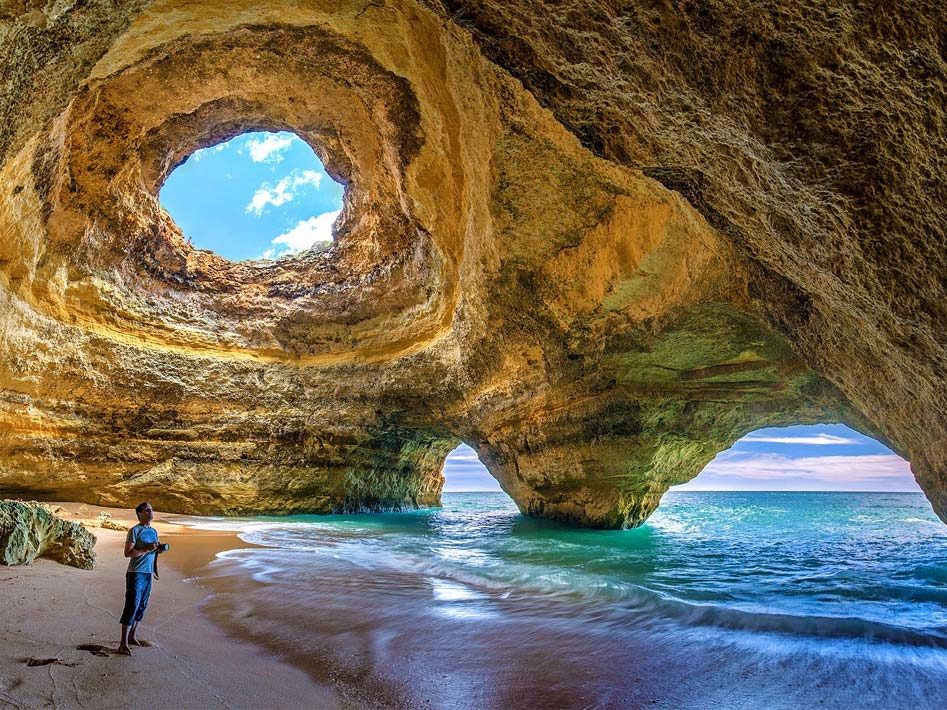
Portugal's coastline, especially the Algarve region, is simply dramatic and often more dramatic than Spain's. Think golden cliffs, sea caves (like Benagil Cave), and turquoise waters that feel straight out of a postcard. The surfing scene is also top-tier, with spots like Nazaré (for big wave surfing) and Peniche drawing enthusiasts globally. While Spain has beautiful beaches along the Costa del Sol, Costa Brava, and the Balearic Islands (Mallorca, Ibiza), they tend to be more resort-focused or have a more 'classic' sandy beach feel. 'The Algarve just hit different. Every cove was a new discovery. Spain has great beaches, but Portugal’s felt wilder and more unique.' For sheer natural beauty, rugged charm, and dramatic landscapes, Portugal's Atlantic coast is unparalleled. Spain's beaches are great for sunbathing and swimming, but Portugal offers more 'wow' factor.
Winner takeaway
- Winner: Portugal
- Why: Portugal's coastline features more dramatic natural beauty, unique rock formations, and elite-level surfing conditions.
- Who this matters for: Nature lovers, photographers, surfers, and those seeking dramatic coastal scenery over resort amenities.
🏛️ Culture & History
Both countries boast incredibly rich histories, but Spain offers a wider array of distinct cultural experiences and historical layers. From the Roman ruins of Mérida to the sharp Moorish architecture of the Alhambra in Granada and the Mezquita in Cordoba, Spain's past is incredibly vivid. The unique regional identities—Catalan, Basque, Andalusian—each come with their own languages, traditions, and artistic expressions. Flamenco in Seville, the Guggenheim in Bilbao, Gaudi's Sagrada Familia in Barcelona, and the Prado Museum in Madrid offer a breadth of cultural immersion that's hard to beat. Portugal has its own deep history with the Age of Discoveries, the melancholy of Fado, and charming Azulejo tiles, but it feels more homogenous compared to Spain's regional tapestry. 'Spain just has *more* going on culturally. Every region feels like a different country, from the food to the music to the architecture. Portugal is lovely, but Spain is mind-blowing.'
Winner takeaway
- Winner: Spain
- Why: Spain presents a more diverse tapestry of regional cultures, globally renowned art, and more extensive historical sites from various eras.
- Who this matters for: History buffs, art enthusiasts, and travelers eager to experience a wide range of distinct cultural identities.
🌃 Nightlife & Entertainment
If you're looking to party, Spain is the undisputed champion. Its cities come alive late, with dinner often starting at 9 PM and clubs not getting busy until after midnight. Madrid and Barcelona offer a staggering array of bars, discos, and mega-clubs that cater to every taste, staying open until dawn. Then there's Ibiza, a global mecca for electronic music and party culture. Even smaller cities have a lively 'tapeo' (tapas crawl) scene that stretches well into the night. Portugal has fantastic nightlife, especially in Lisbon's Bairro Alto and Cais do Sodré districts, and Porto's Galerias de Paris, but it's generally more focused on bars, live music (including Fado), and a slightly earlier closing time. 'Spain just *knows* how to party. Ibiza speaks for itself, but even a regular Saturday night in Madrid blew my mind. Portugal is fun, but it's a different energy.' For sheer scale, variety, and intensity of nightlife, Spain is unbeatable.
Winner takeaway
- Winner: Spain
- Why: Spain's nightlife is globally renowned for its scale, diversity, and late-night party culture, from mega-clubs to packed tapas bars.
- Who this matters for: Party-goers, clubbers, night owls, and travelers seeking high-energy evening entertainment.
🚄 Getting Around
Spain's infrastructure for getting around is superior, particularly its high-speed rail (AVE) network. You can zip between major cities like Madrid, Barcelona, Seville, and Valencia in just a few hours, comfortably and efficiently. While tickets can be pricier if not booked in advance (€30-€80 for intercity), the convenience is unmatched. Spain also has an extensive and reliable bus network for smaller towns, and domestic flights are plentiful. Portugal's public transport is good, with decent intercity trains (Alfa Pendular between Lisbon and Porto takes about 2.5-3 hours for €20-€30) and an excellent bus system (Rede Expressos). However, it's not as extensive or as fast as Spain's. City transport in both is excellent, with Lisbon's trams being iconic. 'The AVE in Spain is a game-changer. I covered so much ground without any stress. Portugal's trains are fine, but Spain's are next level.' If you plan to cover a lot of ground quickly, Spain makes it easier.
Winner takeaway
- Winner: Spain
- Why: Spain boasts a more extensive and efficient high-speed rail network, making intercity travel faster and more comfortable.
- Who this matters for: Travelers planning multi-city itineraries, those with limited time, and anyone prioritizing comfort and speed.
⛰️ Nature & Outdoors
While Portugal offers excellent coastal beauty and the unique terraced vineyards of the Douro Valley, Spain provides a more diverse and extensive range of natural landscapes. From the towering peaks of the Pyrenees (perfect for hiking and skiing) to the rugged Picos de Europa in the north, the volcanic landscapes of the Canary Islands (Teide National Park), and the semi-arid deserts of Andalusia, Spain truly has it all. It boasts a higher number of national parks and more distinct biomes. Portugal's Peneda-Gerês National Park is beautiful, and the Azores and Madeira offer incredible volcanic scenery, but these require separate trips. 'I was blown away by the variety in Spain. One week I was hiking in the Pyrenees, the next I was on a volcanic beach in the Canaries. Portugal is gorgeous, but Spain's sheer scale of natural diversity is unmatched.' For those seeking varied outdoor activities across different ecosystems, Spain takes the lead.
Winner takeaway
- Winner: Spain
- Why: Spain offers a greater geographical diversity, from high mountains to deserts and volcanic islands, providing more varied outdoor experiences.
- Who this matters for: Hikers, adventure seekers, nature photographers, and travelers looking for diverse outdoor activities beyond beaches.
🏨 Accommodation
Portugal generally provides more bang for your buck when it comes to accommodation. You'll find incredibly charming, well-maintained guesthouses (residencial) and boutique hotels in prime locations for prices significantly lower than in Spain. A stylish double room in a central Lisbon guesthouse can be found for €70-€100 ($76-$110), while a comparable spot in Madrid or Barcelona might cost €90-€150 ($98-$163). Hostels in Portugal are also frequently rated among the best in Europe, offering clean, modern facilities at very affordable rates (€20-€35 for a dorm bed). Spain has a wider variety of options, including more international chains and luxury resorts, but for independent travelers seeking character and value, Portugal is hard to beat. 'I stayed in a gorgeous little boutique hotel in Porto for like 80 euros a night. For that price in Spain, I'd be lucky to get a basic room. Portugal just nails the charming, affordable stay.'
Winner takeaway
- Winner: Portugal
- Why: Portugal offers exceptional value for charming, high-quality accommodation, especially for boutique hotels and guesthouses.
- Who this matters for: Budget-conscious travelers, those seeking charming local stays, and flashpackers.
🔒 Safety & Comfort
Both Portugal and Spain are incredibly safe countries for tourists, and you'll generally feel very comfortable exploring either. Violent crime against tourists is rare in both. The main concern in both countries, particularly in popular tourist areas of Lisbon, Porto, Barcelona, and Madrid, is petty crime like pickpocketing. Always be aware of your belongings, especially in crowded markets, on public transport, or around major attractions. In terms of overall comfort, Portugal often feels a bit more relaxed and less frenetic than Spain's larger, more chaotic cities. Spain can feel more crowded, especially in peak season, which can sometimes impact comfort levels. 'I felt totally safe walking around Lisbon late at night, just kept an eye on my bag. Same in Spain, just maybe a bit more intense in Barcelona's Gothic Quarter.' Ultimately, with common sense precautions, both offer a very comfortable and secure travel experience.
Winner takeaway
- Winner: Tie
- Why: Both countries offer a high level of safety and comfort for travelers, with similar considerations for petty crime in busy areas.
- Who this matters for: Solo travelers, families, and anyone prioritizing peace of mind during their trip.
🗺️ Day Trips & Excursions
While Portugal offers fantastic day trips like the fairy-tale palaces of Sintra (just 40 min from Lisbon by train for €2.30), the charming coastal town of Cascais, or the historic walled city of Évora, Spain boasts an even wider and more diverse array of easily accessible excursions. From Madrid, you can reach the ancient city of Toledo or the Roman aqueduct of Segovia in under an hour by high-speed train (€10-€20). From Barcelona, Montserrat monastery and the medieval city of Girona are short train rides away. Southern Spain offers the impressive Ronda Gorge and the picturesque 'white villages' (pueblos blancos) of Andalusia. The sheer number of UNESCO World Heritage sites and culturally significant towns within a short distance of major hubs in Spain gives it the edge. 'Spain's day trip game is just next level. From Madrid, I could hit Toledo and Segovia in a weekend, both completely different and incredible. Portugal has Sintra, which is amazing, but Spain has dozens of 'Sintras'.' The variety and ease of access make Spain's day trip options unbeatable.
Winner takeaway
- Winner: Spain
- Why: Spain offers a greater number and diversity of easily accessible, culturally significant, and visually sharp day trips from its major cities.
- Who this matters for: Travelers based in one city who love exploring surrounding areas, history buffs, and sightseers.
🎯 The Decision Framework
Choose Portugal If…
- Your daily travel budget is around €60-€100 ($65-$110).
- You prefer a relaxed and unhurried travel pace.
- You prioritize finding affordable hotel and hostel stays.
- You enjoy exploring dramatic, wild coastlines and beaches.
- You want to experience traditional fado music in intimate settings.
- You value generally lower prices for meals and activities.
- You seek a destination known for its surf spots and ocean activities.
- You appreciate small-town charm over large metropolitan areas.
Choose Spain If…
- You seek a wide range of distinct regional cultures.
- You want access to top-tier city nightlife and entertainment.
- You rely on efficient high-speed trains for inter-city travel.
- You prioritize diverse and acclaimed gastronomic experiences.
- You plan to take multiple short trips from a central location.
- You want to explore diverse landscapes, from mountains to deserts.
- You are eager to see flamenco performances and enjoy tapas bars.
- You prefer a country with well-developed tourism infrastructure.
❓ Frequently Asked Questions
Which country is better for a first-time European traveler?
Both are excellent choices! Portugal might feel slightly more approachable due to its smaller scale and generally lower costs. Spain offers more regional diversity which can be exciting but also a bit more to navigate. For a gentle introduction to Europe, Portugal might have a slight edge.
Is English widely spoken in Portugal and Spain?
In major tourist areas, cities, and hotels, you'll find English speakers in both countries. However, venturing into smaller towns or local establishments, especially in Spain, might require some basic Spanish phrases. Portuguese locals, especially younger generations, tend to have a good grasp of English.
Which country is better for families with young children?
Spain often wins for families due to its more developed resort infrastructure, especially along its coasts (Costa del Sol) and islands (Balearics, Canaries), offering more kid-friendly amenities and activities. Portugal is also family-friendly, particularly the Algarve, but Spain provides more 'turnkey' family vacation options.
What's the best time of year to visit both countries?
Spring (April-May) and Fall (September-October) are ideal for both. The weather is pleasant, crowds are thinner, and prices are more reasonable. Summers can be very hot, especially inland in Spain, and extremely crowded along the coasts. Winters are mild but can be rainy, particularly in northern Portugal and Spain.
Which country has better hiking opportunities?
Spain generally offers more diverse and extensive hiking opportunities, from the dramatic peaks of the Pyrenees and Picos de Europa to volcanic trails in the Canary Islands and the Camino de Santiago. Portugal has beautiful coastal walks and trails in its national parks, but Spain's scale is larger.
Is it easy to combine a trip to Portugal and Spain?
Absolutely! It's very common and relatively easy. High-speed trains connect Lisbon to Madrid (via Badajoz) or you can take a bus from Lisbon to Seville in about 7 hours. With a minimum of 2 weeks, you can comfortably visit major cities in both countries.
Which country is better for digital nomads?
Portugal has gained significant popularity among digital nomads, offering a specific visa and a thriving community in Lisbon and Porto, alongside lower costs of living. Spain is also excellent, particularly Valencia and Canary Islands, but Portugal's official support and lower prices often make it a slightly stronger magnet for nomads.
What's one unique experience I can only have in each country?
In Portugal, you can experience a live Fado performance in a traditional Lisbon tasca, a deeply melancholic and soulful music form unique to the country. In Spain, you absolutely must witness a live Flamenco show in Andalusia, like in Seville or Granada, a passionate dance and music art form with deep cultural roots.
💰 Daily Cost Breakdown
| Expense | Portugal | Spain |
|---|---|---|
| Hostel dorm | €25-45 | €30-50 |
| Budget hotel | €80-130 | €90-160 |
| Street food meal | €6-12 | €7-14 |
| Restaurant meal | €18-35 | €22-40 |
| Beer/drink | €3-7 | €4-8 |
| Local transport (day) | €7-12 | €9-15 |
| Daily budget total | €90-160 | €110-200 |
Approximate daily costs for 2026. Actual prices vary by season and travel style.
🌤️ Monthly Weather Comparison
| Month | Portugal Temp | Portugal Rain | Spain Temp | Spain Rain |
|---|---|---|---|---|
| Jan | 15°C/59°F | 100mm | 10°C/50°F | 30mm |
| Feb | 16°C/61°F | 85mm | 12°C/54°F | 25mm |
| Mar | 19°C/66°F | 50mm | 16°C/61°F | 30mm |
| Apr | 20°C/68°F | 60mm | 19°C/66°F | 45mm |
| May | 23°C/73°F | 40mm | 24°C/75°F | 50mm |
| Jun | 27°C/81°F | 15mm | 30°C/86°F | 20mm |
| Jul | 29°C/84°F | 5mm | 33°C/91°F | 10mm |
| Aug | 30°C/86°F | 5mm | 32°C/90°F | 10mm |
| Sep | 27°C/81°F | 30mm | 27°C/81°F | 25mm |
| Oct | 22°C/72°F | 80mm | 20°C/68°F | 45mm |
| Nov | 18°C/64°F | 100mm | 14°C/57°F | 50mm |
| Dec | 16°C/61°F | 120mm | 11°C/52°F | 35mm |
Average monthly high temperatures and rainfall based on historical climate data.
📅 Sample Itineraries
Weekend in Portugal (3 Days)
💡 Three days gives you a great taste of Portugal. Check out our Portugal guide.
Weekend in Spain (3 Days)
💡 Three days gives you a great taste of Spain. Check out our Port Of Spain Doubles guide.
Week in Portugal (7 Days)
💡 A full week gives you a great taste of Portugal. Check out our Portugal guide.
Week in Spain (7 Days)
💡 A full week gives you a great taste of Spain. Check out our Port Of Spain Doubles guide.
Ready to plan your Iberian adventure?
Get a free custom itinerary for Portugal, Spain, or both — built from real traveler insights and personalized to your style.
🎟️ Book Tours & Experiences
Hand-picked tours and activities for both destinations — book with free cancellation
Experiences via Viator — free cancellation on most tours