How we built this comparison
This page combines traveler discussion patterns, published price ranges, transit details, and seasonal data to make the Penang vs Ipoh decision easier to resolve.
- Reviewed Reddit threads from r/malaysia, r/penang, r/solotravel, and r/MalaysianFood covering the Penang vs Ipoh debate.
- Checked numeric claims like accommodation ranges, transit costs, and food prices against recent traveler reports (2024–2026).
- Updated each section with a clear verdict so you can skim to the answer you need.
Best read as a decision guide, not a universal truth: the right pick depends on your budget, pace, and what kind of trip you actually want.
⚡ The TL;DR Verdict
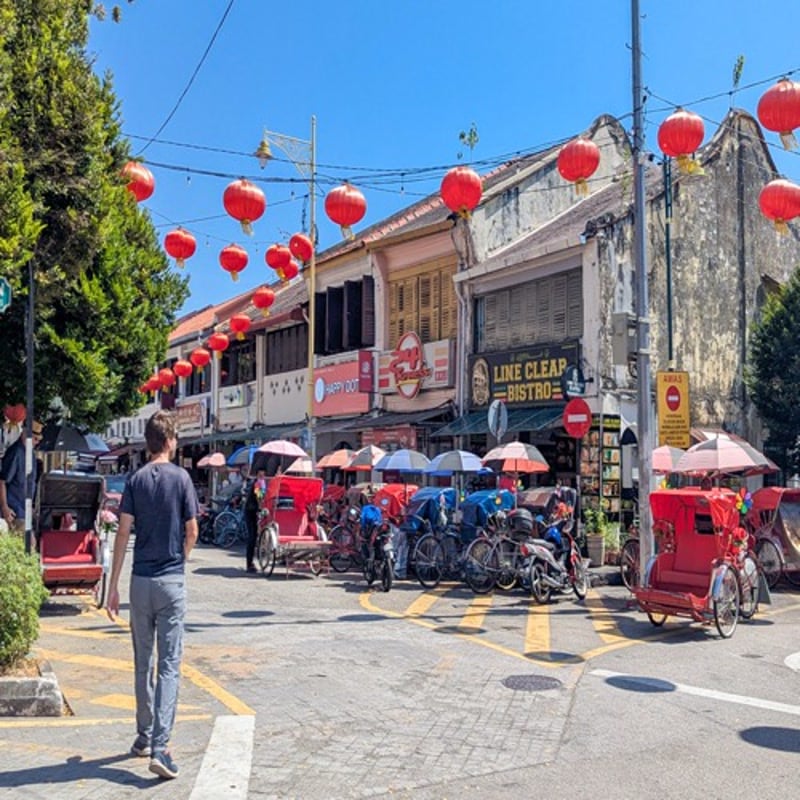
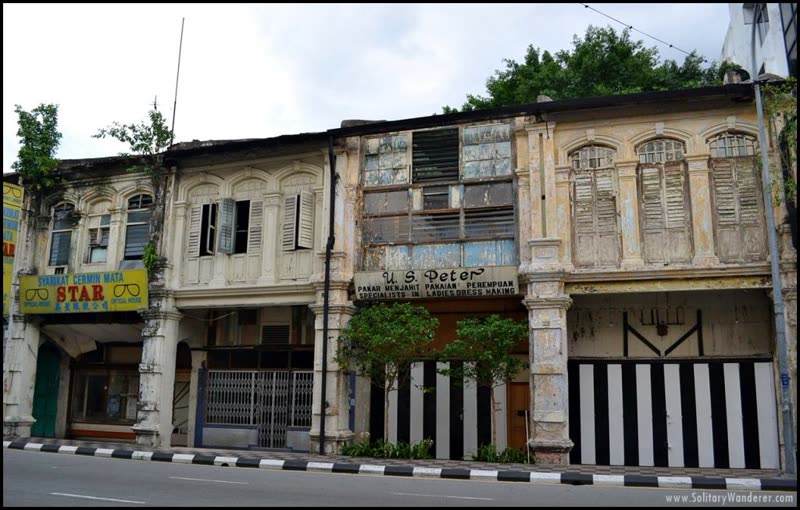
Penang wins for most travelers. It's the more complete destination — a UNESCO World Heritage city with globally-ranked street food, compelling street art, beaches, and enough to fill 4+ days. But Ipoh isn't a consolation prize: it's a lovable, laid-back alternative with arguably Malaysia's best coffee, underrated dim sum, and dramatic limestone scenery — all at 20–30% lower cost.
- 🏆 Penang for first-timers, foodies wanting variety, beach access, and rich cultural depth
- 🍵 Ipoh for travelers who want slower pace, Malaysia's best white coffee, and fewer tourist crowds
- ✈️ Best move: Do both — they're only 2 hours apart and complement each other perfectly
🏙️ Choose Penang if...
You want the full Malaysia food-culture experience: UNESCO streets, char kway teow, nasi kandar, beaches, and nightlife.
🍵 Choose Ipoh if...
You want a quieter escape: limestone caves, legendary white coffee, dim sum before 9am, and colonial streets with half the tourist density.
Quick Comparison: Penang vs Ipoh
| Category | 🏙️ Penang | 🍵 Ipoh | Edge |
|---|---|---|---|
| Food Scene | Internationally recognized variety: char kway teow, nasi kandar, laksa, cendol, Nyonya cuisine | Specialist icons: white coffee, bean sprouts chicken rice, kai si hor fun, dim sum | Penang |
| Cultural Depth | UNESCO World Heritage (George Town), clan jetties, Khoo Kongsi, Fort Cornwallis, street art | Colonial shophouses, cave temples, Concubine Lane, Kong Heng Square | Penang |
| Cost | Budget hotel RM 60–130/night; meals RM 8–15; total ~$30–55/day | Budget hotel RM 40–80/night; meals RM 7–12; total ~$20–40/day | Ipoh |
| Pace | Busy tourist city — can feel crowded on weekends | Relaxed, slow-paced — locals joke it "closes early" | Ipoh |
| Beaches | Batu Ferringhi, Teluk Bahang — decent sunset beaches, murky water | No beaches | Penang |
| Nature | Penang Hill, Penang National Park | Limestone caves, cave temples, Tambun hot springs, jungle trails | Ipoh |
| Getting There | International airport (PEN); flights from KL, Singapore, Bangkok | IPH airport (limited flights); most arrive by bus/train from KL or Penang | Penang |
| Days Needed | 3–5 days for a proper visit | 1–2 days (1 night minimum for food lovers) | Penang |
| Nightlife | Bars, live music, clubs in George Town and Batu Ferringhi | Minimal; city quiets down after 9pm | Penang |
| Tourist Crowds | Very popular — George Town gets packed, especially on weekends | Light tourist traffic; mostly domestic day visitors | Ipoh |
| Coffee Culture | Kopi and Penang white coffee available | Ipoh white coffee is the standard — silkier, creamier, widely considered Malaysia's best | Ipoh |
🍜 Food & Dining
The Penang vs Ipoh food debate is Malaysia's version of a religious argument, and both sides have a point. Penang is consistently ranked among Asia's top street food cities — the variety is staggering. George Town's hawker stalls, night markets, and kopitiam (coffee shops) cover everything from Hokkien mee and asam laksa to Nyonya kuih and durian crepes. UNESCO status aside, it's the food that keeps travelers coming back.
Ipoh plays a different game. Rather than breadth, it wins on execution of specific dishes. The white coffee is silkier than anything you'll find in Penang — made with local Liberica beans roasted with butter and served in family-run kopitiams that haven't changed in decades. The bean sprouts chicken rice (nga choy gai) is a genuine point of civic pride: poached kampung chicken, rice cooked in chicken stock, and crisp local bean sprouts with a particular crunch that locals insist only Ipoh's mineral-rich water can produce.
"Ipoh food is great as well — chicken noodle soup (kai si hor fun) and chicken rice with bean sprouts are solid options. It's more laid back than Penang, and the sites are spread further apart but I actually enjoy it more than Penang. If you're into nature you can take several days, otherwise if you're just checking out the old town area a day or two is fine." — r/penang
"I live in Penang, but my wife and I will occasionally get up really early in the morning and drive to Ipoh for breakfast. Greentown Dim Sum is just amazing! But beyond that, you really only need about 1 day to experience Ipoh. It's nice, but not as much going on as Penang." — r/penang
Penang's Must-Eat List
Char kway teow (flat rice noodles with wok hei, prawn, cockles, Chinese sausage — RM 8–14). Asam laksa (sour tamarind fish broth with thick rice noodles — a flavor unlike anything elsewhere in Malaysia). Nasi kandar (rice with rotating curries from Mamak stalls, RM 10–20 depending on toppings). Penang street food covers the full list. Check Penang cendol for the legendary dessert spots.
Ipoh's Must-Eat List
White coffee (any old-school kopitiam — budget RM 3–5 per cup). Bean sprouts chicken rice at Nam Heong, Lou Wong, or Restoran Onn Kee (RM 12–18 for a full plate). Kai si hor fun (flat rice noodle in clear chicken broth — RM 7–10). Ipoh dim sum for the morning crowd: try Foh San, Ming Court, or Restoran Hui Ji (RM 15–30/person). See Ipoh dim sum guide for venue details.
🏛️ Cultural Attractions & Heritage
Penang's George Town was designated a UNESCO World Heritage Site in 2008 alongside Malacca, and it wears that status well. The historic core is a layered collision of Chinese clan associations, Indian temples, British colonial architecture, Malay mosques, and Peranakan (Straits Chinese) mansions — all squeezed into a walkable grid. The Khoo Kongsi clan temple is one of Southeast Asia's most ornate. Fort Cornwallis marks where the British first landed. Clan jetties (Chew, Tan, Lee) extend into the harbour, with entire communities living on stilts.
The street art scene — kicked off by Lithuanian artist Ernest Zacharevic in 2012 — has become one of Penang's defining attractions. Iron rod sculptures on walls, the famous "Children on a Bicycle," and dozens of commissioned murals make George Town a genuinely gallery-quality street experience. New works are added regularly. Penang's street art map is essential reading.
Ipoh's heritage core is smaller but comparably photogenic. Concubine Lane (Lorong Panglima) is a narrow alley once associated with wealthy miners' concubines — now lined with cafes and boutiques but still retaining its atmospheric pre-war shophouses. Kong Heng Square, the Ipoh Railway Station (one of Malaysia's most beautiful colonial stations), and the cluster of cave temples on the southern fringe of town give Ipoh its own distinct heritage identity.
"Penang has more action and places/things to see. Ipoh is nice, just more quiet though. A day or two is enough for me in Ipoh." — r/penang
💰 Cost Comparison
Both cities are very affordable by international standards, but Ipoh is meaningfully cheaper — roughly 20–30% less across accommodation, food, and transport. This matters on a longer trip through Malaysia.
| Expense | 🏙️ Penang | 🍵 Ipoh |
|---|---|---|
| Budget hostel dorm | RM 40–65/night (~$9–15 USD) | RM 30–50/night (~$7–11 USD) |
| Budget private room | RM 80–130/night (~$18–29 USD) | RM 55–90/night (~$12–20 USD) |
| Mid-range hotel | RM 150–300/night (~$34–67 USD) | RM 100–200/night (~$22–45 USD) |
| Street food meal | RM 8–15/meal (~$2–3.50 USD) | RM 7–12/meal (~$1.60–2.70 USD) |
| White coffee/kopi | RM 3–6 | RM 3–5 |
| Grab (short ride) | RM 8–18 | RM 6–14 |
| Major temple entry | RM 10–15 (Khoo Kongsi, Pinang Peranakan Mansion) | Free–RM 5 (most cave temples free) |
| Daily budget (budget traveler) | ~RM 120–180/day (~$27–40 USD) | ~RM 80–130/day (~$18–29 USD) |
"Ipoh is nice but Penang is better in every way, including food of course. But if your wallet disagrees, Ipoh stretches much further." — r/penang, paraphrased
🚌 Getting Around
Penang has the better transport infrastructure. Rapid Penang buses cover most of George Town and the main tourist corridor to Batu Ferringhi (RM 1.50–4 per trip). Grab is reliably available. The free CAT bus loops through the UNESCO zone. Cycling is a popular way to explore the heritage core — bike rentals run RM 10–20/day. Getting between Penang Island and the mainland uses either the Penang Bridge (by car/Grab) or the ferry from Weld Quay to Butterworth (RM 1.20, scenic).
Ipoh is a driving city. Public buses exist but are infrequent and routes are confusing for visitors. Grab works well within the city, and rides are cheap (RM 6–14 for most destinations). The cave temples and Lost World of Tambun require a car or Grab — they're 5–15km from the old town. Walking is viable only within the compact old town.
Getting from Penang to Ipoh: Plusliner, Transnational, and other bus operators run hourly services from Penang Sentral to Ipoh Amanjaya terminal (2–2.5 hours, RM 20–30). KTMB trains also connect Butterworth to Ipoh (~2 hours, RM 16–35). Most travelers prefer the bus for convenience and price.
🌦️ Best Time to Visit
Both cities share similar tropical climates — hot and humid year-round, with distinct monsoon seasons depending on which coast you're on. Penang sits on Malaysia's northwest coast and is affected by the northeast monsoon (October–March, especially November–January) and the southwest monsoon (May–September). The driest and most pleasant months are generally December–February and June–August.
Ipoh is inland and sits in the Kinta Valley, somewhat sheltered by mountain ranges. It gets rain year-round but avoids the worst of the coastal monsoons. Temperatures average 24–34°C (75–93°F) throughout the year. The cooler months (November–January) make for more comfortable sightseeing. Cave exploration and outdoor activities are best in the drier stretches: May–July and December–February.
Chinese New Year (January/February) is spectacular in both cities — lantern displays, lion dances, and incredible food — but expect massive crowds and fully booked accommodation. The George Town Festival (July–August) is Penang's headline annual cultural event, with street performances, installations, and food programming.
🏨 Where to Stay
Penang Neighborhoods
George Town heritage zone — The best base for first-timers. Walking distance to all major sights, street art, and the best food. Pre-war boutique hotels like Ryokan George Town, The Edison, or 23 Love Lane give you the atmosphere. Expect RM 100–250/night for decent guesthouses in restored shophouses.
Gurney Drive — Upscale area with malls, Gurney Plaza, and the famous hawker food stalls along the waterfront. Better for mid-range travelers who want modern conveniences. Hotels: Eastin, G Hotel, Gurney Paragon Hotel (RM 150–350/night).
Batu Ferringhi — Beach strip on the north coast, 30–40 minutes from George Town. Best for resort travelers; Hard Rock Hotel, Parkroyal, Lone Pine are the anchors (RM 250–600/night). Less convenient for food and culture exploration.
Ipoh Neighborhoods
Old Town (Bandar Ipoh Lama) — The clear choice. Stay within walking distance of Concubine Lane, Kong Heng Square, and the main kopitiam strip. Options: Hotel Casuarina (mid-range), Sekeping Kong Heng (boutique, RM 150–220/night), or budget guesthouses from RM 55/night.
New Town (Ipoh Baru) — More modern infrastructure, closer to the train station and shopping malls, but less atmospheric. Birch House, Regalodge Hotel (RM 80–160/night). Good option if you're arriving by train.
🌿 Nature & Outdoors
Penang punches above its weight for a city destination. Penang Hill (Bukit Bendera) is a colonial-era hill retreat reached by funicular — temperatures drop 5–7°C compared to the coast. The summit has a mosque, hotel, walking trails, and views across the Strait of Malacca. The Penang National Park (smallest national park in Malaysia) covers the northwest tip of the island with jungle hiking, monkey beaches, and the floating mosque. Entry is free; guided boat trips around RM 50–80/person.
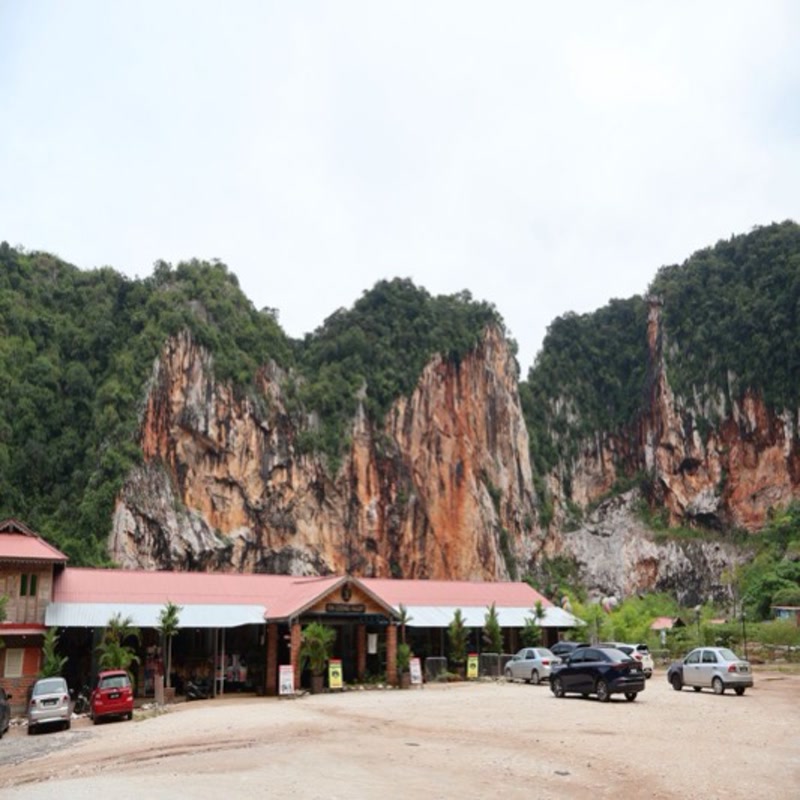
Ipoh's nature scene is centered on its dramatic limestone karst geography — and this is where it genuinely one-ups Penang. The Kinta Valley is ringed by abrupt limestone hills that jut out of flat ground like something from a Chinese ink painting. Sam Poh Tong cave temple is built inside a massive limestone cave with a turtle pond and garden. Perak Tong has 40 Buddha statues and a shrine inside a cave. The Lost World of Tambun water and theme park is built around natural hot springs (RM 85–110 adult entry). Gua Tempurung is one of Malaysia's largest caves with proper speleotourism routes.
"Ipoh has some of the most beautiful limestone hills. They can even rival the Floating Mountains in China. But as you drive up the highway to Ipoh, you see all of these beautiful hills being blasted and destroyed by the limestone quarries all around." — r/malaysia
🎒 Day Trips
Day Trips from Penang
Ipoh — The most popular day trip from Penang. Bus to Ipoh Amanjaya terminal (2h, RM 20–30), old town walk, white coffee and bean sprouts chicken rice, cave temple, bus back. Tight but doable in a day; a night there is better.
Cameron Highlands — Malaysia's main hill station with tea plantations, strawberry farms, and cool weather. 3–4 hours from Penang by bus. Better done as an overnight trip; usually accessed via Ipoh.
Langkawi — Island resort destination, 1.5 hours by ferry from Penang. Cable cars, duty-free shopping, proper beaches. Day trip possible but overnight is much better. Ferries run from Swettenham Pier (RM 80–120 return).
Penang Island interior — Penang Hill, Kek Lok Si temple (largest Buddhist temple in Malaysia), Botanical Gardens, and Snake Temple can fill a full day without leaving the island.
Day Trips from Ipoh
Cameron Highlands — Only 1.5–2 hours from Ipoh, making it the most popular day trip or overnight add-on. Boh Tea plantation, Mossy Forest, strawberry farms.
Kellie's Castle — A haunted unfinished mansion in Batu Gajah, 20 minutes from Ipoh. The Scottish rubber planter William Kellie Smith died before completing it. Eerie and atmospheric; free to enter grounds, RM 5 for the castle.
Gopeng — White water rafting, jungle trekking, and cave exploration in the Gopeng Rainforest Park. 30 minutes from Ipoh, accessible by car or Grab.
Belum Rainforest — One of the world's oldest rainforests (4x older than the Amazon). Boat tours, wildlife watching, Orang Asli village visits. Requires a day or overnight trip ~2–3 hours north of Ipoh.
🔀 Why Not Both?
Most travelers who visit one of these cities also visit the other — and for good reason. Penang and Ipoh are two hours apart by bus, connected by regular services from Penang Sentral to Ipoh Amanjaya terminal. The contrast is part of the appeal: urban-heritage Penang followed by the quieter, slower pace of Ipoh (or vice versa) gives you a fuller picture of northern Malaysia than either city alone.
The most common itinerary pattern is: fly into KL → train or bus to Ipoh (2 nights) → bus to Penang (3–4 nights) → fly home from Penang. This keeps the itinerary moving northward with the climax in Penang, which has the international airport. Reversing it (Penang first, Ipoh second) also works — many travelers prefer to decompress in Ipoh after Penang's tourist intensity.
If you add Cameron Highlands, a classic northern Malaysia loop becomes: KL → Ipoh (2n) → Cameron Highlands (2n) → Penang (3–4n). Ten days covers all three properly.
"If you want your kids to explore the food, nature, and culture then go to Penang or Ipoh. Cameron Highlands is nearby Ipoh and kids love the strawberry farms." — r/travel
"Would it be better to do Penang or Ipoh? I feel that there's more to see in Penang, but Ipoh is also interesting enough for me. A huge portion of my decision is the food." — r/malaysia
🎯 The Decision Framework
Choose Penang If…
- You want a wider variety of beaches and coastal activities.
- You seek a more established digital nomad scene with co-working spaces.
- You prefer easy access to an international airport (PEN).
- You're looking for iconic street art murals easily found in Georgetown.
- You want a broader range of upscale dining options and rooftop bars.
- You enjoy island hopping opportunities nearby.
- You need a city with a more extensive public bus network.
- You want to visit a UNESCO World Heritage site with colonial architecture.
Choose Ipoh If…
- You prefer a quieter, less crowded city experience.
- You are specifically interested in cave temples and limestone karsts.
- You want to explore a city known for its specific white coffee culture.
- You are looking for a more laid-back pace for walking tours.
- You enjoy exploring smaller, more walkable old town areas.
- You want to experience a Malaysian city that feels more local.
- You are traveling on a tighter budget and seek slightly lower prices for accommodation.
- You prefer a destination closer to the Cameron Highlands for a day trip.
❓ Frequently Asked Questions
Is Penang or Ipoh better for first-time Malaysia visitors?
Penang is the stronger first-timer pick. As a UNESCO World Heritage city, George Town packs street art, colonial shophouses, clan jetties, temples, and Malaysia's most celebrated hawker food all within walking distance. Ipoh is excellent but works best as a day trip or overnight add-on once you have Penang covered. If you only have 4–5 days, spend them in Penang.
How far is Penang from Ipoh?
About 170km by road. Bus takes roughly 2–2.5 hours (RM 20–30, ~$4–7 USD) from Penang Sentral to Ipoh. Driving is about 1.5–2 hours via the North-South Expressway. This makes a day trip from Penang to Ipoh very doable — most travelers do it as a single overnight or day excursion.
Which has better food: Penang or Ipoh?
This is genuinely contested. Penang is globally famous for char kway teow, nasi kandar, and Hokkien mee. Ipoh counters with its silky white coffee, legendary bean sprouts chicken rice, kai si hor fun, and some of Malaysia's best dim sum. Reddit is split — Penang wins on variety and international reputation, but Ipoh's specialties are arguably more distinctive and less touristy. If time permits, eat both.
How many days do you need in Penang vs Ipoh?
Penang needs 3–4 full days minimum to do George Town, Penang Hill, Batu Ferringhi beach, and the food scene properly. Ipoh is comfortably done in 1–2 days for the old town, cave temples, and food crawl. Most travelers budget 3–4 nights Penang + 1–2 nights Ipoh as part of a wider Malaysia itinerary.
Is Ipoh worth visiting separately or just as a day trip from Penang?
Both work. A day trip from Penang to Ipoh is very popular — you can do the old town, hit a few famous food spots, and visit a cave temple in about 8 hours. But staying overnight lets you catch the early morning dim sum scene (Ipoh dim sum before 10am is a different experience) and explore the limestone caves at your own pace. At least one night is worth it for food lovers.
Which is cheaper, Penang or Ipoh?
Ipoh is noticeably cheaper. Budget guesthouses in Ipoh run RM 40–80/night ($9–18 USD) vs RM 60–130 ($13–29 USD) in Penang. Street food meals average RM 7–10 in Ipoh vs RM 8–15 in Penang. Taxis and Grab rides are also lower in Ipoh. The difference is meaningful over a week — Ipoh shaves roughly 20–30% off daily costs.
Does Penang have better beaches than Ipoh?
Penang wins beaches by a wide margin — Ipoh has none. Batu Ferringhi on Penang's north coast is the main beach strip with sunset views and night market vendors, though the water is murky compared to Thailand's islands. For nature around Ipoh, you get dramatic limestone hills, hot springs, and cave temples — a completely different but equally compelling outdoor experience.
Can you do both Penang and Ipoh in one trip?
Absolutely — and most Malaysia travelers do exactly that. A standard northern Malaysia loop is: Kuala Lumpur → Ipoh (2 nights) → Penang (4 nights) → fly home. Or reverse it. The Penang–Ipoh corridor is one of Southeast Asia's most rewarding food and heritage routes for the distance and cost involved.
Ready to Plan Your Malaysia Trip?
Let tabiji build you a free, personalized itinerary for Penang, Ipoh, or both — based on your travel style and dates.
🎟️ Book Tours & Experiences
Hand-picked tours and activities for both destinations — book with free cancellation
Experiences via Viator — free cancellation on most tours