How we built this comparison
This page combines traveler discussion patterns, published price ranges, transit details, and seasonal data to make the Paris vs Barcelona decision easier to resolve.
- Reviewed Reddit-style traveler discussions and recurring decision patterns for Paris and Barcelona.
- Checked numeric claims like accommodation ranges, transit costs, transfer times, or seasonal patterns where those numbers appear on the page.
- Updated the page structure so each major section ends with a clearer winner, reason, and traveler-use note.
Best read as a decision guide, not a universal truth: the right pick depends on your budget, pace, and what kind of trip you actually want.

⚡ The TL;DR Verdict
Paris is better if you want Art lovers, romantics, history buffs, foodies. Barcelona is better if you want Beach lovers, budget travelers, night owls, families. Mid-range budget: Paris €180–265 ($195–290) vs Barcelona €120–180 ($130–195).
- Choose Paris: Art lovers, romantics, history buffs, foodies.
- Choose Barcelona: Beach lovers, budget travelers, night owls, families.
- Budget snapshot: Paris: €180–265 ($195–290); Barcelona: €120–180 ($130–195).
Choose Paris
Art lovers, romantics, history buffs, foodies.
Choose Barcelona
Beach lovers, budget travelers, night owls, families.
Quick Comparison
| Category | 🗼 Paris | ☀️ Barcelona | Winner |
|---|---|---|---|
| Daily Budget (mid-range) | €180–265 ($195–290) | €120–180 ($130–195) | Barcelona |
| Food Scene | Haute cuisine, bistros, patisseries, Michelin stars | Tapas, pintxos, seafood, vermouth culture | Tie |
| Museums & Art | Louvre, Musée d’Orsay, Centre Pompidou | Picasso Museum, MACBA, Fundació Joan Miró | Paris |
| Architecture | Haussmann, Gothic, Art Nouveau | Gaudí, Modernisme, Gothic Quarter | Tie |
| Nightlife | Wine bars, jazz clubs, late-night bistros | Beach clubs, rooftop bars, clubs until 6am | Barcelona |
| Weather | Mild but rainy, grey winters | Mediterranean — 300+ sunny days/year | Barcelona |
| Beach | None (nearest: 2h+ by train) | Barceloneta, Bogatell, Nova Icaria — in the city | Barcelona |
| Public Transit | Excellent Métro (16 lines, fast, frequent) | Good metro + buses + trams | Paris |
| Day Trips | Versailles, Giverny, Loire Valley, Champagne | Montserrat, Girona, Costa Brava, Sitges | Paris |
| Best For | Art lovers, romantics, history buffs, foodies | Beach lovers, budget travelers, night owls, families | — |
🍲 Food & Dining
Paris invented fine dining. Literally — the word “restaurant” comes from 18th-century Paris. The city has over 120 Michelin-starred restaurants, but the real magic is in the everyday: a perfect croissant from a corner boulangerie, a croque-monsieur at a zinc-topped bistro, a €1.20 baguette that puts every other bread to shame. Le Marais has trendy brunch spots, Montmartre has classic bistros, and the 11th arrondissement has become a hub for neo-bistro cuisine. A good sit-down dinner runs €25–50 per person; a Michelin lunch menu can be surprisingly affordable at €35–65.
Barcelona’s food culture is completely different — and equally incredible. This is tapas country: small plates meant for sharing, hopping between bars, eating at the counter. The Boqueria market on Las Ramblas is touristy but still spectacular for fresh juice and jamón ibérico. For serious food, head to El Born or Gràcia neighborhoods. A menú del día (daily lunch set) at a local restaurant runs €12–16 for three courses with wine. Seafood is outstanding — fresh paella by the port, grilled gambas, and Catalan-style cod.
Price comparison
Budget meals are significantly cheaper in Barcelona. A café con leche costs €1.50–2 vs €3–5 for a Parisian café crème. Tapas plates run €3–8 each. A full dinner with wine in Barcelona costs €25–40; in Paris, expect €40–70 for a comparable experience. Where Paris wins: pastries and bread are elite-level at bakery prices (€1–3), and the quality of a simple €15 bistro lunch is hard to beat anywhere on Earth.
Winner takeaway
- Winner: Paris
- Why: Paris for refined cuisine, pastries, and that perfect bistro experience. Barcelona for value, variety, and the joy of tapas-hopping until 1am. Neither city will disappoint a food lover — they’re just different kinds of magic.
- Who this matters for: Matters most if food quality, variety, or meal budgets will shape your trip between Art lovers, romantics, history buffs, foodies. and Beach lovers, budget travelers, night owls, families..
🎨 Art, Architecture & Culture
Paris is arguably the world’s greatest museum city. The Louvre alone holds 380,000 works (you’d need 100 days to see them all at 30 seconds each). The Musée d’Orsay has the best Impressionist collection on Earth. The Centre Pompidou covers modern art. And beyond museums, every street in central Paris is an architectural masterpiece — Haussmann’s grand boulevards, Notre-Dame (reopened in late 2024 after the fire restoration), the Palais Royal, the Panthéon. Paris isn’t a city with beautiful buildings; it’s a city made of beautiful buildings.
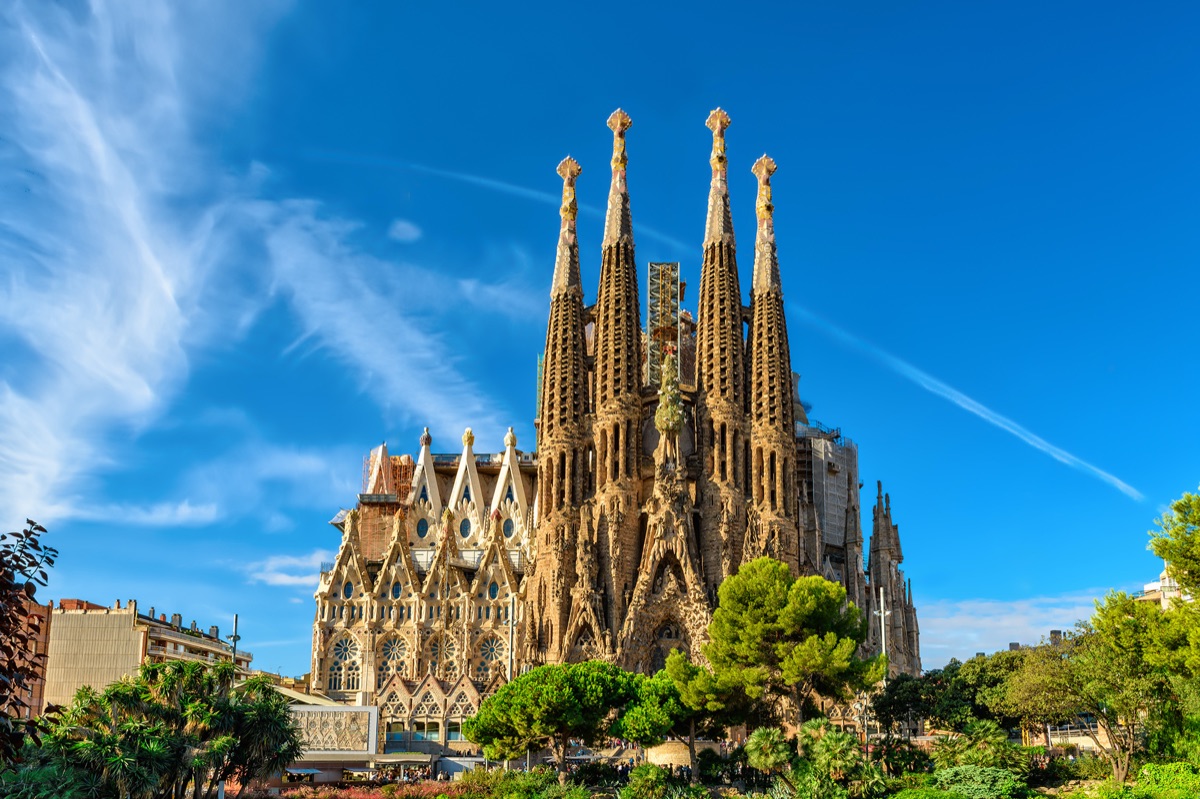
Barcelona’s architecture is more concentrated but arguably more surprising. Antoni Gaudí’s Sagrada Família (expected completion: 2026) is unlike anything else on the planet — a basilica that looks like it grew from the earth. Park Güell, Casa Batlló, Casa Milà (La Pedrera) — Gaudí’s buildings are wildly inventive and deeply joyful. The Gothic Quarter dates to Roman times with medieval lanes so narrow you can touch both walls. For modern art, the Picasso Museum and Fundació Joan Miró are excellent.
A key difference: Paris rewards wandering. You can spend days just walking and looking up. Barcelona’s architecture is more concentrated around specific sites — you’ll queue for Sagrada Família and Casa Batlló (book tickets in advance). But both cities have a living cultural scene: Paris has jazz clubs, literary cafés, and indie cinemas; Barcelona has flamenco shows, open-air concerts, and street performers on Las Ramblas.
Winner takeaway
- Winner: Depends
- Why: Paris is the undisputed champion for museums and classical architecture. Barcelona is the pick for lovers of modern/avant-garde architecture (Gaudí is once-in-a-lifetime). Both are essential cultural cities — just different eras and vibes.
- Who this matters for: Matters most if you are choosing based on atmosphere, heritage, and what kind of experience feels more memorable.
💰 Cost Comparison
This is where Barcelona pulls clearly ahead. Paris is one of Europe’s most expensive cities; Barcelona, while not cheap by Spanish standards, offers significantly more bang for your euro. Here’s a realistic 2026 daily budget breakdown:
| Expense | 🗼 Paris | ☀️ Barcelona |
|---|---|---|
| Hostel dorm | €35–55/night | €25–40/night |
| Mid-range hotel (3-star) | €150–250/night | €100–160/night |
| Budget meal | €10–18 | €8–14 |
| Sit-down dinner (with wine) | €40–70 | €25–40 |
| Coffee | €3–5 (café crème) | €1.50–2.50 (café con leche) |
| Metro single ride | €2.15 (t+ ticket) | €2.55 (T-casual: €1.18/ride) |
| Major museum | €15–22 (Louvre: €22) | €15–26 (Sagrada Família: €26) |
| Beer (bar) | €7–9 | €3–5 |
| Daily total (mid-range) | €180–265 ($195–290) | €120–180 ($130–195) |
The big difference is accommodation and drinks. A perfectly decent 3-star hotel in Barcelona’s Eixample district costs €110–140/night. The equivalent in Paris’s Le Marais or Saint-Germain-des-Prés runs €180–250. And drinks in Barcelona are dramatically cheaper — a glass of wine at a tapas bar costs €2.50–4, while a similar glass at a Parisian wine bar runs €6–10.
Winner takeaway
- Winner: Depends
- Why: Barcelona is 30–40% cheaper than Paris across the board. A week in Barcelona costs roughly what 5 days in Paris costs. If you’re budget-conscious, Barcelona stretches your money much further — without sacrificing quality.
- Who this matters for: Matters most if nightly rates, meal prices, or transport costs will change how long you can stay.
🚇 Getting Around
Paris has one of the world’s great metro systems: 16 lines, 300+ stations, trains every 2–4 minutes during the day. It’s fast, cheap (€2.15 per ride, or €16.90 for a carnet of 10), and covers the entire city. The RER commuter rail connects to the airports and Versailles. Paris is also fantastically walkable — you can stroll from the Louvre to the Eiffel Tower in 40 minutes along the Seine, and most arrondissements reward aimless wandering.
Barcelona’s metro is solid with 12 lines, clean trains, and good coverage of the main tourist areas. The T-casual card gives you 10 rides for €11.35 (€1.18 per ride). Buses and trams fill the gaps. But Barcelona’s real transportation asset is its walkability — the city is more compact than Paris, and neighborhoods like the Gothic Quarter, El Born, and Barceloneta are best explored on foot. The beachfront promenade stretches 4.5 km, perfect for walking or cycling.
Pickpocket warning for both cities: Paris Métro lines 1 and 4 (tourist routes) and Barcelona’s L3 (green line) are notorious. Keep valuables in front pockets, use a crossbody bag, and stay alert. This is the #1 safety concern Reddit mentions for both cities.
Winner takeaway
- Winner: Depends
- Why: Paris has the better transit system — faster, more extensive, and more frequent. Barcelona is more compact and walkable, so you won’t need transit as much. Both cities are easy to navigate without a car.
- Who this matters for: Matters most if you care about ease, transfer friction, and how much time you lose moving between sights.
☀️ Best Time to Visit
This is where Barcelona has a massive structural advantage: Mediterranean climate vs Paris’s oceanic/continental weather. Barcelona gets 300+ sunny days per year; Paris gets about 170. Here’s the month-by-month breakdown:
Data: Open-Meteo / Weather Atlas, historical averages. Temperatures are daily highs/lows in Celsius.
Best seasons
Spring (April–May) is ideal for both cities. Paris has cherry blossoms along the Seine, outdoor café season kicks off, and museum queues are manageable. Barcelona warms up enough for beach walks without the summer crush.
Early fall (September–October) is arguably the sweet spot for Barcelona — swimming weather without August’s crowds and prices. Paris in September is gorgeous, with warm days and the return of Parisian cultural life after the August exodus.
Summer (July–August) is prime Barcelona season but peak tourist season too. Paris in August is a mixed bag: many local restaurants close for vacation, but shorter museum queues and the Paris Plages (artificial beaches along the Seine) are a plus. Heat waves have become more common, pushing past 35°C.
Winter is when Paris shines and Barcelona merely exists. Paris at Christmas is magical — lights on the Champs-Élysées, vin chaud at markets, cozy bistro meals. Barcelona’s mild 13°C winters are pleasant for sightseeing but there’s no beach vibe and many rooftop bars close.
Winner takeaway
- Winner: Paris
- Why: Barcelona wins on weather 10 months out of 12. But Paris is actually the better winter/holiday destination — the city’s indoor culture (museums, bistros, wine bars) means rain barely slows you down. Best combo: Paris in spring, Barcelona in early fall.
- Who this matters for: Matters most if seasonality, rain, heat, or crowd levels could make or break the trip.
🏨 Where to Stay
Paris neighborhoods
Le Marais (3rd–4th arr.) — The trendiest neighborhood and most popular tourist base. Beautiful medieval streets, Jewish Quarter, excellent restaurants, galleries, and vintage shops. Central location, walkable to most sights. Mid-range hotels: €160–280/night.
Saint-Germain-des-Prés (6th arr.) — Classic Left Bank elegance. Literary cafés (Les Deux Magots, Café de Flore), boutiques, and the Luxembourg Gardens. Romantic but expensive. Hotels: €200–350/night.
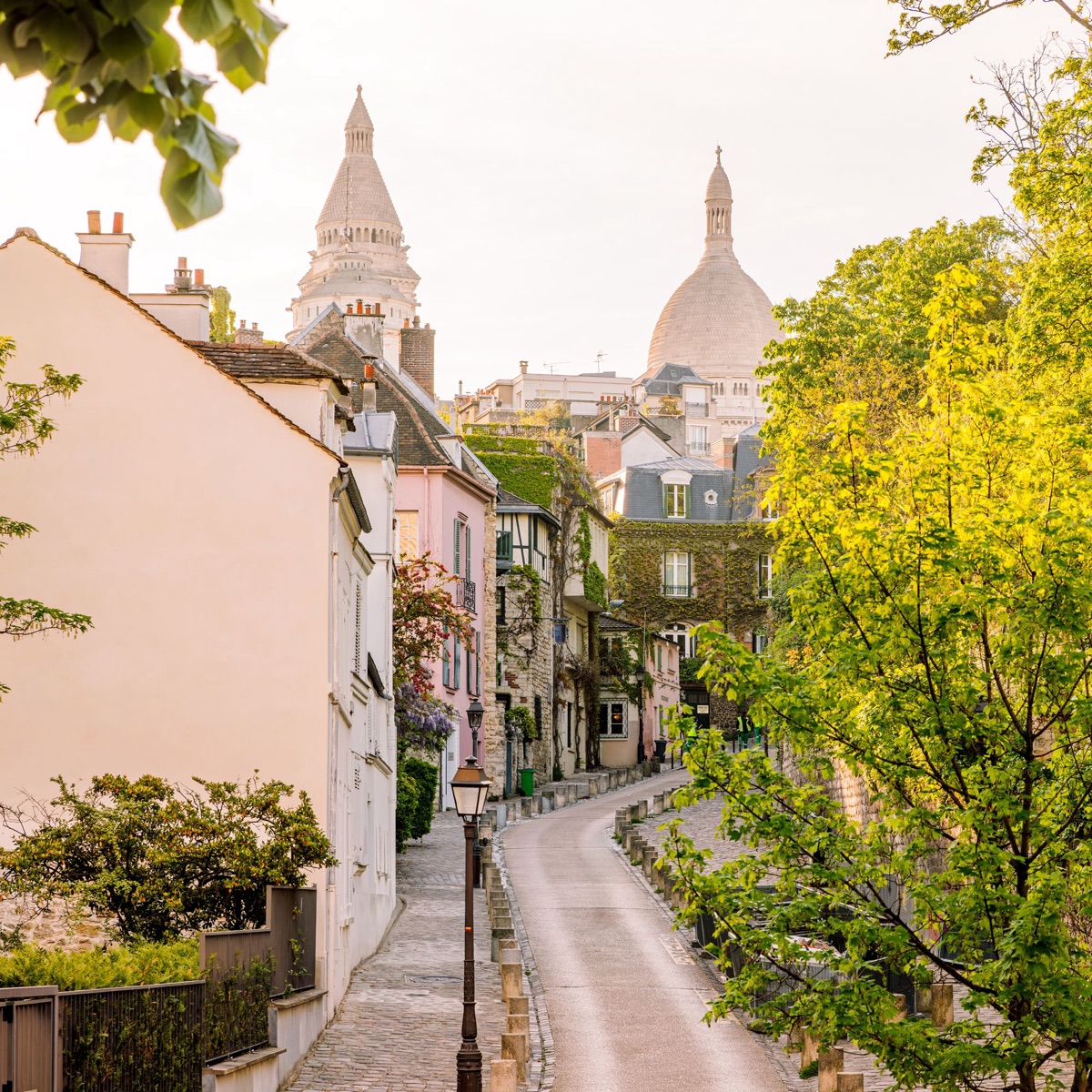
Montmartre (18th arr.) — Village-like charm, Sacré-Cœur, artist studios, great bistros. More affordable and atmospheric, but hillier and slightly removed from central sights. Hotels: €100–180/night.
Bastille / Oberkampf (11th arr.) — The local’s Paris. Best nightlife, neo-bistros, craft beer scene. Less touristy, excellent metro connections. Hotels: €120–200/night.
Barcelona neighborhoods
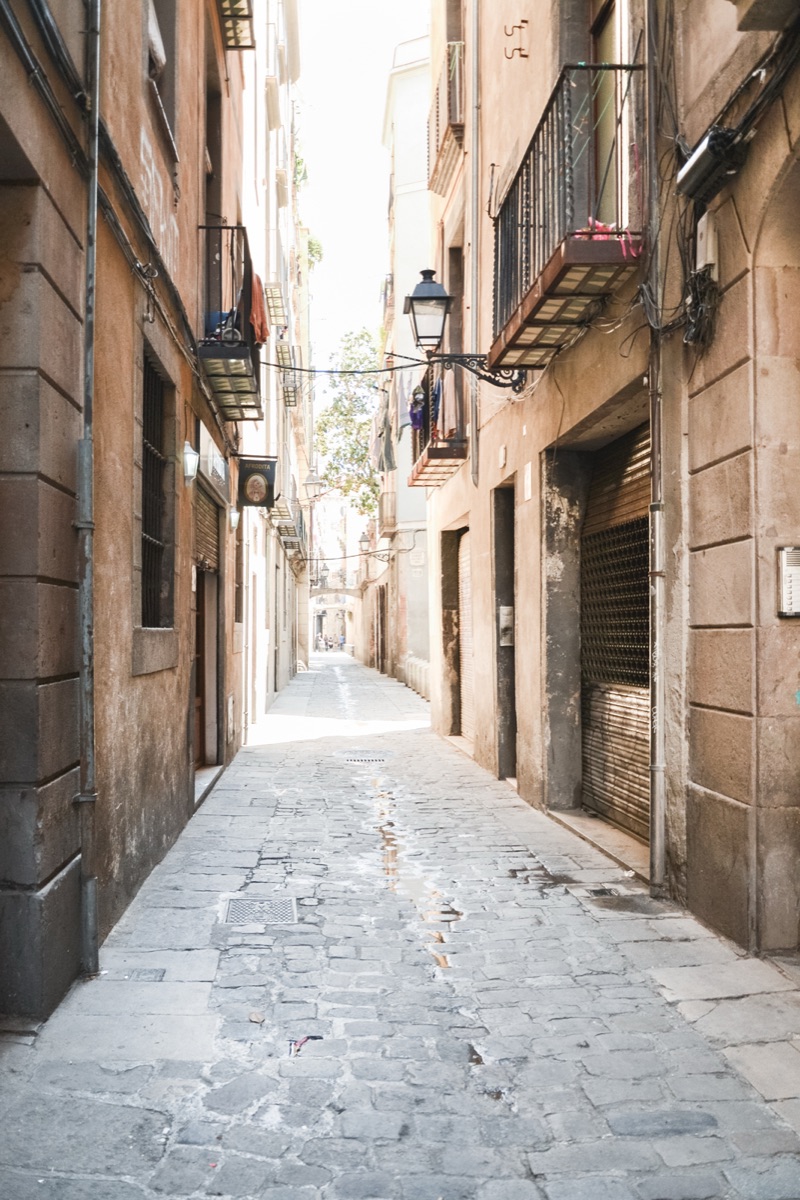
Gothic Quarter (Barri Gòtic) — Medieval streets, the Cathedral, and Barcelona’s historic heart. Walking distance to everything. Can be touristy and noisy at night, but the atmosphere is unbeatable. Hotels: €100–180/night.
El Born — Adjacent to the Gothic Quarter but trendier. Picasso Museum, cocktail bars, boutique shopping, Santa Caterina market. The most “instagrammable” neighborhood. Hotels: €110–190/night.
Eixample — The grid-layout neighborhood with Gaudí’s greatest hits (Sagrada Família, Casa Batlló, Casa Milà). Wide boulevards, great restaurants, slightly less hectic. Hotels: €100–170/night.
Barceloneta — The beach neighborhood. Seafood restaurants, beach bars, and a fisherman’s village vibe. Noisier in summer but unbeatable for beach access. Hotels: €90–160/night.
Gràcia — The bohemian/local neighborhood. Village squares (plaças), independent shops, Park Güell nearby. Less central but beloved by repeat visitors. Hotels: €80–140/night.
Winner takeaway
- Winner: Depends
- Why: In Paris, Le Marais or Bastille for the best mix of location and vibe. In Barcelona, El Born or Eixample offer central locations without the Gothic Quarter’s tourist crush. Both cities reward staying in a neighborhood with character over a generic hotel zone.
- Who this matters for: Matters most if neighborhood choice, hotel value, or day-trip convenience is a big part of the decision.
🎒 Day Trips
Both cities serve as excellent gateways to their surrounding regions, but the nature of those day trips is quite different.
From Paris
Versailles (40min by RER) — The Sun King’s palace, one of the most lavish buildings ever constructed. Go early to beat crowds. €21 entry.
Giverny (1h15m) — Monet’s house and gardens. The water lily pond is as magical in person as in the paintings. April–October only.
Loire Valley (1.5h TGV to Tours) — Fairy-tale châteaux: Chambord, Chenonceau, Amboise. Rent a car or join a tour.
Champagne Region (45min TGV to Reims) — Tour the cellars of Moët & Chandon, Veuve Clicquot, and Taittinger. Yes, you taste.
Mont Saint-Michel (3.5h by TGV + shuttle) — Worth it for a long day trip or overnight. The island abbey is jaw-dropping at high tide.
From Barcelona
Montserrat (1h by train + cable car) — Dramatic saw-toothed mountain with a hilltop monastery and the Black Madonna. Incredible hiking trails.
Girona (38min by AVE) — Colorful houses along the Onyar River, a magnificent cathedral, and a Jewish Quarter. Game of Thrones filming location.
Costa Brava (1.5–2h) — Turquoise coves and medieval coastal villages. Tossa de Mar and Cadaqués are standouts.
Sitges (35min by train) — Charming beach town south of Barcelona. Beautiful beaches, LGBTQ+-friendly, excellent seafood.
Figueres (55min by AVE) — The Salvador Dalí Theatre-Museum. Surreal in every sense. Combine with Girona for a full day.
Winner takeaway
- Winner: Depends
- Why: Paris’s day trips are more historically grand (Versailles, Loire châteaux, Champagne). Barcelona’s are more varied — mountains, beaches, medieval towns. Both are excellent; Paris edges it on sheer wow-factor destinations.
- Who this matters for: Matters most if you want one base with strong side trips rather than a single-destination stay.
🔀 Why Not Both?
Here’s the Reddit consensus that kept coming up in every single thread: these cities are so different that comparing them is almost unfair. One is refined, grand, and grey-skied; the other is dense, beachy, and sun-drenched. Visiting both on one trip gives you an incredibly rich picture of European culture.
Getting between them
Flight: 2 hours, €30–100 on Vueling/Transavia/easyJet. Book 3–4 weeks ahead for best prices. Factor in airport travel time (1h+ each side).
Train (TGV/AVE): 6.5 hours, €59–180. Scenic route through southern France. City center to city center — no airport hassle. Book on SNCF Connect or Renfe.
Bus (FlixBus): 14–15 hours, €25–40. Overnight option for budget travelers who can sleep on buses.
Suggested split itineraries
8 days: 4 days Paris (Louvre, Orsay, Montmartre, Versailles day trip) → fly → 4 days Barcelona (Sagrada Família, Gothic Quarter, beach, Montserrat day trip)
10 days: 4 days Paris → train through Provence → 5 days Barcelona (with Girona + Costa Brava day trips) → 1 day travel
14 days: 5 days Paris (with Versailles + Champagne) → train → 2 days Lyon or Provence → 5 days Barcelona (with Montserrat, Girona, Sitges) → 2 days Madrid
Pro tip: If flying, book a multi-city itinerary (fly into Paris CDG, out of Barcelona El Prat) to avoid backtracking. Airlines like Vueling and Transavia make this easy and affordable.
Winner takeaway
- Winner: Depends
- Why: If you have 8+ days, do both. They complement each other perfectly — Paris’s grandeur and Barcelona’s warmth create a trip with real range. A 2-hour flight or scenic train ride is all it takes.
- Who this matters for: Matters most if you are deciding whether this should be a one-destination trip or a broader itinerary.
🎯 The Decision Framework
Choose Paris If…
- You want to visit world-renowned art museums like the Louvre.
- You are seeking a classic romantic city experience.
- You wish to explore centuries of European history.
- You prioritize high-quality dining, from bistros to bakeries.
- You prefer cooler, pleasant weather for sightseeing in spring or fall.
- You want to experience grand, iconic landmarks.
- You value a destination celebrated for its culinary excellence.
- You are willing to budget €180–265 ($195–290) daily.
Choose Barcelona If…
- You want direct access to Mediterranean beaches.
- You are looking for a more budget-friendly European option, costing €120–180 ($130–195) daily.
- You enjoy a late-night culture with many evening options.
- You are traveling with family and need diverse activities.
- You're keen to see unique Modernist architecture by Gaudi.
- You prefer a city where casual tapas dining is prevalent.
- You want a destination with a generally warmer climate.
- You value a city where the beach is a central feature.
💰 Daily Cost Breakdown
| Expense | Paris | Barcelona |
|---|---|---|
| Hostel dorm | €40-80 | €30-70 |
| Budget hotel | €120-250 | €90-200 |
| Street food meal | €8-15 | €5-12 |
| Restaurant meal | €25-60 | €18-45 |
| Beer/drink | €6-10 | €4-8 |
| Local transport (day) | €8-15 | €7-12 |
| Daily budget total | €100-250 | €80-200 |
Approximate daily costs for 2026. Actual prices vary by season and travel style.
🌤️ Monthly Weather Comparison
| Month | Paris Temp | Paris Rain | Barcelona Temp | Barcelona Rain |
|---|---|---|---|---|
| Jan | 7°C/45°F | 53mm | 14°C/57°F | 40mm |
| Feb | 8°C/46°F | 45mm | 14°C/58°F | 35mm |
| Mar | 12°C/54°F | 50mm | 17°C/63°F | 45mm |
| Apr | 15°C/59°F | 50mm | 19°C/66°F | 45mm |
| May | 19°C/66°F | 60mm | 23°C/73°F | 50mm |
| Jun | 22°C/72°F | 50mm | 27°C/81°F | 30mm |
| Jul | 25°C/77°F | 40mm | 29°C/84°F | 25mm |
| Aug | 25°C/77°F | 45mm | 29°C/84°F | 40mm |
| Sep | 21°C/70°F | 55mm | 26°C/79°F | 80mm |
| Oct | 16°C/61°F | 60mm | 22°C/72°F | 90mm |
| Nov | 11°C/52°F | 55mm | 18°C/64°F | 60mm |
| Dec | 8°C/46°F | 50mm | 15°C/59°F | 45mm |
Average monthly high temperatures and rainfall based on historical climate data.
📅 Sample Itineraries
Weekend in Paris (3 Days)
💡 Three days gives you a great taste of Paris.
Weekend in Barcelona (3 Days)
💡 Three days gives you a great taste of Barcelona. Check out our Barcelona Art Galleries guide.
Week in Paris (7 Days)
💡 A full week gives you a great taste of Paris.
Week in Barcelona (7 Days)
💡 A full week gives you a great taste of Barcelona. Check out our Barcelona Art Galleries guide.
❓ Frequently Asked Questions
Is Paris or Barcelona better for first-time visitors to Europe?
Both are excellent first European cities, but they offer very different experiences. Paris is the classic cultural capital — museums, architecture, and haute cuisine in a grand, elegant setting. Barcelona is more relaxed — beach life, Gaudí architecture, tapas culture, and a chaotic nightlife scene. Reddit consensus leans toward Barcelona for younger/budget travelers who want a laid-back vibe, and Paris for art lovers, romantics, and anyone who’s dreamed of the Louvre and Eiffel Tower. There’s no wrong choice.
How far apart are Paris and Barcelona?
Approximately 1,035 km. Direct flights take about 2 hours and cost €30–100 on budget carriers (Vueling, Transavia, easyJet). The TGV/AVE high-speed train takes about 6.5 hours via scenic southern France and costs €59–180. FlixBus overnight takes 14–15 hours for €25–40. If doing both cities, fly into one and out of the other to avoid backtracking.
Is it worth visiting both Paris and Barcelona on one trip?
Absolutely, if you have 8+ days. A common split is 4 days Paris + 4 days Barcelona, connected by a quick 2-hour flight or scenic 6.5-hour train ride. The two cities are so different that visiting both gives you a much richer European experience — the grandeur and refinement of France meets the warmth and energy of Catalonia. Reddit overwhelmingly recommends doing both if time allows.
Which is cheaper, Paris or Barcelona?
Barcelona is significantly cheaper — roughly 30–40% less expensive day-to-day. A mid-range daily budget in Barcelona runs €120–180 vs €180–265 in Paris. The biggest differences are accommodation (a 3-star hotel in central Barcelona: €100–160/night vs Paris: €150–250/night) and drinks (beer €3–5 in Barcelona vs €7–9 in Paris). Dining out is also notably cheaper — a full menú del día lunch with wine costs €12–16 in Barcelona, while a similar Parisian lunch formule runs €18–28.
How many days do you need in Paris vs Barcelona?
Minimum 3 full days in each city for a first visit, ideally 4–5. Paris has among the best museums that can eat entire days (the Louvre alone needs 3–4 hours minimum), plus Versailles as a must-do day trip. Barcelona’s main Gaudí sites, Gothic Quarter, and beach can be covered in 3–4 days, but the food scene, neighborhoods, and day trips reward a longer stay. Both cities also serve as excellent bases for day trips to surrounding regions.
Is Barcelona safer than Paris for tourists?
Both cities have similar safety profiles — generally safe with standard big-city precautions. Pickpocketing is the main concern in both. In Paris, watch out on the Métro (lines 1 and 4 especially), around Sacré-Cœur, and the Eiffel Tower area. In Barcelona, Las Ramblas, the metro, and the beach are notorious for pickpockets. Reddit users note that Barcelona’s petty crime (phone snatching, bag slashing) can feel more aggressive, while Paris has more scam artists (bracelet sellers, petition signers at major sites). Neither city has significant violent crime in tourist areas.
Should I visit Paris or Barcelona in summer?
Barcelona is the better summer destination thanks to its Mediterranean beaches — you can swim, sunbathe, and enjoy seaside dining. July–August runs 28–30°C with low humidity and almost no rain. Paris in summer is hot (26–30°C) with no beach relief, occasional heat waves pushing past 35°C, and the city’s famous August exodus means some local restaurants and shops close. However, Paris does offer beautiful long summer evenings along the Seine and shorter museum queues. If beach access matters, Barcelona wins summer hands down.
Ready to plan your European trip?
Get a free custom itinerary for Paris, Barcelona, or both — built from real traveler insights, not generic templates.
🎟️ Book Tours & Experiences
Hand-picked tours and activities for both destinations — book with free cancellation
Experiences via Viator — free cancellation on most tours