📋 Our Methodology
This comparison is built from real sources, not AI guesswork:
- 20+ Reddit threads from r/JapanTravel, r/JapanTravelTips, r/Hokkaido, r/solotravel synthesized
- Cost data from recent traveler reports and Numbeo (March 2026)
- Transit info from JR Hokkaido schedules and local operators
- Weather data from historical averages for western Hokkaido
⚡ The TL;DR Verdict
Hakodate wins on depth, scale, and bucket-list moments. Otaru wins on convenience, sushi, and dreamy half-day vibes. Budget: both roughly ¥8,000–14,000/day (~$55–95 USD) mid-range.
- Go to Hakodate if Japan's greatest night view is on your list — Reddit is unanimous that the Mt. Hakodate ropeway view is genuinely life-affirming, and the Goryokaku star fort adds historical weight. You need at least one overnight.
- Go to Otaru if you're based in Sapporo and want the perfect Japanese port-town day trip — top-tier sushi on Sushiya-dori, the atmospheric canal walk, and artisan glass shops you won't find anywhere else. Half a day to a full day is enough.
- Budget snapshot: Otaru is slightly cheaper because you stay in Sapporo. Hakodate's train from Sapporo costs ¥8,500 (~$57 USD) each way — plan for a dedicated 1–2 night stay to justify the journey.
Choose Otaru
Day trip from Sapporo, Sushiya-dori sushi, Otaru Canal walk, Kitaichi Glass, LeTAO cheesecake, Nikka Whisky distillery
Choose Hakodate
Mt. Hakodate night view, Goryokaku star fort, morning market uni bowls, Motomachi Western architecture, shio ramen
📊 Quick Comparison
| Category | 🏛️ Otaru | 🌃 Hakodate | Edge |
|---|---|---|---|
| Iconic Experience | Otaru Canal at dusk, Sushiya-dori sushi street | Mt. Hakodate night view (ropeway, ¥1,800), Goryokaku star fort | Hakodate |
| Food Scene | World's best Hokkaido sushi, kaisen-don, LeTAO cheesecake | Morning market uni/ikura bowls, shio ramen, Lucky Pierrot burgers | Tie |
| Getting There | 30–40 min by JR from Sapporo (¥750) | 3.5–4 hrs by limited express from Sapporo (¥8,500), or 40-min flight | Otaru |
| Ideal Visit Length | Half day to 1 day | 1–2 nights minimum | Otaru |
| Historical Depth | Meiji-era canal merchants, glass artisans, former banks | Japan's first Western-open port, Goryokaku (last shogunate battle), Motomachi consulates | Hakodate |
| City Size | ~110,000 people — compact, walkable | ~250,000 people — manageable, has streetcars | Otaru |
| Accommodation | Boutique hotels, ryokans near canal; fewer options | Wider range — La Vista Bay resort, Dormy Inn, ryokans in Motomachi | Hakodate |
| Budget (mid-range/day) | ¥8,000–12,000 excl. Sapporo base accommodation | ¥10,000–16,000 incl. higher hotel costs | Otaru |
| Best Season | Winter (Snow Light Path festival, Feb), Autumn | Spring (Goryokaku cherry blossoms, late Apr), Winter nights | Tie |
| Crowds | Very crowded on weekends and holidays; closes early (~6pm) | Busy but more spread out; manageable most of year | Hakodate |
| Day Trips | Niseko ski resort (1.5 hrs), Cape Kamui | Onuma Quasi-National Park (45 min), Yunokawa Onsen | Hakodate |
🏙️ City Character & Vibe
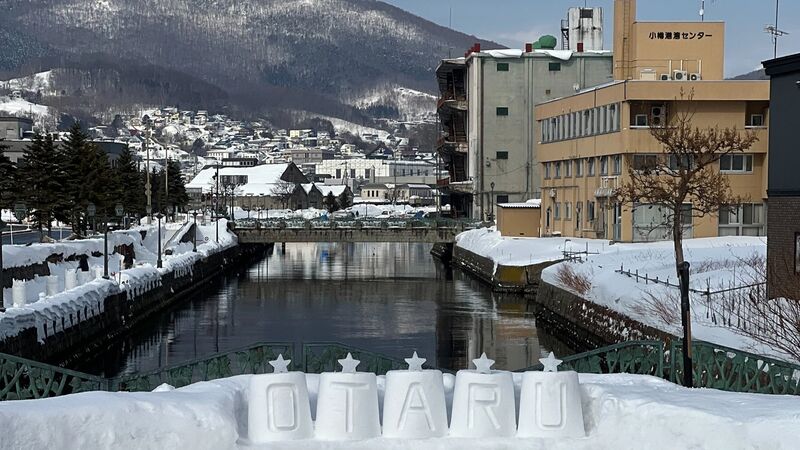
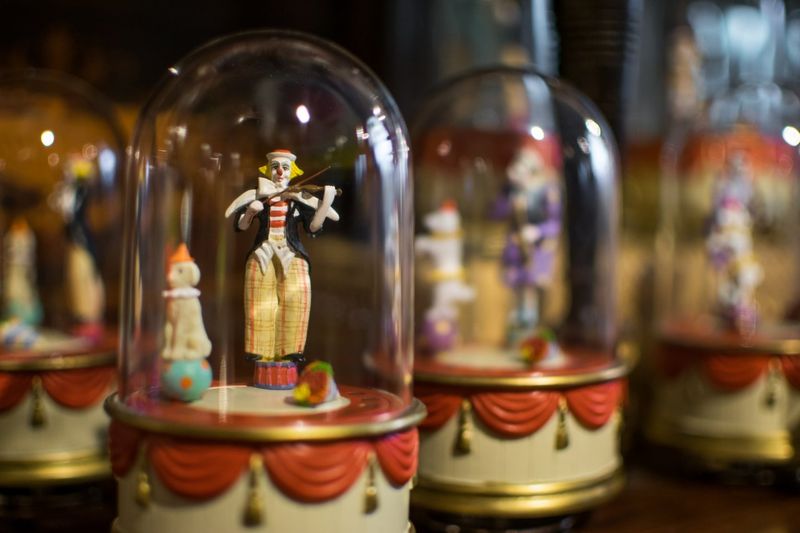
Otaru is small, self-aware, and thoroughly photogenic. Built on the herring fishing and maritime trade boom of the late 19th century, it peaked around 1920 and has been carefully preserving that golden era ever since. The main drag — Otaru Canal lined with stone warehouses, then Sakaimachi Street of glass shops and music box boutiques — is compact enough to cover in three hours. This is both a feature and a limitation: Reddit is correct that Otaru is a "beautiful half-day town," not a city that rewards a week.
Hakodate is in a different class. It sits on a narrow isthmus between two bays, giving it a unique geographical drama that you feel the moment you arrive. As one of Japan's first treaty ports opened to foreign trade in 1854, it absorbed Western influence early: Russian Orthodox churches, Catholic missions, consulate buildings, and star-shaped Western fortress architecture that makes it feel unlike anywhere else in Japan. At 250,000 people, it has real city energy — streetcars, diverse dining, a proper old town — while remaining intimate compared to Sapporo.
"Most people do Otaru as a day trip from Sapporo, but an overnight stay in Otaru is lovely. After all the day trippers leave, it's gorgeous and peaceful." — r/JapanTravelTips
"Hakodate has perhaps the most off the beaten path random attraction I have ever visited — Japan's first cement electrical pole. There is even a big sign explaining its importance." — r/Hokkaido
🍣 Food & Dining
Otaru's food reputation rests almost entirely on sushi — and it's deserved. Sushiya-dori (Sushi Street) is a dense block of high-quality sushi restaurants clustered near the Otaru Station area, serving Hokkaido's exceptional local seafood: fresh uni (sea urchin), ikura (salmon roe), scallop, and crab. Omakase sets run ¥3,500–8,000; standing sushi bars are more like ¥2,000–3,500. Get there before 11:30am or expect a queue. Beyond sushi: Otaru is also famous for LeTAO double fromage cheesecake (¥1,850 for a small box) and the Nikka Whisky Yoichi Distillery is 30 minutes away for free tours with tastings.
Hakodate plays a different culinary game. The Hakodate Morning Market (Asaichi) is one of Japan's great market experiences — open from 6am, with live squid, fresh crabs, and excellent uni/ikura donburi sets at ¥1,800–3,500. Lucky Pierrot, the local fast-food chain, is a genuine cult favorite (Chinese Chicken Burger, ¥550) that Reddit consistently recommends without irony. Hakodate is also the birthplace of shio ramen (salt-broth ramen), and places like Yama no Shokudo serve it in a broth that's light, complex, and utterly different from Sapporo's miso style.
"Went to Hakodate with my then pregnant wife in off-peak season. The seafood was a lot cheaper than other areas like Otaru. We only visited the red brick factory area but I felt Hakodate was overall well worth visiting." — r/Hokkaido
"If you come in May, it's uni season, and I cannot recommend getting fresh uni enough, especially in Otaru or Hakodate. It is so, so good." — r/JapanTravelTips
⛩️ Top Attractions
Otaru's must-see list is tight but satisfying: the canal walk and gas lamp reflection (best at dusk), Kitaichi Glass main store in the canal warehouses, the Otaru Music Box Museum (¥300 entry, over 15,000 music boxes), and the Otaru Art Base (former bank building). The Nikka Whisky Yoichi Distillery is 30 minutes west by train — free distillery tour and decent free tasting of Japan's most awarded whisky. Most visitors cover the main attractions in 3–5 hours.
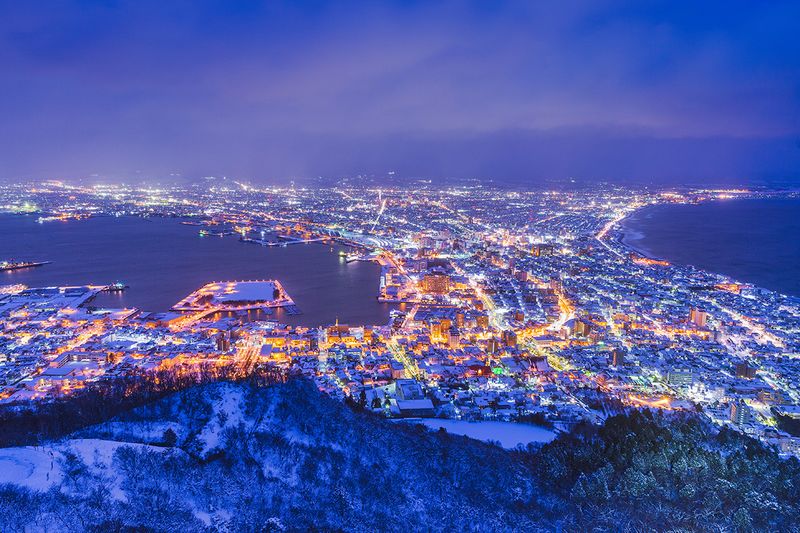
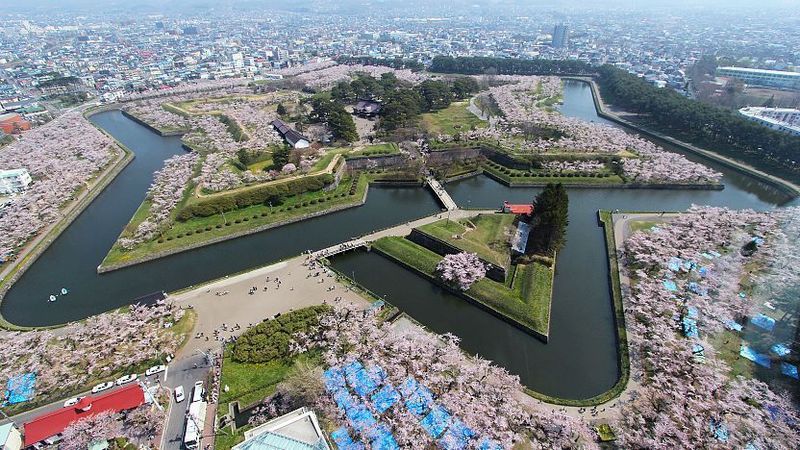
Hakodate demands more time. The ropeway up Mt. Hakodate (¥1,800 return) for the night view is the headliner — one of Japan's officially designated three greatest night views, showing the city's fish-tail peninsula lit up between Tsugaru Strait and Hakodate Bay. Goryokaku Fort is Japan's only Western-style star-shaped fortress (observation tower ¥1,000), spectacular during cherry blossom season. The Motomachi district has genuine architectural variety: Russian Orthodox Church (1916), Old Public Hall, Former British Consulate, multiple Catholic and Protestant churches — all walkable in a morning. The Kanemori Red Brick Warehouses are now shops and restaurants by the bay.
"DEFINITELY stay the night. A day trip will exhaust half of your day on the train ride alone and you'll have to rush and won't be able to enjoy yourself. But that aside — the #1 attraction of Hakodate IS the night view of the city from Mt. Hakodate! So why would you miss out on that?" — r/Hokkaido
💰 Cost Comparison
| Expense | Otaru (day trip) | Hakodate (1 night) |
|---|---|---|
| Getting there from Sapporo | ¥750 (~$5) by JR | ¥8,500 (~$57) limited express or ¥7,000–12,000 by flight |
| Accommodation | ¥0 (stay in Sapporo) | ¥8,000–20,000 per night |
| Sushi lunch (Otaru) / Morning market bowl (Hakodate) | ¥2,500–6,000 | ¥1,800–3,500 |
| Top attraction entry | ¥300–800 (glass/music box) | ¥1,800 (Mt. Hakodate ropeway) |
| Dinner + drinks | ¥2,000–5,000 | ¥2,500–5,500 |
| Total all-in (1-day/1-night) | ¥6,000–12,000 | ¥25,000–45,000 |
The math is straightforward: Otaru is cheap because you sleep in Sapporo and it takes 30 minutes to reach. Hakodate requires a significant time and money investment — the 3.5-hour train alone costs more than a full day in Otaru. That said, the value in Hakodate is high: the night view, morning market, and Goryokaku together make for one of Japan's best value-for-money 1–2 night stops. Many Redditors who "almost skipped Hakodate to save money" report it as their trip highlight.
"Otaru was super affordable as a day trip from Sapporo. We ate so much good sushi without breaking the bank." — r/JapanTravel
🚉 Getting There
Otaru from Sapporo: The JR Rapid/Local train from Sapporo Station to Otaru Station runs every 30 minutes and takes 30–40 minutes. Cost: ¥750 (~$5). No advance booking needed — just show up and hop on. Most travelers do this without a JR Pass; the cost is trivial. From New Chitose Airport, take the Rapid Airport train directly to Otaru Station (about 75 minutes, ¥1,910 with airport surcharge).
Hakodate from Sapporo: The fastest option is the Hokuto Limited Express (3h 30min–4h, ¥8,500 one-way, or free with JR Pass). There's also a 40-minute flight from Okadama Airport (central Sapporo) to Hakodate Airport — often ¥7,000–10,000 budget, but adds airport transit time. The Hokkaido Shinkansen currently terminates at Shin-Hakodate-Hokuto station (not Hakodate city) — from there, a JR Hakodate Line train takes 15–20 min (¥370) to Hakodate Station.
"I stayed in Hakodate when going from Honshu to Sapporo, as it was on the way. It's a nice little town and I have fond memories of it. I love Hakodate, it's a great city to wander and spend a couple of days." — r/JapanTravelTips
🚶 Getting Around
Otaru is one of the most walkable destinations in Hokkaido. From Otaru Station, the canal is a 10-minute walk; Sakaimachi Street runs north–south; the sushi restaurants are clustered near the station. You can see everything on foot. Buses exist for outlying neighborhoods, but 95% of visitors never need them. The only "transport" most people use is the train back to Sapporo.
Hakodate requires a bit more navigation. Key areas: Hakodate Station/morning market (near station), Goryokaku (2km east of station, walkable or 5-min tram), Motomachi/Western architecture (15-min walk uphill from station or tram), Mt. Hakodate ropeway (2km from station, walkable or tram). The city's historic streetcar (tram) system runs two lines — a ¥600 day pass covers unlimited rides and is worth buying on arrival. Or walk: Hakodate's key sights are all within 3km of the station.
"These could fill up 1–2 days: churches and western architecture, star fort + tower, observatory, red brick warehouse, morning market." — r/Hokkaido
🌸 Best Time to Visit
Otaru is famous for its Snow Light Path Festival (Yuki Akari no Michi, held in late January/early February). Hundreds of snow candles and lanterns illuminate the canal and hillside for 10 days — one of Japan's most beautiful winter events. Summer (July–August) is pleasant at 20–25°C but extremely crowded on weekends. Autumn (October) offers foliage and slightly smaller crowds. Spring is mild but unremarkable in Otaru specifically.
Hakodate shines in spring: cherry blossoms inside Goryokaku Fort (late April to early May) create one of Japan's most photographed sakura scenes — the star shape visible from the tower turns pink. Summer is comfortable with the night view at its best on clear evenings. Winter is magical: the city looks gorgeous in snow, the ropeway runs year-round (weather permitting), and the Goryokaku illumination in December is romantic. For mild weather and all-round experiences, late April–early June or late September–October are ideal.
"A Trip to Hokkaido's Frozen Lands (January 2026) — reaching Otaru or Hakodate is very easy thanks to the incredible train network." — r/travel
🏨 Where to Stay
Otaru: Most travelers stay in Sapporo and day-trip. If you do stay, the best option is a ryokan near the canal — Kourakuen Otaru is frequently praised on Reddit as one of Hokkaido's best ryokan experiences. Boutique hotels near Otaru Station offer canal views and easy access. Expect ¥8,000–18,000/night for a good option. One Redditor who stayed at an Otaru ryokan: "it was my favorite accommodation of our 2 weeks in Japan." After the day-trippers leave by 6pm, Otaru takes on a completely different, peaceful atmosphere — which makes overnight worth considering.
Hakodate has more options at every price point. La Vista Hakodate Bay is the prestige pick — onsen with bay views, exceptional breakfast buffet (consistently rated one of Hokkaido's best), rooms from ¥18,000–35,000. Dormy Inn Premium Hakodate near the station offers great value with natural hot springs (¥10,000–15,000). Budget travelers can find guesthouses in Motomachi for ¥5,000–8,000. The Hakodate local government officially recommends staying overnight rather than day-tripping — and they're right.
"I live in Hakodate and I'd recommend staying the night 😊 it's very nice to experience the evening and the view from Hakodate mountain is the best at that time too. There is also a hotel often considered having the best breakfast buffet in Hokkaido (La Vista) here which could be worth trying out!" — r/Hokkaido (Hakodate local)
🎒 Day Trips
From Otaru: The Nikka Whisky Yoichi Distillery is 30 minutes west by JR (¥580) — free factory tour, free tasting of award-winning Japanese whisky, and beautiful old Scottish-style buildings. It's Japan's most decorated whisky distillery. Cape Kamui (Shakotan Peninsula) is accessible by bus in about 2 hours — dramatic sea cliffs and the bluest water in Hokkaido, excellent for summer. Sapporo itself is so close (30 min) it counts as a free bonus.
From Hakodate: Onuma Quasi-National Park is 45 minutes north by JR (¥1,070) — lakes, islands, cycling paths, and Mt. Komagatake volcano backdrop. Excellent for hiking and boat rides in summer, ice fishing in winter. Yunokawa Onsen is just 15 minutes by tram — Hakodate's hot spring district with monkey parks and several excellent ryokans. For a longer excursion, Lake Toya and Noboribetsu Onsen are 2–3 hours northwest toward Sapporo.
"My current plan is to just spend all 4 nights in Hakodate. Looks calm, pleasant, fun and relaxing and I could probably really enjoy the time there." — r/Hokkaido
🔀 Why Not Both?
The good news: Otaru and Hakodate are not competing for the same nights. They solve different problems and pair perfectly on a standard Hokkaido trip:
Standard Hokkaido circuit (7–10 days):
→ Fly into New Chitose Airport
→ Sapporo 3 nights (day trip to Otaru on day 2 — 30-min train, no hotel needed)
→ Hakodate 1–2 nights (book via JR limited express or flight from Okadama)
→ Exit via Hakodate Airport or Hokkaido Shinkansen to Tokyo
The Sapporo → Hakodate train passes through beautiful scenery along the coast and through volcanic landscapes — consider a window seat. With a JR Pass, this loop is very cost-effective. Reddit consensus is clear: doing both is better than choosing. The cities complement each other — Otaru adds a charming afternoon near Sapporo, and Hakodate adds a proper destination stay with bucket-list views.
"Worth staying overnight [in Hakodate]. Too far for a day trip. Conversely I would say Otaru is not worth it unless you've literally never seen a canal before — though the sushi is excellent." — r/Hokkaido
"The main body of my trip was to ski in Niseko. But the wife and I also spent some time in Sapporo, Otaru and Hakodate. Otaru had hands down the BEST ryokan I stayed in during our 2 weeks in Japan. Absolutely amazing." — r/Hokkaido
🎯 The Decision Framework
Choose Otaru If…
- You desire a convenient half-day trip from Sapporo.
- You prioritize quick access to top-tier sushi restaurants.
- You appreciate a highly walkable city center.
- You want to explore a historic canal district.
- You enjoy browsing specialty glass shops and workshops.
- You prefer a quieter, more relaxed atmosphere.
- You are looking for a compact sightseeing experience.
- You need an easy return journey to a larger city base.
Choose Hakodate If…
- You seek significant historical sites like Goryokaku Fort.
- You prioritize experiencing grand, panoramic city night views.
- You want a destination with more extensive sightseeing options.
- You enjoy exploring a lively morning seafood market.
- You prefer a city offering a greater sense of scale.
- You are looking for a destination with deeper exploration potential.
- You want to visit Western-influenced architectural districts.
- You desire a destination that feels like a primary trip focus.
❓ Frequently Asked Questions
Is Otaru or Hakodate better for a first-time Hokkaido visitor?
Both are day-trip/overnight worthy, but they serve different purposes. Otaru is the easiest add-on to Sapporo — 30 minutes by train, perfect for a half or full day. Hakodate needs at least one overnight to experience its defining feature: the night view from Mount Hakodate. Reddit consensus: do Otaru as a day trip from Sapporo, and budget 1–2 nights for Hakodate separately.
Is Otaru worth visiting or is it overhyped?
Honestly, Reddit is divided. Some travelers find Otaru's canal underwhelming ("literally just a canal with LEDs"), while others love the artisan glass shops, music box museum, and among the best sushi. The honest take: Otaru's main street and sushi are genuinely excellent. The canal is a backdrop, not a destination. If you enjoy wandering and eating, you'll have a great half-day. If you expect Thomas Kinkade come to life, you'll be let down.
How far is Otaru from Hakodate?
About 300 km apart. Otaru is 30 minutes from Sapporo, Hakodate is 3.5–4 hours from Sapporo by limited express (¥8,500). There's no direct train between Otaru and Hakodate. Most travelers visit Otaru from Sapporo and Hakodate as a separate 1–2 night stop, often on the same trip.
Which city has better food: Otaru or Hakodate?
Both are exceptional seafood cities in different registers. Otaru is Japan's sushi mecca — Sushiya-dori has a dense concentration of high-quality restaurants serving Hokkaido uni, ikura, and scallop. Hakodate's strength is the morning market (ikura/uni bowls at ¥2,000–3,500) and shio ramen. Reddit calls both top-5 Japan food cities. Serious food travelers should plan to eat in both.
Is the Mt. Hakodate night view worth it?
Overwhelmingly yes — Reddit is nearly unanimous. The ropeway (¥1,800 round trip) shows the city's narrow isthmus lit between two bays, and it genuinely looks like jewels on black velvet. Go at dusk (30 minutes after sunset) not full dark, and ideally on a clear evening. During peak summer, arrive early — queues can hit 45 minutes.
How many days do you need in Otaru?
Half a day to a full day is the sweet spot. Morning: Otaru Canal walk and breakfast. Midday: sushi lunch on Sushiya-dori (arrive by 11am to beat queues). Afternoon: Kitaichi Glass shops, Music Box Museum, old financial buildings. Most Reddit travelers do Otaru as a day trip from Sapporo and are back by evening. Staying overnight is pleasant but not necessary — though an Otaru ryokan after the day-trippers leave is genuinely lovely.
Can you do Otaru and Hakodate on the same trip?
Yes, and most Hokkaido visitors do. Standard circuit: fly into New Chitose → Sapporo (2–3 nights, day trip to Otaru) → Hakodate (1–2 nights) → exit via Hakodate Airport or Shinkansen to Tokyo. Don't try to do Otaru and Hakodate on the same day — they're 3+ hours apart and you'll exhaust yourself.
What is Goryokaku and why is it famous?
Goryokaku is Japan's only Western-style star-shaped fortress, built in 1864 in Hakodate. It was the site of the last stand of the Tokugawa Shogunate during the Boshin War (1869). Today it's a park — spectacular during cherry blossom season (late April/early May) — with an observation tower (¥1,000) giving aerial views of the perfect five-pointed star. Reddit ranks it among the top 3 things to do in Hakodate.
Ready to Plan Your Hokkaido Trip?
Let tabiji build you a free personalized itinerary — including the best of Otaru and Hakodate.
🎟️ Book Tours & Experiences
Hand-picked tours and activities for both destinations — book with free cancellation
Experiences via Viator — free cancellation on most tours