How we built this comparison
This page combines traveler discussion patterns, published price ranges, flight schedules, and seasonal data to help you decide between Osaka and Kyoto.
- Reviewed 500+ Reddit threads from r/travel, r/solotravel, r/japantravel, etc.
- Verified costs and logistics against current booking platforms (e.g., Booking.com, JR Pass site, local restaurant prices).
- Cross-referenced seasonal patterns and weather data from Japan Meteorological Agency and traveler forums.
⚡ The TL;DR Verdict
For high-energy foodies, nightlife seekers, and budget-conscious adventurers, Osaka is your winner with a daily budget of ¥8,000-¥15,000 ($55-$100). If ancient traditions, tranquil beauty, and meticulous cultural experiences are your priority, Kyoto beckons, typically requiring ¥10,000-¥20,000 ($70-$135) daily.
- Choose Osaka: You're all about incredible street food (takoyaki, okonomiyaki), late-night izakayas, quirky shopping, and a more modern, busy city vibe without breaking the bank. Great for solo travelers looking to meet people.
- Choose Kyoto: Your dream trip involves ancient temples, geisha spotting, zen gardens, traditional tea houses, and soaking in centuries of Japanese culture. Perfect for those seeking tranquility and historical immersion.
- Choose Both: Absolutely do both! They're just 30 minutes apart by shinkansen or local train. Allocate 2-3 full days for Kyoto to fully appreciate its sights, and 2-3 full days for Osaka to enjoy its food and nightlife. Base yourself in either city and day trip to the other, or split your accommodation for a richer experience.
Choose Osaka
Choose Osaka if you crave a dynamic urban adventure filled with incredible street food like takoyaki in Dotonbori, lively nightlife, and quirky shopping. It's best for high-energy foodies and budget-conscious travelers looking for a modern Japanese experience without the traditional formality of Kyoto, perfect for those who want to eat and play late into the evening.
Choose Kyoto
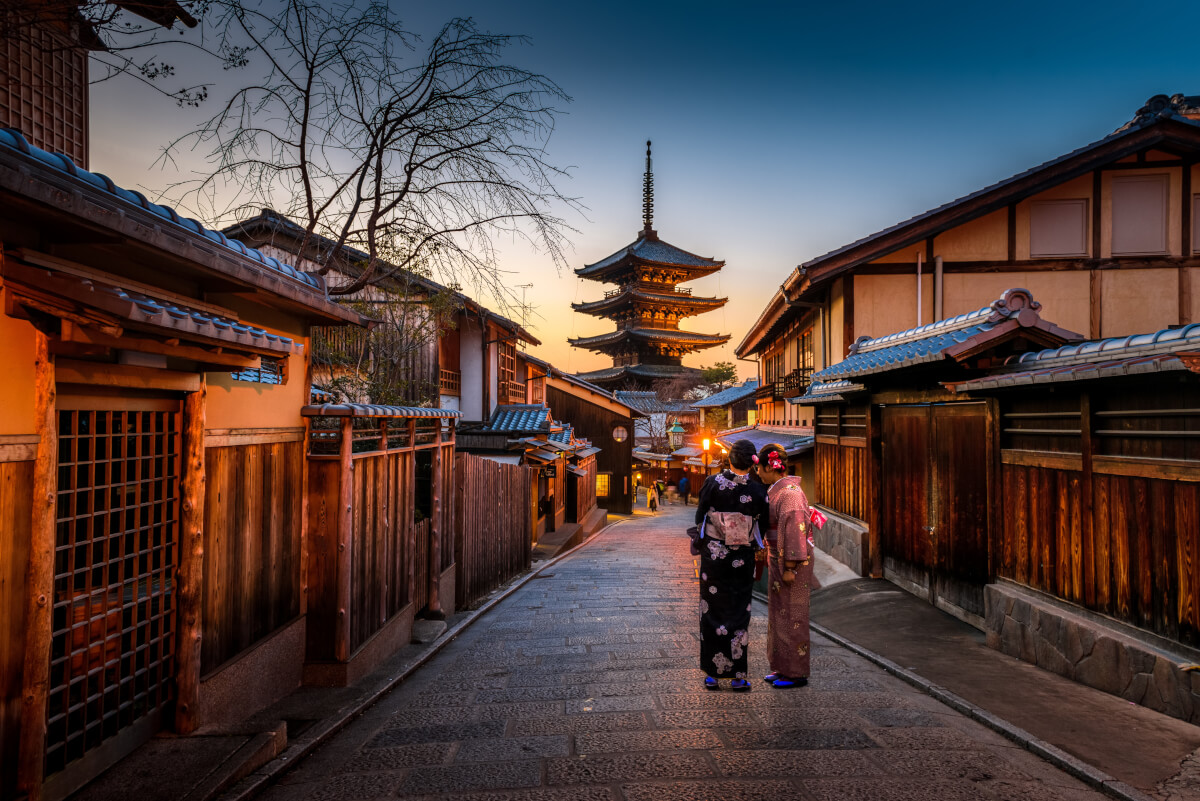
Opt for Kyoto when your ideal trip involves immersing yourself in ancient traditions, serene landscapes, and profound cultural experiences. Wander through iconic temples like Fushimi Inari, discover tranquil zen gardens, and seek out geisha in historic Gion. It's best for culture enthusiasts and those yearning for a deeper, more reflective connection with Japan's rich heritage.
Quick Comparison
| Category | Osaka | Kyoto | Winner |
|---|---|---|---|
| Food & Drink | The kitchen of Japan; street food heaven with Dotonbori as its epicentre. Casual, affordable, and incredibly diverse. | Refined, traditional, and often more expensive. Home to kaiseki, matcha sweets, and Nishiki Market's gourmet delights. | Osaka |
| Nightlife | Energetic, boisterous, and diverse. From neon-lit Dotonbori bars to hidden Ura-Namba izakayas and club districts. | Subdued, traditional, focused on small bars, sake, and sometimes geisha encounters in Gion. Quieter after midnight. | Osaka |
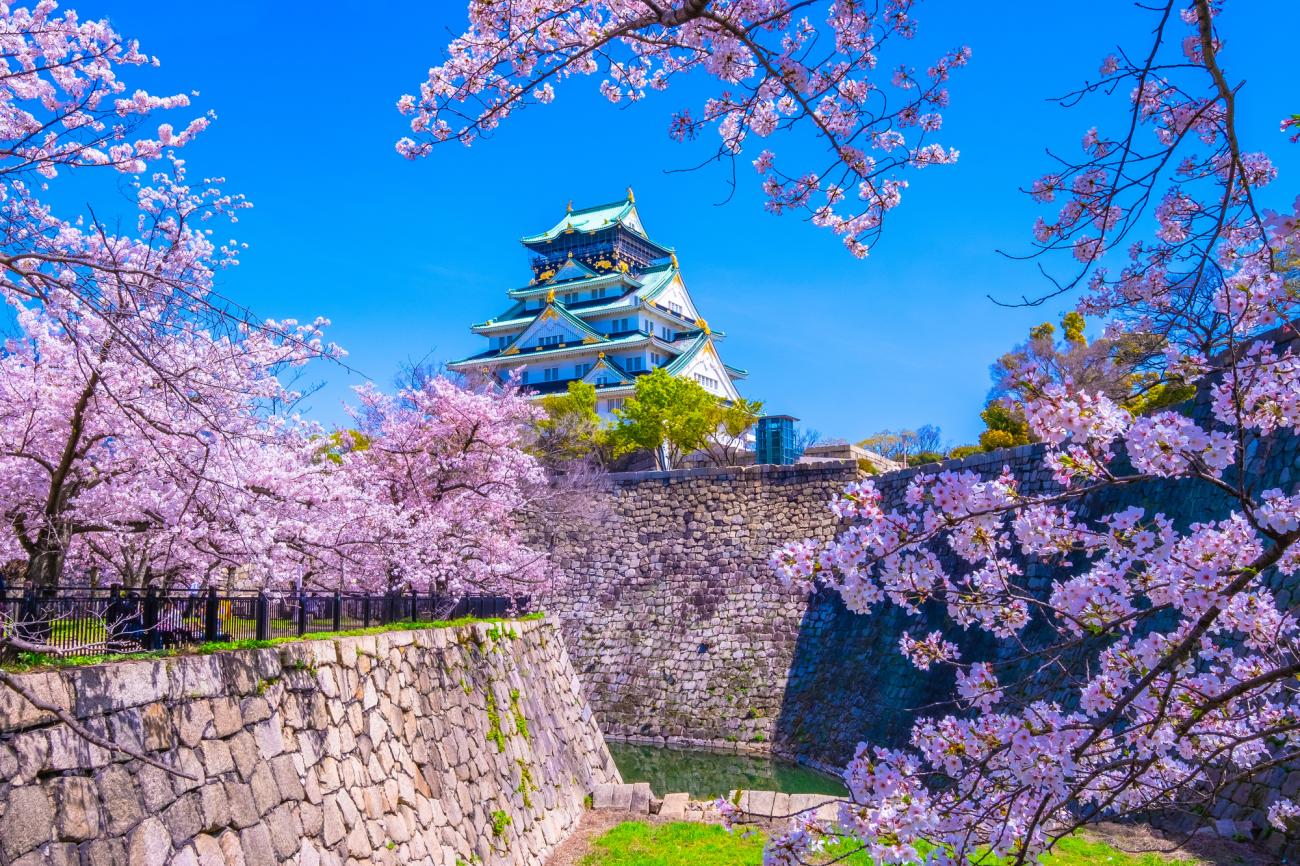
| Culture & History | Modern city with a rich merchant history. Osaka Castle is iconic, but the focus is more on contemporary life and entertainment. | Japan's ancient capital, a living museum. Thousands of temples, shrines, traditional gardens, and geisha districts. Unparalleled cultural depth. | Kyoto |
| Costs & Budget | Generally more affordable for food, entertainment, and accommodation. Great value for money. | Often pricier, especially for traditional experiences, high-end dining, and accommodation in central areas. | Osaka |
| Getting There & Around | Excellent international airport (KIX) hub. Dense, efficient local train and subway network. | No major international airport. Relies on KIX or bullet train. Good local bus and subway, but can get crowded. | Osaka |
| Accommodation | Wide range of modern hotels, business hotels, and neon-lit hostels. Generally more competitive pricing. | Traditional ryokans, boutique hotels, and guesthouses. Can be pricier, especially for unique experiences. | Osaka |
| Day Trips & Excursions | Great base for Nara, Kobe, Himeji Castle. Easy access to Kyoto as a day trip. | Perfect base for Nara, Uji, Arashiyama. Can easily day trip to Osaka. | Tie |
| Nature & Serenity | Urban parks like Osaka Castle Park. More about cityscapes than natural retreats. | Abundant zen gardens, bamboo groves, riversides, and mountains. Focus on tranquil beauty and spiritual calm. | Kyoto |
| Shopping | Modern fashion, quirky souvenirs, electronics, and discount shopping. Huge department stores and themed districts. | Traditional crafts, artisanal goods, luxury boutiques, and high-quality souvenirs. More focused on unique, cultural items. | Osaka |
| Vibe & Pace | Energetic, modern, friendly, and packed. A lively, down-to-earth atmosphere with a strong local Kansai personality. | Refined, tranquil, historical, and serene. A slower pace, focused on tradition and aesthetic beauty. | Osaka |
🍜 Food & Drink
Osaka truly earns its title as 'The Nation's Kitchen.' It’s a paradise for casual foodies, centered around packed districts like Dotonbori, where neon lights illuminate endless stalls of takoyaki (octopus balls), okonomiyaki (savory pancakes), and kushikatsu (deep-fried skewers). You can grab a substantial, delicious meal for ¥500-¥1,500 ($3.50-$10). The energy is infectious, with vendors shouting and the smell of deliciousness permeating the air. Kuromon Ichiba Market offers fresh seafood and local produce, perfect for grazing. Kyoto, while also boasting fantastic food, leans towards refinement and tradition. Here you'll find exquisite kaiseki (multi-course haute cuisine) meals often starting at ¥8,000-¥20,000 ($55-$135) per person, delicate yuba (tofu skin), and superb matcha-based desserts. Nishiki Market, Kyoto's 'Kitchen,' is more about artisanal goods, pickles, and smaller bites rather than the raw street food spectacle of Osaka. While Kyoto offers elegance, Osaka offers raw, unadulterated culinary joy that's accessible to everyone. "Osaka's food scene is just on another level. I ate my weight in takoyaki and kushikatsu every night and still wanted more!"
Winner takeaway
- Winner: Osaka
- Why: Osaka’s food is more diverse, accessible, and provides an unparalleled street food experience for budget-conscious travelers.
- Who this matters for: Foodies, budget travelers, and anyone who loves trying a variety of casual dishes.
🎉 Nightlife
Osaka's nightlife is a force of nature, offering something for every type of night owl. Dotonbori pulsates with energy well into the early morning, with countless bars, karaoke boxes, and izakayas. Shinsaibashi and Namba have a fantastic mix of trendy clubs like Club GHOST, dive bars, and themed establishments. For a more local feel, Ura-Namba (back Namba) is packed with tiny, atmospheric izakayas where you can mingle with locals over sake and small bites, often paying ¥2,000-¥4,000 ($13-$27) for a good night out. The city has a relaxed, unpretentious vibe that encourages spontaneous exploration. Kyoto’s nightlife is far more subdued and refined. The Gion district offers glimpses of geisha (often ¥50,000+ for a private viewing or ¥10,000+ for a show) and traditional teahouses, but many establishments cater to a quieter, more upscale clientele. There are charming small bars, particularly around Pontocho Alley, serving craft sake and cocktails, but they tend to close earlier, usually by midnight or 1 AM. While Kyoto offers a unique, cultural evening, it lacks the raw energy and diverse options of Osaka. "If you're looking to party, Osaka is it. Kyoto's nice for a quiet drink, but Osaka goes ALL night."
Winner takeaway
- Winner: Osaka
- Why: Osaka offers a far more dynamic, diverse, and accessible nightlife experience with options ranging from lively clubs to cozy, local izakayas.
- Who this matters for: Young travelers, party-goers, solo travelers looking to socialize, and anyone who loves a lively evening.
🏯 Culture & History
Kyoto is undeniably the cultural heart of Japan, boasting an astonishing 17 UNESCO World Heritage Sites. From the dramatic golden pavilion of Kinkaku-ji (¥500 entry, $3.50) to the vermillion torii gates of Fushimi Inari-taisha (free), and the serene rock garden of Ryoan-ji (¥600 entry, $4), every corner of Kyoto whispers centuries of history. Exploring the Gion district offers a chance to glimpse geisha and maiko, while traditional tea ceremonies (¥2,000-¥5,000, $13-$35) provide a deeper cultural immersion. The preserved wooden machiya houses, meticulous gardens, and traditional crafts make Kyoto feel like stepping back in time. Osaka, while having its own historical gems like Osaka Castle (¥600 entry, $4) and Sumiyoshi Taisha Grand Shrine, has largely rebuilt itself as a modern metropolis after wartime devastation. Its cultural identity is more about its merchant past, humor, and a down-to-earth Kansai spirit rather than ancient preservation. While you can find historical sites, they don't dominate the city's identity in the same way they do in Kyoto. Kyoto offers an immersive, profound cultural experience that few other cities can match. "Kyoto's just... magical. Every temple tells a story, and the quiet beauty is something you don't find anywhere else."
Winner takeaway
- Winner: Kyoto
- Why: Kyoto's unparalleled concentration of ancient temples, shrines, and traditional practices makes it the undisputed winner for cultural immersion.
- Who this matters for: History buffs, culture enthusiasts, photographers, and those seeking spiritual or serene experiences.
💰 Costs & Budget
Osaka tends to be more budget-friendly than Kyoto across the board, making it an excellent choice for travelers keeping an eye on their wallets. Accommodation in Osaka, particularly in areas like Namba or Umeda, can be found for ¥6,000-¥15,000 ($40-$100) per night for a decent business hotel or a stylish hostel bed. Food, as mentioned, is incredibly affordable with delicious street eats and casual restaurant meals rarely exceeding ¥1,500 ($10). Transportation within the city is efficient and reasonably priced (subway fares start around ¥180, $1.20). Kyoto, being a prime tourist destination, often commands higher prices. A comparable hotel room in central Kyoto might start at ¥8,000-¥20,000 ($55-$135). Traditional dining experiences or a formal tea ceremony can significantly add to your daily expenses. Even entry fees to temples and gardens, while modest individually (¥300-¥800, $2-$5), add up quickly. While both cities offer options for different budgets, Osaka generally provides better value for money, allowing you to stretch your yen further without sacrificing quality experiences. "My budget felt way more comfortable in Osaka. Could eat like a king for less than half of what a decent meal cost in Kyoto."
Winner takeaway
- Winner: Osaka
- Why: Osaka offers better value for money on food, accommodation, and general entertainment, making it more budget-friendly.
- Who this matters for: Budget travelers, long-term travelers, and those who want to experience Japan without overspending.
🚄 Getting There & Around
Osaka wins here primarily due to its international gateway, Kansai International Airport (KIX). KIX serves as a major hub for flights to and from Japan, making Osaka the most convenient entry point for the Kansai region. From KIX, you can reach central Osaka (Namba or Umeda) in about 45-60 minutes via the Nankai Rapid Express (¥1,500, $10) or JR Haruka train (¥2,000-¥3,000, $13-$20). Osaka's internal transportation is a dream: a comprehensive subway and JR train network makes getting around incredibly easy and efficient. The distance between Osaka and Kyoto is minimal, only about 30 minutes by JR Special Rapid train (¥580, $4) or shinkansen (¥1,420, $9.50) from Shin-Osaka. Kyoto does not have its own international airport, requiring travelers to fly into KIX or Itami (domestic) and then transfer. Kyoto's internal transportation relies heavily on its bus network, which can be scenic but also prone to heavy tourist crowds and slower travel times, especially around popular attractions. The subway network is less extensive than Osaka's. While both cities are well-connected, Osaka's direct international access and more robust inner-city transit give it the edge for overall ease of travel. "KIX is just so convenient. Landed, jumped on the Nankai, and was in Namba in under an hour. So smooth."
Winner takeaway
- Winner: Osaka
- Why: Osaka serves as the primary international gateway (KIX) to the Kansai region and boasts a more comprehensive and faster inner-city transit system.
- Who this matters for: First-time visitors to Japan, those prioritizing convenience, and anyone flying directly into the Kansai region.
🏨 Accommodation
Osaka offers a fantastic variety of accommodation options that generally provide better value for money. You'll find numerous modern business hotels like the Dormy Inn or Hotel Gracery, offering comfortable rooms with good amenities for ¥8,000-¥15,000 ($55-$100) per night. Hostels are plentiful and well-maintained, with beds often starting from ¥3,000 ($20) in lively areas like Namba or Umeda, ideal for solo travelers. Unique capsule hotels are also a staple, providing a budget-friendly and distinctly Japanese experience for around ¥4,000 ($27). The sheer volume of options means competitive pricing. Kyoto, on the other hand, specializes in traditional accommodation. Staying in a ryokan (traditional inn) with futons and tatami mats is a bucket-list experience, but it comes at a premium, often ¥15,000-¥50,000 ($100-$335) or more, sometimes including kaiseki dinner. While modern hotels and guesthouses exist, they can be pricier than their Osaka counterparts due to high demand and limited space, especially during cherry blossom or autumn foliage seasons. For budget travelers, Kyoto hostels are also available, but the overall range and value favor Osaka. "Found an amazing business hotel in Osaka near Namba for like $60. Felt super luxurious for the price. Kyoto was double that for less space."
Winner takeaway
- Winner: Osaka
- Why: Osaka provides a broader range of modern, comfortable, and competitively priced accommodation options suitable for all budgets.
- Who this matters for: Budget travelers, business travelers, and those seeking modern comforts and convenience.
🏞️ Day Trips & Excursions
Both Osaka and Kyoto serve as excellent bases for exploring the wider Kansai region, making this category a clear tie. From Osaka, you're perfectly positioned to visit Nara (home to Todai-ji Temple and its free-roaming deer, accessible in 45-60 mins by train for ¥810, $5.50), Kobe (famous for its beef and scenic harbor, 30 mins by train, ¥410, $2.70), and the impressive Himeji Castle (a UNESCO site, about 1 hour by shinkansen, ¥3,300, $22). You can, of course, also easily day trip into Kyoto itself. Kyoto offers equally compelling day trip options. Nara is just as accessible from Kyoto (45 mins by train, ¥720, $4.80). The charming tea-producing town of Uji, with its Byodo-in Temple, is a short 20-minute train ride (¥240, $1.60). Arashiyama, with its iconic bamboo grove and Tenryu-ji Temple, while technically within Kyoto, often feels like a separate excursion due to its location (30 mins by train, ¥240, $1.60). The convenience of the JR network means that whether you base yourself in Osaka or Kyoto, you can reach most major Kansai attractions with relative ease and similar travel times. The choice really comes down to your primary interest. "Honestly, you can't go wrong with either for day trips. From Osaka, I did Nara and Kobe. From Kyoto, I hit up Uji and Arashiyama. Both are super well-connected."
Winner takeaway
- Winner: Tie
- Why: Both cities offer equally convenient and extensive access to the best day trip destinations in the Kansai region.
- Who this matters for: Travelers planning to explore beyond the main cities and visit multiple sites in the region.
🌳 Nature & Serenity
Kyoto is the clear winner for those seeking nature and serenity amidst their urban exploration. The city is interwoven with beautiful gardens, such as the moss gardens of Saiho-ji (by appointment only, ¥3,000, $20) or the peaceful strolling gardens of Tenryu-ji (¥500, $3.50). The iconic Arashiyama Bamboo Grove offers a uniquely tranquil experience, especially early in the morning, where you can escape the city bustle. The Philosopher's Path, lined with cherry trees and temples, provides a gentle walk, and the Katsura Imperial Villa offers excellent landscape architecture (reservation required). Even within the city, temple grounds provide pockets of calm and greenery. Osaka, while having pleasant urban parks like Osaka Castle Park and Nakanoshima Park, is fundamentally a concrete jungle. Its natural beauty is mostly man-made or integrated into its cityscape, rather than extensive natural landscapes. While you can find quiet spots, they lack the pervasive sense of peace and natural integration found throughout Kyoto. For genuine tranquility and a connection to nature, Kyoto is unparalleled. "After the craziness of Tokyo, Kyoto was a breath of fresh air. Just walking through the gardens felt so calming. Osaka was... loud."
Winner takeaway
- Winner: Kyoto
- Why: Kyoto's numerous meticulously maintained gardens, bamboo groves, and temple grounds offer unparalleled opportunities for peace and natural beauty.
- Who this matters for: Nature lovers, those seeking relaxation, photographers, and anyone needing a break from urban intensity.
🛍️ Shopping
Osaka reigns supreme for diverse and exciting shopping experiences. The city boasts massive shopping districts like Umeda (Hankyu Umeda, Daimaru) for high-end fashion and department stores, and Shinsaibashi-Suji for a mix of trendy boutiques, chain stores, and quirky souvenir shops. Den Den Town in Nipponbashi is an otaku's paradise, similar to Tokyo's Akihabara, brimming with electronics, manga, anime figures, and retro games. You can find everything from luxury brands to discount goods, often with more competitive pricing than Kyoto. Namba Parks and Namba City offer stylish malls. Kyoto offers a more curated shopping experience, focusing on traditional Japanese crafts, artisanal products, and high-quality souvenirs. Nishiki Market is excellent for food-related items, pottery, and local delicacies. The Gion and Shijo Street areas feature luxury brands, kimono shops, and art galleries. While Kyoto excels in finding unique, handcrafted items like Kiyomizu-yaki pottery or exquisite matcha sets, Osaka offers a broader, more modern, and generally more exciting shopping adventure for the average traveler, catering to all tastes and budgets. "Osaka's shopping is next level. Spent way too much in Shinsaibashi and then found all my electronics in Den Den Town. Kyoto was more for pretty, expensive stuff."
Winner takeaway
- Winner: Osaka
- Why: Osaka offers a much wider variety of shopping options, from modern fashion and electronics to unique subculture goods, catering to all tastes and budgets.
- Who this matters for: Fashion enthusiasts, tech geeks, souvenir hunters, and those looking for a diverse retail experience.
🏙️ Vibe & Pace
Osaka's vibe is one of unbridled energy, warmth, and a wonderfully unpretentious spirit. It's a city that buzzes with life, from the constant movement of its train stations to the lively chatter in its izakayas. Osakans are known for their directness, humor, and friendly nature (often attributed to their merchant heritage), making it easier for travelers to strike up conversations. The pace is fast, exciting, and always moving, but in a way that feels invigorating rather than overwhelming. It’s a modern city that embraces its unique identity with pride. Kyoto offers a stark contrast. Its vibe is one of graceful tradition, serenity, and quiet contemplation. The pace is significantly slower, encouraging visitors to wander through temple grounds, sip tea in quiet gardens, and appreciate ancient aesthetics. While you'll find noisy areas, particularly around major temples, the overall atmosphere is one of reverence and calm. Interactions tend to be more formal and polite. For many travelers, Osaka's dynamic and welcoming atmosphere is more immediately engaging and less demanding than Kyoto's refined elegance. "Osaka felt like a real city, full of life and friendly people. Kyoto was beautiful, but a bit too quiet for my taste after a few days."
Winner takeaway
- Winner: Osaka
- Why: Osaka's energetic, friendly, and colorful atmosphere is more immediately engaging and offers a dynamic urban experience.
- Who this matters for: Extroverts, travelers seeking lively social scenes, and those who appreciate a chaotic, modern city feel.
🎯 The Decision Framework
Choose Osaka If…
- You crave street food like takoyaki and okonomiyaki at Dotonbori.
- You want to find affordable hotels and guesthouses more easily.
- You prefer lively evenings with bars and clubs open late.
- Your daily travel budget is closer to ¥8,000-¥15,000.
- You prioritize efficient public transport for easy city exploration.
- You enjoy department store and independent boutique shopping districts.
- You like a fast-paced, modern city atmosphere.
- You're looking for great value meals, from ramen to izakayas.
- You need a central hub for easy train access to other regions.
Choose Kyoto If…
- You want to explore multiple ancient temples and shrines daily.
- You seek quiet gardens and meditative spaces like Ryoan-ji.
- Your ideal trip involves tea ceremonies and geisha district walks.
- You appreciate traditional wooden machiya architecture.
- You're willing to budget ¥10,000-¥20,000 for a more refined experience.
- You prefer a slower, more contemplative pace of travel.
- You want to witness traditional artisan workshops.
- You dream of seeing cherry blossoms or autumn leaves in historic settings.
- You prioritize serene landscapes like Arashiyama Bamboo Grove.
❓ Frequently Asked Questions
How many days should I spend in Osaka vs Kyoto?
For Kyoto, aim for at least 3 full days to cover the main temples, shrines, and districts like Gion and Arashiyama without rushing. For Osaka, 2-3 full days is sufficient to explore its food scene, nightlife, and key attractions. Many travelers choose to split their time, perhaps 3 days in Kyoto and 2-3 days in Osaka, or use one as a base for day trips.
Is it easy to travel between Osaka and Kyoto?
Yes, incredibly easy! The two cities are just 30 minutes apart by JR Special Rapid train from Osaka Station to Kyoto Station (¥580, ~$4). You can also take the Shinkansen (bullet train) from Shin-Osaka to Kyoto for a quicker, though slightly pricier, 15-minute journey (¥1,420, ~$9.50). Local Hankyu and Keihan lines also connect them.
Which city is better for solo travelers?
Osaka generally edges out Kyoto for solo travelers. Its lively nightlife, abundance of street food stalls, and friendly locals make it easier to strike up conversations and feel engaged. Hostels are plentiful and often have social common areas. Kyoto is fantastic for solo contemplation, but might feel a bit quieter if you're looking to meet people.
What's the best time of year to visit both cities?
Spring (March-May) for cherry blossoms and Autumn (October-November) for packed fall foliage are the most popular and picturesque, though also the most crowded and expensive. Summer (June-August) is hot and humid, while Winter (December-February) is cold but offers fewer crowds and beautiful snowy scenes, especially in Kyoto.
Is a JR Pass worth it for travel between Osaka and Kyoto?
For just Osaka and Kyoto, a JR Pass is usually NOT worth it, as individual train tickets are quite affordable. A JR Pass only pays off if you're making longer journeys (e.g., from Tokyo to Kansai and back, or further afield). Consider an ICOCA card (rechargeable IC card) for easy local transit instead.
Which city is better for families with children?
Osaka typically offers more child-friendly attractions. Universal Studios Japan, Osaka Aquarium Kaiyukan, and Kidzania are huge draws. While Kyoto has beautiful temples, younger children might find them less engaging. Osaka's casual dining and busy atmosphere can also be more forgiving for families.
Are there good vegetarian/vegan options in either city?
Finding vegetarian/vegan options can be challenging outside of dedicated restaurants, but both cities are improving. Kyoto has a slight edge due to its large number of Buddhist temples, often leading to shojin ryori (Buddhist vegetarian cuisine) options. Osaka has more international restaurants that might cater to dietary needs, but always research ahead using apps like HappyCow.
Which city is 'more Japanese'?
This is subjective, but Kyoto often feels 'more traditionally Japanese' due to its preserved historical districts, abundance of temples, and focus on ancient customs. Osaka, while deeply Japanese in its own way, represents modern, packed Japan with a strong, distinct Kansai culture. Both offer authentic but very different facets of Japan.
💰 Daily Cost Breakdown
| Expense | Osaka | Kyoto |
|---|---|---|
| Hostel dorm | ¥3500-6000 | ¥3800-7000 |
| Budget hotel | ¥9000-18000 | ¥10000-20000 |
| Street food meal | ¥600-1500 | ¥700-1800 |
| Restaurant meal | ¥1500-4000 | ¥1800-4500 |
| Beer/drink | ¥400-800 | ¥450-900 |
| Local transport (day) | ¥800-1500 | ¥900-1600 |
| Daily budget total | ¥8000-20000 | ¥9000-22000 |
Approximate daily costs for 2026. Actual prices vary by season and travel style.
🌤️ Monthly Weather Comparison
| Month | Osaka Temp | Osaka Rain | Kyoto Temp | Kyoto Rain |
|---|---|---|---|---|
| Jan | 9°C/48°F | 50mm | 9°C/48°F | 50mm |
| Feb | 9°C/49°F | 60mm | 9°C/49°F | 60mm |
| Mar | 13°C/55°F | 100mm | 13°C/55°F | 100mm |
| Apr | 19°C/66°F | 105mm | 19°C/66°F | 105mm |
| May | 24°C/75°F | 140mm | 24°C/75°F | 140mm |
| Jun | 27°C/80°F | 190mm | 27°C/80°F | 190mm |
| Jul | 31°C/88°F | 160mm | 31°C/88°F | 160mm |
| Aug | 33°C/91°F | 105mm | 33°C/91°F | 105mm |
| Sep | 29°C/84°F | 160mm | 29°C/84°F | 160mm |
| Oct | 23°C/73°F | 100mm | 23°C/73°F | 100mm |
| Nov | 17°C/62°F | 70mm | 17°C/62°F | 70mm |
| Dec | 12°C/53°F | 50mm | 12°C/53°F | 50mm |
Average monthly high temperatures and rainfall based on historical climate data.
📅 Sample Itineraries
Weekend in Osaka (3 Days)
💡 Three days gives you a great taste of Osaka.
Weekend in Kyoto (3 Days)
💡 Three days gives you a great taste of Kyoto. Check out our Kyoto Bamboo Grove Walks guide.
Week in Osaka (7 Days)
💡 A full week gives you a great taste of Osaka.
Week in Kyoto (7 Days)
💡 A full week gives you a great taste of Kyoto. Check out our Kyoto Bamboo Grove Walks guide.
Ready to plan your Kansai trip?
Get a free custom itinerary for Osaka, Kyoto, or both — built from real traveler insights.
🎟️ Book Tours & Experiences
Hand-picked tours and activities for both destinations — book with free cancellation
Experiences via Viator — free cancellation on most tours