How we built this comparison
This page combines traveler discussion patterns from Reddit (r/JapanTravel, r/JapanTravelTips), published museum admission prices from Benesse Art Site, real ferry schedules, and accommodation data to make the Naoshima vs Teshima decision easier to resolve.
- Reviewed recurring decision patterns in r/JapanTravel and r/JapanTravelTips threads comparing the two islands.
- Checked numeric claims including museum admission, ferry costs, and accommodation ranges against published sources.
- Each section ends with a clear winner, reason, and practical traveler note.
Best read as a decision guide, not a universal truth: both islands are remarkable — the question is how much time you have.

⚡ The TL;DR Verdict
Naoshima is better if you want the iconic Japan art island experience with multiple museums, the yellow pumpkin, and overnight ryokan culture. Teshima is better if you want a quieter, more lush island with one transcendent museum and fewer crowds. Budget: Naoshima ¥8,000–15,000 ($55–100)/day; Teshima ¥5,000–8,000 ($33–55) as a half-day add-on.
- Choose Naoshima: Art pilgrims, overnight ryokan seekers, architecture lovers wanting Tadao Ando's Chichu Museum.
- Choose Teshima: Travelers who want a quieter, nature-forward island with the Teshima Art Museum as the sole focus.
- Budget snapshot: Naoshima day trip: ¥10,000–15,000 ($67–100) from Okayama all-in; Teshima add-on: +¥3,000–5,000 ($20–33) on top.
Choose Naoshima
Art pilgrims, overnight ryokan seekers, Tadao Ando architecture fans, and anyone wanting the full Benesse island experience.
Choose Teshima
Travelers wanting a quieter, greener island with fewer tourists and one of the most spiritually remarkable museums in Japan.
Quick Comparison
| Category | 🎨 Naoshima | 🌿 Teshima | Winner |
|---|---|---|---|
| Island Size | 7.8 km² — larger, more to cover | 14.5 km² — bigger but less dense | Tie |
| Art Museums | Chichu, Lee Ufan, Benesse House, ANDO Museum + more | Teshima Art Museum, Teshima Yokoo House, Les Archives du Coeur | Naoshima |
| Top Museum Admission | Chichu: ¥2,100 ($14) | Teshima Art Museum: ¥1,570 ($10) | Teshima |
| Crowds | More popular, busier especially weekends | Quieter, fewer tour groups | Teshima |
| Nature & Scenery | Coastal, industrial history, art-integrated | Rice terraces, orchards, lush hills, ocean views | Teshima |
| Overnight Options | Benesse House (luxury), guesthouses, hotels | Very limited — mostly day visit only | Naoshima |
| Getting Around | Town loop bus, bicycles, walking | Bicycle or e-bike only (buses very infrequent) | Naoshima |
| Ferry Access | From Uno (~20 min), Takamatsu (~60 min) | From Naoshima (22 min), Uno (45 min), Takamatsu (35 min) | Naoshima |
| Food & Cafes | Multiple restaurants, cafes in Honmura village | Very limited — handful of cafes near museums | Naoshima |
| Best For | Art lovers with 1 full day, overnight stays | Add-on half-day, e-bike cycling, one perfect museum | — |
🎨 Art Museums

Naoshima is the undisputed art island of the Setouchi region — and arguably of all Japan. The Benesse Art Site encompasses multiple among the best venues: Chichu Art Museum (Tadao Ando's concrete masterpiece buried into a hillside, housing Monet, Turrell, and De Maria), Lee Ufan Museum (a meditative dialogue between architecture and minimalist art), Benesse House Museum (where you stay inside the art), the Art House Project in Honmura village (artworks embedded in actual historic houses), and more. There's enough here to fill two full days for serious art travelers.
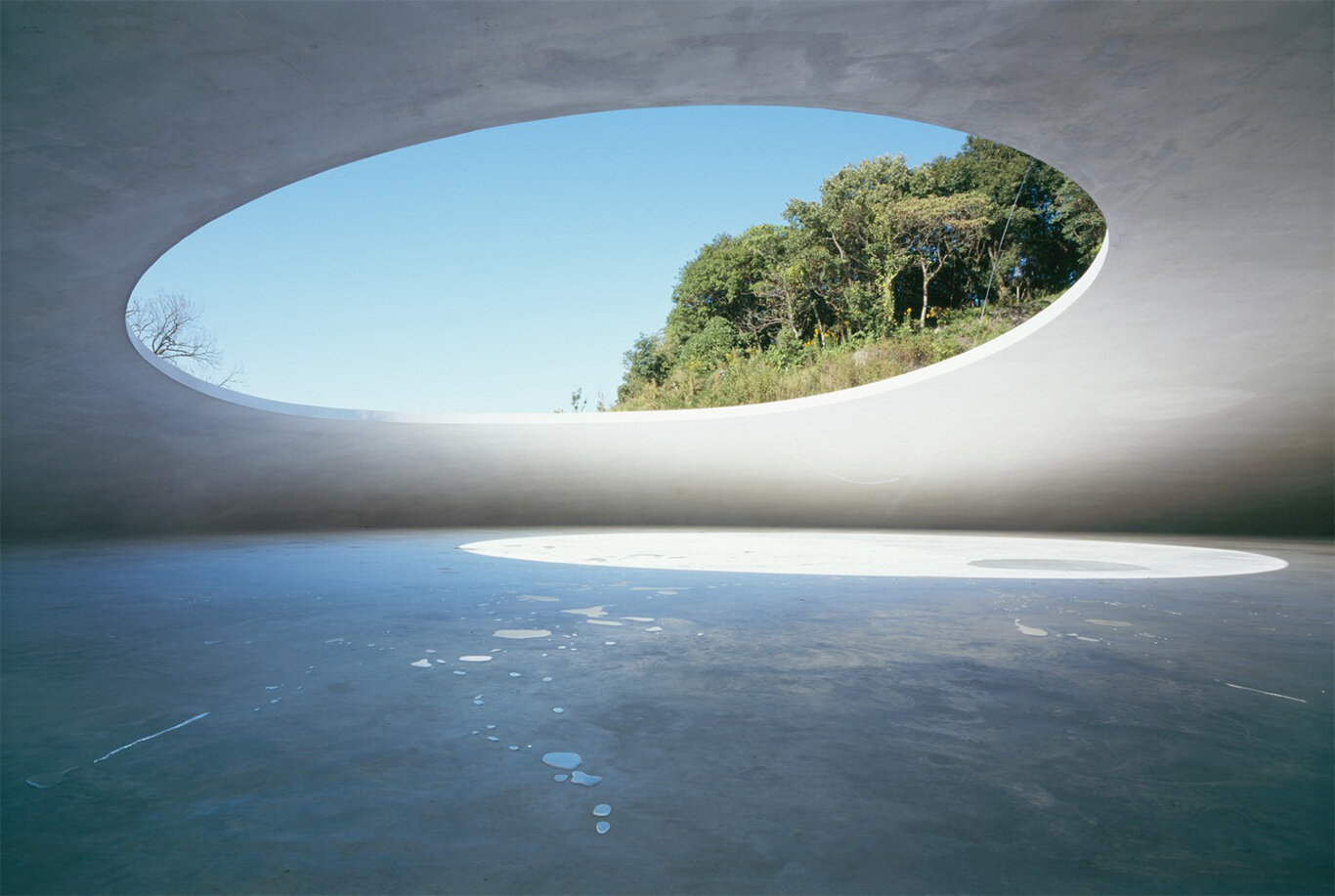
Teshima counters with fewer but arguably more powerful individual experiences. The Teshima Art Museum is a concrete egg with two holes in the ceiling, designed by Ryue Nishizawa, containing nothing but water droplets that mysteriously emerge from the floor and merge. It's unlike anything else in Japan. Les Archives du Coeur lets you listen to heartbeats from around the world in a quiet wooden house. Teshima Yokoo House houses bold, hallucinatory work by Tadanori Yokoo. Quality over quantity.
Key logistics: Chichu Art Museum requires advance reservations (¥2,100 adults). Teshima Art Museum also requires reservations (¥1,570 adults). Book both via the Benesse Art Site website. Chichu is closed Mondays; Teshima Art Museum closes Tuesdays. Plan your visit day around these closures.
🏝️ Island Atmosphere
Naoshima has a split personality: the south end (Benesse area) is polished art-world infrastructure — shuttle buses, design hotels, museum shops. The north end around Miyanoura port is more lived-in industrial town. Honmura village in the middle is a charming traditional hamlet where the Art House Project has converted abandoned buildings into permanent art installations — wander its narrow lanes and you'll stumble on extraordinary works in houses, bathhouses, and shrines. The famous yellow pumpkin by Yayoi Kusama sits on a jetty at the island's southern tip (replaced after being washed away by a typhoon in 2021, now restored).
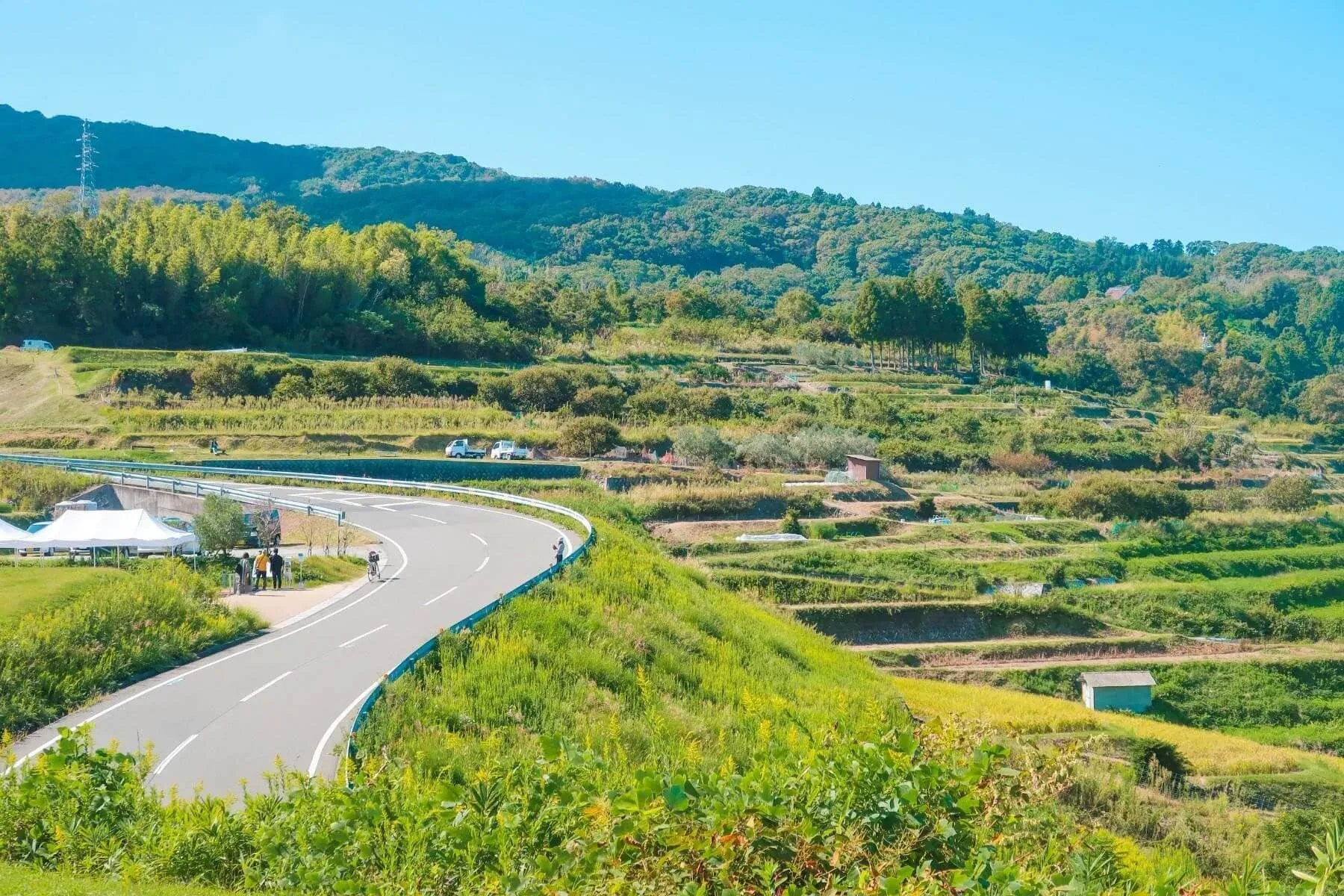
Teshima feels more genuinely rural. The island supported a thriving farming community before illegal industrial waste dumping devastated it in the 1980s — the cleanup and transformation into an art island is a story of environmental redemption. Today: terraced rice paddies, orange orchards, ocean views, the scent of wildflowers. Far fewer tourists than Naoshima, quieter ferry arrivals, and a genuine sense of stumbling onto a Japanese island that hasn't been fully discovered.
✈️ Getting There
Both islands require ferry connections from mainland ports. The main gateway to both is Uno Port near Okayama, or Takamatsu Port in Kagawa Prefecture. The islands are in the Seto Inland Sea about midway between these two cities.
To Naoshima from Okayama: JR Uno Line from Okayama Station to Uno (~50 min, ¥580/$4), then Uno-Naoshima Ferry to Miyanoura Port (20 min, ¥1,220/$8). Total: ~70 min from Okayama, ¥1,800/$12 one way.
To Naoshima from Takamatsu: Direct ferry (60 min, ¥1,220/$8) or high-speed ferry (30 min, ¥2,000/$13). Ferries depart from Takamatsu Sogo Bus Terminal pier.
To Teshima from Naoshima: Island ferry from Miyanoura to Teshima Ieura Port (22 min, ¥770/$5), running ~5–8 times per day. Check schedules carefully — Teshima ferries are infrequent and missing one can strand you. From Takamatsu direct: 35 min high-speed ferry.
From Osaka/Kyoto: Shinkansen to Okayama (35–60 min from Shin-Osaka), then the Uno Line route. Total trip from Osaka: ~2.5 hours and ¥7,000–9,000 round trip for transport alone.
🚲 Getting Around
On Naoshima: the island operates a town loop bus (¥100/ride) that connects Miyanoura port, Honmura village, and the Benesse Museum area. Bicycles rent from ¥500/half-day near the port. The Benesse hotel also operates shuttle vans between its properties (exclusive to guests). E-bikes are available from ¥1,500/day and recommended — the Benesse museum area is uphill. Walking between Honmura and Miyanoura takes about 25 minutes; most visitors combine bus and cycling.
On Teshima: forget the bus. Services are sporadic and don't connect the key sites efficiently. Rent a bicycle (¥500/half-day, ¥800/day) or e-bike (¥1,500/day) near Ieura Port as soon as you arrive. The island loop is about 20 km of rolling hills — e-bike strongly recommended. Teshima Art Museum, Les Archives du Coeur, and Teshima Yokoo House are all within cycling distance. Budget 4–5 hours for a thorough half-day on the island.
💰 Cost Comparison
Here's a realistic daily budget breakdown based on 2025/2026 published prices:
| Expense | 🎨 Naoshima | 🌿 Teshima |
|---|---|---|
| Ferry from Uno (one way) | ¥1,220 ($8) | ¥1,540 ($10) via Uno + Naoshima |
| Chichu Art Museum | ¥2,100 ($14) | n/a |
| Teshima Art Museum | n/a | ¥1,570 ($10) |
| Lee Ufan Museum | ¥1,050 ($7) | n/a |
| Bicycle rental | ¥500–800/half-day | ¥800–1,500/day (e-bike recommended) |
| Guesthouse/hostel | ¥5,000–9,000/night | Very limited (mostly day visitors) |
| Mid-range accommodation | ¥12,000–25,000/night | ¥8,000–15,000 (scarce) |
| Benesse House (luxury) | ¥30,000–80,000/person/night | n/a |
| Lunch | ¥800–2,000 | ¥800–1,500 |
🏨 Where to Stay
Naoshima overnight options:
- Benesse House — the flagship art hotel, where you sleep surrounded by permanent art installations and get exclusive early/late museum access. Four buildings: Museum, Oval, Park, Beach. Prices: ¥30,000–80,000+/person per night including breakfast. Totally worth it for serious art lovers.
- Ryokan Uraashiya — popular mid-range ryokan in Honmura, ¥12,000–20,000/person with meals
- Guesthouses & minshuku — ¥5,000–9,000/person, several around Miyanoura port
- Naoshima International Villa — government-run facility for foreigners, ¥7,000–10,000/night
Teshima overnight options: Very limited and often fully booked well in advance. A few minshuku (family-run guesthouses) exist around Ieura Port at ¥6,000–10,000/person. Most visitors treat Teshima as a half-day side trip from Naoshima.
🍜 Food & Dining
Neither island is a food destination in the traditional sense — you're coming for art, not cuisine. But Naoshima has meaningfully more options.
Naoshima: Honmura village has several cafes and restaurants serving local Seto Inland Sea seafood, noodles, and set lunches. Miyanoura port area has a handful of spots for quick meals. The Benesse House restaurant is expensive (¥3,000–8,000 meals) but excellent. Art House Project visitors often grab lunch at Naka-Oku or local set-lunch restaurants. Budget ¥800–2,000 for lunch.
Teshima: A small cafe near Ieura Port, a cafe attached to Les Archives du Coeur, and a restaurant near Teshima Art Museum are your main options. Bring snacks if you're planning a long island loop. The island produces fresh vegetables and has local fishermen — but don't count on spontaneous restaurant discovery.
🌸 Best Time to Visit
Spring (March–May) and autumn (October–November) are the ideal windows — mild temperatures (15–25°C/59–77°F), low rain, and perfect conditions for outdoor sculpture viewing. The Setouchi Triennale art festival transforms both islands (and others nearby) into massive open-air art exhibitions every three years in odd-numbered years, drawing crowds but also commissioning spectacular temporary works. Check Setouchi Triennale dates before booking.
Summer (June–September) is hot and humid (30°C+/86°F+), with frequent typhoon risk in August–September. The islands are more crowded but ferries are more frequent. Early mornings beat the heat and the crowds.
Winter (December–February) sees some museum closures (check schedules), fewer visitors, and crisp clear days that can be beautiful. The Benesse museums generally stay open year-round.
Museum closure days: Chichu Art Museum: closed Mondays. Lee Ufan Museum: closed Mondays. Teshima Art Museum: closed Tuesdays. Benesse House Museum: open daily. Plan your Teshima day for Monday–Saturday; plan Naoshima museums for Tuesday–Sunday.
🔀 Why Not Both?
Unlike many destination comparisons, the Naoshima vs Teshima question has a clean answer: do both. They're 22 minutes apart by ferry. The combined visit takes 1.5–2 days. The experiences are complementary, not redundant.
A well-tested Reddit-approved itinerary:
- Day 1 (Naoshima): Arrive morning. Chichu Art Museum reservation (10:30am). Lunch in Honmura. Art House Project walkthrough. Benesse House Museum late afternoon. Overnight in Naoshima guesthouse.
- Day 2 (Teshima half-day, then depart): 9:20am ferry from Miyanoura to Teshima Ieura Port. Rent e-bikes. Teshima Art Museum reservation (10:30am). Lunch near museum. 1:35pm ferry back to Miyanoura. Afternoon ferry to Okayama or Takamatsu and continue your Japan trip.
Related comparisons: Miyajima vs Naoshima if you're choosing between two Japanese day trip icons. Takayama vs Kanazawa for another art-meets-tradition Japan comparison.
🎯 The Decision Framework
Choose Naoshima If…
- You want the iconic Japan art island experience.
- You want to visit multiple distinct art museums.
- You want to see the famous yellow pumpkin.
- You seek traditional overnight ryokan culture.
- You prefer a more established art tourism destination.
- You desire a wider variety of art installations.
- You want more diverse dining options.
- You appreciate a broader range of accommodation choices.
Choose Teshima If…
- You prefer a quieter island environment.
- You seek a more lush, green island setting.
- You want to experience one transcendent museum.
- You prefer significantly fewer crowds.
- You desire a more serene, reflective atmosphere.
- You appreciate art integrated closely with nature.
- You want a more intimate, personal art viewing experience.
- You prefer a slower, more tranquil travel pace.
❓ Frequently Asked Questions
Should I visit Naoshima or Teshima?
Naoshima if you want the bigger art island experience with multiple museums and the iconic yellow pumpkin. Teshima if you want a quieter, more intimate island with one extraordinary museum. Best answer: do both — they're only 22 minutes apart by ferry. Most travelers spend a full day on Naoshima, then half a day on Teshima before heading back to the mainland.
How do I get to Naoshima and Teshima?
From Okayama: JR Uno Line to Uno Station (~50 min, ¥580/$4), then ferry to Naoshima Miyanoura Port (20 min, ¥1,220/$8). From Takamatsu: direct ferry (~60 min, ¥1,220/$8) or high-speed ferry (30 min, ¥2,000/$13). Between islands: 22-minute ferry from Miyanoura to Teshima Ieura Port (¥770/$5). Check Benesse Art Site for current ferry schedules — they change seasonally.
Do I need to book Chichu Art Museum and Teshima Art Museum in advance?
Yes — both require timed reservations, especially on weekends and during the Setouchi Triennale. Chichu Art Museum (¥2,100/$14) and Teshima Art Museum (¥1,570/$10) both have limited slots. Book via the Benesse Art Site website 1–2 weeks in advance for peak season. Walk-ins are sometimes available on quiet weekdays but never guaranteed.
Can I visit both Naoshima and Teshima in one day?
Yes but it's tight. Common approach: take the 9:20am ferry from Miyanoura to Teshima, do Teshima Art Museum, catch the 1:35pm ferry back to Naoshima, then visit Chichu or Benesse House in the afternoon. Pre-book both museum slots and check ferry times carefully. Better: overnight in Naoshima and give each island its proper time.
What is the Teshima Art Museum like?
A concrete shell with two oval openings to the sky, designed by architect Ryue Nishizawa and artist Rei Naito. No collections — just water droplets that spring from the floor and merge in slow, unpredictable patterns as light changes through the ceiling openings. Reddit travelers consistently call it one of the most remarkable art experiences in Japan. Sessions are 45 minutes; admission ¥1,570.
Is Naoshima worth the cost?
Yes, strongly. Ferry + museums run ¥6,000–10,000 ($40–67) for a day trip including Chichu, Lee Ufan, and Benesse House Museum. Budget ¥12,000–15,000 ($80–100) total for a comfortable day trip from Okayama including all transport. The Benesse House overnight (¥30,000–80,000+/person) is expensive but genuinely life-changing for art lovers.
When is the best time to visit?
Spring (March–May) and autumn (October–November) for mild weather and outdoor art conditions. The Setouchi Triennale art festival in odd-numbered years adds incredible temporary works but also major crowds. Avoid Golden Week (late April–early May) — ferries fill up and museums hit capacity. Museum closure days: Chichu and Lee Ufan closed Mondays; Teshima Art Museum closed Tuesdays.
How does Naoshima compare to Miyajima?
Very different experiences. Miyajima (near Hiroshima) is famous for the floating torii gate and deer, with a strong shrine/nature character. Naoshima is pure contemporary art in a coastal island setting. Both are excellent Japan day trips, but they don't compete — they're distinct. See our Miyajima vs Naoshima comparison for a full breakdown.
🎟️ Book Tours & Experiences
Hand-picked tours for Naoshima and Teshima — book with free cancellation
Experiences via Viator — free cancellation on most tours
🎟️ Book Tours & Experiences
Hand-picked tours and activities for both destinations — book with free cancellation
Experiences via Viator — free cancellation on most tours