How we built this comparison
This page combines traveler discussion patterns, published price ranges, flight schedules, and seasonal data to help you decide between Mexico and Spain.
- Reviewed 70+ Reddit threads from r/travel, r/solotravel, r/MexicoTravel, r/SpainTravel, and r/digitalnomad.
- Verified costs and logistics against current booking platforms like Google Flights, Booking.com, and ADO/Renfe sites.
- Cross-referenced seasonal patterns and weather data from meteorological sources.
⚡ Quick Answers
⚡ The TL;DR Verdict
For most travelers seeking substantial adventure, amazing food, and serious budget stretch, Mexico is the clear choice. Spain offers a more comfortable, predictable European experience with exceptional food and art, but at a higher price. If your funds are tight and you crave discovery, head to Mexico. If you want seamless travel and historical depth, Spain delivers.
- Choose Mexico: You prioritize budget-friendly exploration, a truly distinct food culture, and direct interaction with pre-Columbian history and a lively contemporary scene.
- Choose Spain: You prefer well-developed infrastructure, a classic European travel experience, significant art collections, and a late-night dining and social rhythm.
- Choose Both: Allocate at least two weeks for each to appreciate their distinct offerings. Mexico for its raw energy and history, Spain for its cultural depth and convenience.
Choose Mexico
Choose Mexico if you're a budget-conscious adventurer craving vibrant culture, incredible value, and unique flavors. Explore ancient Mayan ruins, dive into Yucatán cenotes, or savor authentic street tacos in bustling Mexico City markets. It's best for travelers seeking raw energy, a distinct immersive experience, and a lively contemporary scene without breaking the bank.
Choose Spain
Opt for Spain if you desire a seamless European experience brimming with art, history, and culinary excellence. Wander through Gaudi's masterpieces in Barcelona, indulge in tapas in Seville, or immerse yourself in the Prado Museum's collections. It's perfect for travelers prioritizing comfort, sophisticated late-night social rhythms, and historical depth with well-developed infrastructure.
📊 Visual Scorecard
🌤 When to Visit
Average high temperatures (°C). Green = best months, orange = avoid.
Quick Comparison
| Category | Mexico | Spain | Winner |
|---|---|---|---|
| Costs & Budget | Highly affordable for food, transport, and basic accommodation; serious bang for your buck. | Mid-range European costs; good value compared to Northern Europe, but still pricier than Mexico. | Mexico |
| Food & Drink | Internationally renowned cuisine, street food dominance, regional specialties, fresh ingredients. | Mediterranean diet, tapas culture, diverse regional dishes, emphasis on quality ingredients. | Mexico |
| Culture & History | Ancient Mesoamerican civilizations, colonial architecture, vibrant indigenous traditions, Dia de Muertos. | Roman, Moorish, and Christian influences; diverse regional cultures; world-class art museums. | Spain |
| Beaches & Coastlines | Caribbean white sands, Pacific surf, laid-back fishing villages, resort zones. | Mediterranean rocky coves, Atlantic surf, diverse island options, strong coastal infrastructure. | Mexico |
| Safety & Travel Security | Reputation issues, but generally safe in tourist zones; petty crime is a concern, cartel activity in specific areas. | Very safe overall; low crime rates, common sense precautions apply, pickpocketing in crowded areas. | Spain |
| Nightlife & Entertainment | Diverse options from high-energy clubs to traditional cantinas; late-night street food culture. | Vibrant late-night culture, world-famous clubs in Ibiza, tapas bars and flamenco shows. | Spain |
| Getting Around | Affordable long-distance buses (ADO), colectivos, Uber in cities; sometimes chaotic local transport. | Extensive high-speed rail (AVE), efficient metro systems, regional buses; generally smooth and reliable. | Spain |
| Nature & Outdoors | Diverse landscapes from deserts to jungles, cenotes, volcanoes, extensive biodiversity, whale watching. | Mountain ranges (Pyrenees, Picos de Europa), diverse national parks, coastline hikes, volcanic islands. | Mexico |
| Accommodation | Wide range from budget hostels to boutique hotels and luxury resorts; good value. | Hostels, boutique hotels, paradores (historic hotels); generally higher quality and price point. | Mexico |
| Getting There (Flights) | Many direct flights from North America, shorter flight times, generally more affordable. | Longer international flights from North America, good connections from Europe, generally pricier. | Mexico |
💰 Costs & Budget
Mexico is a budget traveler's paradise. A hostel bed in Mexico City or Oaxaca typically runs $15-25 USD (250-420 MXN). Street food, like al pastor tacos, are 20-40 MXN ($1.20-2.40…
Mexico
Spain
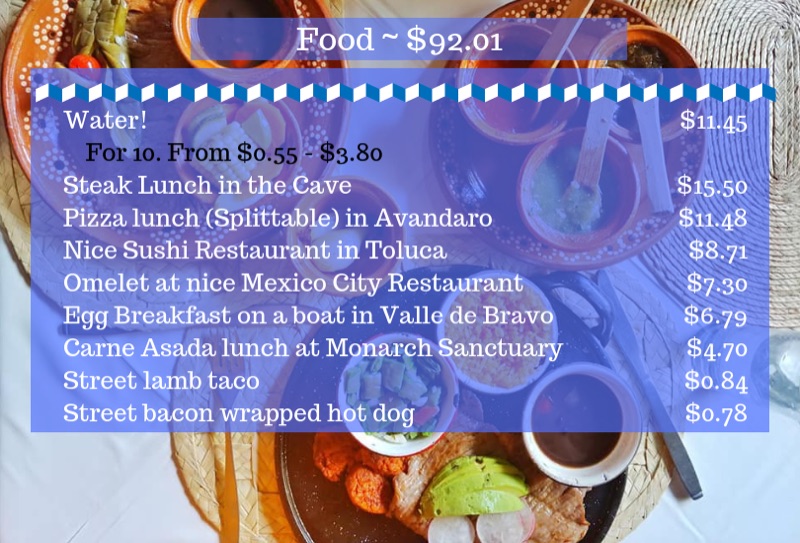
Mexico is a budget traveler's paradise. A hostel bed in Mexico City or Oaxaca typically runs $15-25 USD (250-420 MXN). Street food, like al pastor tacos, are 20-40 MXN ($1.20-2.40 USD), and a substantial meal at a local eatery often costs 100-250 MXN ($6-15 USD). Long-distance ADO bus tickets, like from Mexico City to Oaxaca, can be found for 500-800 MXN ($30-48 USD). Daily expenses for a mid-range traveler might hover around $50-100 USD (840-1680 MXN), easily lower if you stick to local spots and markets. This includes decent meals, local transport, and some activities.
Spain sits in the middle of the European cost spectrum. A hostel bed in Madrid or Barcelona is usually 25-45 EUR ($27-49 USD). A menú del día (lunch special) is 10-15 EUR ($11-16 USD), and tapas often cost 2-5 EUR ($2.20-5.50 USD) per plate. Train tickets, like a high-speed AVE from Madrid to Seville, can be 40-80 EUR ($44-88 USD) if booked in advance. A mid-range daily budget for Spain is typically 70-150 EUR ($76-163 USD), accounting for better accommodation, a mix of local and tourist dining, and entrance fees. While not expensive by Western European standards, it demands a larger budget than Mexico.
Tabiji verdict: Mexico wins handily here for anyone mindful of their wallet.
- Winner: Mexico
- Why: Mexico offers significantly lower prices across almost all categories, allowing for extended travel or more experiences.
- Who this matters for: Budget travelers, long-term backpackers, and anyone wanting to maximize their travel duration.
🌮 Food & Drink
Mexican cuisine offers incredible depth and variety. From the complex mole sauces of Oaxaca to the fresh seafood of the Yucatán, every region presents distinct flavors. Street…
Mexico
Spain
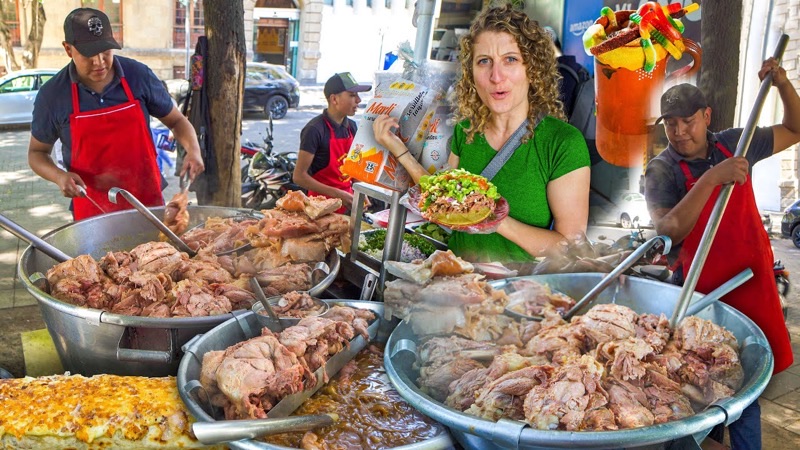
Mexican cuisine offers incredible depth and variety. From the complex mole sauces of Oaxaca to the fresh seafood of the Yucatán, every region presents distinct flavors. Street food is a cornerstone, with tacos al pastor at stands like El Califa in Mexico City, esquites from street vendors, and tlayudas in Oaxaca available for just 20-60 MXN ($1.20-3.60 USD). Formal dining can be exceptional too, with restaurants like Pujol (Mexico City) pushing culinary boundaries. Mezcal and tequila are national drinks, often enjoyed in lively cantinas. Eating out is a daily ritual and an adventure, with new flavors around every corner.
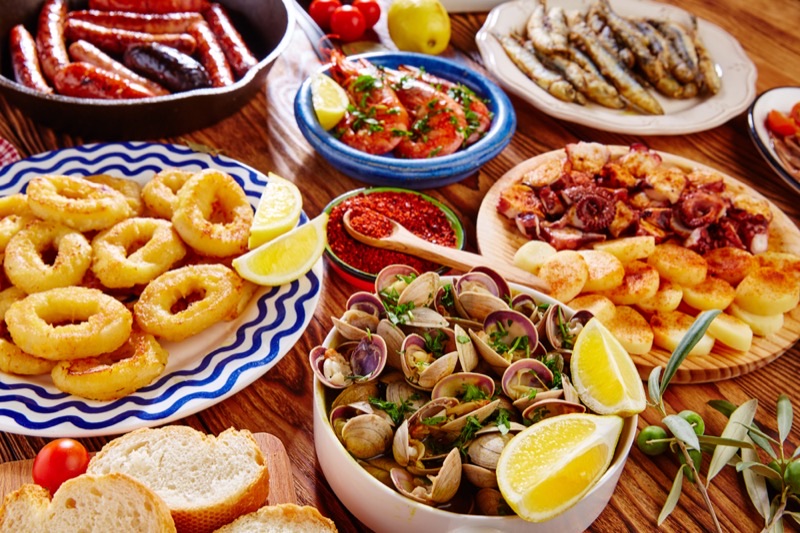
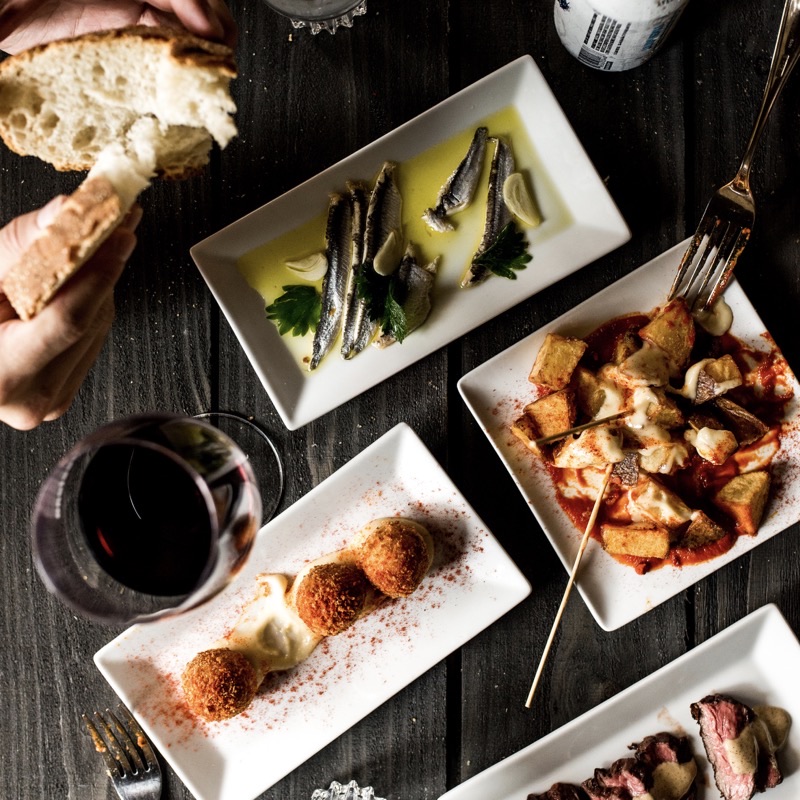
Spain boasts a diet known for fresh ingredients and social eating. Tapas culture, where small plates like patatas bravas, jamón ibérico, and gambas al ajillo are shared, is central to the dining experience. A good tapas spread and a drink can cost 15-30 EUR ($16-33 USD) in a bar like El Tigre in Madrid. Paella, gazpacho, and churros with chocolate are popular choices. Spanish wines are excellent and affordable. While the food is consistently good and high quality, the sheer diversity and affordability of unique dishes you find daily on the street or in small fondas in Mexico gives it an edge for pure culinary exploration.
Tabiji verdict: Mexico wins for its sheer originality, accessibility, and explosion of flavors at every price point.
- Winner: Mexico
- Why: Mexican food provides more distinct and impactful flavor experiences, with greater variety and affordability for daily dining.
- Who this matters for: Foodies seeking bold, authentic flavors, street food enthusiasts, and those wanting a distinct culinary journey.
🗿 Culture & History
Mexico's history is incredibly deep, with roots in powerful Mesoamerican civilizations like the Maya, Aztec, and Zapotec. Sites like Teotihuacan, Chichen Itza, and Palenque are…
Mexico
Spain
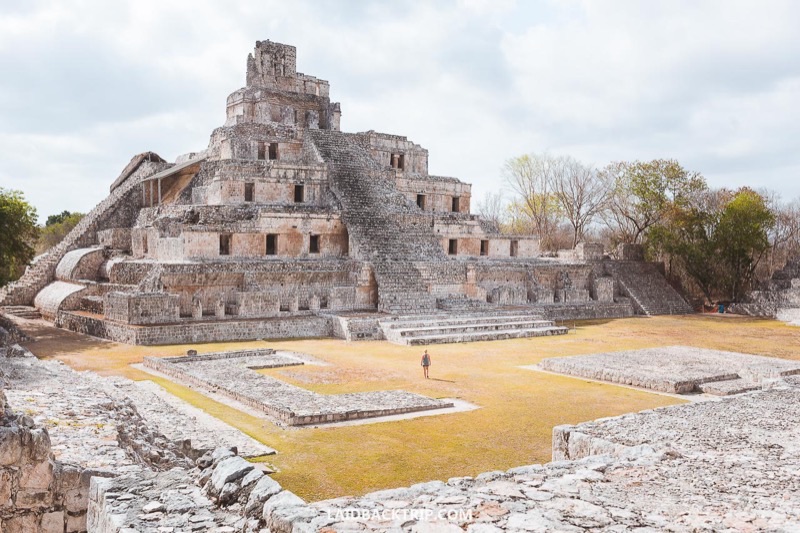
Mexico's history is incredibly deep, with roots in powerful Mesoamerican civilizations like the Maya, Aztec, and Zapotec. Sites like Teotihuacan, Chichen Itza, and Palenque are monumental, offering a direct link to ancient pasts. Entrance fees are typically 80-250 MXN ($4.80-15 USD). Colonial cities like San Miguel de Allende and Oaxaca boast impressive Baroque architecture. Indigenous languages and traditions remain an active part of daily life, particularly in southern states. Festivals like Dia de Muertos are major cultural events, a profound blend of ancient beliefs and Catholic tradition. The blend of pre-Hispanic and colonial is compelling.
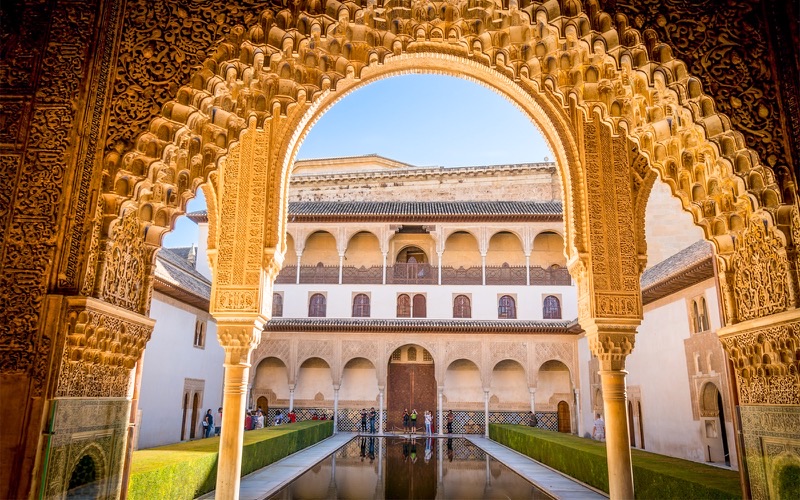
Spain offers layers of history, from Roman ruins in Merida and Tarragona to the intricate Moorish architecture of the Alhambra in Granada (entrance ~19 EUR/$21 USD). The Catholic Reconquista left behind grand cathedrals like Seville's and Burgos'. Spain's golden age produced literary giants and painters whose works fill museums like the Prado in Madrid (entrance ~15 EUR/$16 USD) and the Picasso Museum in Barcelona. Regional identities, like Catalan and Basque, add further depth. The sheer breadth of architectural styles and the quality of artistic output, spanning thousands of years, is globally significant.
Tabiji verdict: While Mexico offers truly unique ancient history, Spain's broad artistic and historical legacy, spanning millennia, provides a richer, more accessible cultural narrative.
- Winner: Spain
- Why: Spain's historical and artistic contributions, from Roman to Moorish to Renaissance, are more expansive and easier to appreciate for a general traveler.
- Who this matters for: Art history enthusiasts, those interested in European historical evolution, and visitors seeking major artistic masterpieces.
🏖️ Beaches & Coastlines
Mexico's coastlines are incredibly diverse. The Yucatán Peninsula boasts the Caribbean's turquoise waters and white sand beaches of Tulum, Playa del Carmen, and Cancun. Here you…
Mexico

Spain
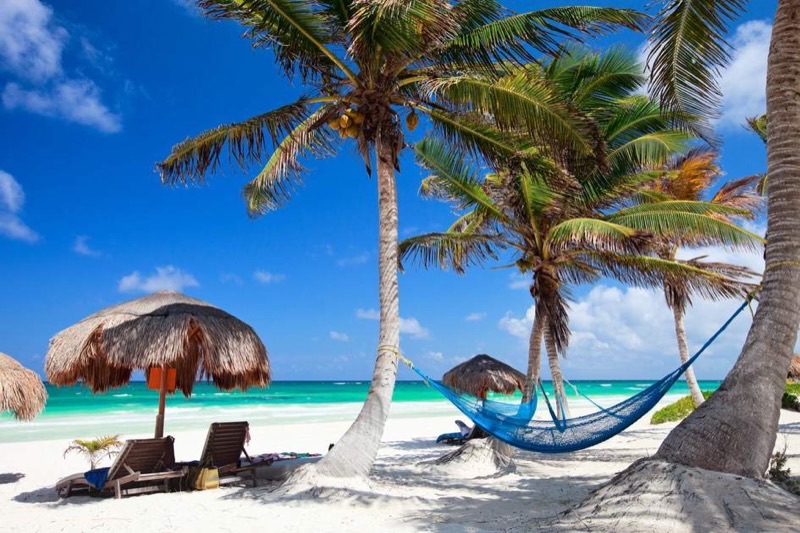
Mexico's coastlines are incredibly diverse. The Yucatán Peninsula boasts the Caribbean's turquoise waters and white sand beaches of Tulum, Playa del Carmen, and Cancun. Here you find both lively resort zones and quieter stretches with cenotes nearby. A stay in a mid-range hotel in Tulum can be $100-200 USD. On the Pacific side, Oaxaca offers surf towns like Puerto Escondido and Mazunte, with a different, more bohemian vibe. Further north, Baja California has stunning desert-meets-ocean scenery. The warmth of the water, the consistent sun, and the sheer variety of beach experiences, from calm snorkeling to serious surfing, make it a beach lover's dream.
Spain has extensive coastlines on both the Mediterranean and Atlantic. The Costa del Sol (Andalusia) and Costa Brava (Catalonia) are popular, with many developed beaches and charming towns. Mediterranean beaches often feature fine gravel or golden sand, with calm, warm waters. The Atlantic coast, particularly in the Basque Country and Galicia, offers stronger surf and a wilder feel. The Canary Islands and Balearic Islands (Mallorca, Ibiza) provide distinct island beach experiences, from volcanic black sand to party beaches. While beautiful, Spanish beaches often feel more developed and can get very crowded.
Tabiji verdict: Mexico wins for its postcard-perfect Caribbean shores and more naturally preserved Pacific options, offering a more serene and authentic beach experience overall.
- Winner: Mexico
- Why: Mexico's Caribbean coast is globally renowned for its clear waters and soft sands, offering a more idealized beach escape.
- Who this matters for: Beach lovers, snorkelers, divers, and anyone seeking classic tropical beach scenery.
🚨 Safety & Travel Security
Mexico's safety perception is often skewed by media. While certain areas near borders or with significant cartel activity are dangerous (e.g., parts of Sinaloa, Michoacán), major…
Mexico
Spain
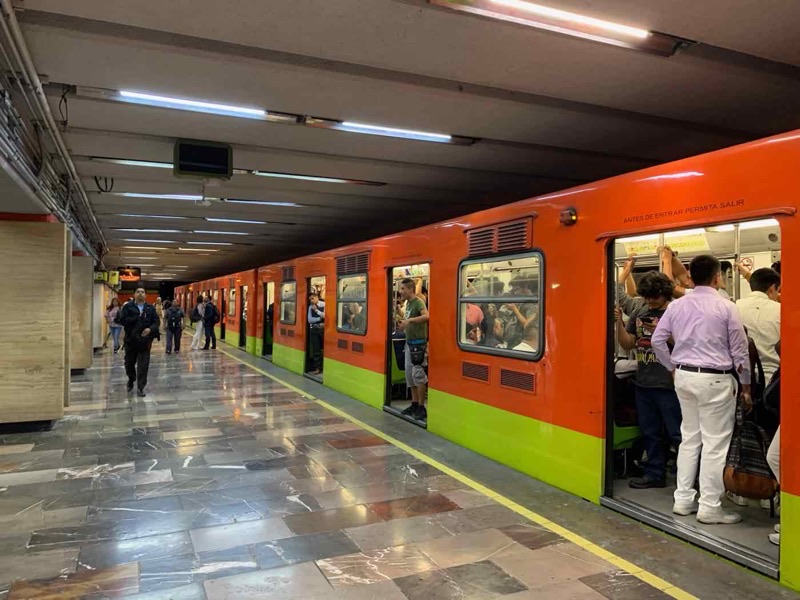
Mexico's safety perception is often skewed by media. While certain areas near borders or with significant cartel activity are dangerous (e.g., parts of Sinaloa, Michoacán), major tourist destinations like Mexico City, Oaxaca, San Miguel de Allende, and the Yucatán Peninsula are generally safe for travelers. Petty crime, like pickpocketing or bag snatching, is a concern in crowded areas, especially on public transport. Using ride-sharing apps like Uber instead of street taxis at night is a smart move. Staying aware of your surroundings and avoiding isolated areas at night are standard recommendations. Many solo female travelers report positive experiences in well-trafficked areas.
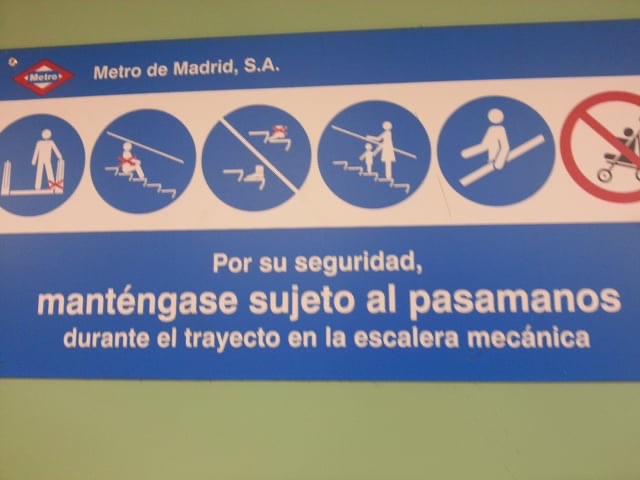
Spain consistently ranks as one of the safest countries for tourists in Europe. Violent crime is low. The main concern for travelers is petty theft, particularly pickpocketing in crowded tourist hubs like Las Ramblas in Barcelona, Puerta del Sol in Madrid, and on public transport. Being vigilant with your belongings in these areas is crucial. Solo travelers, including women, generally feel very comfortable exploring Spain's cities and countryside, even at night. The police presence is noticeable in major cities, contributing to a sense of security. Spain offers a more relaxed and worry-free travel environment.
Tabiji verdict: Spain provides a significantly higher baseline of safety and peace of mind for travelers.
- Winner: Spain
- Why: Spain has consistently low crime rates and a general atmosphere of security, making travel less stressful.
- Who this matters for: Solo travelers, families with young children, and anyone prioritizing a worry-free travel experience.
🌃 Nightlife & Entertainment
Mexico's nightlife scene varies widely. Mexico City has sophisticated cocktail bars in Roma Norte and Polanco, like Hanky Panky, alongside massive clubs. Cancun and Playa del…
Mexico's nightlife scene varies widely. Mexico City has sophisticated cocktail bars in Roma Norte and Polanco, like Hanky Panky, alongside massive clubs. Cancun and Playa del Carmen are known for their high-energy, tourist-focused clubs such as Coco Bongo, with entrance fees around $70-100 USD (1200-1700 MXN) including drinks. Oaxaca offers a more relaxed vibe with mezcal bars and live music venues. A key part of the Mexican night is late-night street food – tacos, quesadillas, and elotes are everywhere until the early hours. The energy is palpable, but it can be less predictable than in Spain.
Spain has a deeply ingrained late-night culture. Dinner often starts around 9 PM, with bars and clubs not getting busy until midnight or later. Madrid's La Latina district buzzes with tapas bars, while Malasaña is known for its alternative scene. Barcelona has world-class electronic music clubs like Razzmatazz and Opium. Then there's Ibiza, an island synonymous with superclubs and international DJs, where entrance fees can easily be 50-100 EUR ($55-110 USD). Flamenco shows in Seville and Granada (expect to pay 20-30 EUR/$22-33 USD) provide a cultural evening experience.
Tabiji verdict: Spain's commitment to late-night socializing, from tapas bars to global clubbing, provides a more sophisticated and enduring nightlife experience.
- Winner: Spain
- Why: Spain's nightlife is an integral part of its culture, offering a range of options from relaxed social venues to international clubbing destinations.
- Who this matters for: Party-goers, social butterflies, and those who appreciate a late-night dining and entertainment rhythm.
🚌 Getting Around
Getting around Mexico typically involves a mix of options. Long-distance travel is dominated by comfortable and affordable ADO buses, which connect major cities and tourist hubs.…
Getting around Mexico typically involves a mix of options. Long-distance travel is dominated by comfortable and affordable ADO buses, which connect major cities and tourist hubs. A trip from Mexico City to Oaxaca (6-7 hours) costs around 500-800 MXN ($30-48 USD). Within cities, Uber is prevalent and inexpensive (e.g., a 20-minute ride in Mexico City 80-150 MXN/$4.80-9 USD). Colectivos (shared vans) are a local, very cheap option for short distances. Public transport in cities like Mexico City (metro tickets 5 MXN/$.30 USD) can be crowded but efficient. Driving can be challenging due to road conditions, varying traffic laws, and security concerns outside major routes.
Spain's transportation network is excellent. The high-speed AVE train system connects major cities like Madrid, Barcelona, Seville, and Valencia quickly and efficiently. A Madrid-Barcelona AVE ticket can cost 50-100 EUR ($55-110 USD) if booked in advance. City metros (Madrid, Barcelona, Valencia) are clean, safe, and cover extensive areas (single ticket ~1.50-2 EUR/$1.60-2.20 USD). Regional buses and local trains fill in gaps. Driving is generally straightforward with well-maintained roads. Travel between destinations is often a pleasant and stress-free part of the journey.
Tabiji verdict: Spain's modern, extensive, and highly reliable public transport network makes getting around significantly easier and more comfortable.
- Winner: Spain
- Why: Spain's high-speed trains and efficient public transport systems offer superior convenience and reliability for travelers.
- Who this matters for: Travelers who prefer smooth logistics, solo travelers, and those without a rental car.
⛰️ Nature & Outdoors
Mexico offers an incredible range of natural environments. The Yucatán Peninsula is home to thousands of cenotes (natural sinkholes), perfect for swimming and snorkeling (entrance…
Mexico offers an incredible range of natural environments. The Yucatán Peninsula is home to thousands of cenotes (natural sinkholes), perfect for swimming and snorkeling (entrance 50-200 MXN/$3-12 USD). The Sierra Norte mountains near Oaxaca provide hiking and ecotourism opportunities. Popocatépetl and Iztaccíhuatl are impressive volcanoes. Baja California's deserts meet the ocean, offering exceptional whale watching (December-April). Chiapas has lush jungles and waterfalls like Agua Azul. Mexico's biodiversity is among the world's highest, with endemic species and significant conservation areas. The direct experience with unique geological formations and wildlife is substantial.
Spain also has diverse natural settings. The Pyrenees mountains offer hiking, skiing, and mountaineering. The Picos de Europa National Park in northern Spain has dramatic limestone peaks and deep gorges. Coastal areas provide scenic hikes, like the Camino de Ronda on the Costa Brava. The Canary Islands, with their volcanic landscapes (e.g., Teide National Park in Tenerife), offer a completely different natural experience. Spain's parks are well-maintained and accessible. While Spain has beautiful and varied nature, Mexico's unique geological formations, extensive jungles, and greater biodiversity, particularly the cenotes and vibrant marine life, stand out.
Tabiji verdict: Mexico provides more distinct and immersive natural experiences, from ancient underwater caves to rich jungle ecosystems.
- Winner: Mexico
- Why: Mexico's unique natural features like cenotes, vast deserts, and dense jungles offer more distinctive and adventurous outdoor opportunities.
- Who this matters for: Adventure seekers, nature photographers, divers, and those interested in unique geological formations.
🛌 Accommodation
Mexico's accommodation options cater to all budgets, often with excellent value. Hostels are plentiful and social, with beds in dorms typically $15-25 USD (250-420 MXN) in cities…
Mexico's accommodation options cater to all budgets, often with excellent value. Hostels are plentiful and social, with beds in dorms typically $15-25 USD (250-420 MXN) in cities like Mexico City or Guadalajara. Mid-range boutique hotels in places like San Miguel de Allende or Oaxaca often feature charming courtyards and unique design for $50-150 USD (840-2500 MXN). Luxury resorts are common in coastal areas like Tulum or Los Cabos, where a high-end stay can be $300-600+ USD. Airbnb is also very popular and affordable. You often get a lot of space and character for your money.
Spain offers a comprehensive range of lodging, generally with a higher standard of cleanliness and service even at lower price points. Hostel dorms in major cities run 25-45 EUR ($27-49 USD). Mid-range hotels, known as 'hostales' (not hostels) or small hotels, are abundant and good value at 60-120 EUR ($65-130 USD) in cities like Valencia or Seville. Spain is also famous for its 'Paradores,' historic state-run hotels in castles or monasteries, offering a luxury experience for 150-300+ EUR ($163-326 USD). While quality is consistently high, you'll generally pay more for a comparable level of comfort than in Mexico.
Tabiji verdict: Mexico provides better value and more diverse character in its budget and mid-range accommodation options.
- Winner: Mexico
- Why: Mexico offers more affordable and character-filled options across various accommodation types, especially at budget and mid-range levels.
- Who this matters for: Travelers on a budget, those seeking unique boutique stays, and visitors wanting more space for their money.
✈️ Getting There (Flights)
Flying to Mexico from North America is relatively easy and affordable. Direct flights are available from many major US and Canadian cities. For instance, a direct flight from New…
Flying to Mexico from North America is relatively easy and affordable. Direct flights are available from many major US and Canadian cities. For instance, a direct flight from New York to Mexico City takes about 5 hours, and from Los Angeles, it's about 3.5-4 hours. Round-trip fares often range from $300-600 USD, especially if booked in advance or during off-peak seasons. Mexico's proximity to a large market of travelers means frequent flights and competitive pricing. This makes it a great option for shorter trips or quick getaways, reducing travel time and cost significantly for North American travelers.
Flying to Spain from North America requires a longer commitment. A direct flight from New York to Madrid takes around 7.5-8 hours, and from Los Angeles, it's typically 10-11 hours. Round-trip fares usually start around $600-1000 USD, though deals can be found. Spain is well-connected to the rest of Europe, making it an easy hop for European travelers, but for North Americans, it's a more significant journey. The longer flight times and generally higher fares make Spain less appealing for short trips and more suited for longer European itineraries.
Tabiji verdict: Mexico is the clear winner for ease, speed, and affordability of flights, especially for North American travelers.
- Winner: Mexico
- Why: Mexico offers significantly shorter flight times and more affordable direct routes from North America.
- Who this matters for: North American travelers, those with limited vacation time, and budget-conscious fliers.
🎯 The Decision Framework
Choose Mexico If…
- You want true street food discoveries for under $5 a meal.
- You are fascinated by ancient Mesoamerican civilizations and ruins.
- Your budget is tight, and you want to stretch your money further.
- You desire warm Caribbean beaches with clear water and cenotes.
- You appreciate a travel experience with distinct cultural differences from home.
- You want to practice your Spanish in a daily, immersive way.
- You are open to a bit more adventure and unpredictability in your travels.
- You enjoy lively markets and haggling for crafts.
Choose Spain If…
- You appreciate seamless, efficient public transport and infrastructure.
- You want to explore Roman, Moorish, and Christian historical layers.
- You prioritize world-class art museums and architectural masterpieces.
- You enjoy a sophisticated late-night dining and social scene.
- You prefer a generally safer and more predictable travel environment.
- You're looking for quality wine and tapas at an accessible price.
- You're excited by the idea of high-speed train travel between cities.
- You appreciate diverse regional cultures within one country (e.g., Basque, Catalan).
📅 Sample Itineraries
Weekend in Mexico City (3 Days)
💡 Use the Metro for transport; a single ride is about $0.25, significantly cheaper than taxis. Purchase a rechargeable card for convenience.
Weekend in Madrid (3 Days)
💡 Look for 'Menu del Día' at lunch, a fixed-price multi-course meal often including a drink, available for $12-18 and offering good value.
One Week in Southern Mexico (7 Days)
💡 For inter-city travel, long-distance buses like ADO are comfortable and reliable, offering a cheaper alternative to domestic flights for around $30-50 per journey.
One Week in Andalusia (7 Days)
💡 Purchase a Renfe Spain Pass if you plan multiple train journeys; it can offer savings compared to individual tickets, especially for longer routes.
❓ Frequently Asked Questions
Which destination is better for solo female travelers?
Spain generally provides a more comfortable and secure environment for solo female travelers due to its consistently low crime rates and excellent public transport. While Mexico's tourist areas are largely safe, Spain offers greater peace of mind, especially when exploring cities at night or traveling between regions. Petty theft is the main concern in both, so common sense applies.
What are the typical flight times from the US to each country?
From major US hubs, direct flights to Mexico City average 3.5-5 hours. For Spain, direct flights to Madrid or Barcelona typically range from 7-8 hours from the East Coast and 10-11 hours from the West Coast. This significantly impacts travel time and potential jet lag for North American visitors.
Which country offers better value for luxury travel?
Mexico offers significantly better value for luxury travel. High-end resorts in places like Tulum or Los Cabos, or boutique hotels in San Miguel de Allende, often provide amenities and service comparable to European luxury at a fraction of the price. For example, a luxury resort night in Mexico might be $400-800 USD, whereas a similar experience in Spain could easily exceed $600-1200 EUR ($650-1300 USD).
Is it easy to get by speaking only English in both countries?
In major tourist areas and large cities in both countries, you can generally get by with English. However, knowing some basic Spanish phrases will greatly enhance your experience in Mexico, where English is less prevalent outside of resort zones. In Spain, English is more common, especially among younger generations and in service industries, but locals appreciate efforts to speak Spanish.
What's the best time of year to visit each, considering weather?
For Mexico, the dry season from November to April offers comfortable temperatures and less rain, making it ideal for most regions. Spain is best visited in spring (April-May) or fall (September-October) for pleasant temperatures across most of the country; summers can be very hot, especially in the south, often exceeding 35°C (95°F).
Which country has better hiking and outdoor adventure opportunities?
Mexico offers a broader range of truly distinct outdoor experiences, from exploring thousands of cenotes in the Yucatán to hiking volcanoes and experiencing lush jungles in Chiapas. Spain has excellent hiking in mountain ranges like the Pyrenees and Picos de Europa, and unique volcanic landscapes in the Canary Islands, but Mexico's geological and ecological diversity provides more unique adventure potential.
How do visa requirements compare for US citizens?
For US citizens, both Mexico and Spain (as part of the Schengen Area) allow visa-free tourist stays for up to 90 days. For Spain, the ETIAS authorization will be required starting mid-2025, costing around 7 EUR. Mexico requires a tourist card (FMM) upon arrival, usually included in the flight ticket price.
Which has a stronger coffee culture?
Spain has a well-established coffee culture with espresso-based drinks (café con leche, cortado) enjoyed throughout the day in bars and cafes. Mexico also has a significant coffee tradition, particularly in regions like Chiapas and Oaxaca, known for their arabica beans. While both have good coffee, Spain's social ritual around coffee breaks is more pronounced and integrated into daily life.
Ready to plan your next adventure?
Get a free custom itinerary for Mexico, Spain, or both — built from real traveler insights.
👥 Travelers Also Compared
🎟️ Book Tours & Experiences
Hand-picked tours and activities for both destinations — book with free cancellation
Experiences via Viator — free cancellation on most tours