How we built this comparison
This page combines traveler discussion patterns, published price ranges, transit details, and seasonal data to make the Mexico City vs Cancun decision easier to resolve.
- Reviewed Reddit-style traveler discussions and recurring decision patterns for Mexico City and Cancun.
- Checked numeric claims like accommodation ranges, transit costs, transfer times, or seasonal patterns where those numbers appear on the page.
- Updated the page structure so each major section ends with a clearer winner, reason, and traveler-use note.
Best read as a decision guide, not a universal truth: the right pick depends on your budget, pace, and what kind of trip you actually want.
⚡ The TL;DR Verdict
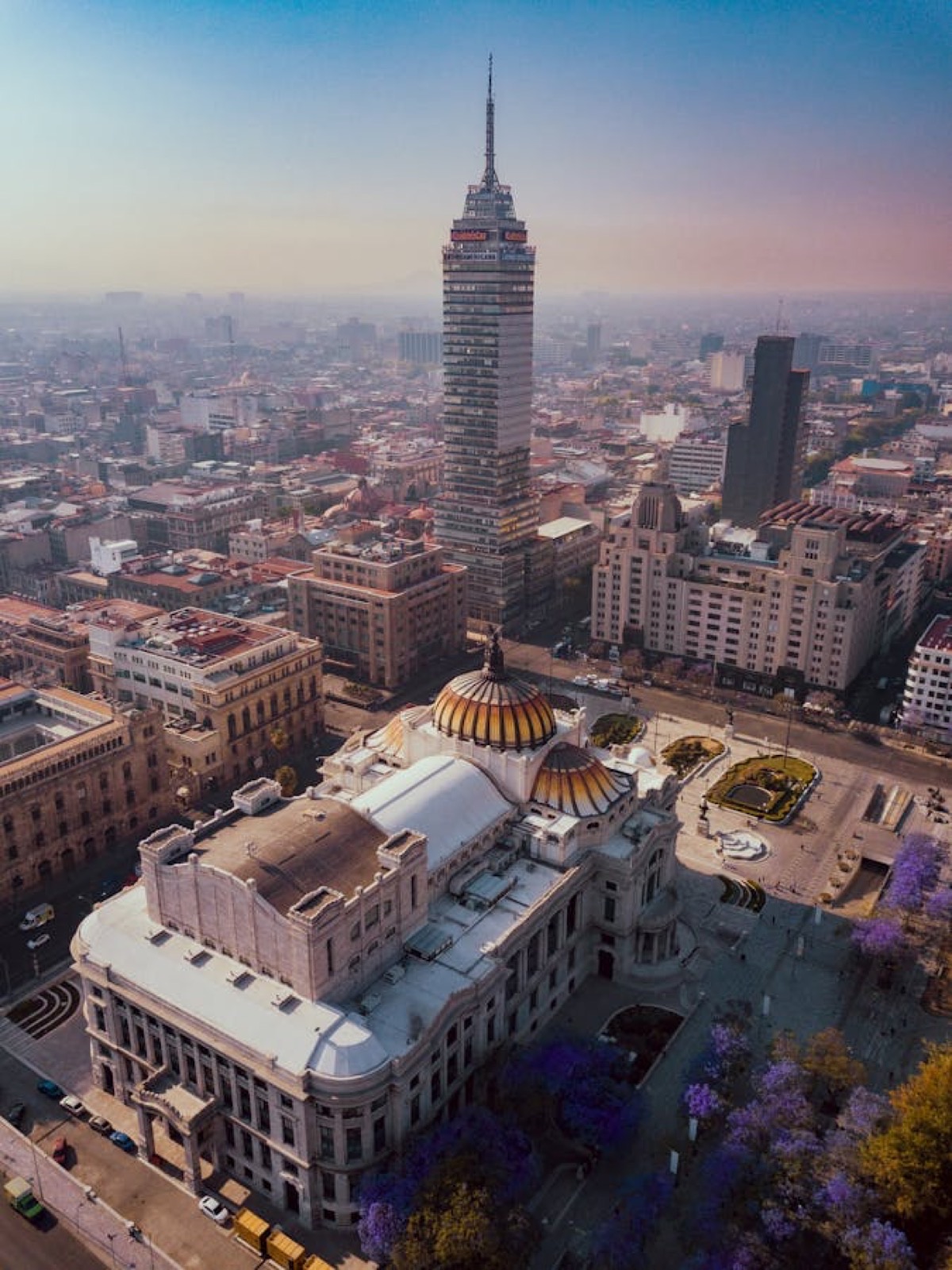
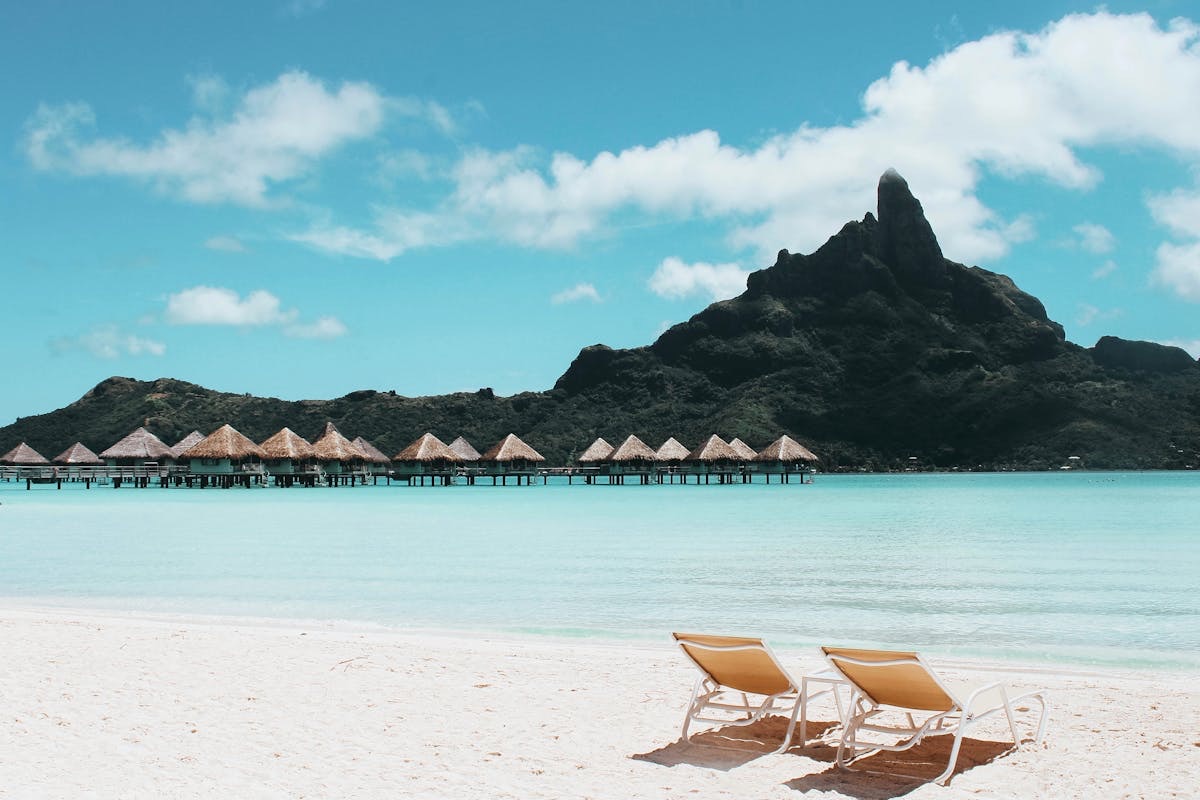
Mexico City is better if you want Foodies, culture lovers, urban explorers, budget travelers. Cancun is better if you want Beach lovers, couples, families, relaxation seekers. Mid-range budget: Mexico City $40–80 USD vs Cancun $80–200 USD (or $150–350 all-inclusive).
- Choose Mexico City: Foodies, culture lovers, urban explorers, budget travelers.
- Choose Cancun: Beach lovers, couples, families, relaxation seekers.
- Budget snapshot: Mexico City: $40–80 USD; Cancun: $80–200 USD (or $150–350 all-inclusive).
Choose Mexico City
Foodies, culture lovers, urban explorers, budget travelers.
Choose Cancun
Beach lovers, couples, families, relaxation seekers.
Quick Comparison
| Category | 🏙️ Mexico City | 🏖️ Cancun | Winner |
|---|---|---|---|
| Daily Budget (mid-range) | $40–80 USD | $80–200 USD (or $150–350 all-inclusive) | CDMX |
| Food Scene | World's best street food, 30+ Michelin-starred restaurants | Resort buffets, seafood, touristy restaurants | CDMX |
| Beaches | None (landlocked at 2,240m elevation) | Among the best Caribbean beaches, crystal-clear water | Cancun |
| Culture & Museums | 150+ museums, Aztec ruins, colonial architecture | Mayan ruins nearby (Chichén Itzá, Tulum) | CDMX |
| Nightlife | Roma Norte bars, mezcalerías, live music, clubs | Coco Bongo, Hotel Zone clubs, spring break vibes | Tie |
| Getting Around | Metro ($0.30), Uber ($2–5), walkable neighborhoods | Need taxis/rental car, not walkable outside resorts | CDMX |
| Safety Feel | Safe in tourist areas, standard big-city precautions | Very safe in Hotel Zone, resort bubble | Cancun |
| Day Trips | Teotihuacán, Puebla, Taxco, Xochimilco | Chichén Itzá, cenotes, Tulum, Isla Mujeres | Tie |
| Weather | Spring-like year-round (15–26°C), rainy Jun–Sep | Hot & tropical (25–34°C), hurricane risk Jun–Nov | Depends |
| Best For | Foodies, culture lovers, urban explorers, budget travelers | Beach lovers, couples, families, relaxation seekers | — |
🌮 Food & Dining
Mexico City's food scene is, by many accounts, the best in the Western Hemisphere. This is where tacos al pastor were invented, where $1 street tacos routinely outperform $15 restaurant versions elsewhere, and where 30+ restaurants hold Michelin stars or Bib Gourmand distinctions. Neighborhoods like Roma Norte, Condesa, and Coyoacán are dense with everything from hole-in-wall taquerías to among the best omakase and Italian. Pujol, consistently ranked among the world's best restaurants, serves a tasting menu for around $150 — a bargain by global fine-dining standards.
Cancun's food scene is… fine. The Hotel Zone is dominated by resort buffets, American chains, and overpriced tourist restaurants. The real food is in downtown Cancun (Ciudad Cancún), where locals eat — but most tourists never venture there. Seafood is genuinely excellent: fresh ceviche, grilled fish, and cochinita pibil (slow-roasted pork) from the Yucatán tradition. But the variety and depth simply can't compete with a city of 22 million people.
What to eat in Mexico City
Street tacos — Al pastor (spit-roasted pork, $0.50–1.50/taco) from Tacos El Huequito or any stand with a trompo. Suadero, bistec, campechano at Taquería Orinoco. Tlacoyos at any market. Tamales from morning street vendors. Churros from El Moro (open since 1935). Fine dining — Pujol, Quintonil, Rosetta, Contramar (the famous tuna tostadas). Markets — Mercado Roma for upscale food hall vibes, Mercado de San Juan for exotic meats and seafood.
What to eat in Cancun
Cochinita pibil — the Yucatán's signature dish, slow-roasted pork in achiote. Best found downtown at Lonchería El Pocito. Fresh ceviche on the beach. Salbutes and panuchos — local Yucatecan antojitos. Seafood — Puerto Madero or Lorenzillo's in the Hotel Zone for upscale, or hit Parque de las Palapas downtown for cheap, excellent local eats.
Winner takeaway
- Winner: Mexico City
- Why: Mexico City wins by a landslide. It's not even close — CDMX is a top-5 food city globally with prices that feel almost criminal. Cancun has good Yucatecan food if you leave the Hotel Zone, but can't compete with a megacity's depth.
- Who this matters for: Matters most if food quality, variety, or meal budgets will shape your trip between Foodies, culture lovers, urban explorers, budget travelers. and Beach lovers, couples, families, relaxation seekers..
🏛️ Culture & History
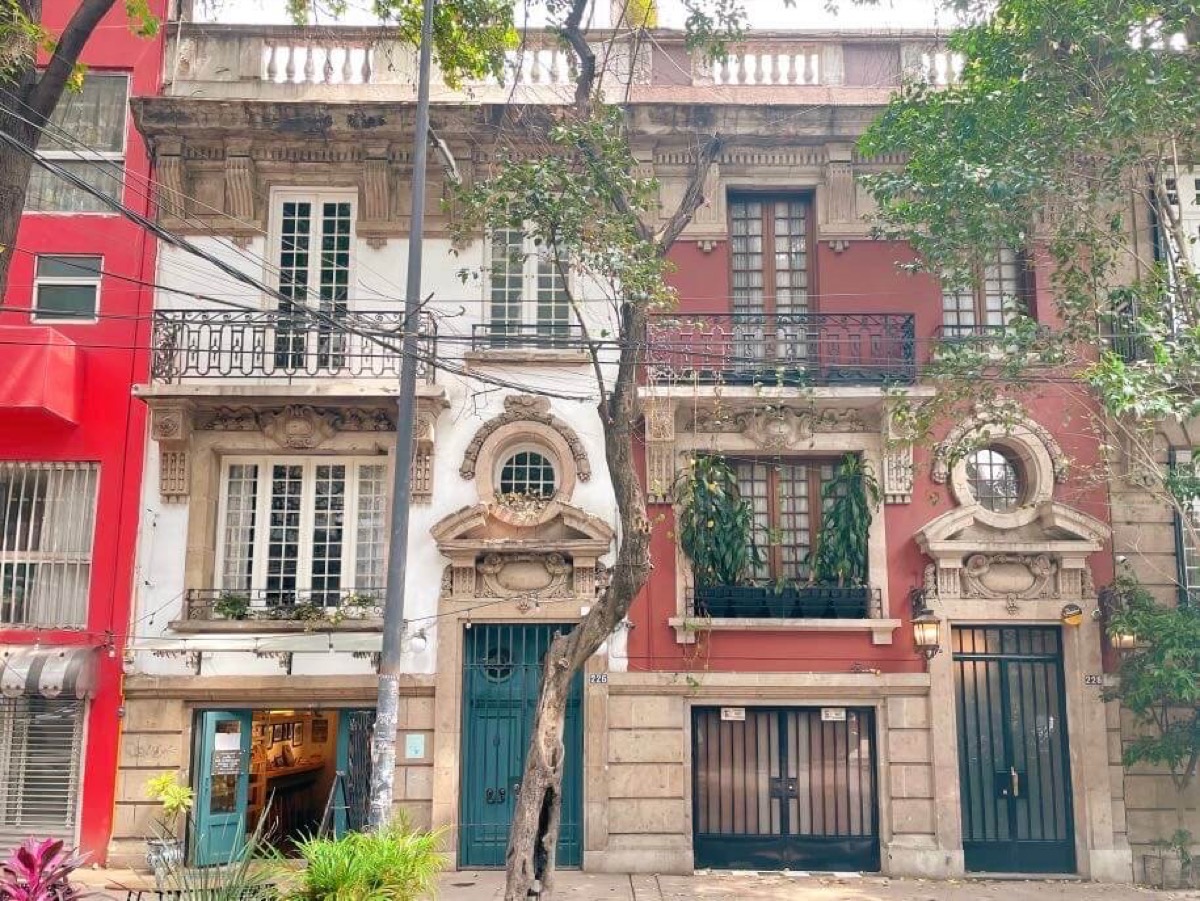
Mexico City is built literally on top of the Aztec capital of Tenochtitlán. The Templo Mayor ruins sit right next to the Zócalo (main square), one of the largest public plazas in the world. The city has over 150 museums — more than any other city in the Americas — including the elite-level Museo Nacional de Antropología, Frida Kahlo's Casa Azul in Coyoacán, and the Palacio de Bellas Artes. Colonial architecture, Art Deco buildings, and ultra-modern structures coexist in a way that tells Mexico's entire history street by street.
Cancun itself was a fishing village until the 1970s when the Mexican government designed it as a purpose-built resort destination. There's minimal cultural depth in the Hotel Zone. However, Cancun is the gateway to the Yucatán's extraordinary Mayan heritage: Chichén Itzá (one of the New Seven Wonders of the World, 2.5 hours away), the clifftop ruins of Tulum (1.5 hours), and dozens of lesser-known archaeological sites. The cenotes — natural limestone sinkholes sacred to the Maya — are uniquely Yucatecan and standout.
Winner takeaway
- Winner: Depends
- Why: Mexico City is one of the most culturally rich cities in the world, period. Cancun's Hotel Zone has almost zero culture, but the Yucatán's Mayan ruins and cenotes are genuinely top-tier. If culture matters, CDMX wins — but don't sleep on Chichén Itzá.
- Who this matters for: Matters most if you are choosing based on atmosphere, heritage, and what kind of experience feels more memorable.
💰 Cost Comparison
This is where the gap between Mexico City and Cancun becomes most dramatic. CDMX is one of the best-value major cities on Earth for tourists, while Cancun's Hotel Zone is priced for American resort budgets. Here's a realistic daily breakdown for 2026:
| Expense | 🏙️ Mexico City | 🏖️ Cancun (Hotel Zone) |
|---|---|---|
| Hostel dorm | $10–18/night | $15–30/night |
| Mid-range hotel | $50–100/night | $120–250/night |
| All-inclusive resort | N/A | $150–400/night pp |
| Street food meal | $2–5 | $5–10 |
| Sit-down restaurant | $8–20 | $20–50 |
| Beer (restaurant) | $1.50–3 | $4–8 |
| Local transport | $0.30 metro / $3–5 Uber | $10–25 taxi / $40+ rental car/day |
| Museum/attraction | $3–8 (many free on Sundays) | $15–40 (ruins, parks, cenotes) |
| Daily total (mid-range) | $40–80 USD | $80–200 USD |
The all-inclusive factor: Cancun's all-inclusive resorts can actually be decent value if you'd otherwise spend $60–100/day on food and drinks. At $150–250/night per person with unlimited food, drinks, pool, and beach, you're getting a lot for your money. But you're also trapped in a resort bubble and missing the real Yucatán.
Winner takeaway
- Winner: Mexico City
- Why: Mexico City is 40–60% cheaper across the board. A week in CDMX costs roughly what 3–4 days in Cancun's Hotel Zone costs. Budget travelers can live like royalty in Mexico City for $40–50/day.
- Who this matters for: Matters most if nightly rates, meal prices, or transport costs will change how long you can stay.
🚇 Getting Around
Mexico City has a massive metro system — 12 lines covering 226 km — and each ride costs just 5 pesos ($0.30 USD). It's the cheapest metro in the Americas and covers most tourist areas. The Metrobús (bus rapid transit) is another great option at 6 pesos. Uber works everywhere and is ridiculously cheap: a 20-minute ride across the city costs $3–5 USD. The key neighborhoods for tourists — Roma Norte, Condesa, Centro Histórico, Coyoacán — are all walkable within themselves. Traffic is famously terrible (CDMX regularly ranks as one of the world's worst for traffic), so stick to metro + walking for anything beyond 15 minutes by car.
Cancun is built for cars, not pedestrians. The Hotel Zone is a 25 km strip of highway with resorts on either side — walking between them isn't practical. Local buses run along Boulevard Kukulcán ($12 pesos / $0.70 USD) but they're slow and infrequent. Most tourists rely on taxis ($10–25 USD per ride within the Hotel Zone), rental cars ($40–60/day), or resort shuttles. If you're staying at an all-inclusive, you might barely leave the property. For day trips to ruins or cenotes, organized tours ($50–150 USD) or rental cars are the way to go.
Winner takeaway
- Winner: Mexico City
- Why: Mexico City wins on transit — the metro is internationally recognized and dirt cheap, Uber fills every gap, and the best neighborhoods are walkable. Cancun requires a car or expensive taxis for anything beyond your resort. Pro tip for CDMX: avoid the metro during rush hour (7–9am, 5–7pm).
- Who this matters for: Matters most if you care about ease, transfer friction, and how much time you lose moving between sights.
☀️ Best Time to Visit
Mexico City and Cancun have dramatically different climates. CDMX sits at 2,240 meters (7,350 feet) elevation, giving it a mild, spring-like climate year-round — rarely above 28°C or below 5°C. Cancun is sea-level Caribbean: hot, humid, and tropical with a serious hurricane season.
Data: Open-Meteo climate normals. Temperatures are daily highs/lows in Celsius. ☀️ = best months, 🌧️ = rainy season, 🌀 = hurricane risk.
Best seasons
Mexico City's dry season (November–April) is ideal: sunny skies, comfortable temperatures, very little rain. December and January can be chilly at night (5–8°C), so bring a jacket. The rainy season (June–September) brings heavy afternoon downpours almost daily, but mornings are usually clear.
Cancun's peak season (December–April) has the best weather: warm, dry, and low humidity. This is also when prices peak — expect to pay 2–3x high-season rates for hotels. Hurricane season (June–November) brings lower prices but real risk, especially September and October. Sargassum seaweed can also foul beaches from April through August.
Winner takeaway
- Winner: Depends
- Why: November–March is ideal for both destinations. Mexico City's mild climate is forgiving year-round (just carry an umbrella in summer). For Cancun, avoid September–October (peak hurricane risk) and check sargassum forecasts before booking beach trips.
- Who this matters for: Matters most if seasonality, rain, heat, or crowd levels could make or break the trip.
🏨 Where to Stay
Mexico City neighborhoods
Roma Norte — The most popular neighborhood for tourists and digital nomads. Tree-lined streets, Art Deco buildings, incredible restaurants and bars on every corner. Walkable, safe, chaotic. Where to be if you want to live like a stylish local. Mid-range hotels: $50–100/night.
Condesa — Adjacent to Roma Norte, slightly greener and quieter. Parque México is the anchor. Same walkability and restaurant scene, a touch more residential. Great for couples.
Polanco — The upscale district. Think Beverly Hills meets Mexico. Museo Nacional de Antropología is here, along with luxury shopping on Avenida Presidente Masaryk. Pujol and many Michelin-starred restaurants call this home. Hotels: $100–250/night.
Centro Histórico — The historic heart. Zócalo, Templo Mayor, Palacio Nacional, Cathedral Metropolitana. Grittier but incredibly atmospheric. Budget-friendlier. More chaotic but never boring.
Coyoacán — Bohemian village feel in the south. Frida Kahlo's Casa Azul, cobblestone streets, local markets. Further from other tourist areas but charming. Good for longer stays.
Cancun areas
Zona Hotelera (Hotel Zone) — The 25 km L-shaped strip where 95% of tourists stay. All-inclusive resorts, nightclubs, shopping malls, and beautiful beaches. Safe, convenient, expensive. This is the "Cancun" most people picture. All-inclusive: $150–400/night pp.
Downtown Cancun (Ciudad Cancún) — Where locals live. Parque de las Palapas is the social hub. Vastly cheaper restaurants, authentic street food, local markets. 15–20 minutes by bus to Hotel Zone beaches. Hotels: $30–60/night. A smart budget play.
Playa del Carmen (45 min south) — A popular alternative to Cancun with a more walkable, town-like feel. Fifth Avenue pedestrian strip, smaller beaches, closer to cenotes and Tulum. Mid-range: $60–120/night.
Winner takeaway
- Winner: Mexico City
- Why: In Mexico City, stay in Roma Norte or Condesa — they're walkable, safe, and packed with great restaurants. In Cancun, the Hotel Zone delivers the full beach resort experience; downtown Cancun is the budget hack most tourists miss.
- Who this matters for: Matters most if neighborhood choice, hotel value, or day-trip convenience is a big part of the decision.
🎒 Day Trips
Both cities unlock incredible day trips, but they couldn't be more different in character.
From Mexico City
Teotihuacán (1h) — The Pyramids of the Sun and Moon, one of the largest ancient cities in the Americas. Arrive early to beat the heat and crowds. $5 entry. An absolute must-do.
Xochimilco (45min) — Colorful trajinera boats on ancient Aztec canals. Floating mariachi bands, street food vendors on boats, cold beer. Pure joy. Best on weekends.
Puebla (2h by bus) — Mexico's culinary capital outside CDMX. Mole poblano, cemitas, tacos árabes. Striking colonial architecture and Talavera pottery. Worth an overnight.
Taxco (2.5h) — Silver mining town clinging to hillsides. Beautiful colonial center, silver jewelry shopping, incredible mountain views.
Grutas Tolantongo (3h) — Hot springs carved into a canyon. Thermal pools, river, cave. Otherworldly. Best as an overnight.
From Cancun
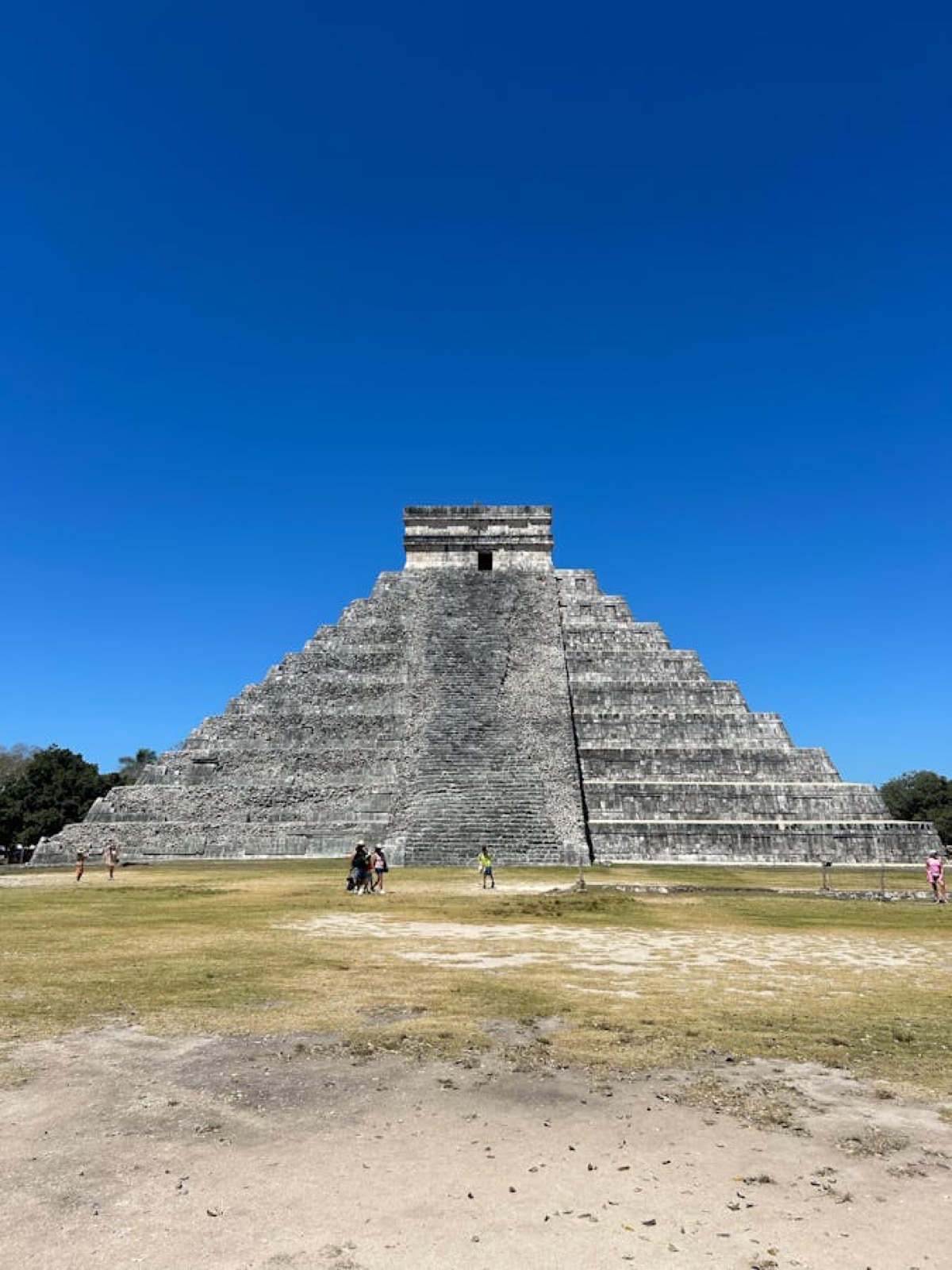
Chichén Itzá (2.5h) — One of the New Seven Wonders of the World. The Kukulcán pyramid is jaw-dropping. Go early or late to avoid tour bus crush. $35 entry.
Cenotes (30min–2h) — Thousands of natural swimming holes across the Yucatán. Gran Cenote near Tulum and Cenote Ik Kil near Chichén Itzá are famous, but smaller ones like Cenote Suytun are more atmospheric. $10–20 entry each.
Tulum (1.5h) — Clifftop Mayan ruins overlooking the Caribbean. Incredibly photogenic. Combine with a cenote visit on the same day.
Isla Mujeres (30min by ferry) — Laid-back island with a golf-cart vibe, snorkeling, Playa Norte (one of the best beaches in Mexico). Perfect half-day or full-day escape.
Valladolid (2h) — Charming colonial town, often paired with Chichén Itzá. Great food, fewer tourists, beautiful cenote right in town.
Winner takeaway
- Winner: Depends
- Why: Both are exceptional. Mexico City's Teotihuacán and Xochimilco are worth the trip. Cancun's cenotes and Chichén Itzá are bucket-list experiences. Cancun edges slightly ahead here — cenotes are unique to this region and truly magical.
- Who this matters for: Matters most if you want one base with strong side trips rather than a single-destination stay.
🔀 Why Not Both?
Unlike Tokyo vs Kyoto (connected by a quick bullet train), Mexico City and Cancun are 1,550 km apart with no high-speed rail option. But cheap flights make combining them surprisingly easy.
How to combine them
Flights: Volaris and VivaAerobus fly CDMX ↔ Cancun multiple times daily for $60–100 USD one way. Book 2–4 weeks ahead for best prices. Flight time: 2.5 hours.
Recommended order: Most travelers prefer starting with Mexico City (culture, food, museums) and ending with Cancun (beach relaxation). This way you decompress on the beach before flying home. If your international flights arrive/depart from different airports, take advantage — fly into MEX (Mexico City) and out of CUN (Cancun) or vice versa.
Suggested split itineraries
7 days: Pick one. Seriously — 7 days split between two destinations 2.5 flight-hours apart leaves you rushed in both. If forced to choose, most Redditors say CDMX.
10 days: 6 days Mexico City (with Teotihuacán + Xochimilco day trips) → fly → 4 days Cancun/Riviera Maya (cenotes + Chichén Itzá + beach days).
14 days: 7 days CDMX (add Puebla overnight) → fly → 4 days Cancun → 3 days Playa del Carmen/Tulum (cenotes, ruins, chill).
Winner takeaway
- Winner: Depends
- Why: With 10+ days, absolutely do both. Start with CDMX for culture and food, end in Cancun for beach decompression. With 7 days, pick one and do it right — you'll be glad you did.
- Who this matters for: Matters most if you are deciding whether this should be a one-destination trip or a broader itinerary.
🎯 The Decision Framework
Choose Mexico City If…
- You want to eat a diverse range of street food for under $5 per meal.
- You are excited to explore ancient Aztec ruins like Teotihuacan within an hour's drive.
- You appreciate navigating a city using an efficient, low-cost subway system.
- You are looking for accommodation options typically costing $40-80 USD per night.
- You prefer a vacation focused on museums, art galleries, and historical architecture.
- You want to experience a large metropolitan area with distinct neighborhoods.
- You enjoy cooler temperatures and lower humidity compared to coastal regions.
- You are interested in attending live music or theater events at budget-friendly prices.
- You seek an immersive cultural experience away from resort tourism.
Choose Cancun If…
- You want direct access to white sand beaches and clear turquoise water.
- You prefer staying at all-inclusive resorts, often priced $150-350 USD per night.
- You are looking for a trip focused on poolside relaxation and ocean swimming.
- You plan to engage in water sports like snorkeling, diving, or jet-skiing.
- You need a destination with numerous family-friendly resorts and activities.
- You desire easy access to cenotes and Mayan ruins via organized excursions.
- You prefer a vacation where most amenities and entertainment are within your resort.
- You want consistently warm weather and abundant sunshine.
- You are seeking a destination with easily accessible resort-based nightlife.
❓ Frequently Asked Questions
Is Mexico City or Cancun better for first-time visitors to Mexico?
Cancun is easier — resorts handle everything, English is widely spoken in the Hotel Zone, and planning is minimal. But Mexico City offers a far deeper experience of actual Mexico: the food, culture, history, and energy of a 22-million-person megacity. Reddit overwhelmingly recommends CDMX if you want more than a beach. If this is your first international trip and you want something easy, Cancun is a safe bet.
How far apart are Mexico City and Cancun?
About 1,550 km. Direct flights take 2.5 hours and cost $60–150 USD one way on Volaris, VivaAerobus, or Aeromexico. Driving takes 18+ hours and isn't recommended. ADO luxury buses make the trip in ~24 hours for $80–100 if you're adventurous and have time to burn.
Is it worth visiting both on the same trip?
Yes, with 10+ days. A popular itinerary is 6 days CDMX → 4 days Cancun/Riviera Maya. The cheap domestic flight makes it practical. With 7 days, most seasoned travelers say pick one and go deep rather than rushing both. You'd spend a full day just on airports and transit otherwise.
Which is cheaper, Mexico City or Cancun?
Mexico City, by a wide margin. Daily costs in CDMX run $40–80 vs $80–200+ in Cancun's Hotel Zone. Street food is $2–5 vs $5–10, mid-range hotels are $50–100 vs $120–250. The Mexico City metro costs $0.30 per ride. Cancun all-inclusives can be decent value ($150–250/night pp), but you're still spending far more than in CDMX.
Is Mexico City safe for tourists?
Tourist areas like Roma Norte, Condesa, Polanco, Coyoacán, and Centro Histórico are generally safe and well-patrolled. Use Uber or DiDi instead of hailing cabs on the street, don't flash expensive items, stay aware at night, and you'll be fine. Most travelers on Reddit compare the safety feel to major European or American cities. Cancun's Hotel Zone feels very safe but is essentially a tourist bubble.
How many days do you need in each city?
Mexico City: minimum 4 full days, ideally 5–7. You could spend two weeks and not run out of things to do — museums alone take 3–4 days. Add day trips to Teotihuacán and Xochimilco. Cancun: 4–5 days covers beaches, a cenote trip, and Chichén Itzá. Pure beach relaxation could be 3 days. More than 5 days in Cancun's Hotel Zone and many travelers get restless.
When is the best time to visit?
November–March is ideal for both. Mexico City's dry season (Nov–Apr) brings sunny skies and pleasant 22–26°C temperatures. Cancun's peak season (Dec–Apr) has the best weather but highest prices. Avoid Cancun in September–October (peak hurricane risk). Mexico City's rainy season (Jun–Sep) brings afternoon downpours but mornings are usually clear.
Ready to plan your Mexico trip?
Get a free custom itinerary for Mexico City, Cancun, or both — built from real traveler insights, not generic templates.
🎟️ Book Tours & Experiences
Hand-picked tours and activities for both destinations — book with free cancellation
Experiences via Viator — free cancellation on most tours