How we built this comparison
This page combines traveler discussion patterns, published price ranges, flight schedules, and seasonal data to help you decide between Japan and Korea.
- Reviewed 100+ Reddit threads from r/travel, r/solotravel, r/japantravel, r/koreatravel for authentic traveler sentiment.
- Verified costs for flights, accommodation, and activities against current booking platforms and local government tourism sites.
- Cross-referenced seasonal patterns, weather data, and major event calendars to ensure practical travel advice.
⚡ The TL;DR Verdict
For those craving deep cultural immersion, unparalleled efficiency, and diverse natural beauty, Japan is your pick with a daily budget of $120-250+. If cutting-edge trends, accessible nightlife, and a slightly more budget-friendly experience are your priority, Korea shines at $90-180+ daily. Both offer incredible food and safety.
- Choose Japan: Choose Japan for its serene temples, busy metropolis (Tokyo), culinary excellence, and impeccable service. Ideal for first-time East Asia travelers seeking a blend of tradition and high-tech.
- Choose Korea: Opt for Korea if you're drawn to K-Pop, trendy cafes, lively nightlife, historical palaces, and beautiful mountainous landscapes. Great for a younger, more social vibe and slightly easier on the wallet.
- Choose Both: Consider doing both if you have 3-4 weeks and want to experience the full spectrum of East Asian culture, from Japan's refined elegance to Korea's dynamic energy. Direct flights between Tokyo/Osaka and Seoul are frequent and short.
Quick Comparison
| Category | Japan | Korea | Winner |
|---|---|---|---|
| Food & Dining | Unmatched culinary diversity, from Michelin-starred sushi to street-side ramen. Emphasis on quality, presentation, and seasonal ingredients. | Bold flavors, communal dining, and an explosion of street food. From spicy kimchi stew to trendy cafe treats, it's a dynamic food scene. | Japan |
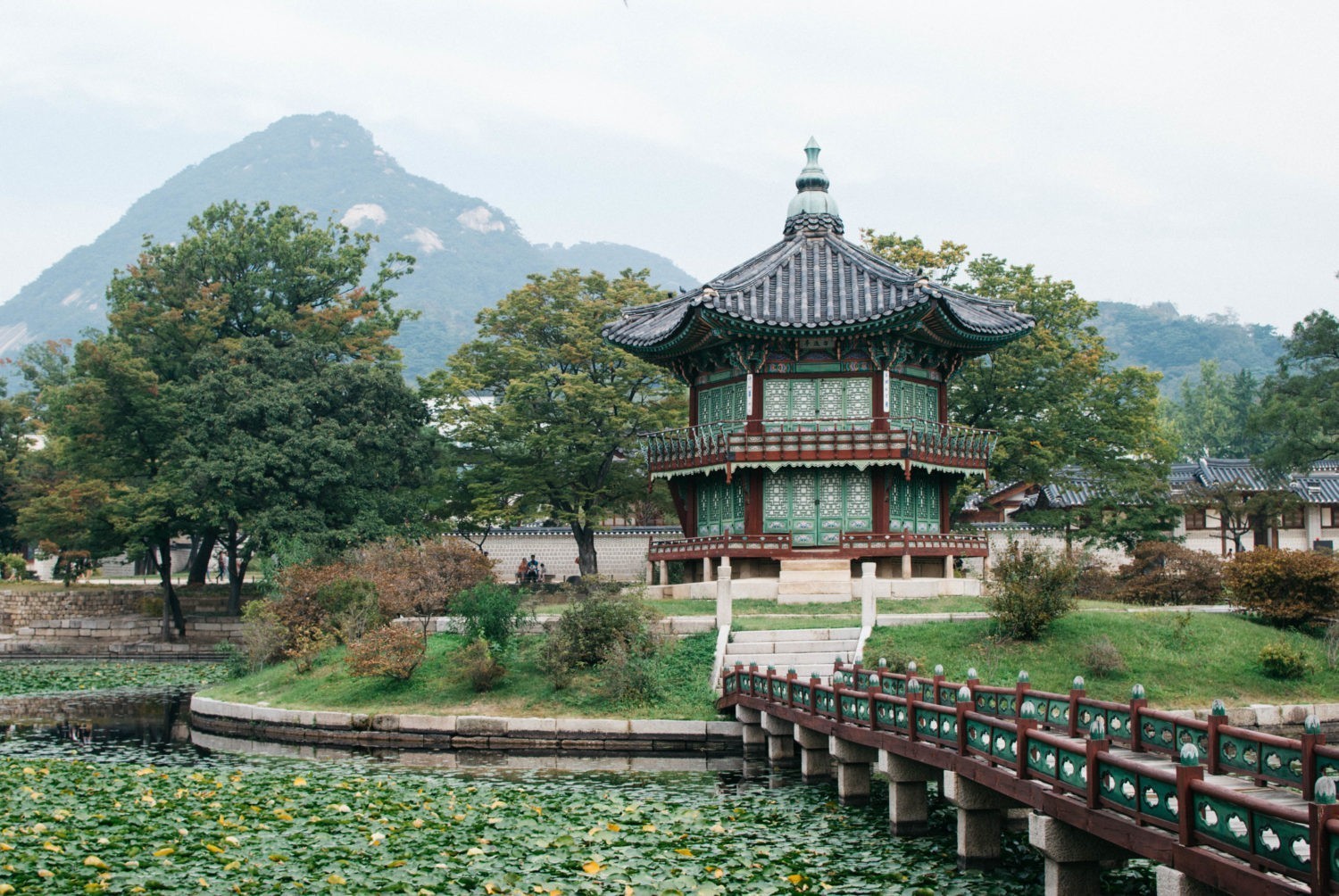
| Culture & History | Ancient traditions, serene temples, intricate rituals, and modern pop culture. A respectful blend of past and future. | Dynamic mix of ancient palaces, Confucian traditions, K-Pop, and cutting-edge digital art. A rapid evolution from past to present. | Japan |
| Costs & Budget | Generally higher cost of living, especially for transport and accommodation. Food can be budget-friendly if you stick to local spots. | More budget-friendly across the board, from food to transport and accommodation. Good value for money. | Korea |
| Getting Around | Highly efficient, extensive, and punctual public transport. Shinkansen (bullet trains) connect major cities seamlessly. | Modern, clean, and efficient subway systems in major cities. KTX high-speed trains connect the country swiftly. | Japan |
| Accommodation | Diverse options from traditional ryokans to modern capsule hotels. Generally compact but highly efficient and clean. | Modern hotels, guesthouses, and a growing number of unique hanok stays. Can find good value for larger rooms. | Tie |
| Nightlife & Entertainment | Diverse nightlife, from neon-lit Shibuya and Shinjuku Golden Gai to sophisticated jazz clubs and themed bars. | Chaotic and energetic, centered around K-Pop, trendy clubs, pojangmachas (street food tents), and karaoke (noraebang). | Korea |
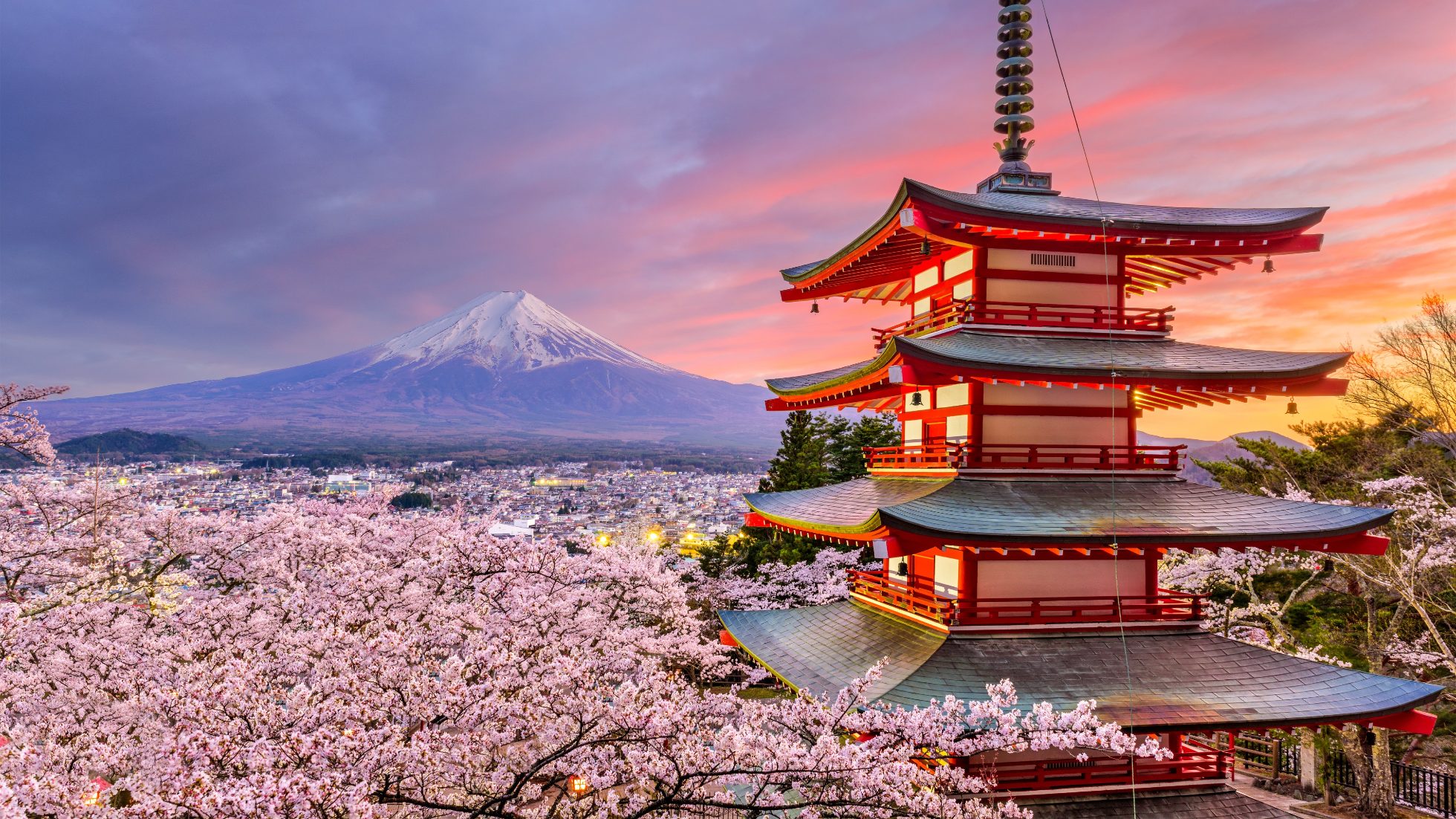
| Nature & Scenery | Iconic Mt. Fuji, diverse national parks, excellent coastal views, and seasonal beauty like cherry blossoms and autumn leaves. | Dramatic mountainous landscapes, volcanic islands (Jeju), national parks, and beautiful coastlines. | Japan |
| Shopping | Fashion-forward districts, electronics hubs, traditional crafts, and unique souvenirs. From luxury to quirky. | Trendy fashion, K-beauty, electronics, and unique K-Pop merchandise. Excellent value for money in many categories. | Korea |
| Safety & Solo Travel | Extremely safe, low crime rates, and respectful culture. Ideal for solo travelers, including women. | Very safe, low crime rates, and welcoming to solo travelers. Public transport is excellent and reliable. | Japan |
| Getting There (Flights) | Numerous direct flights from major global hubs. Major airports are well-connected to city centers. | Excellent flight connectivity, often slightly cheaper than Japan. Incheon Airport is top-tier. | Korea |
🍜 Food & Dining
Japan's food scene is legendary, offering an unparalleled range of experiences. You can savor a Michelin-starred sushi omakase for ¥20,000-50,000 ($135-340) or grab a fantastic bowl of ramen at Ichiran for ¥1,000 ($7). Izakayas provide a lively atmosphere with small plates starting from ¥500 ($3.40). Don't miss the fresh seafood at Tsukiji Outer Market or the unique desserts in Harajuku. Even convenience store food is a cut above. Korea counters with its loud street food (tteokbokki for ₩5,000 / $3.75), hearty Korean BBQ (samgyeopsal for ₩15,000-25,000 / $11-19 per person), and comforting stews. While incredible, it's generally less diverse in terms of global cuisines and often centers around spicy, robust flavors. Eating out in Korea can be slightly cheaper for a full meal, but Japan’s sheer variety and consistent quality, even in budget options, are hard to beat. "Honestly, nothing beats Japanese food for me. Every single meal, from a Lawson's onigiri to a fancy kaiseki, was just perfect. Korea was great too, but Japan wins on variety and refinement for sure."
Winner takeaway
- Winner: Japan
- Why: Japan offers an unmatched depth and breadth of culinary experiences, from casual to fine dining, with meticulous quality control.
- Who this matters for: Foodies and those who prioritize high-quality, diverse dining experiences.
🏯 Culture & History
Japan’s cultural tapestry is incredibly rich and deeply rooted, offering a profound sense of continuity. Visiting Kyoto’s Fushimi Inari Shrine or Kiyomizu-dera Temple provides a wide-open connection to ancient Japan, often with entry fees around ¥400-600 ($2.70-4). Tokyo’s Imperial Palace East Garden, free to enter, shows a grand historical legacy. Traditional arts like tea ceremony (¥3,000-5,000 / $20-34) and sumo wrestling (tickets from ¥3,800 / $26) offer immersive experiences. Korea, while boasting gorgeous historical sites like Gyeongbokgung Palace (₩3,000 / $2.25) and Bukchon Hanok Village, often feels like its traditional elements are presented more as tourist attractions rather than deeply integrated into daily life to the same extent as in Japan. The DMZ tour (₩50,000-80,000 / $37-60) is a unique historical experience, but outside of these, modern K-culture dominates. Japan's cultural depth, from its politeness to its unique festivals, feels more pervasive and truly 'lived'. "Japan just feels like it breathes history and tradition in a way Korea doesn't anymore, outside of the palaces. You can just walk into any neighborhood temple in Kyoto and feel centuries of history."
Winner takeaway
- Winner: Japan
- Why: Japan's cultural practices and historical sites feel more deeply integrated into daily life, offering a more profound and accessible sense of tradition.
- Who this matters for: History buffs, those seeking deep cultural immersion, and travelers interested in traditional arts.
💰 Costs & Budget
When it comes to stretching your travel dollar, Korea typically comes out ahead. A budget hotel in Seoul might cost ₩70,000-120,000 ($50-90) per night, while a comparable stay in Tokyo would be ¥8,000-15,000 ($55-100+). Local meals in Korea are often around ₩8,000-20,000 ($6-15), whereas in Japan, while budget options exist (like ramen), many meals easily push past ¥1,500 ($10). Transportation in Korea is excellent value; a T-Money card ride on the subway is about ₩1,250 ($0.95), while a single Tokyo Metro ride is ¥170-300 ($1.15-2). The iconic Japan Rail Pass, while convenient, is a significant upfront cost (7-day pass ~¥30,000 / $200 before recent price hikes). Shopping and nightlife also tend to be more affordable in Korea, especially for fashion and cosmetics. For a comfortable mid-range trip, expect to spend $120-250+ per day in Japan vs. $90-180+ in Korea. "Korea was definitely cheaper for daily expenses. I could eat out, grab coffees, and get around without feeling like I was constantly bleeding money, unlike Japan where train fares really added up."
Winner takeaway
- Winner: Korea
- Why: Korea offers a more budget-friendly travel experience across accommodation, food, and transportation, providing better value for money.
- Who this matters for: Budget-conscious travelers, backpackers, and those wanting to extend their trip length.
🚆 Getting Around
Japan's public transportation network is world-renowned for its efficiency, punctuality, and sheer coverage. The Shinkansen bullet train is an icon, connecting Tokyo to Kyoto in about 2.5 hours for roughly ¥13,000 ($90). Within cities, the JR lines and extensive subway networks (Tokyo Metro, Osaka Metro) are incredibly easy to navigate, with fares starting around ¥170 ($1.15). English signage is ubiquitous, and apps like Google Maps are highly reliable. The Japan Rail Pass, while now pricier, still offers excellent value for multi-city trips. Korea's transportation is also excellent, especially Seoul's subway system, which is modern and efficient, with rides costing around ₩1,250 ($0.95) using a T-Money card. The KTX high-speed rail links Seoul to Busan in about 2.5 hours for roughly ₩60,000 ($45). However, Japan's network feels slightly more integrated and offers a wider range of regional passes and options, making multi-region travel slightly smoother. The sheer scale and reliability of the Japanese system, especially the Shinkansen experience, gives it the edge. "Japan's trains are just another level. Never a minute late, always spotless, and the Shinkansen ride itself is an experience. Korea's good, but Japan is just next-level efficient."
Winner takeaway
- Winner: Japan
- Why: Japan boasts an unparalleled public transport system with superior punctuality, coverage, and the iconic Shinkansen experience.
- Who this matters for: Travelers prioritizing efficiency, comfort, and seamless multi-city travel.
🏨 Accommodation
Both Japan and Korea offer a wide array of accommodation, catering to different budgets and styles, making this a tough call. In Japan, you'll find everything from budget-friendly capsule hotels (¥3,000-5,000 / $20-34) and business hotels like APA or Toyoko Inn (¥8,000-15,000 / $55-100), to luxurious ryokans with onsen (¥20,000-50,000+ / $135-340+ per person). Rooms can be small but are always impeccably clean and efficiently designed. Korea also provides a great selection, from hostels (₩25,000-40,000 / $19-30) and mid-range hotels (₩70,000-120,000 / $50-90) to boutique options and unique hanok (traditional Korean house) stays in areas like Bukchon, which can range from ₩100,000-300,000 ($75-225). Korea often offers slightly more spacious rooms for the same price point, especially outside of Seoul's core. However, Japan’s unique offerings like ryokans, capsule hotels, and love hotels provide a distinctly Japanese experience that is hard to replicate. The 'tie' comes from Japan's unique experiences vs. Korea's generally better value for space. "I loved the capsule hotel experience in Tokyo, it felt so uniquely Japanese. But then I got a super spacious and modern hotel room in Busan for half the price, so it's really hard to pick a winner there."
Winner takeaway
- Winner: Tie
- Why: Both offer excellent, diverse options; Japan excels in unique experiences (ryokans, capsules), while Korea often provides better value for room size.
- Who this matters for: Depends on preference: unique experiences vs. spaciousness for value.
🌃 Nightlife & Entertainment
Korea's nightlife is arguably more accessible and generally more energetic, especially in Seoul. Areas like Hongdae and Gangnam are packed with clubs where entrance fees might be ₩10,000-30,000 ($7.50-22) (often including a drink), lively bars, and ubiquitous noraebangs (karaoke rooms) that are a staple of Korean social life, costing around ₩10,000-20,000 ($7.50-15) per hour. The street food tents (pojangmachas) offer a fantastic late-night dining and drinking experience. Japan’s nightlife in Tokyo is also top-tier, from the high-energy Shibuya Crossing and izakayas to the tiny, atmospheric bars of Shinjuku Golden Gai, where a drink might cost ¥800-1,500 ($5.50-10). Osaka's Dotonbori offers a similar packed scene. However, Japanese clubs can be pricier and sometimes less foreigner-friendly without a local guide, and the overall vibe can feel more segmented. Korea's nightlife feels more inclusive and geared towards spontaneous fun, often going on until the early morning hours, particularly in university districts. "Korean nightlife is just wild! Hongdae never sleeps, and going to a noraebang with friends after dinner is just the best. Japan has cool bars, but Korea feels more party-focused and easier to jump into."
Winner takeaway
- Winner: Korea
- Why: Korea offers a more energetic, accessible, and inclusive nightlife scene with a strong emphasis on social activities like noraebang and street food.
- Who this matters for: Younger travelers, party-goers, and those seeking lively, social evening experiences.
🏞️ Nature & Scenery
Japan’s natural landscapes are incredibly diverse and often intertwined with its culture. The iconic Mount Fuji, visible from many parts of Honshu, is a national symbol. Destinations like Hakone offer striking views of Fuji, serene lakes (Lake Ashi cruises ~¥1,000 / $7), and onsen experiences. Hokkaido provides vast, rugged wilderness in the north, while Okinawa boasts beautiful sub-tropical beaches. Seasonal beauty, particularly cherry blossoms in spring (late March-early April) and neon-lit autumn leaves (Oct-Nov), draws millions. National parks like Nikko offer sharp waterfalls and ancient shrines. Korea, while predominantly mountainous and beautiful, with fantastic hiking in Bukhansan National Park (near Seoul, free entry) and Seoraksan National Park, and the unique volcanic landscapes of Jeju Island (entry to Seongsan Ilchulbong Peak ~₩5,000 / $3.75), doesn't quite match the sheer variety and iconic status of Japan's natural wonders. The dramatic coasts and autumn colors are beautiful, but Japan's range from sub-tropical islands to alpine regions and famous scenic spots feels more comprehensive. "Japan’s nature is just *chef's kiss*. From seeing Fuji-san to the bamboo groves in Arashiyama, and especially the fall colors in Kyoto, it's just impressive. Korea has great hiking, but Japan has more iconic, diverse natural beauty."
Winner takeaway
- Winner: Japan
- Why: Japan offers a more iconic, diverse, and well-integrated range of natural landscapes, from volcanic peaks to tropical beaches and striking seasonal displays.
- Who this matters for: Nature lovers, hikers, photographers, and those seeking iconic scenic views.
🛍️ Shopping
Korea is a strong contender for shopping, especially for fashion, cosmetics, and K-Pop merchandise. Myeongdong is a packed hub for K-beauty, with countless shops offering deals and free samples (a face mask pack can be ₩10,000-20,000 / $7.50-15). Dongdaemun Design Plaza hosts massive fashion malls, often open late, where clothing prices are generally more affordable than in Japan. Hongdae caters to a younger crowd with trendy, unique items. Japan, however, offers a different kind of shopping experience. Tokyo's Ginza is for luxury, Shinjuku for department stores, and Akihabara for electronics (a new gadget can cost tens of thousands of yen). Harajuku offers quirky street fashion, and Shibuya is home to iconic department stores like Shibuya 109. While Japan excels in high-quality electronics, unique traditional crafts (e.g., ceramics from Kyoto), and specific subculture items, Korea offers better overall value and trendiness, particularly in fast fashion and cosmetics, which are highly popular among travelers. "I spent way too much money in Korea on clothes and K-beauty stuff, it's just so good and reasonably priced compared to back home. Japan had cool unique stuff, but Korea was a shopping paradise for me."
Winner takeaway
- Winner: Korea
- Why: Korea offers exceptional value and trendiness in fashion and K-beauty products, making it a more accessible and rewarding shopping destination for many travelers.
- Who this matters for: Fashionistas, K-beauty enthusiasts, and those looking for trendy, affordable items.
🚨 Safety & Solo Travel
Both Japan and Korea are among the safest countries in the world, making them excellent choices for solo travelers, especially women. Japan's crime rates are incredibly low, and public order is exceptional. You can leave your belongings unattended in a cafe for a few minutes and expect them to be there when you return. Public transportation is safe at all hours, and people are generally very helpful, even with language barriers. Solo dining is common and well-catered for, with many restaurants offering counter seats. Korea is also remarkably safe, with low crime rates and an efficient public transport system that operates smoothly. Seoul's streets are often noisy even late at night, contributing to a sense of security. While both are outstanding in safety, Japan edges out slightly due to its unique culture of extreme honesty (e.g., returning lost items with cash still inside) and its almost non-existent petty crime, which instills an unparalleled sense of ease. For solo female travelers, both are top-tier, but Japan’s cultural emphasis on quiet respect and order sometimes feels just a hair more reassuring. "Honestly, both are incredibly safe. I never once felt uncomfortable walking around alone late at night in either Tokyo or Seoul. But Japan just has this extra layer of 'nothing bad ever happens here' vibe that's hard to beat."
Winner takeaway
- Winner: Japan
- Why: Japan maintains an exceptionally low crime rate and a culture of extreme honesty and public order, providing an unparalleled sense of safety and ease.
- Who this matters for: Solo travelers (especially women), families, and anyone prioritizing peace of mind.
✈️ Getting There (Flights)
For many travelers, getting to Korea can be marginally cheaper, making it a winner in this category. Direct flights from major North American cities like Los Angeles (LAX) to Seoul (ICN) often start from $550-1100, with a flight time of around 10-11 hours. From New York (JFK/EWR) to Seoul, prices typically range from $700-1300, taking about 14-15 hours. Major carriers like Korean Air and Asiana Airlines offer competitive routes. Japan also has excellent connectivity, with flights from LAX to Tokyo (NRT/HND) starting from $600-1200 (10-11 hrs) and from New York to Tokyo starting from $800-1500 (14-15 hrs). While prices can fluctuate wildly, a general trend shows Seoul often being slightly more affordable for international long-haul flights. Incheon International Airport (ICN) in Seoul is consistently ranked as one of the best airports globally, offering an incredibly smooth and efficient arrival/departure experience, with seamless connections to the city center via AREX (~₩9,500 / $7). Both countries have excellent airport infrastructure, but the slight price advantage and the highly-rated ICN airport tilt the scale towards Korea for initial entry. "I usually find flights to Seoul a bit cheaper than Tokyo, especially if I book a few months out. And Incheon Airport is just a dream, so easy to get through and into the city."
Winner takeaway
- Winner: Korea
- Why: Flights to Korea are often slightly more affordable from international hubs, and Incheon Airport provides an exceptionally smooth traveler experience.
- Who this matters for: Budget-conscious travelers and those prioritizing overall trip cost savings.
🎯 The Decision Framework
Choose Japan If…
- You prioritize highly efficient, on-time public transport like the Shinkansen.
- You want to explore ancient temples, serene gardens, and traditional castles.
- You seek diverse culinary experiences, from Michelin-starred dining to street ramen and sushi.
- You appreciate a travel environment with extremely low crime rates, even for solo travelers.
- You dream of seeing cherry blossoms in spring or vibrant autumn foliage in diverse landscapes.
- You desire a seamless travel experience with highly organized services and clear signage.
- You're interested in traditional arts like tea ceremonies, geisha performances, or samurai history.
- You want to hike volcanic landscapes or relax in natural hot springs (onsen).
Choose Korea If…
- You're looking for a slightly more budget-friendly daily spend, around $90-180+.
- You want to experience K-Pop concerts, modern cafes, and lively club scenes.
- You plan on extensive shopping for K-beauty products, fashion, and electronics.
- You prefer a destination with generally more accessible and often cheaper flights.
- You're eager to try trending street food and unique cafe concepts.
- You want to immerse yourself in cutting-edge technology and digital experiences.
- You enjoy exploring vibrant urban districts like Myeongdong or Hongdae late into the night.
- You prefer a travel experience focused on contemporary culture and rapid innovation.
❓ Frequently Asked Questions
Which country is better for a first-time solo female traveler?
Both Japan and Korea are incredibly safe and welcoming for solo female travelers. Japan might edge out slightly due to its exceptionally low petty crime rates and respectful culture, offering an unparalleled sense of peace. However, Korea's excellent public transport and packed, well-lit streets also provide a very comfortable solo travel experience.
Is English widely spoken in Japan or Korea?
While major tourist areas, transport hubs, and some younger generations will have English speakers in both countries, English proficiency is generally not widespread. Japan has better English signage, especially on public transport. In Korea, translation apps are very helpful, and younger people in Seoul are often more comfortable speaking English.
What's the best time of year to visit both countries?
Spring (late March to early May) for cherry blossoms or Autumn (late September to November) for colorful foliage are ideal for both. Temperatures are mild and pleasant. Summers can be hot and humid, especially with typhoon season in late summer/early autumn. Winters are cold, particularly in the mountainous regions of Korea.
Can I use my credit card everywhere or do I need cash?
In Japan, while credit cards are becoming more accepted, cash is still king, especially at smaller restaurants, shops, and guesthouses. Always carry some Yen. In Korea, credit cards are widely accepted almost everywhere, from street food stalls to major department stores. Cash is less essential but still useful for very small purchases.
How long should I plan for a trip to each country?
For a good introduction to either country, plan at least 7-10 days. This allows you to explore one major city and perhaps one or two surrounding regions. If you want to dive deeper into both urban and rural areas, 2-3 weeks for each country is ideal.
Which country is better for K-Pop fans?
Korea, specifically Seoul, is the undisputed winner for K-Pop fans. You can visit entertainment agency buildings, attend music shows, buy official merchandise (e.g., in Myeongdong or Hongdae), and immerse yourself in the loud K-Pop culture that permeates the city. Japan has a strong J-Pop scene, but K-Pop's roots are firmly in Korea.
What are some unique experiences I can have in each?
In Japan, experience a traditional ryokan stay with an onsen, participate in a tea ceremony, or witness a sumo wrestling match. In Korea, try on a Hanbok at a palace, explore the DMZ for a poignant historical experience, or sing your heart out in a noraebang (karaoke room) with friends.
Is it easy to travel between Japan and Korea?
Yes, it's very easy! There are frequent short-haul flights between major cities like Tokyo/Osaka and Seoul/Busan, taking only about 1.5-2 hours. Ferry services also connect some ports like Fukuoka (Japan) to Busan (Korea), offering a scenic and often more budget-friendly option, usually taking around 3-4 hours.
💰 Daily Cost Breakdown
| Expense | Japan | Korea |
|---|---|---|
| Hostel dorm | ¥3000-6000 | ¥25000-45000 |
| Budget hotel | ¥8000-15000 | ¥60000-120000 |
| Street food meal | ¥500-1000 | ¥5000-10000 |
| Restaurant meal | ¥1200-3000 | ¥15000-35000 |
| Beer/drink | ¥400-800 | ¥4000-8000 |
| Local transport (day) | ¥700-1500 | ¥3000-6000 |
| Daily budget total | ¥7000-15000 | ¥60000-120000 |
Approximate daily costs for 2026. Actual prices vary by season and travel style.
🌤️ Monthly Weather Comparison
| Month | Japan Temp | Japan Rain | Korea Temp | Korea Rain |
|---|---|---|---|---|
| Jan | 9°C/48°F | 50mm | 2°C/36°F | 20mm |
| Feb | 10°C/50°F | 60mm | 5°C/41°F | 25mm |
| Mar | 13°C/55°F | 110mm | 11°C/52°F | 45mm |
| Apr | 19°C/66°F | 120mm | 18°C/64°F | 65mm |
| May | 23°C/73°F | 120mm | 23°C/73°F | 90mm |
| Jun | 26°C/79°F | 170mm | 27°C/81°F | 125mm |
| Jul | 30°C/86°F | 160mm | 29°C/84°F | 330mm |
| Aug | 31°C/88°F | 150mm | 30°C/86°F | 360mm |
| Sep | 27°C/81°F | 210mm | 26°C/79°F | 150mm |
| Oct | 22°C/72°F | 190mm | 19°C/66°F | 50mm |
| Nov | 16°C/61°F | 80mm | 12°C/54°F | 45mm |
| Dec | 12°C/54°F | 50mm | 4°C/39°F | 25mm |
Average monthly high temperatures and rainfall based on historical climate data.
📅 Sample Itineraries
Weekend in Japan (3 Days)
💡 Three days gives you a great taste of Japan. Check out our Japan guide.
Weekend in Korea (3 Days)
💡 Three days gives you a great taste of Korea. Check out our Mapo Gu Korean Bbq guide.
Week in Japan (7 Days)
💡 A full week gives you a great taste of Japan. Check out our Japan guide.
Week in Korea (7 Days)
💡 A full week gives you a great taste of Korea. Check out our Mapo Gu Korean Bbq guide.
Ready to plan your East Asia trip?
Get a free custom itinerary for Japan, Korea, or both — built from real traveler insights.
🎟️ Book Tours & Experiences
Hand-picked tours and activities for both destinations — book with free cancellation
Experiences via Viator — free cancellation on most tours