How we built this comparison
This page combines traveler discussion patterns, published price ranges, flight schedules, and seasonal data to help you decide between Italy and Portugal.
- Reviewed 100+ Reddit threads from r/travel, r/solotravel, r/ItalyTravel, r/Portugal, and r/digitalnomad.
- Verified costs and logistics against current booking platforms (Booking.com, Skyscanner, Google Flights) in early 2024.
- Cross-referenced seasonal patterns, weather data, and local event calendars for optimal travel timing.
⚡ The TL;DR Verdict
Portugal is your go-to for a more budget-friendly, relaxed, and visually excellent coastal adventure, ideal for solo travelers or couples seeking value and loud culture, typically €70-150 ($75-165) per day. Italy, while pricier, delivers unparalleled historical depth, diverse regional cuisines, and iconic art, perfect for history buffs, foodies, and those seeking a grander, more luxurious experience, budgeting €120-250+ ($130-275+) daily.
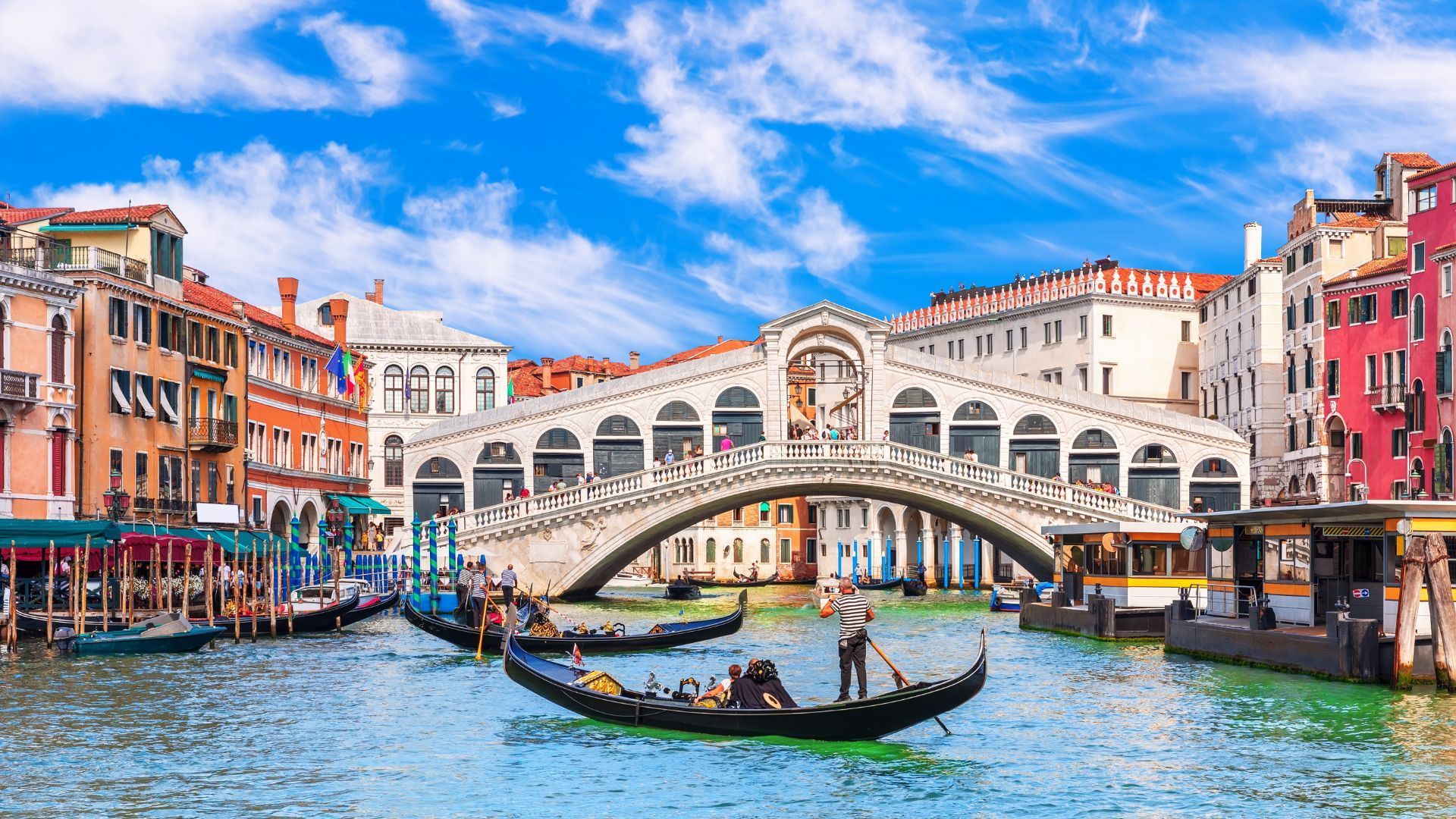
- Choose Italy: You're a history and art fanatic, a dedicated foodie seeking regional culinary masterpieces, or you dream of iconic landscapes like the Tuscan hills and Amalfi Coast, willing to pay a premium for world-renowned experiences.
- Choose Portugal: You're on a tighter budget but still crave beautiful beaches, charming cities, delicious food, and a more laid-back, surf-friendly atmosphere, especially if you love Fado music and exploring medieval towns.
- Choose Both: If you have at least 3-4 weeks and want to experience the best of both worlds without rushing. Start with Portugal for its affordability and coastal charm, then move to Italy for its historical grandeur and culinary diversity, perhaps flying Lisbon to Rome or Milan.
Choose Italy
Opt for Italy if your dream vacation involves savoring among the best art in Florence's Uffizi, exploring ancient Roman forums, or indulging in a luxurious Tuscan wine tour. It's perfect for history enthusiasts, dedicated foodies seeking regional delicacies like Neapolitan pizza, and travelers ready to splurge on unparalleled cultural immersion and iconic scenery.
Choose Portugal
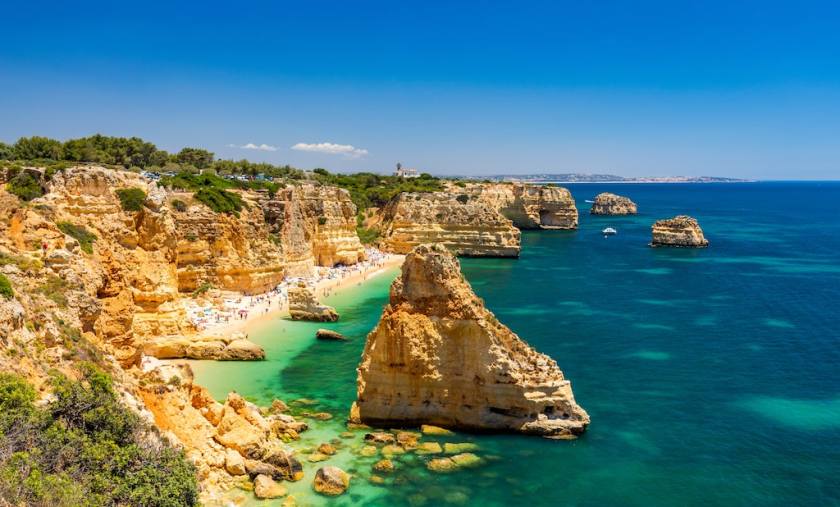
Select Portugal for an appealing escape that won't break the bank, perfect for budget-conscious solo travelers or couples. Explore the charming Alfama district in Lisbon, relax on striking Algarve beaches, or enjoy a Port wine tasting in Porto, all while soaking in a laid-back atmosphere. It's ideal for those seeking loud culture, delicious seafood, and a mix of city exploration with coastal relaxation.
Quick Comparison
| Category | Italy | Portugal | Winner |
|---|---|---|---|
| Costs & Budget | Generally more expensive, especially in major cities like Rome, Florence, and Venice. Accommodation and popular attractions drive up costs. | Significantly more budget-friendly, offering great value for accommodation, food, and transport across the board, even in Lisbon and Porto. | Portugal |
| Food & Wine | World-renowned for regional pasta, pizza, gelato, seafood, and diverse wines. Each region has unique specialties. | Delicious, hearty cuisine with an emphasis on fresh seafood, grilled meats, pastries (Pastel de Nata!), and excellent, affordable wines. | Italy |
| Culture & History | Ancient Roman ruins, Renaissance art, Baroque architecture, Vatican City, and a deep, rich history spanning millennia. | Moorish influences, Age of Discovery heritage, impressive medieval castles, Fado music, and lively tiled architecture. | Italy |
| Beaches & Coastlines | Sharp but often rocky coasts (Amalfi, Cinque Terre), beautiful islands (Sardinia, Sicily) with white sands and clear waters. | Diverse and spectacular beaches, from the dramatic cliffs of the Algarve to the vast surfing sands near Lisbon and the wilder Atlantic coast. | Portugal |
| Getting Around | Extensive, efficient train network connecting major cities. Public transport within cities is good, but driving in rural areas can be challenging. | Reliable and affordable train and bus networks. Driving is easier, especially outside major cities. Lisbon's metro is excellent. | Portugal |
| Accommodation | Wide range from luxury hotels to charming B&Bs, but generally pricier, especially in popular tourist areas. | Excellent value for money across all categories, from boutique hotels to guesthouses and Airbnbs. Hostels are plentiful and high-quality. | Portugal |
| Nightlife | Lively bar scenes, especially in Rome and Milan. Aperitivo culture is a unique Italian experience. | Energetic and late-night scenes in Lisbon (Bairro Alto) and Porto (Ribeira), with Fado houses and packed bars. | Portugal |
| Nature & Landscapes | Diverse landscapes from the Dolomites mountains to Tuscan rolling hills, volcanic Sicily, and the dramatic Amalfi Coast. | Impressive coastal cliffs, rolling vineyards of the Douro Valley, verdant national parks, and unique grottoes. | Tie |
| Safety | Generally safe, but petty crime (pickpocketing) is common in crowded tourist areas of major cities. | One of the safest countries in Europe, with low crime rates. Petty crime is still a concern in tourist hotspots. | Portugal |
| Solo Travel | Rewarding but can be more expensive and sometimes challenging for meeting others due to less prevalent hostel culture outside major cities. | Excellent for solo travelers due to safety, affordability, friendly locals, and a strong hostel scene for meeting people. | Portugal |
💰 Costs & Budget
When it comes to stretching your Euro, Portugal is the undisputed champion. A decent meal in Lisbon or Porto can easily be found for €10-15 ($11-16), including a drink, whereas in Rome or Florence, you're looking at €18-25 ($20-27) for a similar sit-down meal. Accommodation is where the difference truly shines: a charming guesthouse in Portugal might cost €60-90 ($65-100) per night, while a comparable room in Italy's popular cities often starts at €120-180 ($130-195). Transport, too, leans cheaper in Portugal; a train from Lisbon to Porto is around €25-35 ($27-38), while a Frecciarossa from Rome to Florence can easily hit €40-60 ($43-65). 'We did Portugal for two weeks for what we would've spent in Italy for one, and we didn't even try to budget hard.' This cost-effectiveness allows for a longer, more relaxed trip in Portugal without breaking the bank, making it ideal for budget-conscious travelers or digital nomads.
Winner takeaway
- Winner: Portugal
- Why: Portugal offers significantly better value across all major spending categories, from dining to accommodation and transport.
- Who this matters for: Budget-conscious travelers, backpackers, solo travelers, and digital nomads.
🍝 Food & Wine
Italy's culinary scene is globally celebrated, and for good reason. From the rich pasta dishes of Bologna (like Tagliatelle al Ragù for €15-20) to the authentic Neapolitan pizza (a Margherita for €8-12) and the fresh seafood along the Amalfi Coast, every region offers a distinct gastronomic journey. Pair that with exceptional wines from Tuscany's Chianti region or Piedmont's Barolo, and you have a foodie's paradise. Portugal, however, holds its own with fantastic fresh seafood, robust grilled meats, and iconic pastries like the Pastel de Nata (around €1.20). Bacalhau à Brás (codfish dish) for €12-18 is a must-try. Portuguese wines, especially Vinho Verde and Port wine from the Douro Valley, are delicious and incredibly affordable. 'Italy just has that sheer variety and sophistication that's hard to beat, even though Portuguese seafood blew me away.' While Portugal is fantastic for seafood lovers and dessert enthusiasts, Italy's sheer breadth, historical depth, and global influence in its diverse regional cuisines give it the edge for overall food and wine experiences.
Winner takeaway
- Winner: Italy
- Why: Italy's culinary diversity, global reputation, and regional specialties offer an unparalleled gastronomic adventure.
- Who this matters for: Serious foodies, wine connoisseurs, and anyone seeking iconic culinary experiences.
🏛️ Culture & History
Italy is a living museum. From the Colosseum and Roman Forum in Rome (€18-25 entrance) to the Uffizi Gallery in Florence (€25-30) and the ancient ruins of Pompeii (€18), its historical and artistic contributions are unmatched. The Renaissance, the Roman Empire, the Vatican City – Italy offers an overwhelming density of world-heritage sites and iconic art. Portugal, while rich in its own history, particularly from the Age of Discovery and its Moorish past, presents a different flavor. Sintra's Pena Palace (€14) and Jerónimos Monastery in Lisbon (€10) are magnificent, and the melancholic Fado music (€15-30 for a show) offers a profound cultural experience. 'Italy's history just feels more monumental, like you're stepping back in time around every corner.' While Portugal's history is captivating and unique, particularly its maritime legacy and Moorish heritage, Italy's sheer volume, global impact, and iconic status in art, architecture, and ancient civilizations make it the clear winner for culture and history buffs.
Winner takeaway
- Winner: Italy
- Why: Italy boasts an unparalleled concentration of world-famous historical sites, art, and ancient civilizations.
- Who this matters for: History buffs, art lovers, classicists, and those fascinated by ancient empires.
🏖️ Beaches & Coastlines
Portugal's coastline is incredibly diverse and generally more accessible for beach lovers. The Algarve region, with its golden cliffs, hidden coves like Praia da Marinha, and turquoise waters, is internationally recognized. You can easily find striking, less crowded spots, and enjoy activities like surfing in places like Nazaré or Ericeira. Renting a sunbed and umbrella in the Algarve might cost €15-25 for a day. Italy has its own spectacular beaches, especially on Sardinia (Cala Gonone) and Sicily, which boast incredible white sands and clear waters. However, its most famous coastal areas, like the Amalfi Coast and Cinque Terre, are often more about dramatic cliffside villages and picturesque views than expansive, easy-access sandy beaches. 'For pure, diverse beach days and surfing, Portugal is miles ahead. Italy's coasts are beautiful, but more for views than swimming.' While Italy has beautiful islands, Portugal's mainland coastline offers a greater variety of easily accessible, gorgeous beaches perfect for relaxation, water sports, and dramatic scenery, giving it the edge.
Winner takeaway
- Winner: Portugal
- Why: Portugal offers more diverse, accessible, and generally superior beaches, from dramatic cliffs to surf-ready sands.
- Who this matters for: Beach lovers, surfers, sun-seekers, and those prioritizing coastal relaxation and water activities.
🚆 Getting Around
Both countries have good public transport, but Portugal offers a slightly smoother and more budget-friendly experience. Portugal's train network (CP - Comboios de Portugal) is efficient, connecting major cities like Lisbon, Porto, and Faro with intercity trains costing €25-40 ($27-43). Buses are also a reliable and cheaper alternative. Renting a small car for road trips in the Algarve or Douro Valley is very manageable, often around €25-40 ($27-43) per day. Italy's high-speed rail (Trenitalia, Italo) is excellent for intercity travel (Rome-Florence €30-60), but tickets can be expensive if not booked in advance. Driving in Italy, especially in the south or historic city centers with ZTLs (limited traffic zones), can be a nightmare for tourists. 'Driving in Portugal was a breeze compared to trying to navigate Tuscan backroads, and parking was actually affordable.' While Italy's trains are top-notch, Portugal's overall ease of navigation, cheaper public transport, and more straightforward driving conditions make it slightly more traveler-friendly.
Winner takeaway
- Winner: Portugal
- Why: Portugal offers more affordable and less stressful intercity transport, including easier car rental and driving conditions.
- Who this matters for: Travelers planning road trips, budget travelers, and those who prefer ease of navigation.
🏨 Accommodation
Portugal is a clear winner for accommodation value. In Lisbon or Porto, you can find stylish boutique hotels or well-located guesthouses for €80-120 ($87-130) per night. Hostels are incredibly well-regarded, with clean, modern dorms often available for €20-35 ($22-38). Even charming Airbnbs in historic neighborhoods offer great value. Italy certainly has incredible accommodation options, from luxurious villas in Tuscany to iconic hotels in Venice, but the price point is significantly higher. A comparable mid-range hotel in Florence or Venice will easily set you back €150-250 ($163-270) per night, often for smaller rooms. Budget hostels in Italy tend to be pricier and less consistently modern than in Portugal. 'We got a gorgeous apartment in Alfama for the same price as a tiny, basic hotel room outside Rome's center.' For travelers seeking comfort, style, and great locations without breaking the bank, Portugal offers consistently better options.
Winner takeaway
- Winner: Portugal
- Why: Portugal consistently offers superior value for money across all accommodation types, with higher quality for lower prices.
- Who this matters for: Budget-conscious travelers, backpackers, and those seeking good value without sacrificing quality.
🎉 Nightlife
Portugal's nightlife, particularly in Lisbon, is legendary for its energy and late hours. The Bairro Alto district in Lisbon comes alive after 10 PM, with people spilling out of countless small bars onto the streets, drinks in hand, often for just €3-5 ($3.25-5.50) for a beer or glass of wine. Porto also has a colorful scene along the Ribeira. Beyond the bars, Fado houses offer a unique and moving cultural experience that often stretches late into the night. Italy has a strong nightlife, particularly in larger cities like Rome (Trastevere) and Milan, with fashionable clubs and lively bars. The 'aperitivo' tradition, where you get free snacks with your drink (€8-15) before dinner, is a delightful Italian touch. However, Italian nightlife often starts later and can be more spread out. 'Lisbon's Bairro Alto was insane, bars everywhere and everyone just hanging out on the streets till 4 AM. Italy's good but felt a bit more contained.' For sheer vibrancy, affordability, and the unique combination of traditional Fado with modern bar scenes, Portugal edges out Italy.
Winner takeaway
- Winner: Portugal
- Why: Portugal offers a more consistently chaotic, concentrated, and affordable nightlife experience, especially in Lisbon and Porto.
- Who this matters for: Young travelers, party-goers, and those who enjoy late-night social scenes and live music.
🏞️ Nature & Landscapes
Both countries are absolute stunners when it comes to natural beauty, just with different flavors. Italy boasts the majestic, jagged peaks of the Dolomites for hiking and skiing, the iconic rolling cypress-lined hills of Tuscany, the dramatic, colorful cliffs of the Amalfi Coast, and the volcanic landscapes of Sicily with Mount Etna. Each region feels distinct and wide-open. Portugal counters with the mind-blowing, dramatic sea caves and golden cliffs of the Algarve (like the Benagil Cave), the sweeping, terraced vineyards of the Douro Valley, which are a UNESCO site, and the lush, green Parque Nacional da Peneda-Gerês in the north. 'Italy's mountains and Tuscan views are postcard perfect, but Portugal's coastal drama and the Douro just hit different.' Italy's landscapes often feel grander and more varied in extremes, from snow-capped mountains to Mediterranean islands, while Portugal's are more concentrated on spectacular coastlines and river valleys. It’s too close to call; it truly depends on what kind of natural beauty speaks to you.
Winner takeaway
- Winner: Tie
- Why: Both countries offer incredibly diverse and spectacular natural landscapes, appealing to different tastes.
- Who this matters for: Outdoor enthusiasts, photographers, and travelers prioritizing scenic beauty.
🛡️ Safety
Portugal consistently ranks as one of the safest countries in the world, and this translates directly to a very comfortable travel experience. Serious crime against tourists is rare, and while petty theft like pickpocketing can occur in busy areas of Lisbon (especially around Rossio Square or on Tram 28) and Porto, it's generally less pervasive than in Italy. 'I felt incredibly safe walking alone in Lisbon at night, way more so than in Rome.' In Italy, petty crime is a more common issue, particularly in major tourist hubs like Rome (Colosseum, Termini station), Florence (Duomo), and Naples. It's crucial to be vigilant, especially on crowded public transport or at major attractions. While both countries are safe for the vast majority of travelers, Portugal's lower overall crime rate and more relaxed atmosphere provide a slightly higher sense of security for visitors, particularly solo travelers or families.
Winner takeaway
- Winner: Portugal
- Why: Portugal consistently ranks among the safest countries globally, offering a generally lower incidence of petty crime and a more relaxed atmosphere.
- Who this matters for: Solo travelers, families, and those prioritizing a high sense of security.
🚶♀️ Solo Travel
Portugal shines brightly as a destination for solo travelers. Its high safety ratings mean you can confidently explore cities like Lisbon and Porto, or even venture into smaller towns and coastal areas, without much worry. The extensive and well-regarded hostel network is fantastic for meeting other travelers; places like The Homeboat Company Lisbon Hostel or Gallery Hostel Porto are hubs of social activity, with dorm beds from €20-35 ($22-38) and plenty of organized activities. The locals are generally welcoming and many speak English, making navigation and interaction easier. 'Portugal was so easy solo. I met so many people at my hostel and felt completely comfortable exploring on my own.' Italy is also great for solo travel, offering endless historical and cultural immersion, but it can be more challenging on the budget front, and outside of backpacker hotspots like Rome or Florence, the solo travel community isn't as robust. Dining alone can sometimes feel less common, and accommodation is pricier. For overall ease, affordability, and opportunities to connect, Portugal is the winner.
Winner takeaway
- Winner: Portugal
- Why: Portugal offers exceptional safety, affordability, a thriving hostel scene, and friendly locals, making it ideal for solo adventurers.
- Who this matters for: Solo travelers looking to meet people, budget-conscious individuals, and those prioritizing safety and ease of travel.
🎯 The Decision Framework
Choose Italy If…
- You seek ancient Roman ruins and Renaissance art at every turn.
- You want to sample highly diverse regional pasta, pizza, and gelato.
- You are willing to spend more for world-renowned museums and galleries.
- You want to experience varied landscapes from Alpine peaks to Tuscan hills.
- You enjoy navigating a complex, multi-layered history stretching millennia.
- You desire a trip focused on culinary discovery and wine tasting.
- You're okay with a higher daily spend for premium experiences.
- You want to visit iconic sites like the Colosseum, Vatican, or Pompeii.
Choose Portugal If…
- You prioritize a daily budget of €70-150.
- You want expansive, sandy beaches with fewer crowds.
- You prefer efficient and affordable public transport for intercity travel.
- You seek good value hotels and guesthouses for your money.
- You enjoy active nightlife scenes, especially in cities like Lisbon or Porto.
- You prioritize a generally high level of personal safety.
- You are planning to travel alone and want easy navigation.
- You want to explore dramatic sea cliffs and extensive coastline walks.
❓ Frequently Asked Questions
Which country is better for a honeymoon?
Italy often wins for honeymoons due to its iconic romance in cities like Venice, Florence, and the Amalfi Coast, offering luxurious hotels, fine dining, and unparalleled artistic beauty. Portugal, however, can be a more budget-friendly and equally romantic option, particularly for couples who love beaches, charming guesthouses, and a slightly more laid-back vibe, especially in the Algarve or Douro Valley.
What's the flight time from the US to each country?
Flights from major East Coast US cities (like NYC) to Lisbon (LIS) are typically shorter, around 6.5-7 hours direct. Flights to Rome (FCO) or Milan (MXP) are usually longer, averaging 8-9 hours direct. This shorter flight time can make Portugal a slightly easier initial jump for travelers coming from North America.
Which has better hiking?
Both offer fantastic hiking, but with different landscapes. Italy excels with the dramatic, challenging trails of the Dolomites and the picturesque coastal paths of Cinque Terre. Portugal offers impressive coastal walks along the Rota Vicentina, scenic trails in national parks like Peneda-Gerês, and the unique landscapes of the Azores or Madeira (though these are islands).
Is English widely spoken in Italy vs Portugal?
English is generally more widely spoken in Portugal, especially in tourist areas of Lisbon, Porto, and the Algarve, and among younger generations. In Italy, English is also common in major tourist cities and hotels, but less so in smaller towns or rural areas. You'll likely find it slightly easier to communicate in Portugal.
Which is better for families with young kids?
Portugal often edges out Italy for families due to its generally lower costs, easier navigation (especially if driving), and abundance of family-friendly beaches, particularly in the Algarve. Italy can be fantastic, but navigating crowded cities with strollers can be challenging, and prices for family-sized accommodation add up quickly. Portugal offers more relaxed options.
When is the best time to visit each country?
For both, shoulder seasons (April-May and September-October) are ideal, offering pleasant weather, fewer crowds, and moderate prices. Summers (June-August) are hot and crowded, especially in Italy's major cities and Portugal's Algarve. Winters are mild but can be rainy, especially in Portugal, though southern Italy can be pleasant.
Which country has better public transport within cities?
Both countries offer good public transport. Lisbon's metro system is modern, efficient, and well-connected. Rome has a metro, buses, and trams but can be more prone to delays and crowds. Porto's metro and tram system are also excellent. Overall, Portugal's urban transport feels slightly more integrated and less chaotic.
Are there good options for vegetarian/vegan travelers?
Both countries have improving vegetarian/vegan scenes. Italy offers many naturally vegetarian dishes (pasta, pizza, risotto, vegetables), though dedicated vegan restaurants are less common outside big cities. Portugal has seen a rise in vegan/vegetarian eateries in Lisbon and Porto, and fresh produce is abundant. It might be slightly easier to find dedicated vegan options in Portugal's larger cities.
💰 Daily Cost Breakdown
| Expense | Italy | Portugal |
|---|---|---|
| Hostel dorm | €30-60 | €25-50 |
| Budget hotel | €80-150 | €60-120 |
| Street food meal | €5-10 | €4-8 |
| Restaurant meal | €20-40 | €15-30 |
| Beer/drink | €4-7 | €3-6 |
| Local transport (day) | €7-10 | €6-10 |
| Daily budget total | €60-120 | €50-100 |
Approximate daily costs for 2026. Actual prices vary by season and travel style.
🌤️ Monthly Weather Comparison
| Month | Italy Temp | Italy Rain | Portugal Temp | Portugal Rain |
|---|---|---|---|---|
| Jan | 12°C/54°F | 67mm | 14°C/57°F | 100mm |
| Feb | 13°C/55°F | 73mm | 15°C/59°F | 80mm |
| Mar | 16°C/61°F | 57mm | 18°C/64°F | 50mm |
| Apr | 19°C/66°F | 61mm | 19°C/66°F | 60mm |
| May | 24°C/75°F | 33mm | 22°C/72°F | 30mm |
| Jun | 29°C/84°F | 19mm | 26°C/79°F | 10mm |
| Jul | 32°C/90°F | 11mm | 28°C/82°F | 5mm |
| Aug | 32°C/90°F | 28mm | 29°C/84°F | 5mm |
| Sep | 27°C/81°F | 71mm | 26°C/79°F | 30mm |
| Oct | 22°C/72°F | 100mm | 22°C/72°F | 80mm |
| Nov | 17°C/63°F | 106mm | 18°C/64°F | 100mm |
| Dec | 13°C/55°F | 88mm | 15°C/59°F | 110mm |
Average monthly high temperatures and rainfall based on historical climate data.
📅 Sample Itineraries
Weekend in Italy (3 Days)
💡 Three days gives you a great taste of Italy. Check out our Italy guide.
Weekend in Portugal (3 Days)
💡 Three days gives you a great taste of Portugal. Check out our Portugal guide.
Week in Italy (7 Days)
💡 A full week gives you a great taste of Italy. Check out our Italy guide.
Week in Portugal (7 Days)
💡 A full week gives you a great taste of Portugal. Check out our Portugal guide.
Ready to plan your Southern Europe trip?
Get a free custom itinerary for Italy, Portugal, or both — built from real traveler insights.
🎟️ Book Tours & Experiences
Hand-picked tours and activities for both destinations — book with free cancellation
Experiences via Viator — free cancellation on most tours