How we built this comparison
This page combines traveler discussion patterns, published price ranges, flight schedules, and seasonal data to help you decide between Iceland and Alaska.
- Reviewed 100+ Reddit threads from r/travel, r/solotravel, r/Iceland, r/Alaska, and r/travelhacks for authentic experiences and cost insights.
- Verified costs for flights, accommodation, car rentals, and major attractions against current booking platforms (Booking.com, Kayak, rental car aggregators, official attraction websites).
- Cross-referenced seasonal patterns, weather data, and activity availability with official tourism boards and reputable travel blogs to ensure accurate recommendations.
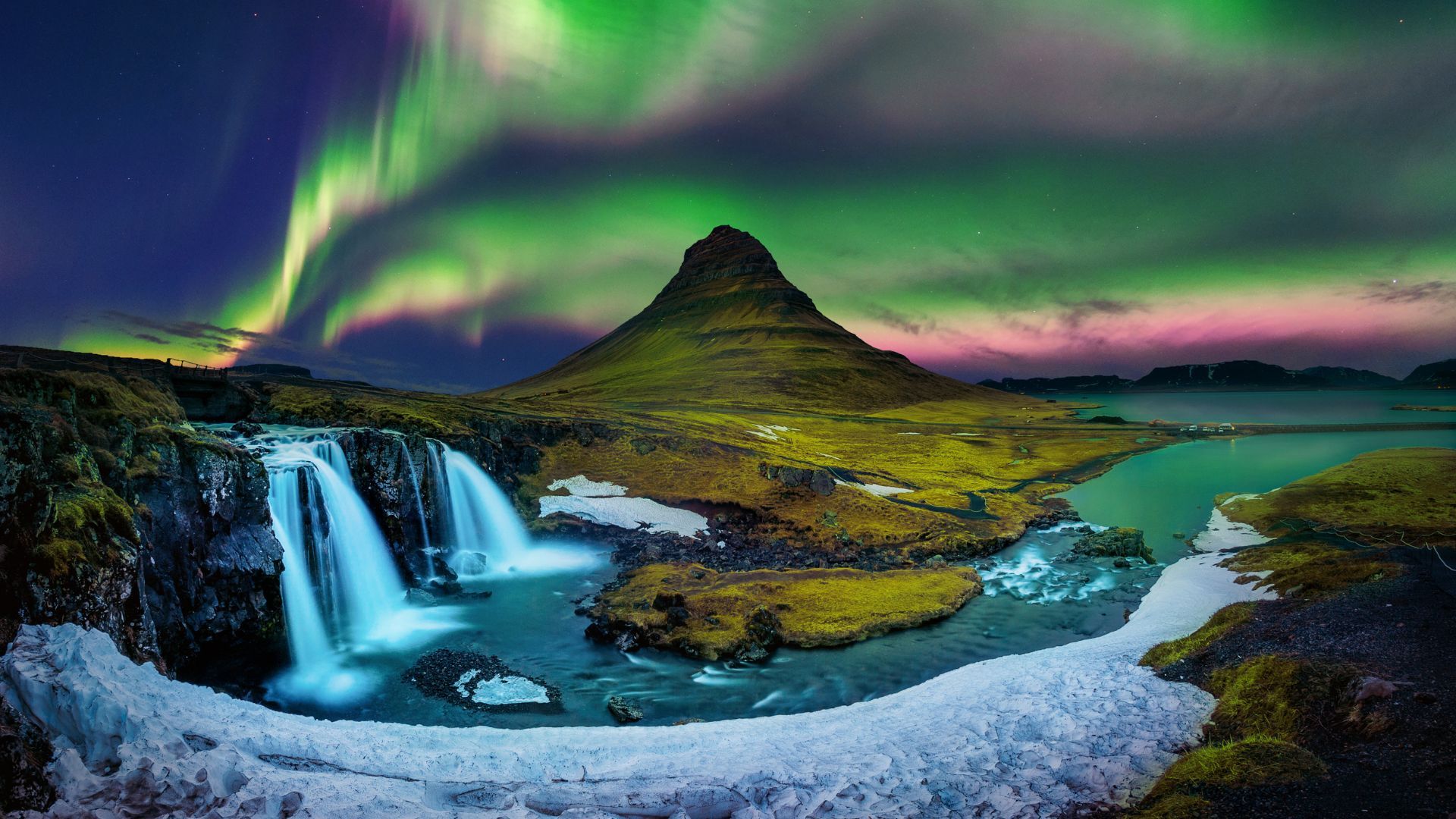
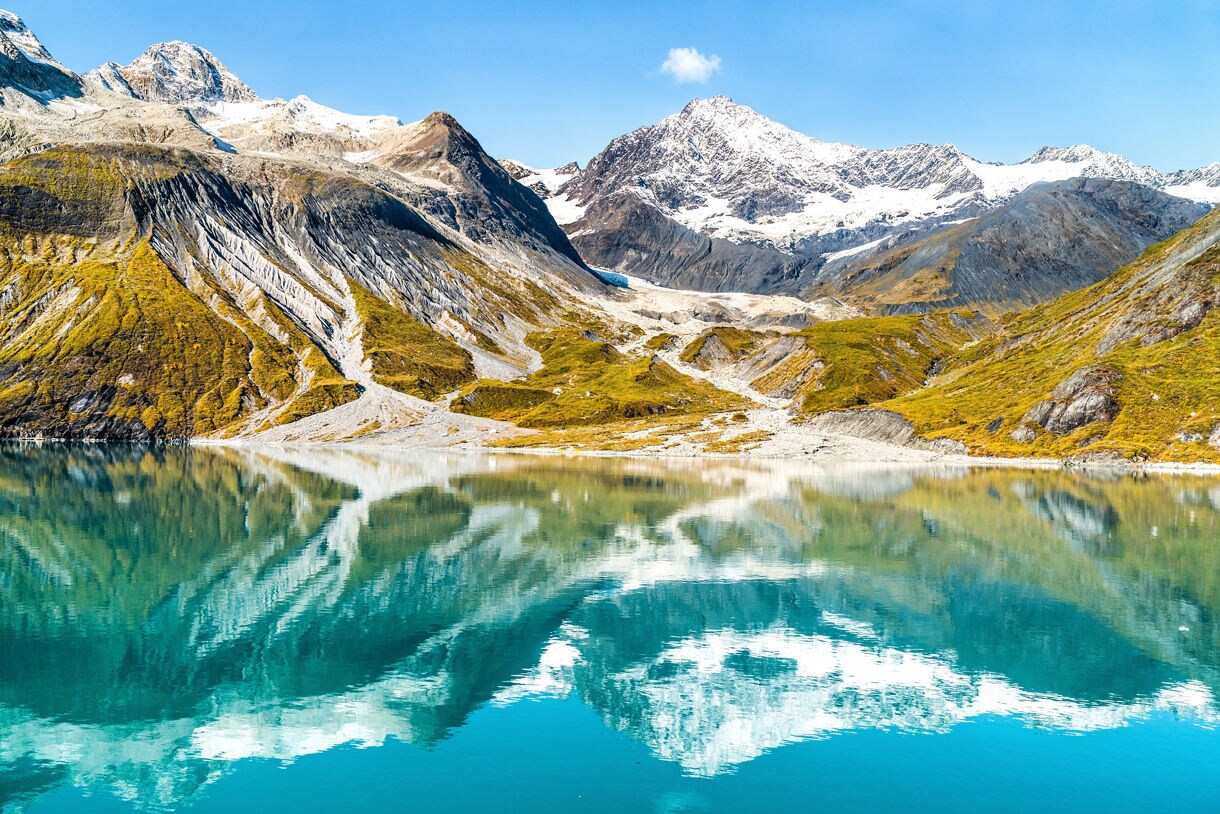
⚡ The TL;DR Verdict
For those seeking accessible, dramatic landscapes, unique culture, and a well-trodden solo travel path, Iceland is your pick, budget $180-400 USD/day. If untamed wilderness, epic wildlife, and a true sense of frontier adventure call to you, Alaska beckons, with a daily budget of $150-380 USD/day.
- Choose Iceland: Best for first-time international solo travelers, photographers, those on a shorter trip (5-10 days), and anyone prioritizing geothermal spas, glaciers, and waterfalls over dense forests and wildlife spotting.
- Choose Alaska: Ideal for adventurers, wildlife enthusiasts, those with more time (7-14+ days) who don't mind longer travel days, and families seeking a classic American road trip with epic scale.
- Choose Both: Both offer incredible natural beauty but are distinct. If you have the time (3+ weeks) and budget, combine them for a truly epic, diverse subarctic adventure, perhaps one in summer and the other in shoulder season.
Choose Iceland
Iceland is perfect for solo adventurers or first-time international travelers seeking impressive, accessible natural wonders like the Blue Lagoon, Golden Circle geysers, and iconic South Coast waterfalls. It's ideal for a shorter trip (5-10 days) focused on dramatic landscapes and unique Nordic culture, offering a well-trodden, easy-to-navigate self-drive experience.
Choose Alaska
Alaska beckons true adventurers and wildlife enthusiasts eager for untamed wilderness and epic encounters. It's best for those with more time (7-14+ days) to explore Denali's vastness or embark on a remote bear-viewing expedition in Katmai, offering a rugged, authentic frontier experience that rewards patience and a sense of discovery.
Quick Comparison
| Category | Iceland | Alaska | Winner |
|---|---|---|---|
| Nature & Scenery | Volcanic landscapes, geothermal pools, black sand beaches, glaciers, waterfalls easily accessible via the Ring Road. | Vast wilderness, towering mountains (Denali), massive glaciers, temperate rainforests, diverse wildlife. | Alaska |
| Costs & Budget | Notoriously expensive, especially for dining, alcohol, and accommodation. Car rental and fuel are also high. | Can be pricey due to remoteness and tourism infrastructure, but slightly more budget-friendly than Iceland for certain aspects. | Alaska |
| Getting There | Direct flights from many major US and European cities, typically shorter flight times from the East Coast. | Primarily accessed via flights from major US hubs, longer travel times for most international visitors. | Iceland |
| Getting Around | Rental car is almost essential for flexibility, excellent Ring Road, F-roads require 4x4. | Rental car offers most flexibility, but trains, cruises, and bush planes are also viable for specific regions. | Iceland |
| Accommodation | Hostels, guesthouses, and hotels available; can be very expensive, especially in high season. | Hotels, lodges, cabins, and extensive camping options. Availability can be limited in remote areas. | Tie |
| Food & Drink | Focus on lamb, seafood, dairy (skyr), hot dogs. Alcohol is very expensive. | Emphasis on fresh seafood (salmon, crab), game meats, wild berries, local breweries. | Alaska |
| Weather & Seasons | Unpredictable, cool summers (avg. 10-13°C), windy, long daylight. Winters are dark, cold, and snowy (avg. 0-2°C), prime for Northern Lights. | Vast regional differences. Summers (avg. 15-20°C in interior) can be warm, long daylight, mosquitoes. Winters are very cold, snowy, dark, prime for Northern Lights. | Tie |
| Activities & Adventures | Glacier hiking, ice caving, hot springs/geothermal spas, puffin watching, Northern Lights tours. | Wildlife viewing (bears, whales), glacier cruises, hiking (Denali), fishing, kayaking, dog sledding. | Alaska |
| Safety & Solo Travel | Extremely safe, low crime rate, very welcoming to solo travelers, good infrastructure. | Generally safe, but wilderness travel requires caution (wildlife, remoteness), can be less social for solo travelers. | Iceland |
| Culture & Local Experience | Energetic Viking heritage, unique language, strong focus on arts and music (Reykjavík), sagas, close-knit community. | Frontier spirit, Native Alaskan heritage, strong connection to the land, independent and rugged ethos. | Iceland |
🏞️ Nature & Scenery
Iceland offers an otherworldly, almost lunar landscape that is incredibly unique and often feels surreal. You can drive the entire Golden Circle in a day, seeing Gullfoss waterfall, Geysir geothermal area, and Thingvellir National Park with relative ease. The Snaefellsnes Peninsula is often called 'Iceland in miniature' with its diverse natural wonders. However, while impressive, its beauty can feel more curated or 'instagrammable.' Alaska, on the other hand, is sheer scale and raw, untamed wilderness. From the majestic peaks of Denali National Park to the tidewater glaciers of Kenai Fjords, it’s a place where you truly feel small against nature's grandeur. The wildlife viewing opportunities, like spotting bears in Katmai National Park or whales in Resurrection Bay, are unparalleled. While Iceland's landscapes are dramatic, Alaska's vastness and ecological diversity give it an edge for truly immersive wilderness experiences. "Iceland is beautiful but Alaska just feels... wilder, like you're really out there in nature's domain, not just visiting a park." The sheer diversity from coastal fjords to interior tundra is dramatic.
Winner takeaway
- Winner: Alaska
- Why: Alaska's sheer scale, untamed wilderness, and unparalleled wildlife viewing opportunities provide a more profound connection to raw nature.
- Who this matters for: Wildlife photographers, serious hikers, and those seeking a truly immersive wilderness experience.
💰 Costs & Budget
Iceland is one of the most expensive countries for tourists. A casual dinner in Reykjavík can easily run you 3,500-6,000 ISK ($25-45 USD) per person, and a pint of local beer is often 1,200-1,500 ISK ($9-11 USD). Basic hostel beds average 6,000-10,000 ISK ($45-75 USD) per night, while mid-range hotels start at 20,000 ISK ($150 USD) and go up. Car rental can be $70-150 USD/day, plus gasoline at $2.50-$3.00 USD/liter ($9-11 USD/gallon). Alaska, while not cheap, offers more flexibility. A casual dinner might be $18-35 USD, and a craft beer $7-9 USD. Camping is a much more viable and affordable option, with sites often $15-30 USD/night, while budget motels or cabins can be found for $100-180 USD/night outside major cities. Car rentals are comparable at $60-120 USD/day, but gas is generally cheaper at $4-6 USD/gallon. Tours in both destinations can be expensive (e.g., glacier hike $100-200 USD), but Alaska often has more free outdoor activities like hiking. "I spent a week in Iceland and felt like every transaction was a punch to the gut. Alaska still hit the wallet, but not as hard for basic stuff."
Winner takeaway
- Winner: Alaska
- Why: Alaska offers more opportunities for budget-conscious travelers, especially with camping and slightly lower overall dining/drinking costs.
- Who this matters for: Backpackers, long-term travelers, and families looking to stretch their dollar without sacrificing adventure.
✈️ Getting There
Iceland is a ridiculously easy country to get to, especially from the East Coast of the US or anywhere in Western Europe. Flights from New York (JFK/EWR) to Keflavík (KEF) are often non-stop and take only about 5-6 hours, sometimes making it a convenient stopover. From London, it's just 3 hours. Airlines like Icelandair and Play offer competitive fares, making it an excellent long weekend or short week destination. Alaska, on the other hand, requires a more significant time commitment for most travelers. While there are direct flights to Anchorage (ANC) from major US cities like Seattle (3 hours), Minneapolis (5 hours), or Chicago (6-7 hours), international visitors usually face multiple layovers and longer travel days, often 10-15+ hours from Europe. The lack of direct transatlantic flights to Alaska means it's less accessible for a quick getaway. "Flew to Iceland from Boston, it was like a long nap. Alaska from Europe meant two full days of travel and jet lag hell."
Winner takeaway
- Winner: Iceland
- Why: Iceland's shorter flight times and direct routes from major global hubs make it significantly more accessible for a wider range of travelers.
- Who this matters for: Travelers with limited vacation time, those coming from Europe, and anyone looking for a shorter, less complicated journey.
🚗 Getting Around
Iceland's infrastructure is incredibly tourist-friendly, centered around the well-maintained Ring Road (Route 1) which encircles the entire country. Renting a 2WD vehicle is perfectly sufficient for most popular routes from May to September, though a 4x4 is needed for more adventurous F-roads or winter travel. Navigation is straightforward, and attractions are generally well-signposted and within reasonable driving distances. Public transportation is limited outside Reykjavík, so a car really gives you freedom. Alaska's vastness makes getting around a different challenge. A rental car is key for flexibility, especially along paved highways like the Glenn Highway or Sterling Highway. However, many iconic Alaskan experiences, like reaching Denali National Park's interior, require specific park buses or tours. To access remote areas, fishing lodges, or scenic wilderness, you'll often rely on expensive bush planes or multi-day cruises (e.g., Inside Passage). The Alaska Railroad offers scenic journeys but limited routes. "Driving Iceland's Ring Road felt like a cheat code, so easy to see everything. Alaska felt like I needed a plane for half the stuff I wanted to do."
Winner takeaway
- Winner: Iceland
- Why: Iceland's compact size and excellent Ring Road infrastructure make self-driving incredibly easy and efficient for comprehensive exploration.
- Who this matters for: Independent travelers who prefer self-driving, those on a road trip, and people who want maximum flexibility in their itinerary.
🏨 Accommodation
Both destinations present challenges and opportunities in accommodation. In Iceland, options range from charming guesthouses and well-regarded hostels (like KEX Hostel in Reykjavík) to luxury hotels. However, demand often outstrips supply, leading to high prices, particularly during the summer peak. Expect to pay $150-300+ USD for a decent hotel room outside of Reykjavík. Booking well in advance is crucial. Camping is an option, with many designated sites, but requires dealing with unpredictable weather. Alaska offers a similar range, from chain hotels in Anchorage to rustic wilderness lodges. What sets Alaska apart is the prevalence and quality of its camping infrastructure, from state parks to national forest campgrounds, many with striking views for $15-30 USD/night. Backcountry permits also allow for wilder experiences. However, outside of major towns, unique lodges or cabins can be extremely expensive ($300-800+ USD/night) due to their remote locations and specialized services. Availability in popular areas like Denali or Seward also tightens quickly. "Iceland was great for hostels, but hotels were absurd. Alaska's camping game is strong, saved a ton of money there, but if you want a nice lodge, prepare to pay through the nose."
Winner takeaway
- Winner: Tie
- Why: Both offer diverse but expensive options; Iceland excels in hostels and guesthouses, while Alaska shines with its extensive, affordable camping opportunities.
- Who this matters for: Depends on travel style: Iceland for hostel-goers, Alaska for campers, both are pricey for mid-range hotels.
🍽️ Food & Drink
Icelandic cuisine, while evolving, is relatively simple and heavily reliant on lamb, fish, and dairy. Traditional dishes like Kjötsúpa (lamb soup) are hearty, and the famous Icelandic hot dog (pylsur) from Bæjarins Beztu Pylsur is a must-try. Skyr is a delicious, protein-rich yogurt. However, dining out is incredibly expensive, and options can feel limited outside of Reykjavík. Alcohol is exorbitantly priced due to high taxes, making a night out a costly affair. Alaska, on the other hand, boasts an incredible bounty of fresh, wild ingredients. Alaskan salmon (King, Sockeye, Coho) and king crab are internationally recognized, often caught locally and served fresh. Reindeer sausage is a unique local delicacy. The craft brewery scene, particularly in Anchorage and Juneau, is thriving, offering excellent local beers at more reasonable prices than Iceland. You'll find a greater variety of restaurants, from casual seafood shacks to upscale dining, catering to American tastes but with a strong local twist. "Honestly, Iceland's food was good, but Alaska's fresh salmon and crab were next level. And I could actually afford a beer!"
Winner takeaway
- Winner: Alaska
- Why: Alaska offers a wider variety of fresh, high-quality local ingredients, especially seafood, and a more diverse dining scene with more affordable alcohol options.
- Who this matters for: Foodies, seafood lovers, and those who enjoy a good craft beer without breaking the bank.
☀️ Weather & Seasons
Iceland's weather is famously capricious; locals say if you don't like the weather, wait five minutes. Summers (June-August) are cool, averaging 10-13°C (50-55°F), with persistent wind and rain possible. The extended daylight hours (near 24 hours in June) are incredible. Winters (November-March) are cold, averaging 0-2°C (32-36°F), with short daylight, perfect for hunting the Northern Lights but challenging for road travel. Alaska's weather is far more varied due to its immense size. Interior Alaska (Fairbanks) can reach 20-25°C (68-77°F) in summer, with long daylight, but also notorious mosquitoes. Coastal areas (Seward, Juneau) are cooler and wetter, often 10-15°C (50-60°F). Winters are brutally cold, especially inland, often -10°C to -30°C (14°F to -22°F), with heavy snow and short days, also ideal for Aurora viewing. Both offer unique seasonal draws, but require travelers to pack layers and be prepared for anything. "Iceland's summer wind can cut right through you, but the midnight sun is magic. Alaska's summer heat and mosquitoes were a shock, but seeing the Aurora over a frozen lake there was just unbelievable."
Winner takeaway
- Winner: Tie
- Why: Both destinations offer distinct seasonal experiences with unique challenges; the 'best' depends entirely on what weather and activities a traveler prefers.
- Who this matters for: Travelers with specific seasonal preferences (Northern Lights vs. Midnight Sun) or those sensitive to extreme cold or persistent wind.
⛰️ Activities & Adventures
Iceland excels in its unique geothermal and glacial activities. Think floating in the Blue Lagoon (entry starts at $60-80 USD), exploring ice caves at Vatnajökull ($150-250 USD for a tour), or hiking Sólheimajökull glacier ($90-120 USD). Puffin watching in summer and Northern Lights tours in winter are also huge draws. The adventures are generally well-organized and accessible. Alaska, however, offers a broader and more 'epic' range of adventures. Wildlife viewing is paramount – bear viewing tours in Katmai can be $700-1000 USD for a day trip, while whale watching in Kenai Fjords National Park is $80-150 USD. Glacier cruises in Prince William Sound or Resurrection Bay are sharp ($100-200 USD). Hiking in Denali is unmatched, and unique experiences like flightseeing around Denali ($400-600 USD) or summer dog sledding on a glacier ($200-300 USD) are truly once-in-a-lifetime. While Iceland's activities are fantastic, Alaska's scale and diverse wildlife push it ahead for sheer adventure. "Iceland's ice caves were cool, but seeing a grizzly catch salmon in Alaska felt like I was in a nature documentary, way more intense and real."
Winner takeaway
- Winner: Alaska
- Why: Alaska offers a more diverse range of epic, once-in-a-lifetime wilderness adventures, especially centered around wildlife and grand landscapes.
- Who this matters for: Serious adventurers, wildlife enthusiasts, and those seeking truly unique, large-scale outdoor experiences.
🙋♀️ Safety & Solo Travel
Iceland consistently ranks as one of the safest countries in the world. Its crime rate is incredibly low, and violent crime is almost non-existent. Solo female travelers often cite Iceland as one of their top destinations due to the sense of security. The tourism infrastructure is well-developed, with clear signage, good cell service in most populated areas, and a culture that values safety and community. Even hitchhiking is considered relatively safe, though not always recommended. Alaska is also generally safe, particularly in its towns and cities, but its safety considerations shift dramatically in the wilderness. The biggest 'threats' are nature-related: unpredictable weather, remote areas with no cell service, and wildlife encounters (bears, moose). Solo travelers need to be much more self-reliant and prepared with proper gear and knowledge of wilderness safety. While people are friendly, the sheer vastness means fewer spontaneous social interactions compared to Iceland's compact, hostel-centric travel scene. "I felt completely at ease exploring Iceland alone, even hiking in remote areas. In Alaska, I was constantly checking for bear signs, which added a layer of stress, especially solo."
Winner takeaway
- Winner: Iceland
- Why: Iceland's exceptionally low crime rate, robust tourist infrastructure, and welcoming culture make it an easier and safer choice for solo travelers.
- Who this matters for: First-time solo travelers, women travelers, and anyone prioritizing an ultra-safe and worry-free experience.
🎭 Culture & Local Experience
Iceland offers a deeply rooted and accessible cultural experience. Its Viking history is palpable, from the sagas to place names, and celebrated in museums like the National Museum of Iceland. Reykjavík punches above its weight with a dense arts, music, and culinary scene, hosting festivals and events year-round. The unique Icelandic language and the strong sense of national identity are fascinating. The small population means you often get a more intimate feel for local life, especially outside the capital. Alaska's culture is a blend of rugged frontier spirit, influenced by its diverse Native Alaskan populations (Inuit, Athabascan, Tlingit, etc.), and a strong connection to the land and subsistence living. While there are excellent cultural centers like the Alaska Native Heritage Center in Anchorage, and charming small towns like Skagway with Gold Rush history, the 'culture' often feels more about the vast wilderness and the people who brave it. It's less about historical sites and more about living off the land, fishing, and community resilience. "Iceland's culture feels ancient and modern at the same time, and Reykjavík is buzzing. Alaska's culture is cool too, but it's more about the wilderness and less about traditional 'city' culture or history to explore beyond the frontier stories."
Winner takeaway
- Winner: Iceland
- Why: Iceland provides a more concentrated, accessible, and chaotic cultural experience, particularly with its strong arts scene and rich historical narratives.
- Who this matters for: History buffs, art and music lovers, and those seeking a European cultural experience alongside natural beauty.
🎯 The Decision Framework
Choose Iceland If…
- You want short, direct flights from East Coast US cities.
- You prefer driving a single, well-marked main road to major sights.
- You seek a very safe environment for solo exploration.
- You're interested in specific cultural experiences like geothermal bathing or Sagas.
- You want dramatic landscapes like waterfalls and black sand beaches easily accessed from roads.
- You appreciate a country with high English proficiency among locals.
- You are budgeting for around $180-400 USD per day.
- You prefer a destination with well-developed tourism infrastructure.
Choose Alaska If…
- You desire vast, largely untouched wilderness and fewer crowds.
- You prioritize seeing abundant large animals like grizzlies and caribou.
- You seek adventure activities such as remote bush plane trips or deep-sea fishing.
- You are drawn to a genuine sense of frontier independence.
- You are comfortable with a daily budget in the $150-380 USD range.
- You want access to some of the freshest wild salmon and king crab.
- You prefer extensive national parks and preserves requiring multi-day excursions.
- You are interested in experiencing extreme summer daylight hours.
❓ Frequently Asked Questions
Which destination is better for seeing the Northern Lights?
Both Iceland and Alaska offer excellent opportunities for viewing the Aurora Borealis, typically from late September to March. Your chances depend on clear skies and strong solar activity. Alaska's interior (Fairbanks) is often cited as a prime viewing spot due to its position within the 'aurora oval' and consistently cold, clear winter nights. Iceland also has dark skies and good visibility, especially away from Reykjavík, but its coastal weather can be more unpredictable.
Do I need a 4x4 vehicle for either trip?
For Iceland, a 4x4 is only strictly necessary if you plan to drive on F-roads (mountain roads) or travel extensively in winter. For the main Ring Road during summer, a 2WD vehicle is generally fine. In Alaska, a 4x4 isn't usually required for paved highways, but can offer peace of mind on unpaved roads leading to trailheads or campsites. Always check road conditions, especially if venturing off main routes.
What's the best time of year to visit Iceland vs. Alaska?
For Iceland, the summer (June-August) offers the mildest weather, puffins, and midnight sun for road trips, but also higher prices and crowds. Winter (Oct-March) is for Northern Lights and ice caves. For Alaska, summer (late May-early September) is prime time for wildlife, fishing, and hiking, with long daylight hours. Shoulder seasons (May, September) offer fewer crowds and potentially lower prices, but some services may be closed.
Which destination is better for wildlife viewing?
Alaska is unequivocally superior for wildlife viewing. Its vast wilderness is home to grizzly bears, black bears, moose, caribou, wolves, whales, orcas, puffins, and eagles. Denali National Park and Kenai Fjords are particularly renowned. While Iceland has seals, whales (seasonal), and a huge puffin population, it lacks the sheer diversity and density of large land mammals that Alaska boasts.
How long should I plan for a trip to each destination?
For Iceland, a solid 7-10 days allows you to comfortably drive the entire Ring Road and see most major attractions. A shorter 4-5 day trip is great for the Golden Circle and South Coast. For Alaska, due to its immense size, 10-14 days is recommended to experience a few key regions like Anchorage, Seward, and Denali. Anything less will feel rushed, as travel times between destinations can be significant.
Can I combine a cruise with a land tour in Alaska?
Absolutely, it's a very popular way to see Alaska! Many cruise lines offer 'cruise tour' packages that combine a 7-day Inside Passage cruise with a 3-7 day land portion, often including visits to Denali National Park or Fairbanks via train or motorcoach. This is an excellent way to see both coastal and interior Alaska.
Which country offers better hiking opportunities?
While Iceland has fantastic day hikes, particularly around waterfalls and glaciers (e.g., Fimmvörðuháls trail), Alaska offers a far grander scale and diversity for hiking, from challenging mountain treks in Denali to coastal trails in Kenai Fjords and vast wilderness backpacking. Alaska also has more options for multi-day backcountry excursions, though these require serious planning and wilderness experience due to wildlife and remoteness.
Is it possible to visit both on one long trip?
While ambitious, it's definitely possible! Given their distinct locations, you'd likely fly from your home region to one, explore for 1-2 weeks, then fly back to a major hub (e.g., Seattle or NYC) and connect to the other. This would be a 3-4 week trip minimum and quite costly, but would offer an incredible comparison of subarctic landscapes and cultures. Consider doing one in early summer and the other in late summer for optimal weather.
Ready to plan your memorable adventure?
Get a free custom itinerary for Iceland, Alaska, or both — built from real traveler insights.
🎟️ Book Tours & Experiences
Hand-picked tours and activities for both destinations — book with free cancellation
Experiences via Viator — free cancellation on most tours