How we built this comparison
This page combines traveler discussion patterns, published price ranges, flight schedules, and seasonal data to help you decide between Hiroshima and Kyoto.
- Reviewed 100+ Reddit threads from r/JapanTravel, r/travel, r/solotravel, etc.
- Verified costs and logistics against current booking platforms (booking.com, Agoda, JR Pass official site)
- Cross-referenced seasonal patterns and weather data from Japan Meteorological Agency and local tourism boards
⚡ The TL;DR Verdict
Kyoto is the classic choice for first-timers seeking traditional Japanese culture, temples, and refined dining, ideal for those with a mid-range daily budget of ¥15,000-¥25,000 (~$100-$170). Hiroshima offers a more reflective, profound experience focused on peace and a colorful food scene, perfect for travelers seeking a deeper historical connection or a slightly more budget-friendly trip at ¥12,000-¥20,000 (~$80-$135) per day.
- Choose Hiroshima: Choose Hiroshima if you're drawn to powerful history, meaningful reflection, unique regional food like okonomiyaki, and the serene beauty of Miyajima Island. It's often a bit less crowded and can offer a more laid-back pace.
- Choose Kyoto: Pick Kyoto if your priority is immersing yourself in traditional Japanese culture, exploring countless ancient temples and shrines, experiencing geisha districts, and indulging in elite-level, refined cuisine. It's ideal for a quintessential 'Japan experience'.
- Choose Both: Absolutely do both if you have 7+ days in the Kansai/Chugoku regions. A typical itinerary is 3-4 days in Kyoto and 2-3 days in Hiroshima (including Miyajima). They offer complementary experiences – ancient tradition vs. modern resilience – that together provide a comprehensive view of Japan.
Choose Hiroshima
Choose Hiroshima if you seek a deeply moving historical journey, exploring sites like the Peace Memorial Park and Museum. It's ideal for travelers desiring profound reflection and a more relaxed pace, enjoying unique regional cuisine like okonomiyaki and the scenic beauty of Miyajima, often with a slightly more budget-friendly daily spend.
Choose Kyoto
Opt for Kyoto if your dream trip involves immersing yourself in quintessential traditional Japan, exploring iconic temples in Arashiyama or Fushimi Inari, and experiencing geisha culture in Gion. It's perfect for first-time visitors and those with a mid-range budget eager to savor top-tier refined dining and ancient beauty.
Quick Comparison
| Category | Hiroshima | Kyoto | Winner |
|---|---|---|---|
| Culture & History | Profound modern history (Peace Memorial), powerful resilience, serene spiritual site (Miyajima). | Ancient traditions, countless temples/shrines, imperial history, geisha culture, traditional arts. | Kyoto |
| Food & Drink | Hiroshima-style okonomiyaki, fresh oysters, local sake, hearty and accessible street food. | Kyoto cuisine (Kyo-ryori), kaiseki, matcha, wagashi, Nishiki Market, diverse fine dining and street food. | Kyoto |
| Costs & Budget | Slightly more affordable accommodation and dining, good value for money. | Generally higher prices for accommodation, dining, and attractions, especially in peak season. | Hiroshima |
| Getting There & Around | Excellent Shinkansen access, tram system, ferries to Miyajima. | Central hub, extensive bus/subway, convenient for day trips. | Tie |
| Accommodation | Good range of hotels, guesthouses, and budget options; typically better value. | Extensive selection from luxury ryokans to hostels, but often more expensive and books up fast. | Tie |
| Day Trips | Miyajima Island, Rabbit Island (Okunoshima), Onomichi. | Nara, Osaka, Uji, Himeji Castle, Arashiyama (often integrated). | Kyoto |
| Nightlife & Entertainment | Relaxed izakayas, local bars, a few live music spots, smaller and less intense. | Gion's traditional entertainment, diverse bar districts, live music, packed atmosphere, more options. | Kyoto |
| Nature & Scenery | Impressive coastal beauty of Miyajima, Seto Inland Sea vistas, Shukkei-en Garden. | Arashiyama Bamboo Grove, Philosopher's Path, numerous temple gardens, scenic hikes. | Tie |
| Shopping | Local crafts, unique souvenirs (Miyajima), department stores, Hondori shopping street. | High-end fashion, traditional crafts, local specialties (matcha, textiles), vast department stores, Nishiki Market. | Kyoto |
| Solo Travel & Ease | Smaller, more relaxed city feel, friendly locals, easy to navigate, profound solo reflection. | Extensive hostel scene, easy public transport, many attractions suitable for solo exploration, sometimes overwhelming. | Hiroshima |
⛩️ Culture & History
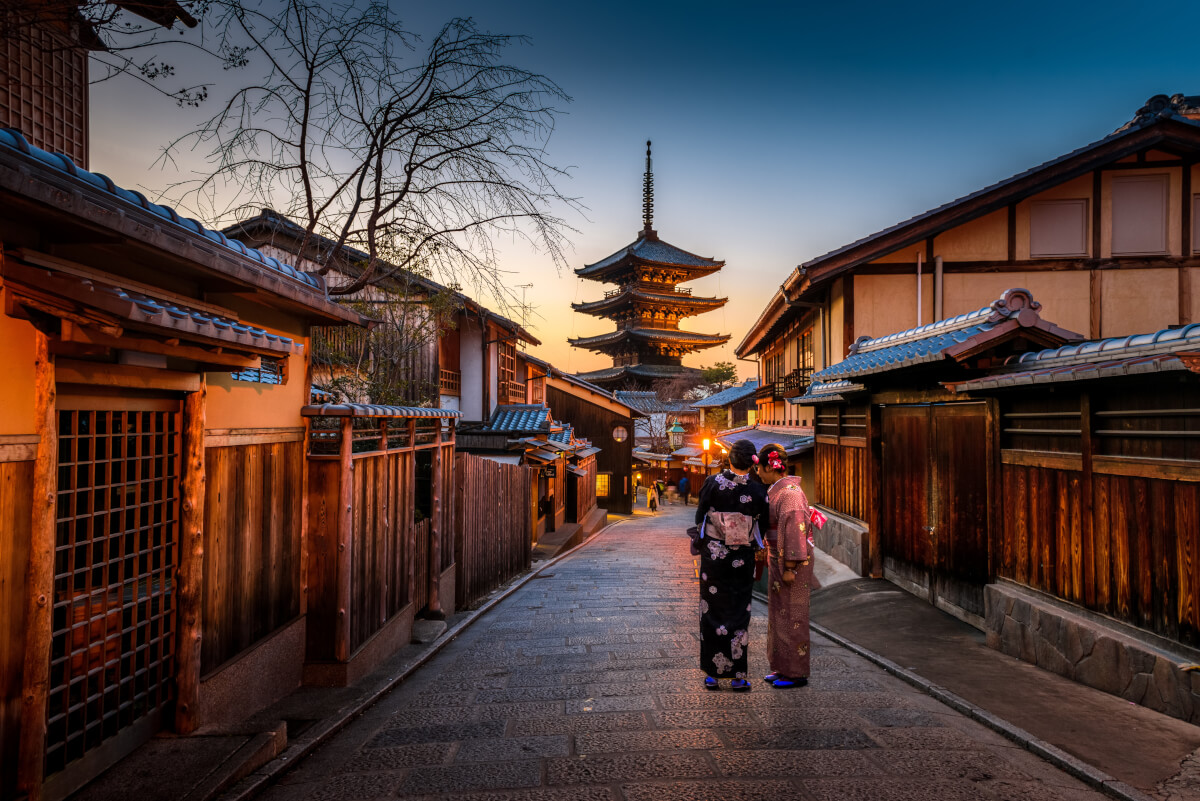
Kyoto is undeniably the cultural heart of Japan, brimming with over 2,000 temples and shrines, including iconic spots like Fushimi Inari-taisha with its torii gate path and the serene Kinkaku-ji (Golden Pavilion). You can wander through Gion, hoping to spot a geisha, or explore Nishiki Market for traditional goods. It's a living museum of imperial Japan, offering deep dives into tea ceremonies, calligraphy, and traditional crafts. Hiroshima, on the other hand, provides a powerful, sobering historical experience centered around the Peace Memorial Park and Museum. It's a place of profound reflection on modern history and human resilience, complemented by the spiritual beauty of Itsukushima Shrine on Miyajima Island, one of Japan's most scenic spots. While Kyoto is about ancient traditions, Hiroshima is about understanding modern peace and remembrance. "Kyoto's just got endless temples, you could spend a month and not see them all. Hiroshima's more about the one big impactful story, then Miyajima." For sheer breadth and depth of traditional culture, Kyoto edges out Hiroshima.
Winner takeaway
- Winner: Kyoto
- Why: Kyoto offers an unparalleled immersion into traditional Japanese culture, ancient history, and imperial heritage.
- Who this matters for: First-time visitors to Japan, history buffs focused on pre-modern Japan, and those seeking iconic cultural experiences.
🍜 Food & Drink
Kyoto's food scene is incredibly diverse and refined, ranging from exquisite multi-course kaiseki meals (expect ¥10,000-¥30,000+ per person, ~$70-$200+) to delightful street food in Nishiki Market, where you can sample everything from takoyaki to matcha sweets. It's famous for Kyo-ryori, a sophisticated culinary tradition, and boasts numerous Michelin-starred restaurants. Kyoto also excels in vegetarian and vegan options due to its Buddhist heritage. Hiroshima's culinary identity is strongly tied to its unique Hiroshima-style okonomiyaki, a savory pancake layered with noodles, cabbage, and meat/seafood (typically ¥800-¥1,500, ~$5-$10). Places like Okonomi-mura or Nagata-ya are legendary. Fresh oysters from the nearby Seto Inland Sea are another must-try, especially during autumn and winter. While Hiroshima's food is hearty, delicious, and more budget-friendly, Kyoto offers a wider range of high-end experiences and culinary diversity. "Hiroshima's okonomiyaki is life-changing, but Kyoto's food scene just has so much more variety and fine dining options, it's almost overwhelming."
Winner takeaway
- Winner: Kyoto
- Why: Kyoto offers an unmatched diversity of culinary experiences, from refined kaiseki to crowded street food, catering to all tastes and budgets.
- Who this matters for: Foodies, those seeking diverse dining experiences, and travelers looking for high-end culinary adventures.
💰 Costs & Budget
Traveling to Hiroshima tends to be a bit gentler on the wallet than Kyoto. A decent hotel in Hiroshima can be found for ¥8,000-¥15,000 (~$55-$100) per night, compared to Kyoto where similar quality often starts at ¥12,000-¥25,000 (~$80-$170), especially in popular areas like Gion. Food costs, while always varying, also lean slightly cheaper in Hiroshima; a fantastic okonomiyaki meal is rarely more than ¥1,500 (~$10), whereas a mid-range dinner in Kyoto might easily hit ¥2,500-¥4,000 (~$17-$27). Transportation within both cities is efficient, but Kyoto's extensive bus network (¥700/~$5 day pass) can add up if you're constantly moving. While major attractions in both cities have similar entry fees (¥300-¥1000), the sheer volume of paid temples in Kyoto can make it more expensive overall. "I found my money went a bit further in Hiroshima. Hotel was cheaper, and I ate like a king for less than I would've in Kyoto." If budget is a key concern, Hiroshima offers better value.
Winner takeaway
- Winner: Hiroshima
- Why: Hiroshima generally provides better value for money on accommodation and dining compared to the more tourist-inflated prices of Kyoto.
- Who this matters for: Budget-conscious travelers, backpackers, and those seeking to maximize their spending power.
🚄 Getting There & Around
Both cities boast excellent connectivity within Japan via the Shinkansen (bullet train). From Tokyo, it's approximately 2.5 hours to Kyoto and 4 hours to Hiroshima on the Tokaido-Sanyo Shinkansen (Nozomi train). A Japan Rail Pass makes travel between them seamless. Once in the cities, getting around is efficient. Kyoto relies heavily on its comprehensive bus system (single ride ¥230, ~ $1.50) and two subway lines, which can sometimes feel crowded. Hiroshima has a charming and very practical tram network (single ride ¥190, ~$1.30) that covers most attractions, plus ferries to Miyajima Island (¥180, ~$1.20, JR Pass accepted). While Kyoto's public transport network is vast, Hiroshima's compact city center and unique tram system feel slightly more user-friendly for tourists, especially combined with the easy ferry access. "Honestly, both are super easy to navigate. Kyoto's buses can be slow, but Hiroshima's trams are a breeze and Miyajima is just a short ferry ride." It's a tie, as both offer fantastic accessibility and in-city transport options that cater well to tourists.
Winner takeaway
- Winner: Tie
- Why: Both cities offer highly efficient and comprehensive public transportation networks for seamless travel within and between major Japanese hubs.
- Who this matters for: All travelers, as ease of transport is crucial for a smooth trip.
🏨 Accommodation
Kyoto offers an incredible spectrum of accommodation, from luxurious traditional ryokans (¥30,000-¥80,000+, ~$200-$550+) to stylish boutique hotels and a plethora of budget-friendly hostels. Staying in a ryokan is a quintessential Kyoto experience, but requires booking well in advance and comes at a premium. Popular areas like Gion, Downtown, and Kyoto Station offer diverse options, but prices are generally high, especially during cherry blossom or autumn leaf seasons. Hiroshima, while having fewer high-end ryokans, provides a strong selection of comfortable hotels (e.g., Hotel Granvia Hiroshima, Mitsui Garden Hotel Hiroshima), business hotels, and charming guesthouses. Prices tend to be more competitive, with good quality rooms available for ¥8,000-¥15,000 (~$55-$100) per night, making it easier to find last-minute deals. "I loved the vibe of my little guesthouse in Hiroshima, super friendly and half the price of anything decent I saw in Kyoto. But Kyoto's ryokans are just something else, worth splurging if you can." Both cities offer excellent choices, but for different reasons – Kyoto for unique experiences, Hiroshima for consistent value.
Winner takeaway
- Winner: Tie
- Why: Both cities provide excellent and diverse accommodation options, with Kyoto excelling in unique luxury and Hiroshima in consistent value.
- Who this matters for: Travelers with varying budgets; those seeking traditional ryokan stays (Kyoto) or good value hotels (Hiroshima).
🏞️ Day Trips
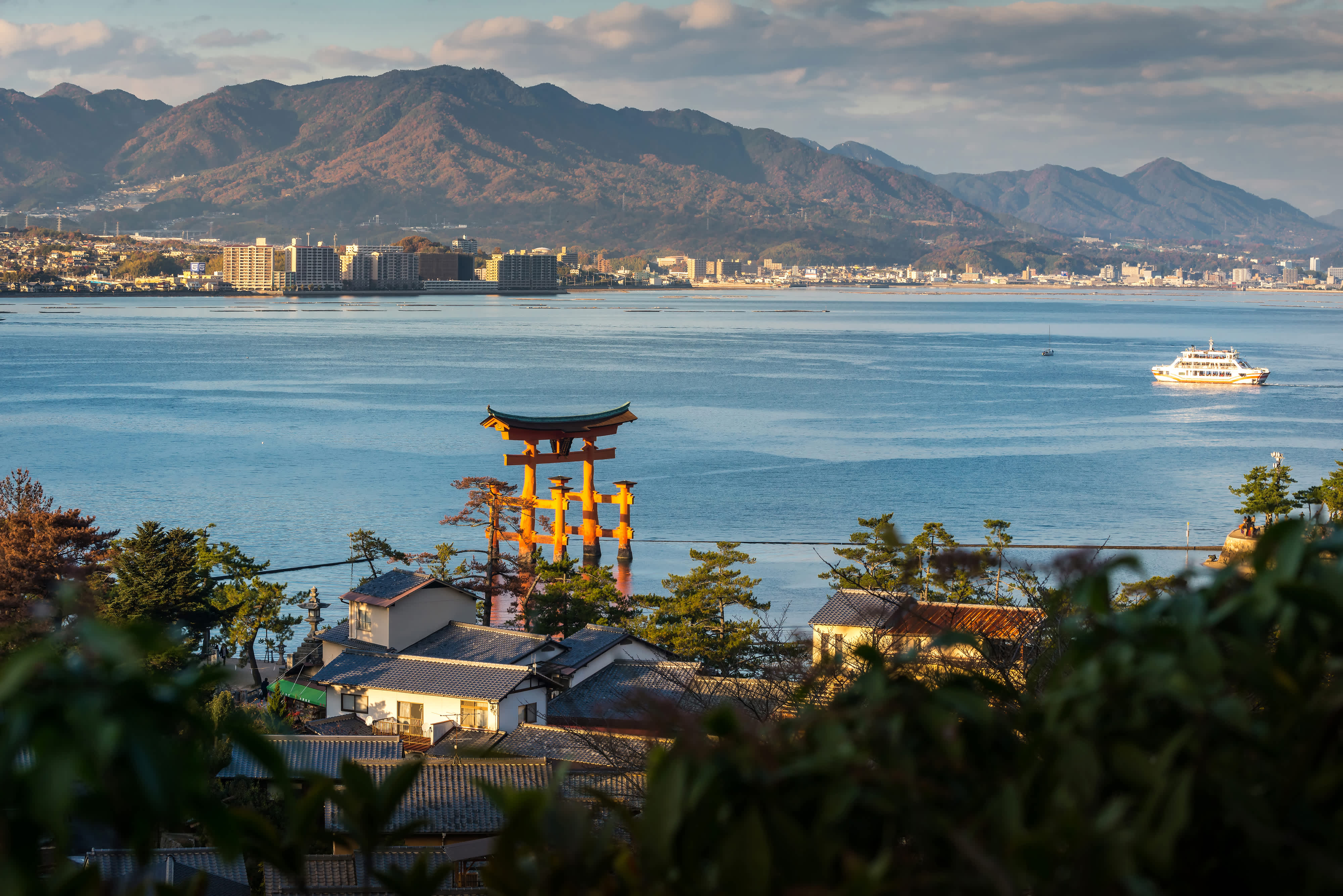
Kyoto is an unparalleled hub for day trips, making it an ideal base for exploring the Kansai region. From Kyoto Station, you can reach Nara (home of Todai-ji Temple and deer park) in 45 minutes, Osaka (Dotonbori, Universal Studios Japan) in 30 minutes, and the gorgeous Himeji Castle in about an hour, all via JR trains. Uji, famous for its green tea and Byodo-in Temple, is also a short ride away. Hiroshima's primary day trip is the absolutely essential Miyajima Island, a 30-minute tram ride and 10-minute ferry away, famous for its 'floating' torii gate and wild deer. Beyond Miyajima, options include Okunoshima (Rabbit Island), about 2 hours by train and ferry, or Onomichi, a charming port town. While Miyajima is incredibly iconic, Kyoto's proximity to multiple UNESCO World Heritage Sites and major cities offers a greater variety and depth of accessible day trip experiences. "Kyoto's location is a huge plus for day trips, you can hit Nara, Osaka, Himeji easily. Hiroshima has Miyajima, which is amazing, but then what? Rabbit Island is cute but not a cultural powerhouse." Kyoto wins for the sheer number and quality of its surrounding attractions.
Winner takeaway
- Winner: Kyoto
- Why: Kyoto's central location in the Kansai region provides unparalleled access to numerous among the best day trip destinations.
- Who this matters for: Travelers who want to explore multiple major Japanese cities and cultural sites from one base.
🌃 Nightlife & Entertainment
Kyoto offers a more varied and sophisticated nightlife scene, ranging from traditional geisha entertainment in Gion (though often exclusive and expensive) to hectic bar districts like Pontocho alley and Kiyamachi-dori, where you'll find everything from cozy izakayas and craft beer bars to neon-lit nightclubs. There are numerous venues for live music, jazz, and even a few international clubs. Expect a pint of beer to cost ¥600-¥900 (~$4-$6). Hiroshima's nightlife is more laid-back and local-focused. Hondori Street and the surrounding areas have plenty of izakayas where you can enjoy local sake and food, small bars, and karaoke boxes. It's a great place to experience authentic Japanese after-work culture without the overwhelming crowds of bigger cities. However, for a broader range of options, from high-energy clubs to traditional performances, Kyoto takes the lead. "Kyoto's nightlife around Pontocho is buzzing, lots of cool bars and people watching. Hiroshima's good for a chill drink and some okonomiyaki, but it's not a party city." For sheer choice and traditional entertainment, Kyoto is stronger.
Winner takeaway
- Winner: Kyoto
- Why: Kyoto provides a richer and more diverse nightlife experience, blending traditional entertainment with modern bars and clubs.
- Who this matters for: Solo travelers looking to socialize, groups seeking diverse entertainment, and those interested in traditional Japanese evening culture.
🌳 Nature & Scenery
Both cities offer distinct and beautiful natural scenery. Hiroshima's biggest draw is undoubtedly Miyajima Island, with its iconic 'floating' torii gate, serene forests, and views of the Seto Inland Sea. Climbing Mount Misen offers panoramic vistas that are truly impressive, especially at sunset. The Shukkei-en Garden in the city center provides a peaceful oasis. Kyoto, on the other hand, is famous for the ethereal Arashiyama Bamboo Grove, the picturesque Philosopher's Path (especially during cherry blossom and autumn), and the meticulously manicured gardens surrounding its thousands of temples (e.g., Ryoan-ji's rock garden, Tenryu-ji's landscape garden). Kyoto is also surrounded by hills, offering plenty of hiking opportunities just outside the city. "Miyajima is an absolute must-see, the whole island is gorgeous. But Kyoto's temple gardens and Arashiyama just have this magical, ancient vibe that's hard to beat." It's a tie because both offer unique and equally excellent natural beauty, just of different types – coastal and mountainous vs. serene gardens and bamboo forests.
Winner takeaway
- Winner: Tie
- Why: Both destinations offer equally sharp, albeit different, forms of natural beauty, from coastal wonders to serene gardens.
- Who this matters for: Nature lovers, photographers, and those seeking peaceful outdoor escapes.
🛍️ Shopping
Kyoto is a shopper's paradise, blending traditional crafts with modern retail. You'll find everything from exquisite Kiyomizu-yaki pottery and Nishijin-ori textiles to high-end fashion boutiques along Shijo-dori. Nishiki Market is a fantastic place for food souvenirs, local produce, and unique culinary items. For electronics and department stores, Kyoto Station City offers extensive options. Hiroshima's main shopping area centers around Hondori Street, a lively covered arcade featuring popular Japanese brands, souvenir shops, and local eateries. On Miyajima Island, you can find charming local crafts, like wooden rice paddles (shamoji) and momiji manju (maple leaf-shaped cakes). While Hiroshima offers pleasant everyday shopping and unique local souvenirs, Kyoto's depth in traditional artisan goods, luxury items, and overall variety for a dedicated shopping spree is far superior. "Kyoto's just on another level for shopping, especially if you're into artisan stuff or cool fashion. Hiroshima is fine for souvenirs but not a destination for retail therapy." If shopping is a priority beyond basic souvenirs, Kyoto is the clear winner.
Winner takeaway
- Winner: Kyoto
- Why: Kyoto offers a far greater variety of shopping experiences, from traditional crafts and artisan goods to high-end fashion and department stores.
- Who this matters for: Shoppers, those seeking unique souvenirs, and travelers interested in traditional Japanese crafts.
🚶♀️ Solo Travel & Ease
Both cities are incredibly safe and easy for solo travelers, but Hiroshima often feels a bit more approachable. Its compact city center and straightforward tram system make independent exploration a breeze, and it feels slightly less overwhelming than Kyoto's packed tourist hubs. The Peace Memorial Park offers a powerful solo reflective experience, and Miyajima is easily navigated alone. Hiroshima has a good selection of solo-friendly guesthouses and izakayas where it's easy to strike up conversations. Kyoto, while having a fantastic hostel scene and countless attractions perfect for individual contemplation (like temple gardens), can feel very crowded, especially in peak season. Navigating its extensive bus system can sometimes be confusing for newcomers. "Hiroshima felt so welcoming as a solo traveler. Easy to get around, people were super friendly, and the atmosphere was just calmer. Kyoto was great too, but felt like I was just one of thousands." For a slightly more relaxed and less hectic solo experience, Hiroshima edges out Kyoto.
Winner takeaway
- Winner: Hiroshima
- Why: Hiroshima offers a more relaxed, easily navigable, and less crowded experience, making it particularly comfortable for solo travelers seeking quiet reflection.
- Who this matters for: Solo travelers, first-time international travelers, and those preferring a calmer travel pace.
🎯 The Decision Framework
Choose Hiroshima If…
- You prioritize budget-friendly travel options in Japan.
- You are interested in a deep dive into peace history and remembrance.
- You want to experience the local specialty, Hiroshima-style okonomiyaki.
- You plan a solo trip and prefer a more manageable city experience.
- You wish to visit Miyajima Island and Itsukushima Shrine easily.
- You prefer cities with fewer tourist crowds compared to major hubs.
- You seek a profound and reflective cultural experience.
- You enjoy exploring a distinctive local food scene beyond traditional Japanese staples.
Choose Kyoto If…
- You are a first-time visitor to Japan seeking a quintessential cultural experience.
- You want to explore an extensive collection of ancient temples and serene gardens.
- You prioritize experiencing refined Japanese cuisine and traditional tea ceremonies.
- You plan to take multiple convenient day trips to famous sites like Nara or Arashiyama.
- You seek a city with diverse shopping opportunities, from crafts to department stores.
- You desire a destination with established nightlife and evening entertainment options.
- You wish to immerse yourself in traditional Japanese arts and crafts.
- You are comfortable with a daily budget of around ¥15,000-¥25,000 for your trip.
- You want to witness geisha districts and traditional wooden machiya houses.
❓ Frequently Asked Questions
Is it worth visiting both Hiroshima and Kyoto on one trip?
Absolutely, if you have at least 7-10 days in Japan. They offer complementary experiences: Kyoto for ancient culture and tradition, and Hiroshima for modern history and resilience. The Shinkansen connects them efficiently, making it easy to include both.
How many days should I spend in each city?
For Kyoto, 3-4 full days are ideal to cover major temples, geisha districts, and a day trip to Nara or Osaka. For Hiroshima, 2 full days are usually sufficient to explore the Peace Park and enjoy Miyajima Island at a comfortable pace, possibly including a night on Miyajima.
Which city is better for cherry blossoms or autumn leaves?
Kyoto is generally considered superior for both, with its countless temples, gardens, and scenic paths like the Philosopher's Path transforming into dramatic displays. Hiroshima also has beautiful spots, especially Miyajima, but Kyoto's sheer volume of picturesque locations during these seasons is unmatched.
Is a Japan Rail Pass worth it for travel between Kyoto and Hiroshima?
If you're traveling from Tokyo to Kyoto, then to Hiroshima, and potentially back towards Tokyo or other major cities, a 7-day JR Pass can easily pay off. Calculate your Shinkansen fares versus the pass cost to be sure, but it's often a good deal for this route.
Which city has better English accessibility?
Both cities, being major tourist destinations, have good English signage and tourist information centers. Major hotels and attractions will have English-speaking staff. Kyoto might have a slight edge due to its higher international tourist volume, but you'll manage perfectly fine in both.
Can I do a day trip from Kyoto to Hiroshima, or vice versa?
While technically possible (Kyoto to Hiroshima is ~1h 40m on Nozomi Shinkansen), it would be a very long and rushed day. It's highly recommended to spend at least one night in Hiroshima to properly experience the Peace Park and Miyajima without feeling rushed, preferably two nights to enjoy Miyajima at leisure.
What's the best time of year to visit?
Spring (March-May) for cherry blossoms and pleasant weather, or Autumn (October-November) for chaotic fall foliage and comfortable temperatures, are generally considered the best. Summers can be hot and humid, while winters are mild but chilly.
Which city is better for families with young children?
Both are family-friendly, but Kyoto offers more varied entertainment for children with places like the Kyoto Railway Museum, Manga Museum, and parks, alongside its cultural sites. Hiroshima is profound but might be a bit heavy for very young children, though Miyajima's deer are always a hit.
Ready to plan your Japan trip?
Get a free custom itinerary for Hiroshima, Kyoto, or both — built from real traveler insights.
🎟️ Book Tours & Experiences
Hand-picked tours and activities for both destinations — book with free cancellation
Experiences via Viator — free cancellation on most tours