How we built this comparison
This page combines traveler discussion patterns, published price ranges, flight schedules, and seasonal data to help you decide between Gyeongju and Jeonju.
- Reviewed 50+ Reddit threads from r/travel, r/solotravel, r/koreatravel, etc., focusing on recent traveler experiences and recommendations.
- Verified costs for transportation, accommodation, and attractions against current booking platforms and official tourism sites (e.g., KORAIL, Airbnb, official temple sites).
- Cross-referenced seasonal patterns, weather data, and major festivals to provide accurate 'best time to visit' advice.
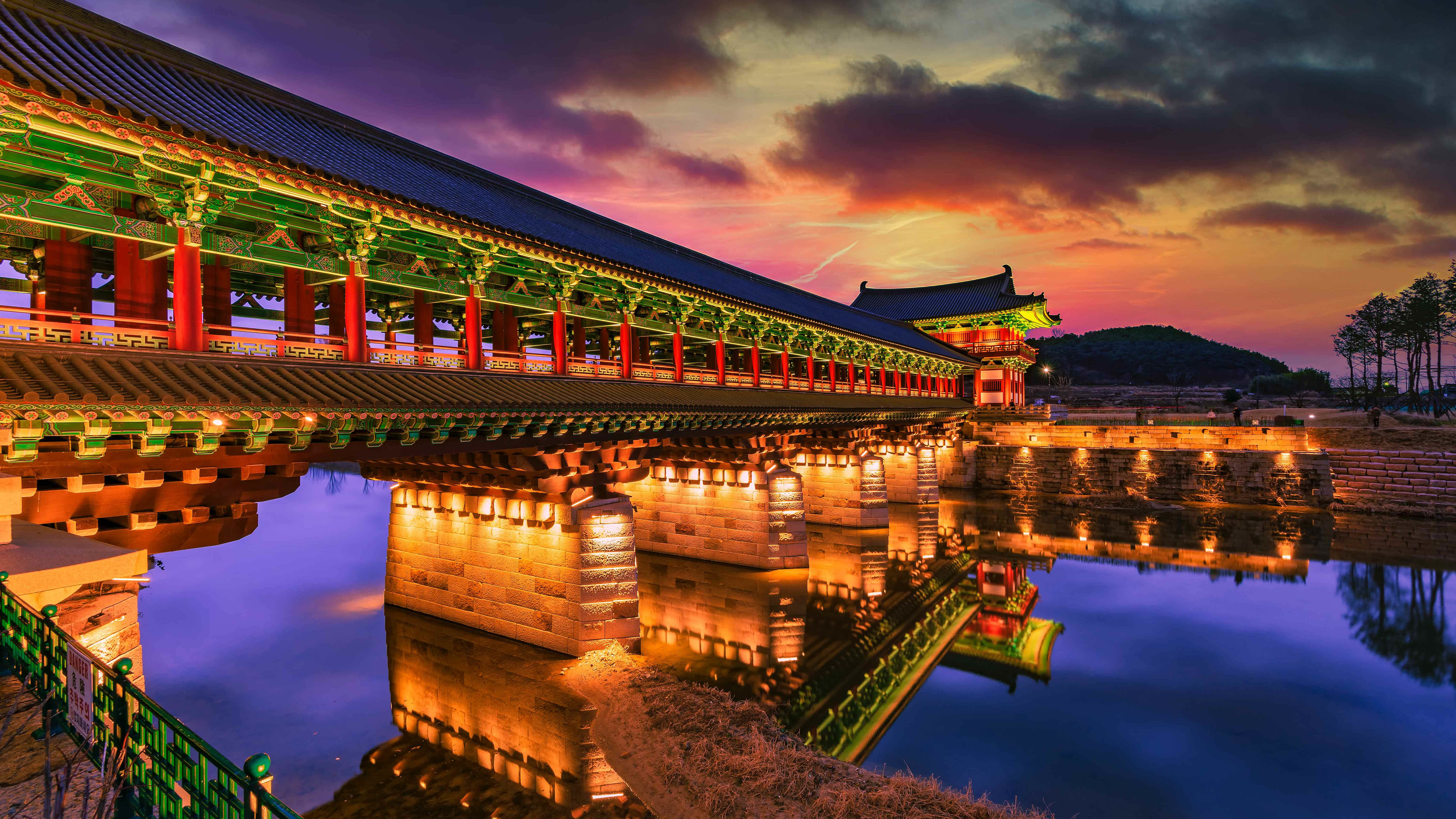
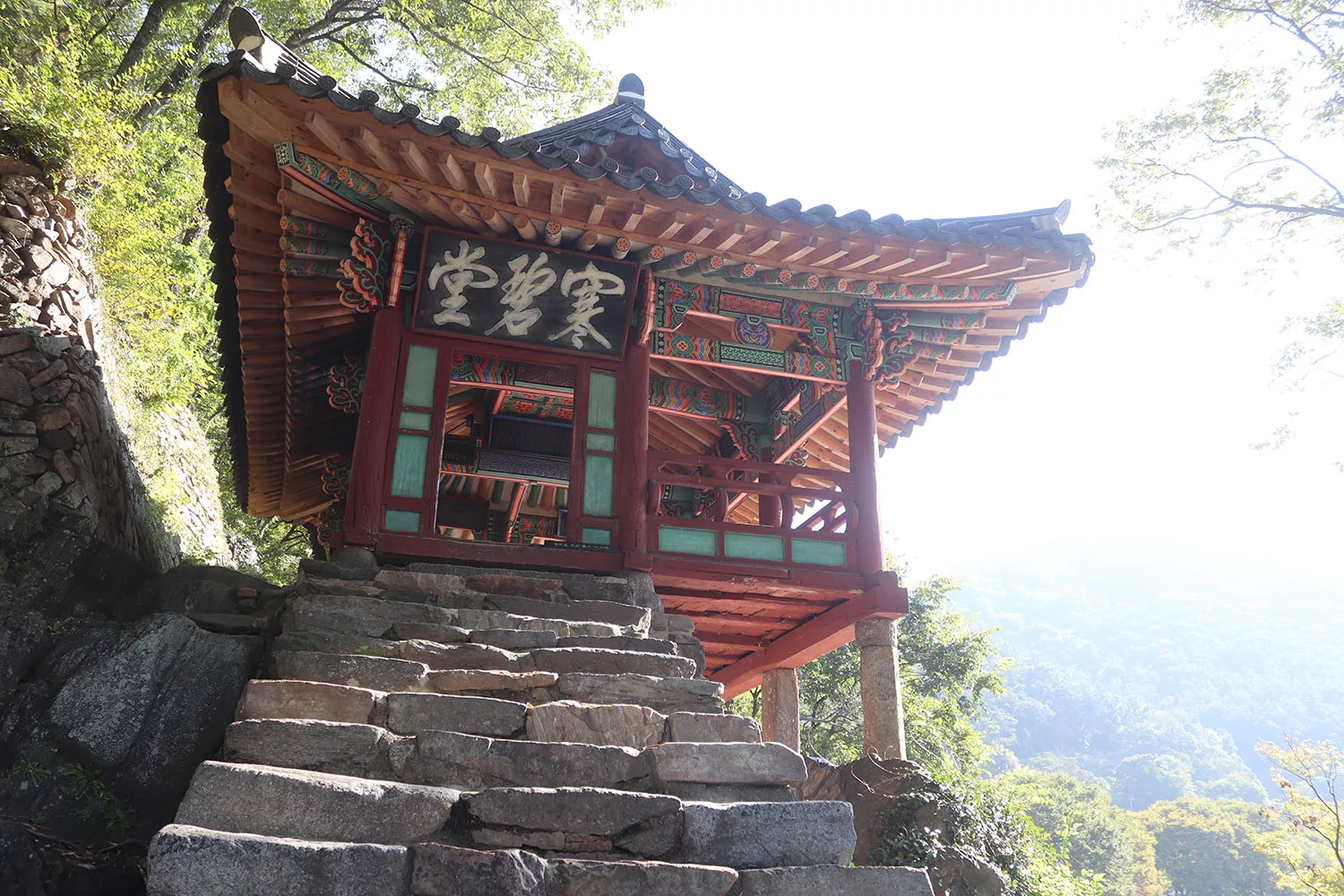
⚡ The TL;DR Verdict
If ancient history, UNESCO sites, and serene landscapes are your priority, Gyeongju is your pick, budget around $60-90/day. For a noisy hanok village, an unparalleled food scene, and a lively cultural vibe, head to Jeonju, with a daily budget closer to $70-100.
- Choose Gyeongju: You're a history buff, prefer peaceful exploration, love ancient architecture, and want a slower pace surrounded by nature and historical sites.
- Choose Jeonju: You're a major foodie, enjoy dense traditional markets, appreciate a lively hanok village experience, and want a more social, chaotic atmosphere.
- Choose Both: Absolutely do both if you have 4-5 days! Start with Gyeongju's history for 2 days, then take the bus or train to Jeonju for 2-3 days of food and culture. It's a fantastic contrast.
Choose Gyeongju
Opt for Gyeongju if you're a history enthusiast or seeking a tranquil escape into Korea's past. Spend your days exploring magnificent UNESCO World Heritage sites like Bulguksa Temple and the serene royal tombs of Daereungwon, immersing yourself in ancient Silla dynasty wonders. It's perfect for those who appreciate peaceful walks amidst historical grandeur and natural beauty, with a comfortable budget of around $60-90/day.
Choose Jeonju
Jeonju is your ideal destination if your trip revolves around exceptional culinary experiences and a dense cultural immersion. Delve into the noisy Hanok Village, savoring famous street food and exploring traditional markets, or unwind in a lively makgeolli alley. This city offers a dynamic blend of traditional charm and modern energy, making it perfect for foodies and those desiring a more social, hands-on cultural adventure, budgeting about $70-100/day.
Quick Comparison
| Category | Gyeongju | Jeonju | Winner |
|---|---|---|---|
| Culture & History | Korea's ancient capital, packed with UNESCO sites like Bulguksa Temple and Seokguram Grotto. A living museum. | Home to the largest Hanok Village, offering traditional crafts, historical shrines, and a deep dive into Joseon dynasty culture. | Gyeongju |
| Food & Drink | Local specialties like Ssambap and Hwangnam Ppang, but not a culinary destination. | A legendary food city, home of bibimbap, incredible street food, Makgeolli Alley, and a lively cafe scene. | Jeonju |
| Getting There & Around | KTX to Singyeongju, then local bus. Getting around requires buses or taxis for sites. | KTX to Jeonju Station. Hanok Village is very walkable; buses/taxis for further sites. | Jeonju |
| Costs & Budget | Generally slightly cheaper for accommodation and food, but spread out sites increase transport costs. | Slightly higher accommodation, but food is excellent value. Compactness saves on transport. | Tie |
| Nature & Outdoors | Surrounded by mountains, lakes, and coastal areas; great for hiking and scenic drives. | Pleasant parks and nearby mountains, but less dramatic and extensive natural beauty. | Gyeongju |
| Accommodation | Wide range from modern hotels around Bomun Lake to traditional hanoks near the city center. | Iconic hanok stays within the Hanok Village; limited modern options outside. | Jeonju |
| Nightlife & Evening Activities | Very quiet evenings, limited to quiet cafes and illuminated temples. | Lively Makgeolli Alley, busy Hanok Village with street performances and cafes. | Jeonju |
| Day Trips | Excellent base for Busan, Daegu, or the coast. Accessible by train/bus. | Closer to Naejangsan National Park (autumn leaves), but fewer major city options. | Gyeongju |
| Vibe & Atmosphere | Peaceful, contemplative, ancient, almost spiritual; a journey through time. | Lively, charming, artisanal, a colorful immersion in traditional Korean culture. | Jeonju |
| Solo Travel Suitability | Safe and peaceful, great for quiet reflection and self-guided historical tours. Less social. | Safe, easy to navigate, fantastic for solo food adventures; more opportunities to connect. | Jeonju |
🏛️ Culture & History
Gyeongju is undeniably the 'museum without walls.' Its status as the capital of the Silla Kingdom means an abundance of dramatic historical sites, many of which are UNESCO World Heritage listed. Bulguksa Temple (admission ₩6,000 / $4.50) and the nearby Seokguram Grotto are masterpieces of Buddhist art and architecture, best explored early morning for tranquility. The Daereungwon Tomb Complex (admission ₩3,000 / $2.25) with its Cheonmachong Tomb offers a unique glimpse into royal burial practices, and walking around Bomun Lake's historical sites is serene. Jeonju, while rich in culture, centers more around its Hanok Village and Joseon dynasty heritage, like Gyeonggijeon Shrine (admission ₩5,000 / $3.75) which houses portraits of Joseon kings. It's more about experiencing living tradition than ancient ruins. As one traveler put it, "Gyeongju just hits different, the scale of history at places like Bulguksa is mind-blowing. Felt like I was walking through a history textbook." The sheer density and age of Gyeongju's sites make it the clear winner for pure historical immersion.
Winner takeaway
- Winner: Gyeongju
- Why: Gyeongju offers a deeper, more ancient historical journey with a higher concentration of UNESCO World Heritage sites.
- Who this matters for: History buffs, architecture enthusiasts, and those seeking spiritual or contemplative experiences.
🍜 Food & Drink
Jeonju is a gastronomic paradise, plain and simple. It's widely regarded as one of Korea's top food cities, especially famous for Jeonju Bibimbap (expect to pay ₩10,000-15,000 / $7.50-11 for a good bowl at places like Han Kook Kwan). But it doesn't stop there: try Kongnamul Gukbap (bean sprout soup) for breakfast (₩7,000 / $5.25), the incredible street food from the Hanok Village (skewers, tteokbokki, mochi), and the iconic Makgeolli Alley, where you order makgeolli and get an array of side dishes. The cafe scene is also crowded and inventive. Gyeongju has its charms, like Ssambap (leaf wraps with various dishes, ₩12,000-18,000 / $9-13) and Hwangnam Ppang (a local red bean bread, ~₩1,000 / $0.75 each), but it doesn't compare to the sheer variety and quality of Jeonju's offerings. "Jeonju's food scene isn't just hype, it's a legitimate reason to visit. My only regret was not having more stomach space," said a recent visitor. If food is a priority, Jeonju isn't just a winner; it's an undisputed champion.
Winner takeaway
- Winner: Jeonju
- Why: Jeonju is a designated UNESCO City of Gastronomy, offering an unparalleled variety of traditional Korean dishes and street food.
- Who this matters for: Foodies, culinary adventurers, and anyone whose travel revolves around tasting local flavors.
🚄 Getting There & Around
Getting to Gyeongju usually involves taking the KTX to Singyeongju Station (about 2 hours from Seoul, ~₩49,300 / $37), then a 20-30 minute local bus ride (e.g., Bus 700 or 150) or taxi to the city center. Once there, the major historical sites are somewhat spread out, requiring reliance on local buses (which are efficient but can be confusing for non-Korean speakers) or taxis. A day pass for city buses is around ₩1,500 / $1.15 per ride, or a tourist bus can be an option. Jeonju is more accessible and compact. The KTX goes directly to Jeonju Station (around 1h 40m from Seoul, ~₩34,400 / $26), and the Hanok Village is a short bus or taxi ride away. "Jeonju's Hanok Village is so walkable, it's a dream. I barely used public transport once I was there," mentioned a solo traveler. Exploring the main attractions within the Hanok Village is entirely on foot, making it very convenient. For places outside the village, local buses are plentiful. The direct KTX access and the highly walkable core give Jeonju an edge in overall ease of access and internal navigation.
Winner takeaway
- Winner: Jeonju
- Why: Jeonju offers more direct KTX access and its main attractions are concentrated and highly walkable, reducing the need for extensive public transport.
- Who this matters for: Travelers who prioritize convenience, hate long transfers, and prefer exploring on foot.
💰 Costs & Budget
Both cities offer relatively affordable travel compared to Seoul, making them excellent budget-friendly destinations. In Gyeongju, budget hanok stays or guesthouses can be found for around ₩40,000-70,000 ($30-52) per night, with mid-range hotels around ₩80,000-120,000 ($60-90). Food, while not as varied as Jeonju, tends to be slightly cheaper for basic meals, around ₩7,000-12,000 ($5-9) for a decent lunch. However, the spread-out nature of Gyeongju's sites often necessitates more taxi rides or longer bus journeys, adding to daily transport costs. Jeonju's hanok stays in the village can be a bit pricier, starting from ₩60,000-100,000 ($45-75) for a basic room, especially during peak season. Food, while amazing, might also be marginally higher for signature dishes like a full bibimbap meal. Yet, its walkable core significantly cuts down on daily transport expenses. A Reddit user noted, "Honestly, my daily spend in both was pretty similar. Gyeongju had cheaper food but I spent more on buses, Jeonju had slightly pricier stays but I walked everywhere." Overall, the costs balance out, making them a tie in terms of budget-friendliness.
Winner takeaway
- Winner: Tie
- Why: While specific costs vary, both cities offer excellent value for money, with Jeonju saving on transport and Gyeongju on some food/lodging.
- Who this matters for: Budget-conscious travelers will find both destinations manageable, with slight trade-offs in spending categories.
🌳 Nature & Outdoors
Gyeongju is nestled in a natural basin, surrounded by the picturesque Silla mountain ranges and near the East Sea. The city offers incredible opportunities for outdoor activities beyond its historical sites. Bomun Lake is perfect for a leisurely stroll, cycling (rentals available for ₩10,000 / $7.50 per hour), or paddle boating. Namsan Mountain, a UNESCO site itself, is dotted with ancient Buddhist relics and offers fantastic hiking trails (ranging from easy walks to challenging climbs) with panoramic views. The Gyeongju National Park covers vast areas, providing plenty of green space. Even the drive along the coastal roads (like to Gampo Port) is impressive. Jeonju has charming green spaces like Deokjin Park, known for its lotus pond, and is close to Moaksan Provincial Park for hiking, but the scale and integration of nature with historical sites in Gyeongju are far more impressive. "Gyeongju was more than just old temples, the autumn foliage around Bomun Lake and hiking Namsan was just striking," shared a recent visitor. If you appreciate combining history with scenic landscapes and outdoor activity, Gyeongju is the clear choice.
Winner takeaway
- Winner: Gyeongju
- Why: Gyeongju is integrated with its natural surroundings, offering extensive hiking, beautiful lakes, and scenic drives alongside its historical sites.
- Who this matters for: Nature lovers, hikers, photographers, and those who enjoy combining cultural exploration with outdoor activities.
🛌 Accommodation
Both cities offer traditional hanok stays, which are a quintessential Korean experience. In Gyeongju, you'll find hanoks primarily around the historical park area and budget-friendly guesthouses. There's also a cluster of modern hotels and resorts around Bomun Lake Resort (e.g., Hilton Gyeongju, starting around ₩150,000 / $112 per night) which cater to families and those seeking more amenities. However, the true charm of a hanok stay is arguably more integrated into the Jeonju experience. The Jeonju Hanok Village boasts an incredible concentration of beautifully preserved and renovated hanok guesthouses (e.g., Gaeun Chae, starting around ₩90,000 / $67 per night), allowing you to literally sleep within the historical heart of the city. Waking up in a traditional house, stepping out into the crowded village, feels more authentic. "Staying in a hanok right in the Jeonju village was the highlight. It felt so immersive, way more than just a hotel," a solo female traveler recounted. While Gyeongju has good options, Jeonju's hanok village offers a denser, more atmospheric traditional lodging experience right where the action is.
Winner takeaway
- Winner: Jeonju
- Why: Jeonju's Hanok Village provides a highly concentrated, authentic, and immersive traditional hanok stay experience right in the heart of the city's main attractions.
- Who this matters for: Travelers seeking an authentic traditional Korean lodging experience, especially within walking distance of attractions.
🌙 Nightlife & Evening Activities
Gyeongju is not a nightlife destination. Evenings are generally very quiet, focusing on illuminated historical sites like Donggung Palace and Wolji Pond (Anapji Pond), which offer a beautiful, serene experience (admission ₩3,000 / $2.25). You'll find some cafes open late, but no real bars or crowded nightlife beyond perhaps a few small local spots. It's truly a place for early nights and early mornings to explore. Jeonju, on the other hand, comes alive in the evening. The Jeonju Hanok Village remains active with street food vendors, traditional performances, and cultural events. The highlight is undoubtedly Makgeolli Alley, where you order a kettle of traditional rice wine and are showered with an ever-growing array of delicious side dishes, creating a lively, communal atmosphere. There are also more modern pubs and bars outside the Hanok Village. A Reddit user mentioned, "Gyeongju was a bit dead after 8 PM, but Jeonju's Makgeolli Alley was an absolute blast, such good vibes and food kept coming!" If you're looking for more than a quiet dinner, Jeonju is your destination.
Winner takeaway
- Winner: Jeonju
- Why: Jeonju offers a more colorful evening atmosphere with its unique Makgeolli Alley, chaotic Hanok Village, and diverse food options.
- Who this matters for: Social travelers, groups, and those who enjoy evening strolls, street food, and traditional drinking culture.
🚗 Day Trips
Gyeongju's geographical location makes it a fantastic base for exploring the southeastern part of Korea. You can easily take a KTX or intercity bus to Busan (approx. 30 mins KTX to Busan, ₩11,000 / $8.25; or 1.5 hours by bus, ₩5,000 / $3.75), making it a popular choice for a day trip to explore its hectic markets, beaches, and temples. Daegu is also very accessible (around 40-50 mins by bus, ₩5,000 / $3.75). Additionally, the serene coast near Gampo Port offers a different vibe within a short drive. Jeonju's primary day trip draw is Naejangsan National Park, famous for its impressive autumn foliage, about an hour away by bus (tickets around ₩5,000 / $3.75). While beautiful seasonally, it lacks the variety of urban exploration options that Gyeongju provides. "I used Gyeongju as a springboard for a day in Busan, it was surprisingly quick and easy to get there and back," a traveler noted. For diverse day trip possibilities, Gyeongju's connectivity to larger cities and the coast gives it a distinct advantage.
Winner takeaway
- Winner: Gyeongju
- Why: Gyeongju's proximity and excellent transport links to major cities like Busan and Daegu offer more diverse day trip options.
- Who this matters for: Travelers who want to explore beyond a single city and visit multiple major destinations efficiently.
🧘 Vibe & Atmosphere
Gyeongju exudes a tranquil, almost contemplative atmosphere. It's a city centuries old where ancient tombs and temples blend seamlessly with the landscape. The pace is slower, more reflective, encouraging deep dives into Silla dynasty history. It's ideal for peaceful strolls, quiet contemplation, and early morning explorations of majestic sites. Jeonju, while equally traditional, has a much more colorful and noisy energy, especially within its Hanok Village. The air is filled with the aroma of street food, the sounds of traditional music, and the chatter of locals and tourists alike exploring artisan shops, cafes, and cultural performances. It feels alive and immersive, a celebration of traditional Korean culture that's very much in the present. "Gyeongju was serene and beautiful, perfect for reflecting, but Jeonju just had this buzzing energy that felt so welcoming and fun," a traveler remarked. While Gyeongju offers a unique historical peace, Jeonju's lively, engaging atmosphere makes it a more generally appealing 'vibe' for many.
Winner takeaway
- Winner: Jeonju
- Why: Jeonju's Hanok Village offers a more dense, lively, and immediately engaging atmosphere that combines tradition with a busy cultural scene.
- Who this matters for: Travelers who enjoy a lively buzz, people-watching, and a dynamic cultural immersion rather than quiet reflection.
👤 Solo Travel Suitability
Both Gyeongju and Jeonju are incredibly safe and suitable for solo travelers, which is a huge plus for both. Gyeongju offers a very peaceful solo experience, ideal for self-paced exploration of historical sites and quiet contemplation. Navigation can be a bit more challenging due to the spread-out attractions, but local buses are efficient. Dining solo is easy, but social interaction might be limited to guesthouse common areas. Jeonju, however, takes the slight edge for solo travelers due to its highly walkable Hanok Village and incredible food scene, which is easily enjoyed alone. Trying multiple street foods, grabbing a bibimbap, or even joining a makgeolli alley experience can feel less daunting when everything is concentrated. There are also more hostels and guesthouses with common areas specifically designed for solo travelers to meet others. "As a solo traveler, Jeonju felt more social and easier to just wander and discover things on my own without feeling isolated. The food was a solo journey in itself!" an experienced solo backpacker shared. Its energetic energy and easy navigation make it slightly more appealing for those traveling alone.
Winner takeaway
- Winner: Jeonju
- Why: Jeonju's compact, walkable Hanok Village and packed food scene make solo exploration and dining incredibly easy and enjoyable, with more social opportunities.
- Who this matters for: Solo travelers who appreciate ease of navigation, a lively atmosphere, and diverse culinary options without needing a travel companion.
🎯 The Decision Framework
Choose Gyeongju If…
- You prioritize exploring multiple UNESCO World Heritage sites like Bulguksa Temple.
- You seek peaceful strolls among ancient Silla burial mounds in Tumuli Park.
- Your daily travel budget aligns with $60-90.
- You enjoy serene landscapes and coastal views from Gyeongju's surroundings.
- You want to visit historical villages such as Yangdong Folk Village.
- You prefer a quieter atmosphere for historical and cultural immersion.
- You plan day excursions to nearby natural or historical attractions.
- You desire to learn extensively about Korea's Silla Dynasty heritage.
Choose Jeonju If…
- You desire to explore a crowded, active hanok village.
- You prioritize a food-focused trip, sampling acclaimed local dishes like bibimbap.
- You enjoy lively evening street food markets and traditional drink spots.
- Your daily travel budget aligns with $70-100.
- You seek easier access and navigation via public transportation.
- You prefer staying in traditional hanok guesthouses.
- You are traveling solo and appreciate a social atmosphere.
- You want to attend hands-on craft workshops or see traditional performances.
❓ Frequently Asked Questions
What is the best time of year to visit Gyeongju or Jeonju?
Spring (April-May) for cherry blossoms in Gyeongju and pleasant weather in Jeonju, or Autumn (October-November) for striking fall foliage, especially around Naejangsan near Jeonju and Namsan in Gyeongju. Summers can be hot and humid, winters cold but quieter.
How many days should I allocate for each city?
For Gyeongju, 2 full days are ideal to cover the main historical sites like Bulguksa, Seokguram, and the Cheonmachong Tomb. For Jeonju, 2-3 days will allow you to fully experience the Hanok Village, its food, and nearby attractions.
Can I easily travel between Gyeongju and Jeonju?
Yes, it's quite straightforward. You can take an intercity bus directly between the two cities (approx. 2.5-3 hours). Alternatively, you can take a KTX from Singyeongju to Daejeon, then transfer to another KTX to Jeonju, or take a KTX back to Seoul and then to Jeonju, but the bus is often more direct and economical.
Is Gyeongju suitable for families with young children?
Gyeongju is generally family-friendly. The wide-open spaces of the tomb complex and Bomun Lake are great for kids. Some temples might require quiet, but the historical park offers plenty of room to explore. The Gyeongju World Culture Expo Park also has attractions for children.
What are the typical operating hours for attractions in these cities?
Most major attractions like temples and shrines operate from around 9:00 AM to 5:00 PM or 6:00 PM, with last admission often an hour before closing. Some sites like Donggung Palace and Wolji Pond in Gyeongju are illuminated and open later, often until 9:30 PM or 10:00 PM.
Are there good vegetarian/vegan options available?
Jeonju, being a food city, offers more diverse options, and you can often find vegetarian bibimbap (ask for 'chaesik bibimbap' without meat broth). Both cities have temple food restaurants which are naturally vegetarian. Otherwise, look for local markets with fresh produce or clearly marked vegetarian side dishes (banchan) in restaurants.
Is it worth renting a car for Gyeongju or Jeonju?
For Gyeongju, a car can be beneficial for easily reaching the more spread-out sites like Seokguram Grotto, Bomun Lake, and coastal areas, though public transport is manageable. For Jeonju, it's not recommended within the Hanok Village as it's pedestrian-friendly, but useful for day trips to places like Naejangsan.
How do these cities compare in terms of crowds?
Both can get crowded during peak seasons (spring, autumn) and weekends. Jeonju's Hanok Village often feels more densely packed due to its compact nature. Gyeongju's sites, while popular, are more spread out, which can help manage crowd perception, especially outside the main park areas.
Ready to plan your South Korea trip?
Get a free custom itinerary for Gyeongju, Jeonju, or both — built from real traveler insights.
🎟️ Book Tours & Experiences
Hand-picked tours and activities for both destinations — book with free cancellation
Experiences via Viator — free cancellation on most tours