How we built this comparison
This page combines traveler discussion patterns, published price ranges, flight schedules, and seasonal data to help you decide between Greece and Italy.
- Reviewed 100+ Reddit threads from r/travel, r/solotravel, r/ItalyTravel, r/GreeceTravel, and r/shoestring for firsthand experiences and local tips.
- Verified costs and logistics against current booking platforms (e.g., Skyscanner, Booking.com, Trenitalia, Ferryhopper) to ensure real-world accuracy.
- Cross-referenced seasonal patterns, weather data, and major festivals to provide actionable advice on timing and crowd avoidance.
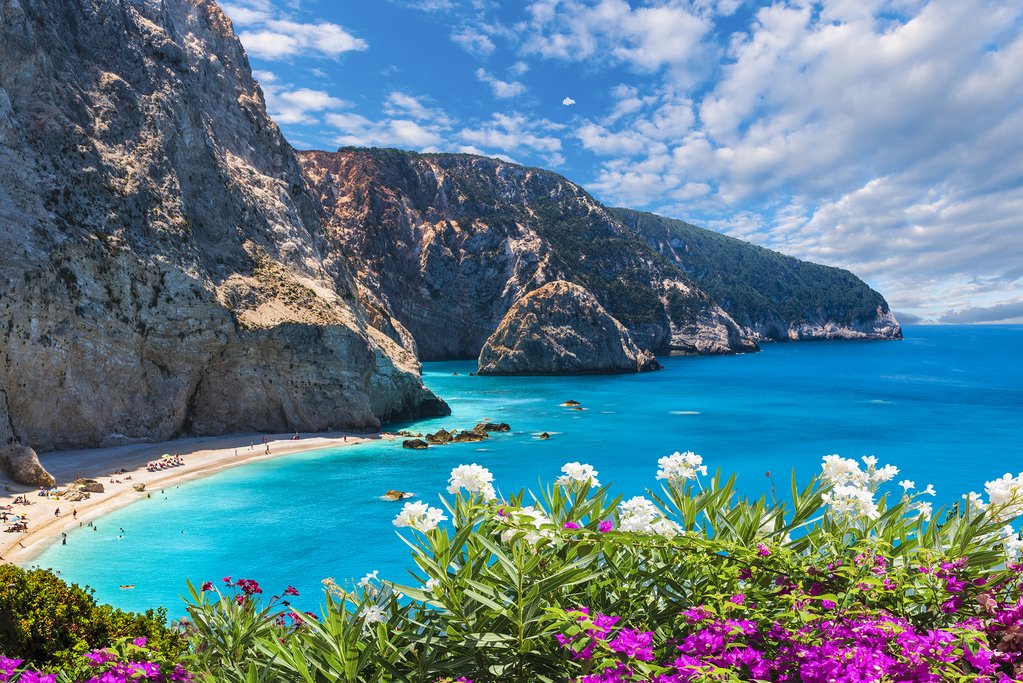
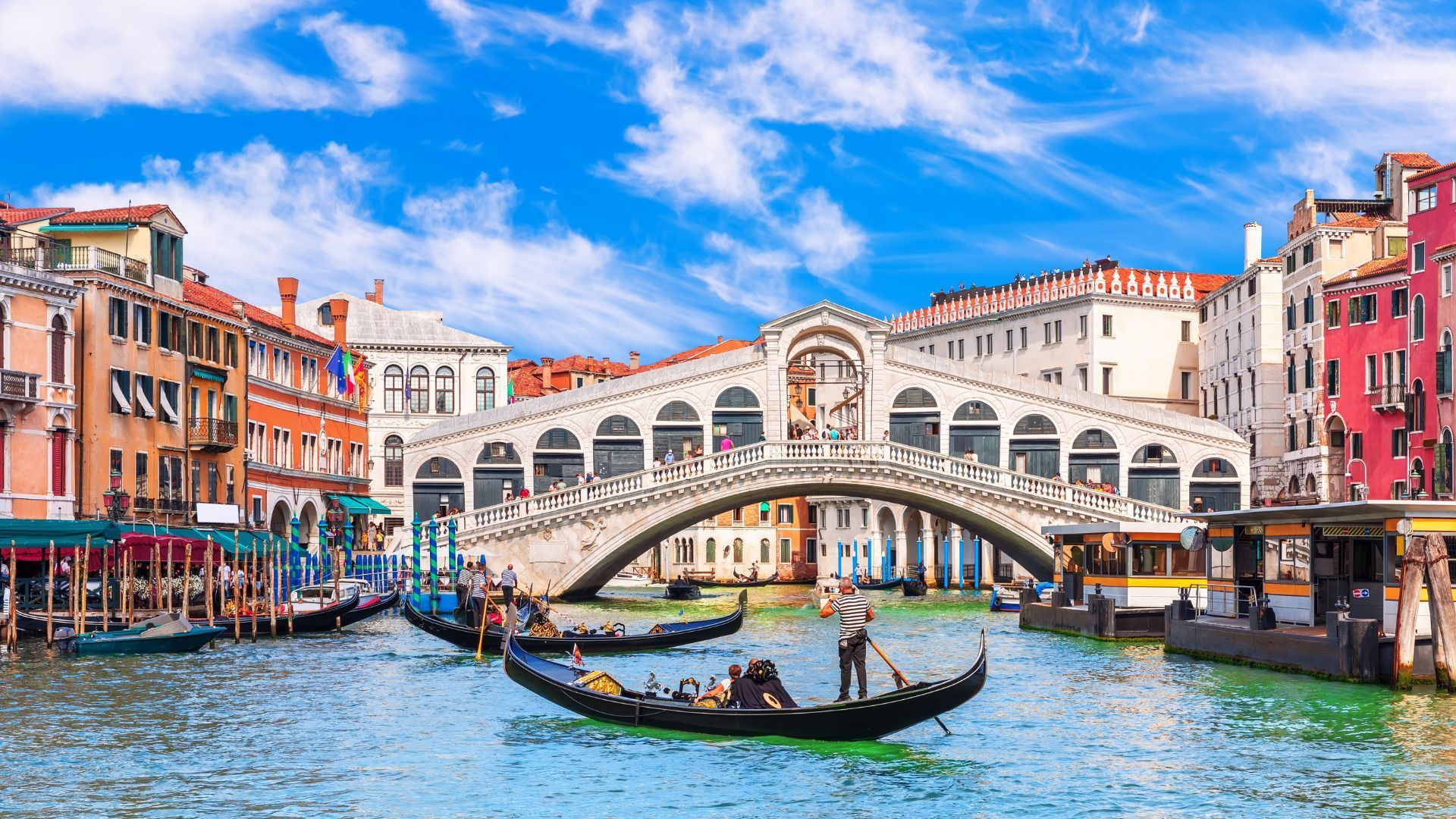
⚡ The TL;DR Verdict
If you dream of island hopping, ancient myths, and turquoise waters without breaking the bank, Greece is your clear winner, often costing €70-120 (~$75-$130) daily for a comfortable trip. Italy, however, is unmatched for its art, history, diverse regional cuisines, and dramatic landscapes, typically requiring €100-180 (~$108-$195) per day for a similar experience. Choose Greece for a relaxed, sun-drenched escape; opt for Italy for cultural immersion and culinary indulgence.
- Choose Greece: For those seeking sharp beaches, island hopping, ancient ruins with a relaxed vibe, and generally better value, especially outside of peak season or the most famous islands.
- Choose Italy: Ideal for history buffs, art lovers, foodies craving diverse regional cuisines, dramatic landscapes, and a well-developed, efficient travel infrastructure.
- Choose Both: If you have 3+ weeks, you can combine a week in Rome/Florence with a week in Athens/Santorini via a direct flight (e.g., Rome-Athens takes ~2 hours, ~€80-150 round trip), creating an epic Mediterranean journey.
Choose Greece
Opt for Greece if your ideal vacation involves sun-drenched days exploring ancient wonders like the Acropolis, followed by leisurely island hopping through the Cyclades to destinations like Santorini or Paros. It's perfect for budget-conscious travelers and sun-seekers dreaming of turquoise waters and a relaxed pace, offering incredible value for a comfortable trip, often around €70-120 daily.
Choose Italy
Select Italy for an unparalleled journey into art, history, and culinary excellence, perfect for discerning foodies and cultural adventurers. Immerse yourself in Rome's ancient forums, indulge in authentic pasta in Bologna, or marvel at the dramatic beauty of the Amalfi Coast. While requiring a slightly higher budget, Italy offers an unmatched tapestry of diverse regional experiences and elite-level heritage.
Quick Comparison
| Category | Greece | Italy | Winner |
|---|---|---|---|
| Beaches & Islands | Unrivaled island hopping, iconic white-sand beaches, and crystal-clear waters. | Beautiful coastal regions like Amalfi and Sicily, but fewer pure 'beach' destinations. | Greece |
| Food & Drink | Fresh, simple, delicious Mediterranean diet with iconic dishes like souvlaki, moussaka, and fresh seafood. | Unparalleled regional diversity, sophisticated culinary traditions, and world-renowned pasta, pizza, and gelato. | Italy |
| Culture & History | Birthplace of democracy, philosophy, and Western civilization; iconic ancient ruins. | Heart of the Roman Empire, Renaissance art, and millennia of layered history across diverse regions. | Italy |
| Costs & Budget | Generally more affordable, especially off-the-beaten-path or outside peak season. | Can be expensive, particularly in major cities or popular regions like the Amalfi Coast. | Greece |
| Getting Around | Excellent ferry system for island hopping, decent intercity buses; car rental recommended for mainland exploration. | Extensive, efficient train network connecting major cities; buses for smaller towns; driving can be challenging. | Italy |
| Accommodation | Diverse range from budget hostels to boutique hotels and traditional guesthouses; unique cave hotels. | Wide array of options, from agriturismi and B&Bs to luxury hotels, but generally higher prices. | Greece |
| Nightlife & Parties | Legendary island party scene (Mykonos, Ios) and chaotic city nightlife in Athens. | Chic aperitivo culture, diverse bars and clubs in major cities, but less focused on 'party destinations'. | Greece |
| Natural Beauty & Outdoors | Dramatic volcanic landscapes, turquoise waters, rugged coastlines, unique rock formations (Meteora). | Striking diversity from Dolomites to Tuscan rolling hills, volcanic Sicily, and beautiful lakes. | Italy |
| Family Travel | Family-friendly islands, safe environment, welcoming locals, historical sites for older kids. | Well-equipped for families with diverse attractions, but can be crowded and pricey. | Greece |
| Solo Travel & Safety | Generally very safe, easy to meet people on islands, good hostel scene. | Safe with common-sense precautions, efficient transport, but can be overwhelming in big cities. | Greece |
🏝️ Beaches & Islands
Greece absolutely dominates here. It's the land of island hopping, from the iconic volcanic beaches of Santorini (Perissa's black sand, Red Beach) and Mykonos' party shores (Super Paradise) to the pristine, less-crowded coves of Crete or Paxos. You can find everything from organized sandy stretches with umbrellas (e.g., Elafonisi in Crete) to secluded pebble bays reachable only by boat. The sheer variety and accessibility of island life, where you can literally spend weeks hopping ferries (e.g., Piraeus to Mykonos starts at €40-60, ~$43-$65), is what makes it special. Italy has sharp coastlines like the Amalfi Coast and Cinque Terre, and beautiful islands like Sicily and Sardinia, but their primary draw isn't 'beach lounging' in the same way Greece's is. The beaches are often rocky, more about picturesque views, or require significant effort to reach. "Honestly, nothing beats hopping a ferry in Greece, getting off on a random island, and finding a perfect little cove to yourself. Italy's coasts are gorgeous, but it's a different vibe, less about pure beach bliss." The color of the Aegean Sea is truly something else.
Winner takeaway
- Winner: Greece
- Why: Greece offers an unmatched variety and accessibility of elite-level beaches and island experiences tailored for relaxation and exploration.
- Who this matters for: Beach lovers, island hoppers, snorkelers, and those seeking a quintessential Mediterranean summer escape.
🍝 Food & Drink
This is a tough one, as both excel, but Italy's culinary scene is a global benchmark for a reason. From the rich ragù of Bologna to the fresh pesto of Liguria, the deep-fried delights of Rome (supplì!) to the pizza and arancini of Naples and Sicily, Italy offers an incredible range of sophisticated, regionally distinct flavors. You can have an authentic, mind-blowing pasta dish for €12-18 (~$13-$19) at a trattoria or splurge on Michelin-starred experiences. Gelato is an art form. Greece's food is fantastic – fresh seafood, loud salads, incredible olive oil, moussaka, souvlaki – it's healthy, flavourful, and honest. But it's generally less varied regionally and arguably less 'refined' than Italian cuisine. While a gyros for €3-5 (~$3.20-$5.40) is a godsend, a fine dining experience in Athens or Santorini might not reach the same heights as one in Florence or Rome. "Greek food is amazing, especially the fresh fish and mezzes, but Italy just has that next-level depth and regional variety. Every town has its own specialty that'll blow your mind." The sheer creativity and tradition in Italian cooking, from antipasti to dolci, is unparalleled.
Winner takeaway
- Winner: Italy
- Why: Italy wins for its incredible regional diversity, sophisticated culinary traditions, and global influence on gastronomy.
- Who this matters for: Foodies, culinary adventurers, and anyone who considers eating a central part of their travel experience.
🏛️ Culture & History
While Greece is the cradle of Western civilization, Italy offers a more consistently rich, diverse, and well-preserved historical and cultural tapestry across its entire landmass. In Greece, you have the Acropolis and Parthenon in Athens (€20, ~$21.60 entrance), Delphi, and Meteora's monasteries, which are absolutely impressive and foundational. But much of ancient Greece is in ruins or requires significant imagination. Italy, however, has the Roman Forum, Colosseum (€16, ~$17.30), Vatican City, Pompeii, the Uffizi Gallery in Florence, and Venice's canals – all within relatively easy reach and often stunningly preserved. The Renaissance, the Roman Empire, Etruscan civilization – the layers are incredible. Its art, architecture, and historical sites feel more 'alive' and integrated into daily life. "Greece's ancient sites are profound, but Italy just has *so much more* and it's often better preserved and integrated. You can spend weeks in Rome alone and not see it all." The sheer volume of internationally recognized museums, galleries, and ancient sites, coupled with colorful contemporary culture, gives Italy the edge.
Winner takeaway
- Winner: Italy
- Why: Italy boasts a more extensive, diverse, and well-preserved array of historical sites and cultural treasures, spanning millennia of significant periods.
- Who this matters for: History buffs, art lovers, classicists, and those seeking deep cultural immersion.
💰 Costs & Budget
For budget-conscious travelers, Greece often offers better value, especially if you avoid the most hyped islands like Mykonos and Santorini during July/August. A decent meal in a local taverna can be found for €10-15 (~$10.80-$16.20), a hostel bed for €25-45 (~$27-$48.50), and local bus fares are around €1.50-2.50 (~$1.60-$2.70). Inter-island ferries vary but are generally reasonable. Italy, while not impossible on a budget, is consistently more expensive. A sit-down meal in Rome or Florence will easily run €15-30 (~$16.20-$32.40), and even a quick coffee and pastry can add up. High-speed trains, while efficient, are pricier (e.g., Rome-Florence Frecciarossa starts at €30-50, ~$32.40-$54). Accommodation, especially in prime locations, is also higher. "I did Greece on €80 a day easily, including a few nice dinners. Italy felt like I was constantly budgeting, even for simple stuff. That €2.50 espresso adds up!" While both can be done cheaply with careful planning, Greece provides more breathing room for your wallet, particularly regarding food, local transport, and non-luxury accommodation.
Winner takeaway
- Winner: Greece
- Why: Greece generally offers a more budget-friendly experience for accommodation, food, and local transportation, especially away from the most famous tourist hubs.
- Who this matters for: Budget travelers, backpackers, and anyone looking to maximize their travel time without overspending.
🚂 Getting Around
Italy wins for its excellent and extensive train network. Trenitalia and Italo high-speed trains connect major cities like Rome, Florence, Venice, and Milan efficiently and comfortably, often taking just 1.5-3 hours between hubs, with tickets starting around €30-50 (~$32.40-$54) if booked in advance. This makes multi-city itineraries seamless. Buses fill the gaps for smaller towns. While driving offers flexibility, navigating narrow city streets and parking is notoriously difficult. Greece's strength lies in its comprehensive ferry system, essential for island hopping. Routes from Piraeus (Athens' port) to popular islands like Mykonos or Santorini can take 2.5-5 hours, costing €40-80 (~$43-$86) depending on speed and class. On the mainland, intercity buses are reliable and affordable. However, for exploring regions like the Peloponnese or Meteora, a rental car is almost essential. "Italy's trains are a dream. You just hop on, relax, and you're in a new city. Greece's ferries are cool, but getting around the mainland without a car felt like more of a puzzle." Overall, Italy's public transport network is more integrated and convenient for covering significant ground efficiently.
Winner takeaway
- Winner: Italy
- Why: Italy boasts a superior, extensive, and highly efficient train network for intercity travel, making multi-city itineraries exceptionally convenient.
- Who this matters for: Travelers prioritizing speed, comfort, and ease of intercity transport, especially those without a rental car.
🏨 Accommodation
Greece offers excellent value and unique accommodation experiences, especially outside the absolute peak season in Mykonos or Santorini. You can find charming family-run guesthouses (domatia) for €50-80 (~$54-$86) a night, clean hostels for €25-45 (~$27-$48.50), and even luxurious boutique hotels or iconic cave hotels in Oia, Santorini, that, while pricey (from €300+), feel incredibly special. The overall quality-to-price ratio is often better. Italy has a fantastic range too, from rustic agriturismi in Tuscany to elegant city hotels and charming B&Bs. However, prices are consistently higher. A comparable mid-range hotel in Rome or Florence will easily start at €100-180 (~$108-$195), and even hostels can creep up to €40-60 (~$43-$65) in popular cities. "I stayed in a gorgeous guesthouse in Paros with an ocean view for €70. Tried finding something similar in Positano and it was quadruple the price for less space. Greece is just better bang for your buck." The unique architecture of the Greek islands also lends itself to truly memorable stays that feel authentic and beautiful without always demanding luxury prices.
Winner takeaway
- Winner: Greece
- Why: Greece provides a better value proposition for accommodation across all budget ranges, including unique and charming options at more accessible prices.
- Who this matters for: Budget-conscious travelers, those seeking charming local stays, and anyone looking for good value without sacrificing authenticity.
🎉 Nightlife & Parties
When it comes to dedicated party destinations and an overall packed nightlife, Greece takes the crown. Mykonos is world-renowned for its beach clubs (e.g., Super Paradise Beach Club, Scorpios), international DJs, and all-night parties that cater to a glamorous crowd, with cocktails easily costing €15-25 (~$16-$27). Ios is the backpacker's party paradise, known for its bar crawls and late-night antics. Athens also has a thriving bar scene in areas like Psyrri and Gazi. While Italy has excellent nightlife in cities like Milan, Rome (Trastevere), and Bologna, with chic aperitivo hours and stylish clubs, it's generally more sophisticated and less about the 'all-out' party island vibe. You'll find fantastic cocktail bars and discotheques, but not the concentrated, multi-day party atmosphere that certain Greek islands offer. "If you want to properly party, Mykonos is insane. Italy's nightlife is cool, but it's more about going out for nice drinks, not dancing till sunrise on a beach like in Greece." For those seeking a dedicated party holiday, Greece is the undisputed champion.
Winner takeaway
- Winner: Greece
- Why: Greece offers a more concentrated and iconic party scene, especially on its famous islands, catering to various nightlife preferences from chic to wild.
- Who this matters for: Young travelers, party-goers, and those looking for packed social scenes and late-night entertainment.
🏞️ Natural Beauty & Outdoors
This is a close call, as both are incredibly beautiful, but Italy's sheer diversity of natural landscapes gives it an edge beyond the coastal beauty. Greece's natural wonders are striking: the caldera views of Santorini, the dramatic cliffs and turquoise waters of Zakynthos (Shipwreck Beach), the unique monastic rock formations of Meteora, and the vast natural parks of Crete. Hiking is popular in places like Samaria Gorge. Italy, however, boasts the majestic Dolomites (hiking paradise!), the serene beauty of the Italian Lakes (Como, Garda), the rolling, cypress-lined hills of Tuscany, the rugged coastlines of Cinque Terre, and the volcanic landscapes of Sicily (Mount Etna). It's a country that literally has everything from snow-capped peaks to active volcanoes to Mediterranean coasts, all within a relatively accessible area. "Greece's islands are paradise, but Italy has the Dolomites AND the Amalfi Coast AND Tuscany. It's just a different level of varied natural beauty. I went hiking in the Dolomites and it was unreal." The breadth of outdoor activities, from skiing to vineyard cycling, makes Italy a more diverse outdoor destination.
Winner takeaway
- Winner: Italy
- Why: Italy offers a more diverse range of natural landscapes, from majestic mountains to rolling hills, lakes, and volcanoes, providing a wider array of outdoor activities.
- Who this matters for: Hikers, nature photographers, outdoor adventurers, and those seeking varied scenic beauty beyond just beaches.
👨👩👧👦 Family Travel
Greece, particularly its islands, often feels like a more relaxed and welcoming destination for families, especially with younger children. Many islands offer beautiful, safe beaches with shallow waters (e.g., Naxos, Rhodes), and the pace of life is slower. Tavernas are very family-friendly, often offering simple, healthy food that kids love, and locals are generally doting towards children. Exploring ancient sites like the Acropolis can be exciting for older kids, and ferry travel adds an adventure element. Accommodation often features apartments or villas with kitchens, offering more space and flexibility. Italy is also very family-friendly, but can be more intense. Major cities like Rome or Venice can be overwhelming with strollers and young children due to crowds and complex navigation. While places like Tuscany or Lake Garda are idyllic, costs for larger families can quickly escalate, especially with transport and dining. "We took our two kids (5 and 8) to Crete and it was perfect. Easy beaches, yummy food, and everyone was so nice. Rome with a stroller was a nightmare, honestly." The more relaxed atmosphere and slightly lower costs in Greece make it a slightly less stressful option for a family vacation.
Winner takeaway
- Winner: Greece
- Why: Greece offers a more relaxed, safe, and welcoming environment for families, especially on its islands, with abundant child-friendly beaches and affordable accommodations.
- Who this matters for: Families with young children, those seeking a relaxed pace, and travelers prioritizing safety and ease.
🚶♀️ Solo Travel & Safety
Both countries are generally safe for solo travelers, but Greece edges out slightly for its welcoming atmosphere and ease of meeting people, especially on the islands. The hostel scene in Athens and on islands like Ios and Paros is colorful, making it easy to connect with other travelers. Greeks are famously hospitable, and solo diners are common and welcomed in tavernas. While petty crime like pickpocketing exists in Athens, it's generally a safe country. For female solo travelers, Greece is often cited as feeling particularly secure. Italy is also safe, but its major cities can feel more intense and overwhelming for solo exploration due to crowds, aggressive touts, and a more pronounced risk of petty theft in tourist hotspots like Rome's Termini station or Florence's Duomo square. "As a solo female traveler, I felt incredibly safe and welcomed in Greece, even walking alone at night on the islands. Italy was fine, but I was definitely more on guard in Rome." The ease of island hopping and the friendly, communal vibe of Greek islands lend themselves perfectly to solo adventures, offering both solitude and opportunities for connection.
Winner takeaway
- Winner: Greece
- Why: Greece offers a slightly more relaxed, welcoming, and generally safer environment for solo travelers, with excellent opportunities for meeting others.
- Who this matters for: Solo travelers (especially women), backpackers, and those prioritizing a sense of safety and community.
🎯 The Decision Framework
Choose Greece If…
- You desire to spend under €120 daily for a comfortable trip.
- You dream of seamless island-hopping adventures.
- You prioritize relaxing on postcard-worthy beaches with clear waters.
- You're looking for vibrant nightlife and beach parties.
- You want to explore ancient sites linked to Greek myths.
- You need budget-friendly accommodation options, even in popular areas.
- You are traveling solo and prioritize safety and ease of navigation.
- You're planning a family vacation with activities for all ages.
Choose Italy If…
- You want to experience iconic art and architecture, from Roman to Renaissance.
- You prioritize exploring diverse regional cuisines, from Neapolitan pizza to Roman pasta.
- You plan to travel extensively and efficiently by train across the country.
- You seek to explore historical sites like the Colosseum, Pompeii, or the Vatican.
- You desire to witness varied landscapes, from the Dolomites to the Amalfi Coast.
- You are keen to participate in guided food tours and cooking classes.
- You appreciate walking through preserved medieval villages and historic city centers.
- You want to easily access various regions using its extensive rail network.
❓ Frequently Asked Questions
Is Greece or Italy better for a first-time international traveler?
Italy might be slightly better for a first-timer due to its more developed and efficient train system, making intercity travel very straightforward. Its iconic landmarks are also easily accessible. Greece is fantastic, but navigating the ferry system for island hopping might be a slight learning curve for someone completely new to international travel.
Which destination is more romantic for couples?
This is a tough one, but Greece, particularly Santorini, often wins for sheer romantic iconography with its sunsets and caldera views. However, Italy's Venice, Florence, and the Amalfi Coast offer an unparalleled blend of charm, gourmet dining, and wide-open scenery, making it equally, if not more, romantic for many couples looking for a sophisticated getaway.
What's the best time of year to visit Greece vs. Italy?
For both, shoulder seasons (April-May and September-October) are ideal, offering pleasant weather, fewer crowds, and often better prices. Summer (June-August) is hot and crowded, especially in popular spots. Winter can be quiet and beautiful for cultural touring but many island services in Greece might be limited.
Can I combine Greece and Italy in one trip?
Absolutely! It's a fantastic combination if you have at least 2-3 weeks. Direct flights connect major hubs like Rome and Athens (approx. 2 hours, €80-150 round trip). You could start with a few days of history in Rome, then fly to Athens for more ancient wonders, and finish with some Greek island relaxation.
Which destination has better ancient ruins?
Greece has arguably older and more foundational ancient sites (Acropolis, Delphi) related to the birth of democracy and philosophy. However, Italy's Roman ruins (Colosseum, Forum, Pompeii) are often more expansive, better preserved, and integrated into daily life, offering a more complete and immersive historical experience.
Is English widely spoken in Greece and Italy?
In both countries, English is widely spoken in tourist areas, major cities, hotels, and restaurants. You'll find it easier in Greece on the popular islands and in Athens. In more rural parts of Italy, especially, knowing a few basic phrases in Italian will be incredibly helpful and appreciated.
Which destination is better for hiking?
Italy takes the edge for hiking due to its incredible diversity. The Dolomites offer internationally recognized mountain trails, the Cinque Terre boasts scenic coastal paths, and Tuscany provides beautiful rolling hills for gentler walks. Greece has fantastic hiking on islands like Crete (Samaria Gorge) and in regions like Meteora, but Italy's range is broader and more renowned.
Are there good vegetarian or vegan options in Greece and Italy?
Both countries are surprisingly good for vegetarians. Greek cuisine naturally features many vegetable-based dishes (salads, dips, grilled vegetables, bean stews). Italy, with its emphasis on pasta, pizza, and fresh produce, also offers countless vegetarian options. Vegan options require a bit more searching but are increasingly available in larger cities and tourist areas in both.
💰 Daily Cost Breakdown
| Expense | Greece | Italy |
|---|---|---|
| Hostel dorm | €25-45 | €30-55 |
| Budget hotel | €60-100 | €75-130 |
| Street food meal | €5-10 | €7-12 |
| Restaurant meal | €15-30 | €20-40 |
| Beer/drink | €4-7 | €5-9 |
| Local transport (day) | €4-9 | €7-12 |
| Daily budget total | €60-120 | €80-160 |
Approximate daily costs for 2026. Actual prices vary by season and travel style.
🌤️ Monthly Weather Comparison
| Month | Greece Temp | Greece Rain | Italy Temp | Italy Rain |
|---|---|---|---|---|
| Jan | 13°C/55°F | 56mm | 12°C/54°F | 67mm |
| Feb | 14°C/57°F | 46mm | 14°C/57°F | 73mm |
| Mar | 17°C/63°F | 42mm | 16°C/61°F | 58mm |
| Apr | 21°C/70°F | 28mm | 19°C/66°F | 80mm |
| May | 27°C/81°F | 18mm | 24°C/75°F | 47mm |
| Jun | 32°C/90°F | 8mm | 29°C/84°F | 23mm |
| Jul | 34°C/93°F | 6mm | 32°C/90°F | 12mm |
| Aug | 34°C/93°F | 7mm | 32°C/90°F | 17mm |
| Sep | 29°C/84°F | 15mm | 27°C/81°F | 73mm |
| Oct | 24°C/75°F | 50mm | 22°C/72°F | 94mm |
| Nov | 18°C/64°F | 64mm | 17°C/63°F | 110mm |
| Dec | 15°C/59°F | 70mm | 14°C/57°F | 81mm |
Average monthly high temperatures and rainfall based on historical climate data.
📅 Sample Itineraries
Weekend in Greece (3 Days)
💡 Three days gives you a great taste of Greece. Check out our Greece guide.
Weekend in Italy (3 Days)
💡 Three days gives you a great taste of Italy. Check out our Italy guide.
Week in Greece (7 Days)
💡 A full week gives you a great taste of Greece. Check out our Greece guide.
Week in Italy (7 Days)
💡 A full week gives you a great taste of Italy. Check out our Italy guide.
Ready to plan your Mediterranean adventure?
Get a free custom itinerary for Greece, Italy, or both — built from real traveler insights, tailored to your budget and preferences.
🎟️ Book Tours & Experiences
Hand-picked tours and activities for both destinations — book with free cancellation
Experiences via Viator — free cancellation on most tours