How we built this comparison
This page combines traveler discussion patterns, published price ranges, flight schedules, and seasonal data to help you decide between Germany and Netherlands.
- Reviewed 500+ Reddit threads from r/travel, r/solotravel, r/Germany, r/Netherlands, etc.
- Verified costs and logistics against current booking platforms for flights, trains, and accommodation.
- Cross-referenced seasonal patterns, weather data, and major event calendars.
⚡ Quick Answers
⚡ The TL;DR Verdict
For most travelers seeking a broader range of landscapes, historical depth, and better value outside capital cities, Germany is the pick. It offers more varied experiences for a mid-range budget of €70-150 ($75-165) per day. The Netherlands, while charming and easy, leans more expensive, especially in Amsterdam, generally requiring €90-180 ($100-200) daily for a comparable trip.
- Choose Germany: You prioritize comprehensive history, grand architecture, expansive nature, and a slightly lower cost of travel for a longer trip. Ideal for history buffs, outdoor enthusiasts, and those looking to explore more than just one city.
- Choose Netherlands: You prefer compact, easily navigable cities, a strong cycling culture, and a relaxed, café-focused atmosphere. Perfect for a shorter, city-focused trip where convenience and English proficiency are key.
- Choose Both: If you have 10-14 days, you can combine a major German city like Berlin or Cologne with Amsterdam, leveraging efficient train connections to experience both distinct cultures without feeling rushed.
Choose Germany
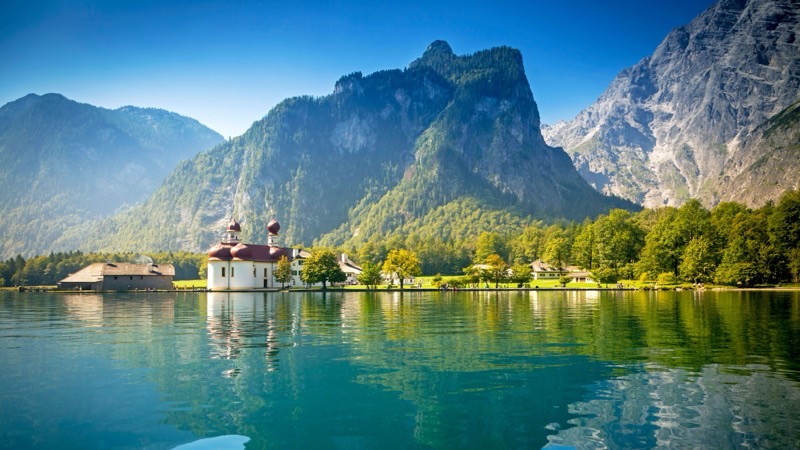
Choose Germany if you're an intrepid traveler seeking a blend of rich history, diverse landscapes, and excellent value. Explore majestic castles like Neuschwanstein, hike through the Black Forest, or delve into Berlin's iconic historical sites and vibrant art scene. It's best for history buffs, nature lovers, and those on a mid-range budget looking for expansive experiences beyond just major cities.
Choose Netherlands
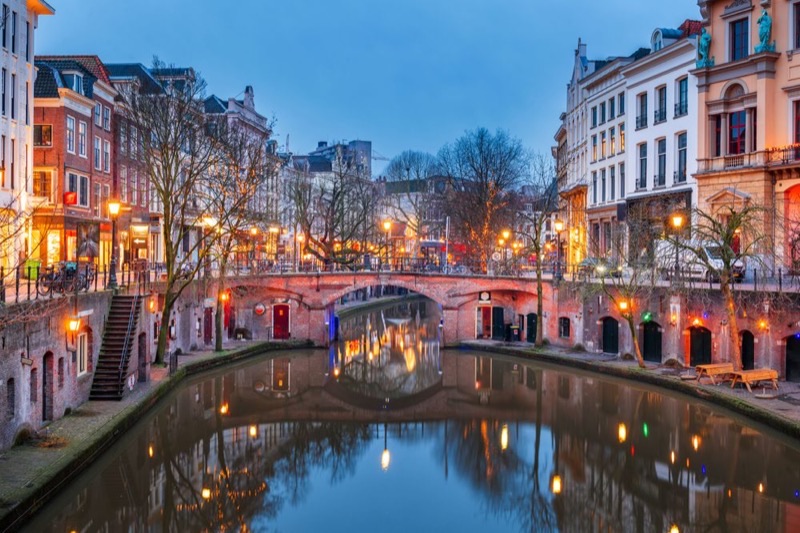
Opt for the Netherlands if you desire a charming, easily navigable trip centered around iconic cities and a relaxed pace. Cycle along Amsterdam's canals, immerse yourself in world-class art at the Rijksmuseum, or explore picturesque towns like Utrecht. This destination is best for art lovers, those seeking convenience, and travelers prioritizing a compact, culturally rich city escape, despite a slightly higher cost.
📊 Visual Scorecard
🌤 When to Visit
Average high temperatures (°C). Green = best months, orange = avoid.
Quick Comparison
| Category | Germany | Netherlands | Winner |
|---|---|---|---|
| Costs & Budget | Generally more budget-friendly outside of Munich/Berlin; varied accommodation and food options. Average daily budget €70-150. | Higher costs, especially in Amsterdam and other popular cities. Accommodation and eating out add up quickly. Average daily budget €90-180. | Germany |
| Cities & Culture | Extensive history from Roman times to WWII, diverse regional cultures, grand architecture, world-class museums in Berlin and Munich. | Historic canal cities, Golden Age art, modern architecture in Rotterdam, cycling culture, relaxed café scene, generally flatter landscapes. | Germany |
| Food & Drink | Hearty, regional cuisine with variations of sausages, schnitzel, potatoes, and bread. Beer culture is central, especially in Bavaria. | Comfort food, strong Indonesian influence, herring, Stroopwafels, cheeses. Focus on pubs and cafés, less emphasis on beer variety. | Germany |
| Nature & Outdoors | Diverse landscapes including the Bavarian Alps, Black Forest, Rhine Valley, Baltic Sea coast, and numerous national parks. | Flat polder landscapes, extensive coastlines, national parks like Hoge Veluwe, tulip fields, and windmills. | Germany |
| Transportation & Getting Around | Extensive, efficient rail network (Deutsche Bahn), good autobahn system for cars, reliable public transport in cities. | Compact, efficient rail network (NS), excellent cycling infrastructure in cities, walkable centers. | Tie |
| Nightlife | Berlin is a major global clubbing destination. Munich has beer halls. Other cities offer varied bar and pub scenes. | Amsterdam has a diverse bar and club scene. Rotterdam offers modern venues. Less intense than Berlin, more focus on pubs and cafés. | Germany |
| Accommodation | Wide range of options from budget hostels to luxury hotels, guesthouses (Gasthöfe), and unique rural stays. Generally good value. | Varied options, but generally more expensive, especially in Amsterdam. Hostels, boutique hotels, and canal houses are common. Limited budget options. | Germany |
| Day Trips | Countless options from major cities to castles, national parks, historic towns, and vineyards. | Easy access to charming towns, tulip fields (seasonal), windmills, and the coast. Country is smaller, so trips are shorter. | Germany |
| Flight Access & Travel Time | Major international airports in Frankfurt, Munich, Berlin. Direct flights from North America and Asia typically 7-9 hours. | One primary international airport in Amsterdam (Schiphol). Direct flights from North America and Asia typically 7-8 hours. | Germany |
| Safety & Local Vibe | Generally very safe. Germans are direct and efficient. English is understood in tourist areas. Respect rules and order. | Very safe, especially outside specific areas of Amsterdam. Dutch are open and direct. High English proficiency. | Netherlands |
💰 Costs & Budget
Germany offers more stretch for your euro, particularly once you leave major hubs like Munich or Berlin. A decent meal in a restaurant outside the big cities might be €12-18…
Germany
Netherlands
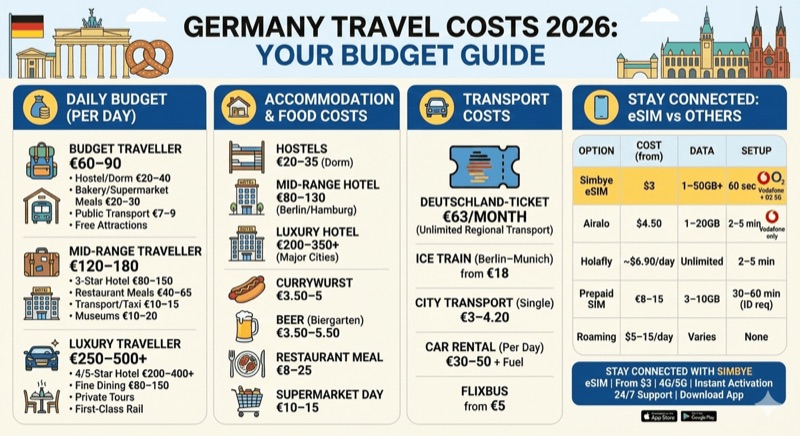
Germany offers more stretch for your euro, particularly once you leave major hubs like Munich or Berlin. A decent meal in a restaurant outside the big cities might be €12-18 ($13-20), and a budget hotel room or guesthouse can be found for €60-90 ($65-100) per night. Public transport is efficient but can be expensive for single tickets; consider a Deutschlandticket for €49 ($54) if traveling extensively by regional train for a month. Groceries are affordable, making self-catering a good option. Entrance fees to museums or castles like Neuschwanstein typically range from €15-25 ($16-27).
The Netherlands is noticeably pricier, with Amsterdam leading the way. A standard restaurant meal often starts at €18-25 ($20-27), and a budget hotel or hostel private room in Amsterdam can easily cost €90-140 ($100-155) per night. Train tickets between cities, while convenient, are not cheap; for example, Amsterdam to Utrecht is about €8 ($9) one way. Renting a bicycle for a day is typically €10-15 ($11-16). Museum entry, like the Rijksmuseum, is around €22.50 ($25). For travelers prioritizing budget, Germany provides more comfort for less money over a longer trip.
Tabiji verdict: Germany offers better value for money, allowing for a longer trip or more experiences on a fixed budget.
- Winner: Germany
- Why: Germany provides greater value across accommodation, food, and transport, especially outside its most famous cities.
- Who this matters for: Budget-conscious travelers and those planning longer trips.
🏛️ Cities & Culture
Germany presents an immense depth of history and regional character. Berlin is a center for contemporary art, history (Brandenburg Gate, Berlin Wall Memorial), and a dynamic arts…
Germany
Netherlands
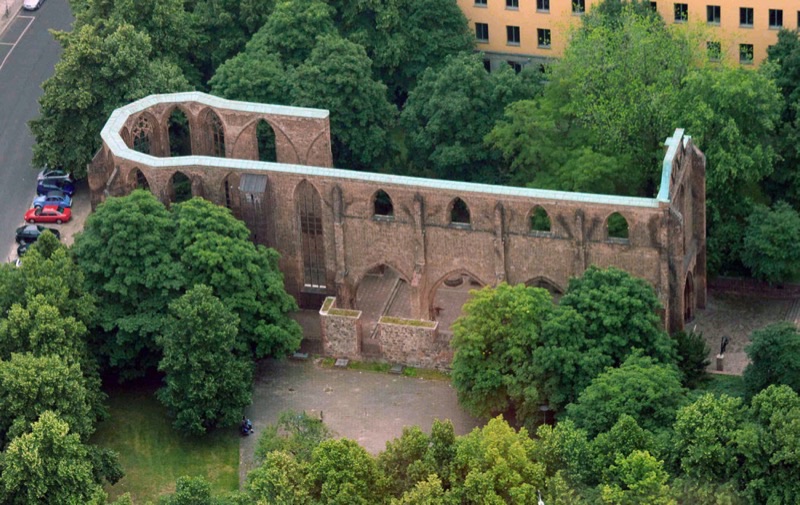
Germany presents an immense depth of history and regional character. Berlin is a center for contemporary art, history (Brandenburg Gate, Berlin Wall Memorial), and a dynamic arts scene. Munich offers Bavarian traditions, Hofbräuhaus, and access to the Alps. Cities like Cologne showcase Roman and medieval heritage with its famous Cathedral, while Dresden boasts baroque architecture. The country’s history is omnipresent, from medieval towns like Rothenburg ob der Tauber to the industrial Ruhr area. Museums are plentiful and cover a vast range of subjects, from the Pergamon Museum in Berlin to the Deutsches Museum in Munich, usually costing €10-20 ($11-22) for entry.
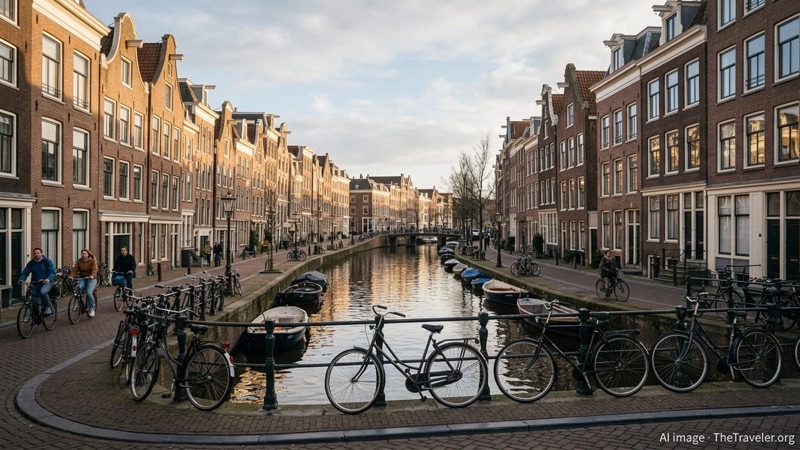
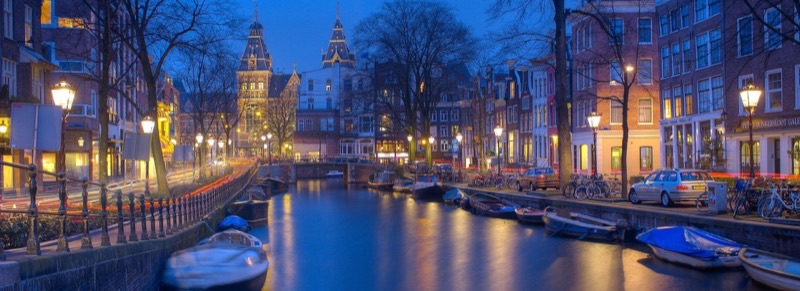
The Netherlands features charming, compact cities with a focus on canals, gabled houses, and cycling. Amsterdam is known for its museums (Rijksmuseum, Van Gogh Museum), Anne Frank House, and a particular coffee shop culture. Utrecht offers a canal system you can walk at water level, while Rotterdam stands out with its modern, post-war architecture and innovative design. The country's history is deeply tied to its maritime past and art. Cultural experiences often involve walking or cycling tours, visits to cheese markets, or exploring smaller, specific museums. The experience is generally more intimate and less grand in scale than Germany.
Tabiji verdict: Germany’s cities and cultural offerings are more varied and historically expansive, providing a broader range of experiences.
- Winner: Germany
- Why: Germany offers a wider array of historical periods, architectural styles, and regional cultural identities across its many cities.
- Who this matters for: History buffs, art enthusiasts, and travelers seeking diverse urban experiences.
🥨 Food & Drink
German food is substantial and regionally distinct. In Bavaria, expect Weißwurst and pretzels with local beer. Berlin offers Currywurst from street vendors for €3-5 ($3.30-5.50)…
Germany
Netherlands
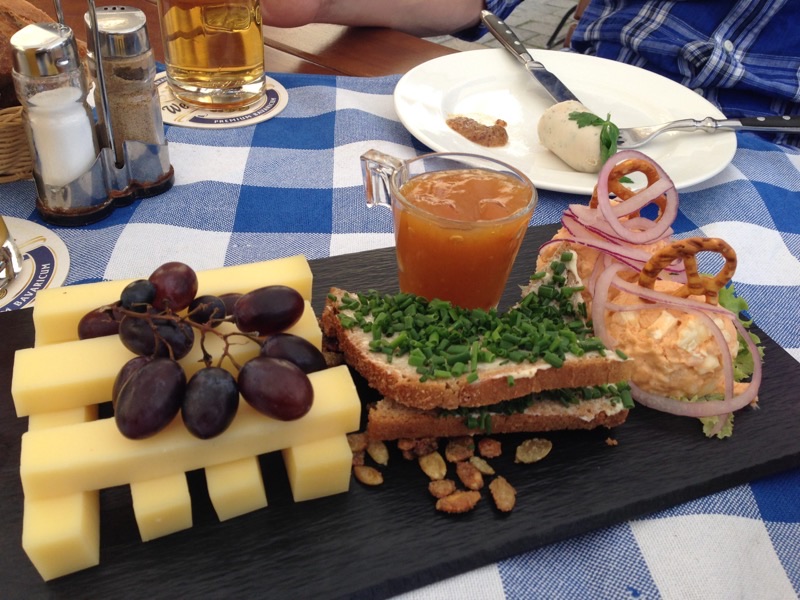
German food is substantial and regionally distinct. In Bavaria, expect Weißwurst and pretzels with local beer. Berlin offers Currywurst from street vendors for €3-5 ($3.30-5.50) and a diverse international food scene. The Rhineland has Sauerbraten, while the north features fish dishes. Beer culture is paramount, with countless local breweries and beer gardens (Biergärten) serving liters of quality beer for €4-6 ($4.50-6.50). Traditional restaurants (Gasthäuser) provide generous portions of hearty fare, ensuring you will not go hungry. Bakeries are also excellent, offering a range of fresh breads and cakes.
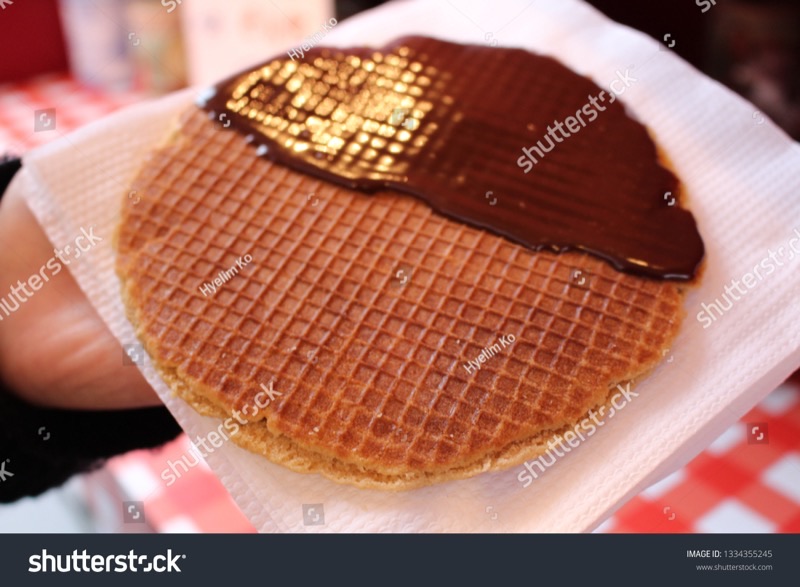
Dutch cuisine leans towards comfort food and snacks. Expect bitterballen (fried meatballs) in pubs, broodje haring (raw herring sandwich) from street stalls for €4-6 ($4.50-6.50), and generous cheese platters. The influence of Indonesian cuisine is strong, particularly in cities like Amsterdam, with Rijsttafel (rice table) being a popular communal dining experience that can cost €25-40 ($27-44) per person. Beer is popular, but less diverse than in Germany, with Heineken and Grolsch being common. Cafés (koffiehuizen) are central to social life, often serving simple sandwiches and pastries. Overall, while the Netherlands has its specific treats, Germany offers a broader and more substantial culinary landscape.
Tabiji verdict: Germany wins for its more diverse, hearty, and established regional food and drink culture, especially for beer lovers.
- Winner: Germany
- Why: Germany has a more varied and historically rooted culinary identity with a world-renowned beer culture.
- Who this matters for: Foodies seeking traditional European fare and beer enthusiasts.
⛰️ Nature & Outdoors
Germany's geography is much more varied, offering everything from high mountains to dense forests and long coastlines. The Bavarian Alps provide opportunities for hiking, skiing,…
Germany
Netherlands
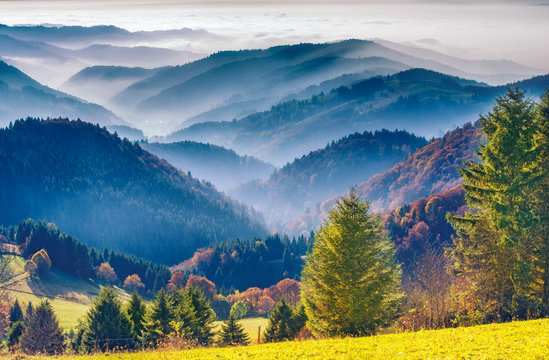
Germany's geography is much more varied, offering everything from high mountains to dense forests and long coastlines. The Bavarian Alps provide opportunities for hiking, skiing, and scenic drives, with iconic sites like Königssee lake. The Black Forest (Schwarzwald) is known for its dense woods, cuckoo clocks, and thermal spas. The Rhine Valley (Rheintal) is lined with castles and vineyards, perfect for river cruises. National parks like Saxon Switzerland (Sächsische Schweiz) offer unique rock formations for climbing and hiking. The Baltic Sea coast (Ostseeküste) provides sandy beaches and islands. This variety ensures outdoor activities for all seasons.
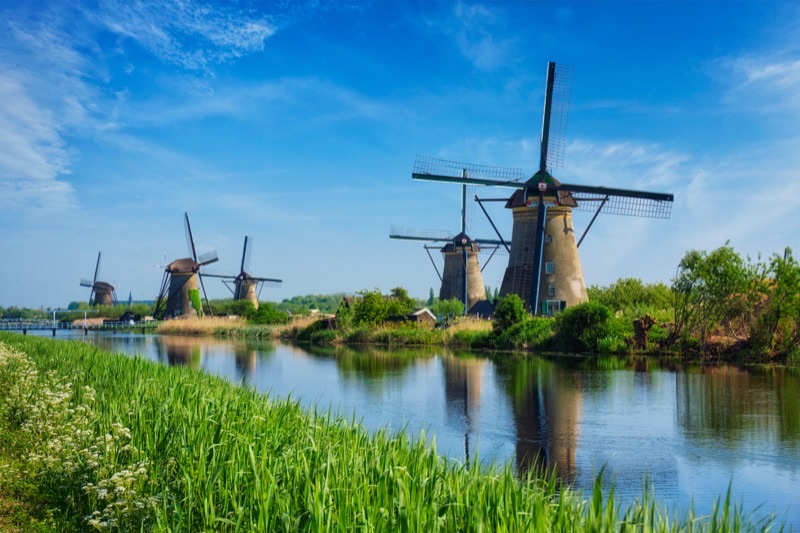
The Netherlands is predominantly flat, defined by its polder landscapes, extensive coastline along the North Sea, and inland waterways. The Hoge Veluwe National Park offers forests, heathlands, and sand drifts, and is best explored by free white bicycles. The famous tulip fields (e.g., Keukenhof Gardens, open seasonally) are a major draw in spring. While beautiful in its own way, the natural scenery is less dramatic and varied than Germany's. Activities mostly center around cycling, walking along canals, or visiting beaches. For travelers seeking significant geological features or a wide range of outdoor adventures, Germany offers more.
Tabiji verdict: Germany's diverse topography, from mountains to forests, provides a much broader range of natural experiences and outdoor activities.
- Winner: Germany
- Why: Germany's landscape includes mountains, forests, and river valleys, offering a greater variety of outdoor activities and scenery.
- Who this matters for: Hikers, nature photographers, and travelers seeking diverse outdoor recreation.
🚆 Transportation & Getting Around
Germany boasts an incredibly extensive and efficient rail network operated by Deutsche Bahn (DB), connecting cities and towns across its large territory. High-speed ICE trains are…
Germany
Netherlands
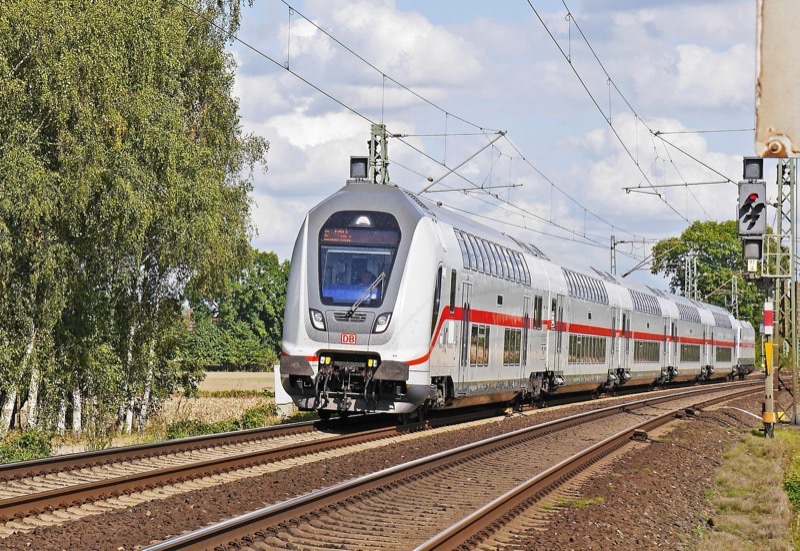
Germany boasts an incredibly extensive and efficient rail network operated by Deutsche Bahn (DB), connecting cities and towns across its large territory. High-speed ICE trains are comfortable but can be pricey if not booked in advance; regional trains are more affordable. The autobahn system allows for fast driving, though speed limits are common in many sections. City public transport (U-Bahn, S-Bahn, tram, bus) is reliable and covers most areas. A monthly Deutschlandticket for €49 ($54) provides unlimited regional train travel, offering good value for longer stays. Traveling long distances can take several hours, for example, Berlin to Munich is about 4-6 hours by train.
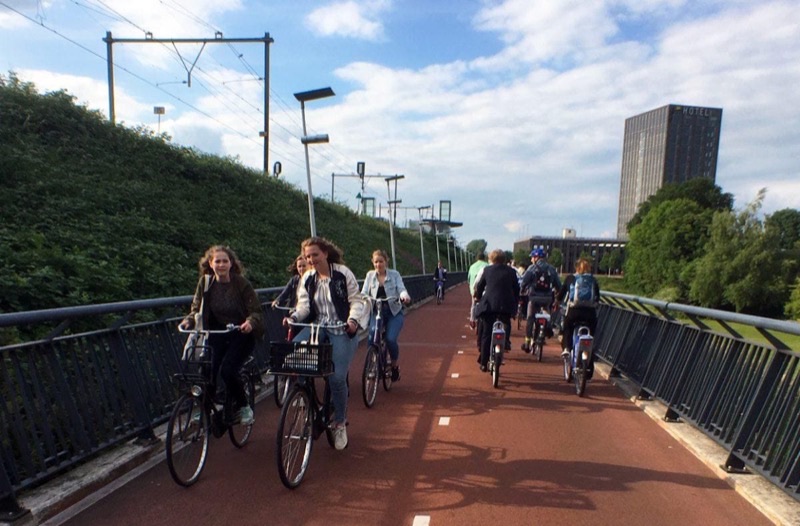
The Netherlands has a compact and equally efficient rail network operated by NS, making inter-city travel quick and easy. Most journeys between major cities are under an hour. However, train fares per kilometer are generally higher than in Germany. The defining characteristic of Dutch transport is its exceptional cycling infrastructure, especially in cities like Amsterdam and Utrecht, where bikes are often the quickest way to get around. Public transport within cities is also very good. For short-distance, quick travel within a smaller country, the Netherlands is superb. For covering vast distances with diverse options, Germany excels.
Tabiji verdict: Both countries offer excellent and efficient ways to get around, catering to different travel styles and distances.
- Winner: Tie
- Why: Both countries offer top-tier transportation systems, with Germany excelling in long-distance rail and road, and the Netherlands in compact city navigation and cycling.
- Who this matters for: All travelers, as both countries provide high-quality options.
🌃 Nightlife
Germany, particularly Berlin, is a powerhouse in nightlife. Berlin's club scene, with venues like Berghain, Sisyphos, and Tresor, is world-renowned for its techno music and…
Germany, particularly Berlin, is a powerhouse in nightlife. Berlin's club scene, with venues like Berghain, Sisyphos, and Tresor, is world-renowned for its techno music and late-night operations, often continuing through the weekend. Entrance fees can range from €15-30 ($16-33). Munich has its famous beer halls (Hofbräuhaus, Augustiner-Keller) where people gather for traditional Bavarian beer and food. Hamburg offers the Reeperbahn district for more adult entertainment and live music. Other cities like Cologne and Leipzig also have active bar and club scenes, offering a broad spectrum of evening entertainment from relaxed pubs to high-energy dance floors.
The Netherlands offers a solid, if less intense, nightlife. Amsterdam has a range of clubs (e.g., Melkweg, Paradiso) and numerous bars and pubs (brown cafés). Entry to clubs typically ranges from €10-20 ($11-22). Rotterdam's modern architecture extends to its nightlife, with more contemporary venues. The focus is often on socializing in bars and enjoying local beers or cocktails. While there are good electronic music venues, the scale and reputation do not match Berlin's unique standing. For travelers whose primary goal is experiencing top-tier clubbing or traditional large-scale social drinking, Germany provides more extreme and distinct experiences.
Tabiji verdict: Germany, specifically Berlin, offers a nightlife experience that is globally recognized and unmatched in its intensity and specific offerings.
- Winner: Germany
- Why: Germany, particularly Berlin, holds a global reputation for its unique and extensive club scene that operates for days.
- Who this matters for: Party-goers, electronic music enthusiasts, and those seeking late-night social experiences.
🏨 Accommodation
Germany offers a wider array of accommodation options that tend to provide better value for money, especially outside of peak seasons in Munich or Berlin. Hostels in major cities…
Germany offers a wider array of accommodation options that tend to provide better value for money, especially outside of peak seasons in Munich or Berlin. Hostels in major cities can be found for €25-40 ($27-44) per night for a dorm bed, and budget private rooms in guesthouses or smaller hotels often range from €60-90 ($65-100). Larger cities have international hotel chains, while rural areas boast charming Gasthöfe (traditional inns) that offer a local experience. Booking in advance, especially for popular areas or during events like Oktoberfest, is always wise. Overall, the range of choices and price points makes it easier to find suitable lodging for different budgets.
The Netherlands, particularly Amsterdam, has a reputation for expensive accommodation. A dorm bed in a well-rated Amsterdam hostel can cost €35-60 ($38-66) per night, while a private budget room often starts at €90-140 ($100-155). Outside Amsterdam, prices can be slightly lower but still generally exceed German equivalents. Boutique hotels, unique canal house rentals, and larger chain hotels are common. Finding truly cheap accommodation can be challenging, and quality for budget options is not always consistent. Travelers needing to save on accommodation will find Germany much more accommodating to their wallets.
Tabiji verdict: Germany provides more affordable and diverse accommodation choices, offering better value for budget and mid-range travelers.
- Winner: Germany
- Why: Germany offers more budget-friendly and diverse accommodation options, ensuring better value across the spectrum.
- Who this matters for: Budget travelers, families, and anyone looking for good value on lodging.
🗺️ Day Trips
Germany's size and diverse geography make it an excellent country for day trips from almost any major city. From Munich, you can visit Neuschwanstein Castle (€17 ($18.50) entry),…
Germany's size and diverse geography make it an excellent country for day trips from almost any major city. From Munich, you can visit Neuschwanstein Castle (€17 ($18.50) entry), explore the Bavarian Alps, or take a train to Salzburg, Austria. From Berlin, Potsdam (Sanssouci Palace) and the Spreewald biosphere reserve are easy to reach. The Rhine Valley, with its castles and vineyards, is accessible from Cologne or Frankfurt. The Black Forest offers numerous hiking trails and picturesque villages. The sheer number of historical sites, natural wonders, and distinct regions within a few hours' train ride makes Germany a day-tripper's paradise.
The Netherlands also offers good day trip opportunities, mostly due to its compact size and efficient train network. From Amsterdam, you can easily reach charming towns like Utrecht, Haarlem, or The Hague (Den Haag) within 30-60 minutes by train, costing €8-12 ($9-13) one way. The Keukenhof Gardens (tulip fields) are a popular seasonal day trip, while the Zaanse Schans open-air museum provides windmills and traditional crafts. The coast (e.g., Scheveningen from The Hague) is also easily accessible. While these trips are pleasant and convenient, they offer less diversity in landscape and historical scope compared to Germany's options.
Tabiji verdict: Germany offers a significantly broader and more varied range of day trip destinations, catering to diverse interests from history to nature.
- Winner: Germany
- Why: Germany's larger size and varied landscape allow for a much wider selection of day trips, from castles to mountains.
- Who this matters for: Travelers who enjoy exploring beyond the main cities and seeing varied landscapes.
✈️ Flight Access & Travel Time
Germany has multiple major international airports, with Frankfurt (FRA) being a primary hub for connections across Europe and globally. Munich (MUC) and Berlin (BER) also offer…
Germany has multiple major international airports, with Frankfurt (FRA) being a primary hub for connections across Europe and globally. Munich (MUC) and Berlin (BER) also offer extensive international routes. A direct flight from New York (JFK) to Frankfurt (FRA) is typically around 7.5-8 hours. From London (LHR) to Berlin (BER) is about 1.5 hours. The availability of multiple entry points can sometimes lead to more competitive flight pricing and offers more flexibility for multi-city itineraries within Germany or onward to other European countries. Landing in Frankfurt often provides easy train connections to almost anywhere in Germany.
The Netherlands primarily relies on Amsterdam Schiphol (AMS) for international arrivals. Schiphol is an incredibly efficient airport with excellent public transport links directly into Amsterdam and other Dutch cities. A direct flight from New York (JFK) to Amsterdam (AMS) is typically around 7 hours. From London (LHR) to Amsterdam (AMS) is about 1 hour. While Schiphol is a major hub, having only one dominant international airport means less competition for long-haul routes directly into the country. Germany's multiple large airports offer more choices for arrival and departure points, which can be advantageous for route planning and potentially finding better deals.
Tabiji verdict: Germany wins due to its greater number of major international airports, offering more flexibility and potential flight options.
- Winner: Germany
- Why: Germany's multiple large international airports provide more entry points and potentially more diverse flight options.
- Who this matters for: International travelers, especially those planning multi-country European trips or seeking specific flight deals.
🛡️ Safety & Local Vibe
Germany is a very safe country for travelers, with low rates of violent crime. Petty crime, like pickpocketing, can occur in crowded tourist areas or on public transport,…
Germany is a very safe country for travelers, with low rates of violent crime. Petty crime, like pickpocketing, can occur in crowded tourist areas or on public transport, particularly in Berlin or Munich. Germans are known for being direct, efficient, and respectful of rules and order. While English is spoken in tourist-heavy areas and by younger generations, making an effort with a few German phrases (e.g., 'Guten Tag,' 'Danke') is always appreciated. The overall vibe is one of structured friendliness, with a strong emphasis on personal space and punctuality. Travelers should be mindful of local customs regarding noise and public behavior.
The Netherlands is also an extremely safe country, with a relaxed atmosphere. Petty crime exists in Amsterdam's busiest areas, but it is manageable with basic precautions. The Dutch are generally open, direct, and pragmatic, with an excellent command of English, making communication very easy for most travelers. The social environment is often described as tolerant and easy-going. The country's compact nature and emphasis on cycling contributes to a calm, manageable pace in many cities. For a first-time European traveler or someone who prioritizes ease of communication and a relaxed setting, the Netherlands provides a slightly more comfortable initial experience.
Tabiji verdict: The Netherlands edges out Germany for its exceptionally high English proficiency and consistently relaxed, easy-to-navigate atmosphere for travelers.
- Winner: Netherlands
- Why: The Netherlands offers exceptionally high English proficiency and a consistently relaxed, open atmosphere, making it very accessible for travelers.
- Who this matters for: First-time international travelers, solo travelers, and those who prioritize easy communication and a laid-back environment.
🎯 The Decision Framework
Choose Germany If…
- You want to explore diverse historical periods, from Roman ruins to medieval castles and WWII sites.
- You crave expansive natural landscapes like mountains, vast forests, and river valleys for hiking.
- Your budget is tighter, and you want more value for your money across accommodation and food.
- You are a beer enthusiast eager to experience traditional beer gardens and regional brews.
- You plan a longer trip and want to cover significant ground without feeling rushed.
- You seek the intensity of Berlin's electronic music scene.
- You appreciate efficient, far-reaching train travel to explore a larger country.
Choose Netherlands If…
- You prefer charming, compact cities that are easy to navigate by foot or bike.
- You value exceptional English proficiency among locals for effortless communication.
- You are keen on experiencing a strong cycling culture and seeing flat, polder landscapes.
- You are interested in Golden Age art, maritime history, and distinctive canal architecture.
- You prioritize convenience and shorter travel times between major cities.
- You enjoy a relaxed café culture and unique urban atmosphere.
- You want easy access to seasonal attractions like the tulip fields.
📅 Sample Itineraries
Weekend in Germany (3 Days)
💡 Purchase a Berlin WelcomeCard for €23-50, which provides free public transport and discounts on attractions, saving time and money on individual tickets.
Weekend in Netherlands (3 Days)
💡 Consider buying an I Amsterdam City Card (€65-125 for 24-120 hours) for free public transport, canal cruise, and museum entries, which can offer savings if you plan to visit many attractions.
One Week in Germany (7 Days)
💡 Utilize the Deutsche Bahn's Länder-Tickets (€25-35) for unlimited regional train travel within a federal state for a day, which is excellent for exploring a specific region like Bavaria or Brandenburg.
One Week in Netherlands (7 Days)
💡 Purchase an OV-chipkaart (€7.50 for the card, then load credit) for seamless travel on all public transport across the Netherlands, avoiding the hassle of buying individual tickets.
❓ Frequently Asked Questions
What is the average daily budget difference between Germany and the Netherlands?
Germany generally allows for a daily budget of €70-150 ($75-165) for mid-range travel, while the Netherlands, especially Amsterdam, often requires €90-180 ($100-200) per day. Accommodation and dining are typically more expensive in Dutch cities.
Which country is better for first-time solo travelers in Europe?
The Netherlands is slightly better for first-time solo travelers due to its compact size, exceptionally high English proficiency, and relaxed atmosphere. Germany is also very safe, but its larger scale might feel less immediate.
How long should I plan for a trip to each country?
For Germany, plan at least 7-10 days to cover 2-3 major regions like Berlin, Bavaria, or the Rhine Valley. For the Netherlands, 4-7 days is sufficient to explore Amsterdam and 1-2 other cities like Utrecht or Rotterdam.
Is train travel efficient in both Germany and the Netherlands?
Yes, both countries have highly efficient train networks. Deutsche Bahn (DB) in Germany covers long distances reliably, while Nederlandse Spoorwegen (NS) connects Dutch cities quickly, with most journeys under an hour.
Which country offers better options for nature and hiking?
Germany offers significantly more diverse and dramatic natural landscapes, including the Bavarian Alps, the Black Forest, and national parks with unique rock formations, making it superior for nature and hiking enthusiasts.
What are the main flight hubs for international travelers?
Germany has multiple major international airports: Frankfurt (FRA), Munich (MUC), and Berlin (BER). The Netherlands primarily uses Amsterdam Schiphol (AMS) as its main international gateway.
Can I easily travel between Germany and the Netherlands?
Yes, high-speed trains connect major cities between both countries efficiently. For example, Amsterdam to Berlin takes approximately 6 hours by direct train, making a combined trip feasible.
Which country has more historical sites related to World War II?
Germany has a greater number of historical sites directly related to World War II, including numerous memorials, museums (like the Topography of Terror in Berlin), and former concentration camps. The Anne Frank House in Amsterdam is a key WWII site in the Netherlands.
Ready to plan your European trip?
Get a free custom itinerary for Germany, Netherlands, or both — built from real traveler insights.
👥 Travelers Also Compared
🎟️ Book Tours & Experiences
Hand-picked tours and activities for both destinations — book with free cancellation
Experiences via Viator — free cancellation on most tours