How we built this comparison
This page combines traveler discussion patterns, published price ranges, flight schedules, and seasonal data to help you decide between Germany and Austria.
- Reviewed 50+ Reddit threads from r/travel, r/solotravel, r/Germany, r/Austria, and other relevant subreddits for authentic traveler experiences and advice.
- Verified costs for accommodation, transport, and food against current booking platforms (Booking.com, Hostelworld, DB, ÖBB) and reputable travel blogs in late 2023 / early 2024.
- Cross-referenced seasonal patterns, weather data, and major event calendars to provide accurate timing and activity recommendations.
⚡ The TL;DR Verdict
Germany generally offers a more diverse, budget-friendly experience with dense cities and rich history, ideal for the culture vulture or partygoer on a €70-€120 (~$75-$130) daily budget. Austria shines for dramatic nature, imperial elegance, and winter sports, perfect for those seeking scenic beauty and sophisticated charm, budgeting €90-€150 (~$98-$163) daily.
- Choose Germany: Pick Germany if you crave buzzing nightlife, diverse cultural experiences, vast historical sites, and generally lower costs, especially in major cities outside Munich.
- Choose Austria: Opt for Austria if your dream trip involves striking mountain vistas, elegant imperial cities like Vienna, classical music, and top-tier skiing or hiking experiences.
- Choose Both: Combine both for a 2-3 week trip, focusing on southern Germany (Bavaria) and western Austria, as they share a border and offer complementary experiences from mountain splendor to city breaks.
Quick Comparison
| Category | Germany | Austria | Winner |
|---|---|---|---|
| Costs & Budget | Generally more budget-friendly, especially outside Bavaria. Good value for food and transport. | Higher average costs, particularly in tourist hotspots and ski resorts. Vienna offers better value than Salzburg. | Germany |
| Nature & Scenery | Diverse landscapes from North Sea coasts to the Bavarian Alps, Black Forest, and picturesque river valleys. | Dominated by the sharp Alps, offering dramatic peaks, crystal-clear lakes, and rolling green valleys. | Austria |
| Culture & History | Vast history from Roman times to the Holy Roman Empire, Prussian glory, WWII, and modern reunification. | Rich imperial history, classical music heritage, grand palaces, and a distinct coffeehouse culture. | Germany |
| Food & Drink | Hearty, regional cuisine with excellent beer, sausages, bread, and increasingly diverse international options. | Refined imperial cuisine, pastries, coffeehouse culture, and good wines from the Wachau Valley. | Germany |
| Nightlife | World-renowned techno clubs, colorful bars, and diverse music scenes, especially in Berlin and Hamburg. | More sophisticated bar scene, classical music performances, and elegant cocktail lounges. | Germany |
| Getting Around | Extensive high-speed rail (ICE), regional trains, efficient public transport in cities, and the Autobahn. | Excellent rail network (ÖBB), efficient city transport, and well-maintained mountain roads. | Tie |
| Accommodation | Wide range from budget hostels to luxury hotels, with often better value outside major tourist hubs. | Diverse options, but generally pricier, especially in popular cities and all mountain resorts. | Germany |
| Day Trips & Excursions | Countless options from medieval towns, castles, nature parks, to industrial heritage sites. | Picturesque lakes, charming villages, alpine excursions, and easy access to neighboring countries. | Germany |
| Solo Travel | Very safe, easy to navigate, energetic hostel scene, and plenty of opportunities to meet others. | Extremely safe, welcoming, easy to navigate, slightly less pronounced hostel/social scene outside Vienna. | Germany |
| Weather & Seasons | Temperate climate, warm summers, cold winters, distinct seasons. North cooler/wetter, South warmer. | Alpine climate dominant, warm summers, snowy winters. Ideal for winter sports. | Tie |
💸 Costs & Budget
When it comes to stretching your Euros, Germany usually takes the win. Accommodation in German cities like Berlin or Leipzig can be significantly cheaper, with decent hostel beds from €25-€40 (~$27-$43) and mid-range hotels from €80-€120 (~$87-$130). Food costs are also more manageable; a hearty döner kebab is €5-€7 (~$5.50-$7.60), and a sit-down meal with a beer might be €15-€25 (~$16-$27). Transport, especially with regional day tickets like the Deutschlandticket for €49/month, offers incredible value. Austria, by contrast, is a bit pricier. Hostel beds in Vienna might start at €30-€50 (~$33-$54), but in Salzburg or a mountain town like Kitzbühel, expect to pay €40-€70+ (~$43-$76+) for a dorm. Hotels in Austria often start around €100-€150 (~$109-$163) for something comparable to Germany's mid-range. A Wiener Schnitzel in a nice Viennese restaurant could easily run you €20-€30 (~$22-$33), and coffeehouse culture, while iconic, adds up. 'Honestly, I was shocked how much more I spent in Austria, especially for basic stuff like groceries and a casual lunch. Germany felt way more manageable day-to-day.' Activities like skiing are a major draw but can be very expensive, with lift passes easily €50-€70+ (~$54-$76+) per day.
Winner takeaway
- Winner: Germany
- Why: Germany generally offers more bang for your buck across accommodation, food, and transport, making it more accessible for budget travelers.
- Who this matters for: Budget-conscious travelers, backpackers, and those planning longer trips.
🏞️ Nature & Scenery
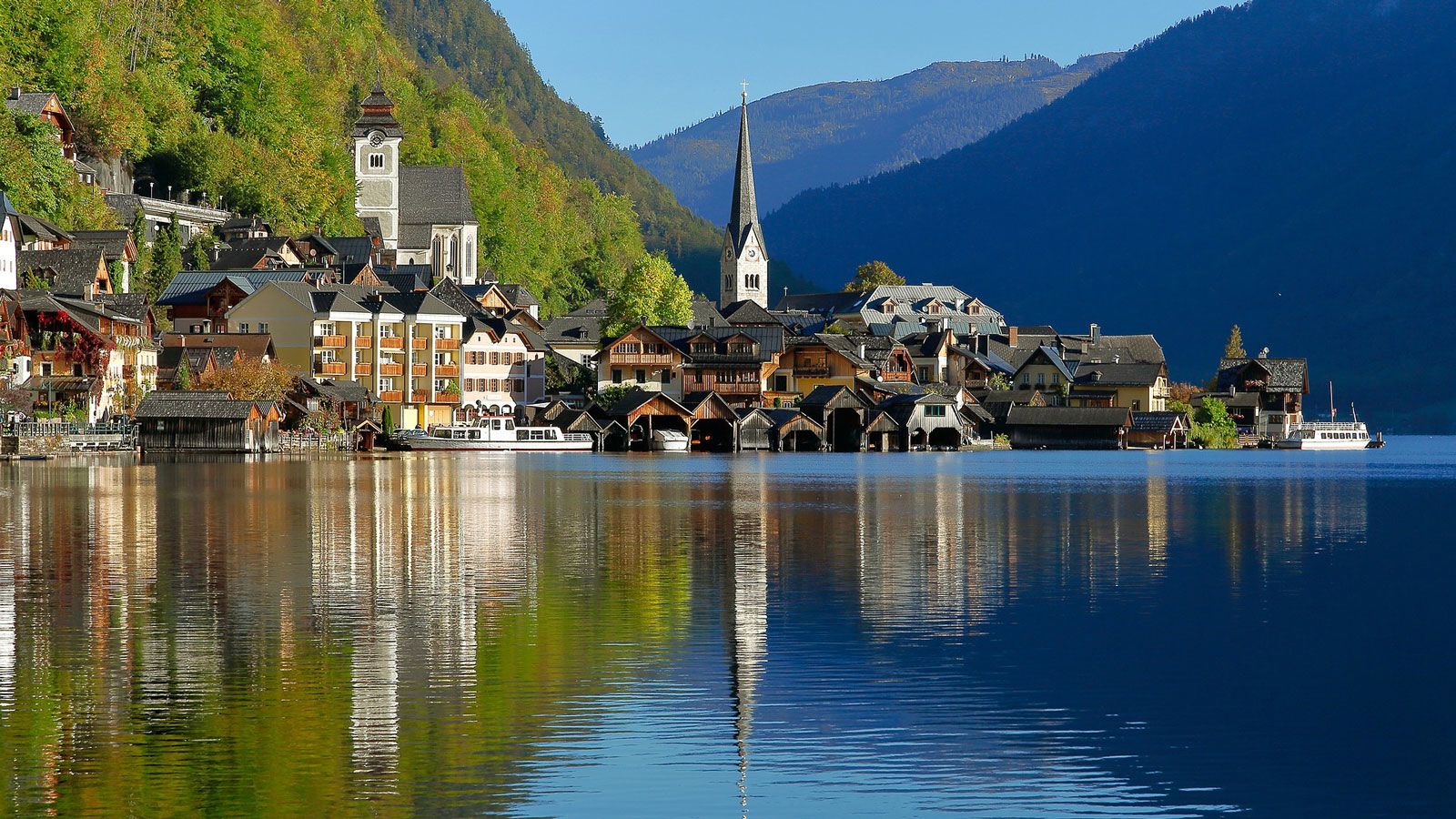
Austria's natural beauty is simply striking and often more dramatic than Germany's. The Austrian Alps are not just majestic, they are pervasive, defining much of the country's landscape. Think of the jagged peaks of the Dolomites (partially in Austria), the serene beauty of the Salzkammergut lakes like Wolfgangsee and Hallstätter See, or the dramatic Großglockner High Alpine Road. Austria offers an unparalleled experience for hikers, climbers, and skiers with internationally recognized resorts like St. Anton am Arlberg or Zell am See. Germany certainly has its gems – the rugged beauty of the Bavarian Alps around Garmisch-Partenkirchen, the fairytale Black Forest, the dramatic cliffs of the Saxon Switzerland National Park, and the serene Rhine Valley. However, Austria's 'wow' factor in terms of sheer mountainous grandeur and widespread accessibility to such landscapes feels more consistent and intense. 'The Alps in Austria just hit different. Every turn in the road is a postcard. Germany's pretty, but Austria is just… more.' If you're chasing those iconic, towering peaks and crystal-clear alpine lakes, Austria is your undeniable champion. Both countries are committed to preserving their natural heritage, but Austria’s landscape is more inherently geared towards a 'nature-first' travel experience, with well-maintained trails and infrastructure for outdoor enthusiasts readily available throughout the country.
Winner takeaway
- Winner: Austria
- Why: Austria's pervasive and dramatic Alpine scenery, with its iconic peaks and pristine lakes, offers a more consistently gorgeous natural experience.
- Who this matters for: Hikers, skiers, nature photographers, and anyone seeking awe-inspiring mountain landscapes.
🏛️ Culture & History
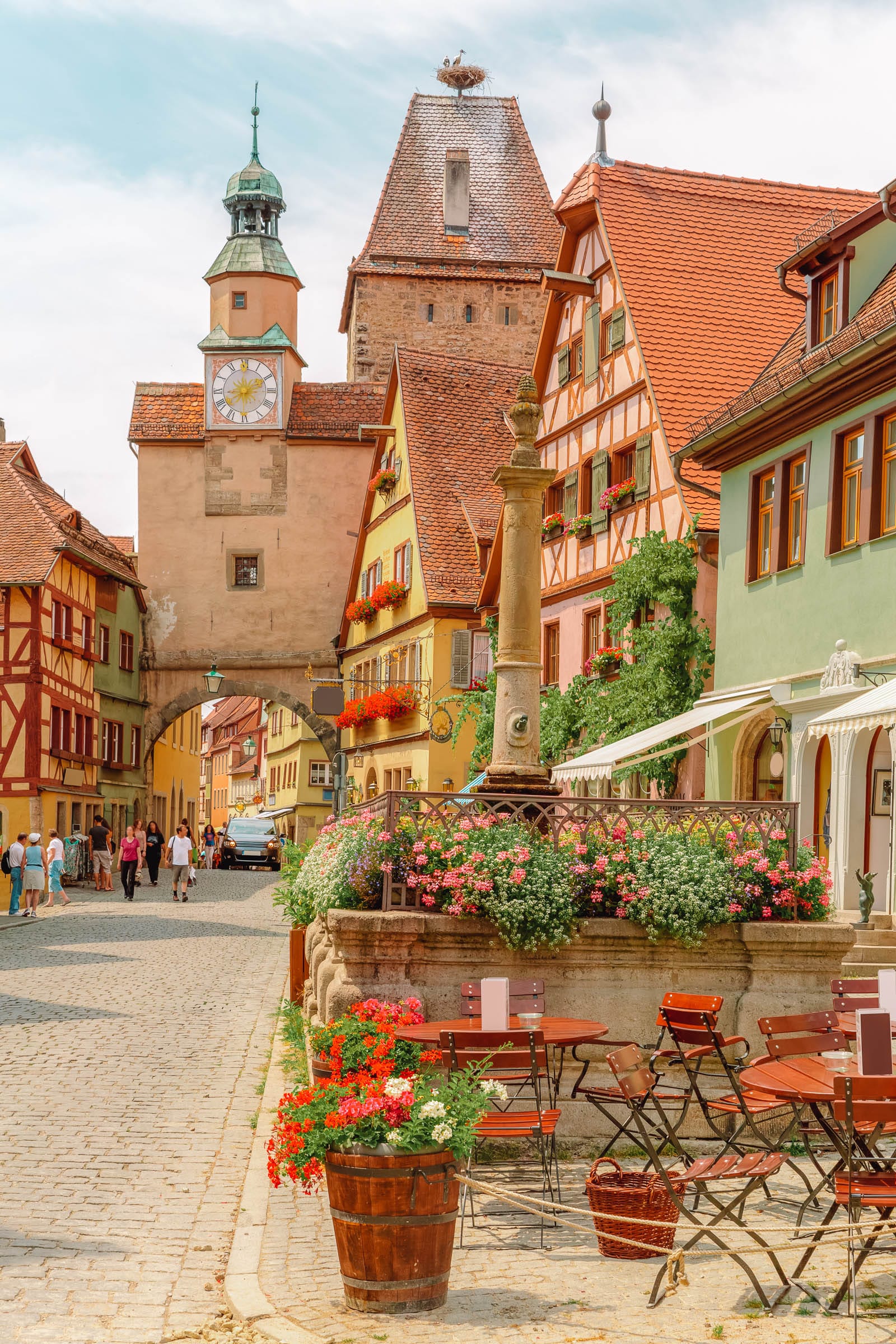
While Austria boasts an elegant imperial past centered around the Habsburgs and classical music legends, Germany's cultural and historical tapestry is arguably broader and more diverse. Germany's history spans millennia, from Roman ruins in Trier, medieval castles along the Rhine (like Burg Eltz), the grandeur of Prussian Berlin with Brandenburg Gate and Museum Island, to the poignant history of WWII (e.g., Sachsenhausen Memorial) and the Cold War (Berlin Wall Memorial). Each region in Germany has a distinct identity – Bavaria's Lederhosen culture, Berlin's avant-garde art scene, Hamburg's maritime heritage. Austria, particularly Vienna, excels in its specific niche: Baroque architecture, grand palaces like Schönbrunn and Hofburg, among the best opera at the Vienna State Opera (tickets from €15-€200+ for standing/seated), and the timeless coffeehouse culture (a Melange for €4-€6). Salzburg, Mozart's birthplace, is another cultural gem. However, Germany offers more variety: from the chaotic, multicultural art scenes of Berlin to the quaint medieval towns like Rothenburg ob der Tauber, and the industrial heritage museums in the Ruhr area. 'Germany's history just feels so much heavier and more varied. You can do Roman, medieval, modern art, and intense 20th-century history all in one trip.' The sheer scale of museums, historical sites, and regional cultural nuances in Germany gives it an edge for the history buff.
Winner takeaway
- Winner: Germany
- Why: Germany offers a wider, more diverse historical narrative spanning millennia, from ancient to modern, with varied regional cultures.
- Who this matters for: History buffs, art enthusiasts, and travelers seeking diverse cultural experiences beyond one specific era.
🍻 Food & Drink
This is a tough one, as both countries offer delicious and distinct culinary experiences, but Germany edges it out for sheer variety and accessibility. German food is often hearty and regional: think Currywurst in Berlin (€4-€5), a traditional Bavarian Weißwurst breakfast, or a juicy Schnitzel in Stuttgart. The bread culture is unparalleled, and, of course, the beer. German beer, from a refreshing Kölsch in Cologne to a strong Bock in Munich, is a cornerstone of the culture, with a half-liter costing €3.50-€5. Germany's larger cities also boast incredible international food scenes, especially Turkish and Vietnamese. Austria's cuisine leans more towards refined imperial traditions: the classic Wiener Schnitzel, Tafelspitz (boiled beef), and incredible pastries like Sachertorte or Apfelstrudel. The coffeehouse culture in Vienna is an institution, offering a leisurely experience with a Melange (€4-€6). Austrian wines, especially from the Wachau Valley, are excellent. 'I love Austrian pastries, but for everyday eating and variety, Germany just has more options, and good beer is everywhere.' While Austrian food is elegant and delicious, Germany's everyday food scene feels more robust, diverse, and often more budget-friendly. You can find good quality, traditional food everywhere, alongside a thriving modern culinary movement and an explosion of international flavors, particularly in cities like Berlin and Hamburg. Plus, the beer! It’s hard to beat.
Winner takeaway
- Winner: Germany
- Why: Germany offers a wider variety of hearty, regional dishes and an unparalleled beer culture, alongside diverse international options.
- Who this matters for: Foodies who enjoy robust, traditional meals and diverse international options, and beer connoisseurs.
🌃 Nightlife
When it comes to nightlife, Germany is a clear winner, largely thanks to Berlin. Berlin's club scene, particularly for techno and electronic music, is legendary globally. Venues like Berghain, Sisyphos, and Tresor are institutions, with entry fees typically €15-€25. Beyond the hard techno, Berlin offers everything from indie rock venues to underground bars, jazz clubs, and cozy Kneipen (pubs). Hamburg's Reeperbahn district also offers a wild, diverse nightlife experience with bars, clubs, and live music. Munich has its traditional beer halls, which are lively in their own right, especially during Oktoberfest, but they're a different vibe. Austria, especially Vienna, offers a more refined and classical nightlife. You'll find elegant cocktail bars, wine taverns (Heuriger) on the city's outskirts, and countless opportunities to attend internationally recognized opera, classical concerts (from €30-€150+), or ballet. There are clubs, but they don't have the same raw, global reputation as Berlin's. 'If you want to dance until Sunday morning and lose track of time, Berlin is it. Austria's nice for a fancy drink, but it's not the same party scene.' For anyone seeking cutting-edge electronic music, diverse clubbing experiences, or just a crowded late-night scene, Germany is the undisputed champion. Vienna has its charm, but it's more about sophisticated evenings than rave-till-dawn adventures.
Winner takeaway
- Winner: Germany
- Why: Germany, particularly Berlin, boasts a globally renowned, diverse, and chaotic nightlife scene, especially for electronic music.
- Who this matters for: Party-goers, clubbers, music lovers, and those seeking neon-lit social scenes after dark.
🚆 Getting Around
Both Germany and Austria boast incredibly efficient and well-developed public transportation systems, making them both a pleasure to navigate without a car. Germany's Deutsche Bahn (DB) offers a vast network of high-speed ICE trains connecting major cities like Berlin, Munich, and Cologne quickly and comfortably. Regional trains (RE, RB) fill in the gaps, and city public transport (U-Bahn, S-Bahn, trams, buses) is top-notch. The Deutschlandticket for €49/month (though primarily for residents, tourists can buy it) is a game-changer for regional travel. For those who prefer driving, Germany's Autobahn, with sections having no speed limit, is iconic. Austria's ÖBB (Austrian Federal Railways) is equally impressive, known for its punctuality and scenic routes through the Alps. Connections between cities like Vienna, Salzburg, and Innsbruck are frequent and efficient. City public transport in Vienna, for example, is excellent and affordable (a 24-hour ticket is €8). 'Honestly, I never even considered renting a car in either country. The trains are so good and connect everything you'd want to see.' Both countries prioritize public transport, offering reliable, clean, and safe ways to explore. While Germany's network is larger due to its size, Austria's is arguably more scenic, especially on mountain routes. For practical travel, neither truly outshines the other; they both set a very high bar for European transport.
Winner takeaway
- Winner: Tie
- Why: Both countries offer exceptionally efficient, extensive, and reliable public transportation networks, making car-free travel a breeze.
- Who this matters for: All travelers, especially those who prefer not to drive or rely on public transport.
🏨 Accommodation
Germany generally offers a more varied and often more budget-friendly selection of accommodations, particularly outside the peak season and in non-Bavarian cities. You can find excellent hostels in Berlin for €25-€40 (~$27-$43) a night, mid-range hotels for €80-€120 (~$87-$130), and plenty of guesthouses (Gasthäuser) offering good value. Even in Munich, while pricier, options are abundant. Airbnbs are also widely available and often regulated, providing a local experience. Austria, especially in its prime tourist destinations like Vienna, Salzburg, and the popular ski resorts (e.g., Ischgl, Kitzbühel), tends to be more expensive. A hostel bed in Salzburg could be €40-€70 (~$43-$76), and a decent hotel often starts at €120-€180 (~$130-$196). Mountain resorts, particularly during ski season, can see prices skyrocket to €200-€400+ (~$217-$434+) per night for even basic lodging. 'Finding a cheap, decent place in Salzburg was way harder than in Munich, and the prices were just higher for less.' While both countries have charming boutique hotels and luxury stays, Germany provides more options across the budget spectrum that don't compromise on quality or location. The sheer volume of cities and towns in Germany means less pressure on accommodation prices compared to Austria's more concentrated tourist areas, where demand can often outstrip supply, especially during festivals or ski season.
Winner takeaway
- Winner: Germany
- Why: Germany offers a wider range of accommodation types and price points, generally providing better value for money across different budgets.
- Who this matters for: Budget travelers, families, and those seeking good value without sacrificing comfort or location.
📍 Day Trips & Excursions
Both Germany and Austria excel in offering fantastic day trip opportunities, but Germany's sheer size and historical diversity give it a slight edge in variety. From Munich, you can easily reach the fairytale Neuschwanstein Castle (€18 entrance) and Hohenschwangau, or explore the charming town of Regensburg. From Berlin, Potsdam (Sanssouci Palace, €14) and Spreewald's canals are popular. The Rhine Valley with its vineyards and castles (many offering boat tours for €20-€40) is another highlight. You can explore the dramatic cliffs of Saxon Switzerland National Park from Dresden, or charming medieval towns like Rothenburg ob der Tauber. Austria also offers incredible excursions: from Vienna, the Wachau Valley (wine tasting, castle ruins) and the picturesque village of Hallstatt are very popular. From Salzburg, you can visit the ice caves of Eisriesenwelt Werfen (€35-€40 for combo ticket), the Berchtesgaden National Park (just across the German border) or explore the Salzkammergut lakes. 'Germany has so many distinct day trip options, it's almost overwhelming. Castles, forests, quirky towns – it's all there.' While Austria's day trips often focus on excellent natural beauty and charming villages, Germany offers a broader palette that includes significant historical sites, diverse landscapes (from mountains to coast), and unique cultural experiences. The interconnectedness of Germany's rail network also makes multi-destination day trips highly feasible.
Winner takeaway
- Winner: Germany
- Why: Germany offers a wider and more diverse range of day trip options, encompassing history, nature, and cultural experiences.
- Who this matters for: Travelers who love exploring beyond major cities and prefer variety in their excursions.
🚶♀️ Solo Travel
Both Germany and Austria are exceptionally safe and welcoming for solo travelers, but Germany offers a slight advantage in terms of ease of meeting people and the sheer breadth of activities. Germany's larger cities, especially Berlin, Hamburg, and Munich, have thriving hostel scenes with numerous social events, making it easy to connect with other travelers. The public transport is so efficient that navigating alone is a breeze, and English is widely spoken in tourist areas. There’s a greater variety of activities from internationally recognized museums to neon-lit nightlife, ensuring a solo traveler is never bored. Austria is also incredibly safe, with very low crime rates, and its cities are easy to explore on foot or by public transport. However, outside of Vienna, the hostel scene is less prominent, and the vibe can be a bit more subdued compared to Germany's larger, more international cities. 'As a solo female traveler, I felt completely safe in both, but I found it way easier to strike up conversations and find other travelers in German hostels.' While Austria's natural beauty offers incredible solo hiking opportunities, Germany's urban centers provide more diverse social outlets and a generally younger, more backpacker-friendly atmosphere. Both are excellent choices, but Germany's robust social infrastructure for solo travelers gives it a slight edge.
Winner takeaway
- Winner: Germany
- Why: Germany's larger cities offer a more neon-lit hostel scene and diverse social opportunities for solo travelers to connect.
- Who this matters for: Solo travelers, particularly those keen on meeting other people and experiencing diverse urban activities.
☀️ Weather & Seasons
Both Germany and Austria experience four distinct seasons, offering different charms depending on your travel goals, leading to a tie. Summers (June-August) in both are generally warm and pleasant, with average temperatures ranging from 20-25°C (68-77°F), perfect for city exploration or hiking. Germany's northern regions can be a bit cooler and wetter, while the south, especially Bavaria, often mirrors Austria's weather. Winters (December-February) are cold and snowy, particularly in the mountainous regions of both countries. Austria excels here for winter sports, with reliable snow in the Alps for skiing and snowboarding, attracting millions to resorts like Mayrhofen or Kitzbühel. Germany also has ski resorts in the Bavarian Alps, but Austria's are more extensive and renowned. 'You can't beat Austrian Alps for winter sports, but German Christmas markets in the snow are pure magic.' Spring (April-May) and Autumn (September-October) in both countries offer mild temperatures, fewer crowds, and beautiful landscapes – blossoming flowers in spring, chaotic foliage in autumn. These shoulder seasons are often considered ideal for sightseeing without the summer heat or winter chill. Choosing between them depends entirely on your activity preference: Austria for a premier winter sports holiday; Germany for a more varied seasonal experience that might include coastal trips in summer or exploring Christmas markets in winter. Neither is definitively 'better' weather-wise, only different in focus.
Winner takeaway
- Winner: Tie
- Why: Both countries offer distinct and appealing seasonal experiences, with Austria excelling in winter sports and Germany offering diverse seasonal charms.
- Who this matters for: All travelers, as the 'winner' depends entirely on preferred activities and time of year.
🎯 The Decision Framework
Choose Germany If…
- You're on a daily budget of €70-€120.
- You want a wide range of city experiences, from Berlin's nightlife to Munich's beer halls.
- You seek extensive historical sites, like medieval castles and WWII memorials.
- You prefer a destination where accommodation is generally more affordable.
- You enjoy a lively nightlife scene in major cities.
- You want access to diverse culinary options beyond traditional fare.
- You plan many short day trips from a central base.
- You're traveling alone and prefer well-connected, easy-to-navigate places.
Choose Austria If…
- You prioritize grand alpine landscapes and hiking trails.
- You want to experience imperial palaces and classical music in Vienna.
- You're planning a winter sports trip to ski resorts.
- You prefer a slower pace focused on natural beauty and elegance.
- You want to visit picturesque lakes and charming mountain villages.
- You appreciate well-preserved Baroque architecture.
- You seek serene outdoor activities like lakeside strolls or mountain drives.
❓ Frequently Asked Questions
Which country is better for a family trip?
Both are excellent, but Germany might offer more diverse kid-friendly attractions like Europa-Park (Germany's largest theme park), countless interactive museums, and the Black Forest's adventure parks. Austria's alpine landscapes are fantastic for active families, but Germany often has more variety for different age groups and interests.
Is English widely spoken in Germany and Austria?
Yes, English is very widely spoken in tourist areas, hotels, restaurants, and by younger generations in both countries. You'll have no trouble communicating in major cities and popular attractions. Learning a few basic German phrases like 'hello' (Guten Tag) and 'thank you' (Danke) is always appreciated.
Which country has better castles?
Germany arguably has a wider and more diverse array of iconic castles, from the fairytale Neuschwanstein and medieval Burg Eltz to the grand Hohenzollern. Austria has impressive palaces like Schönbrunn and Hofburg in Vienna, which are impressive, but Germany's medieval castle count and variety are hard to beat.
What's the best way to travel between Germany and Austria?
High-speed trains (ICE in Germany, Railjet in Austria) are the most convenient and popular option. You can travel from Munich to Salzburg in under 2 hours, or Munich to Vienna in about 4 hours. Buses are a cheaper but slower alternative, and driving is easy with good highway connections.
Which country is better for hiking?
While Germany has great hiking, Austria is often considered superior for alpine hiking due to its extensive and dramatic mountainous terrain. From the Stubai Valley to the Salzkammergut, Austria offers elite-level trails with impressive vistas, well-maintained huts, and a strong hiking culture.
Are Germany and Austria safe for solo female travelers?
Absolutely, both countries are among the safest in Europe for solo female travelers. Crime rates are low, public transport is reliable even at night, and people are generally helpful. Common sense precautions apply, but you can feel very secure exploring either country alone.
What's the currency in Germany and Austria?
Both Germany and Austria are part of the Eurozone, so the currency used in both countries is the Euro (€). Credit cards are widely accepted, especially in cities, but it's always good to carry some cash for smaller establishments or markets.
Can I visit both countries on a single trip?
Yes, it's highly recommended if you have enough time (2-3 weeks). Focus on Bavaria in southern Germany and western/central Austria. Cities like Munich, Salzburg, and Vienna are well-connected by train and offer a fantastic blend of both cultures and landscapes.
💰 Daily Cost Breakdown
| Expense | Germany | Austria |
|---|---|---|
| Hostel dorm | €25-55 | €30-60 |
| Budget hotel | €80-160 | €90-180 |
| Street food meal | €6-15 | €7-18 |
| Restaurant meal | €15-35 | €18-40 |
| Beer/drink | €4-7 | €4-8 |
| Local transport (day) | €8-12 | €8-12 |
| Daily budget total | €70-150 | €80-170 |
Approximate daily costs for 2026. Actual prices vary by season and travel style.
🌤️ Monthly Weather Comparison
| Month | Germany Temp | Germany Rain | Austria Temp | Austria Rain |
|---|---|---|---|---|
| Jan | 3°C/37°F | 45mm | 2°C/36°F | 35mm |
| Feb | 4°C/39°F | 37mm | 4°C/39°F | 35mm |
| Mar | 9°C/48°F | 42mm | 9°C/48°F | 45mm |
| Apr | 14°C/57°F | 38mm | 14°C/57°F | 40mm |
| May | 19°C/66°F | 54mm | 19°C/66°F | 60mm |
| Jun | 22°C/72°F | 69mm | 22°C/72°F | 70mm |
| Jul | 24°C/75°F | 66mm | 25°C/77°F | 75mm |
| Aug | 24°C/75°F | 61mm | 24°C/75°F | 70mm |
| Sep | 19°C/66°F | 49mm | 19°C/66°F | 50mm |
| Oct | 13°C/55°F | 43mm | 13°C/55°F | 40mm |
| Nov | 7°C/45°F | 48mm | 7°C/45°F | 45mm |
| Dec | 4°C/39°F | 51mm | 3°C/37°F | 40mm |
Average monthly high temperatures and rainfall based on historical climate data.
📅 Sample Itineraries
Weekend in Germany (3 Days)
💡 Three days gives you a great taste of Germany. Check out our Germany guide.
Weekend in Austria (3 Days)
💡 Three days gives you a great taste of Austria. Check out our Austria guide.
Week in Germany (7 Days)
💡 A full week gives you a great taste of Germany. Check out our Germany guide.
Week in Austria (7 Days)
💡 A full week gives you a great taste of Austria. Check out our Austria guide.
Ready to plan your Central European trip?
Get a free custom itinerary for Germany, Austria, or both — built from real traveler insights, tailored to your budget and interests.
🎟️ Book Tours & Experiences
Hand-picked tours and activities for both destinations — book with free cancellation
Experiences via Viator — free cancellation on most tours