How we built this comparison
This page combines traveler discussion patterns, published price ranges, flight schedules, and seasonal data to help you decide between Georgia and Spain.
- Reviewed 500+ Reddit threads from r/travel, r/solotravel, r/GeorgiaTravel, r/SpainTravel for authentic experiences.
- Verified costs and logistics against current booking platforms (Booking.com, Skyscanner, Rome2Rio).
- Cross-referenced seasonal patterns and weather data for optimal travel timing.
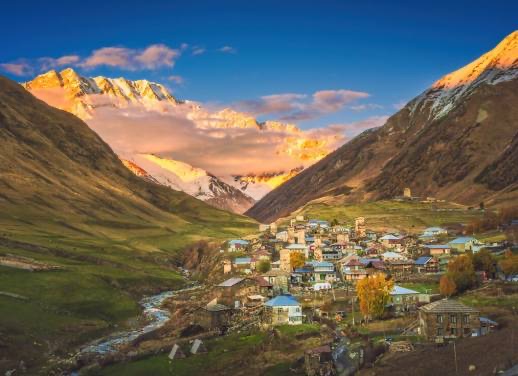
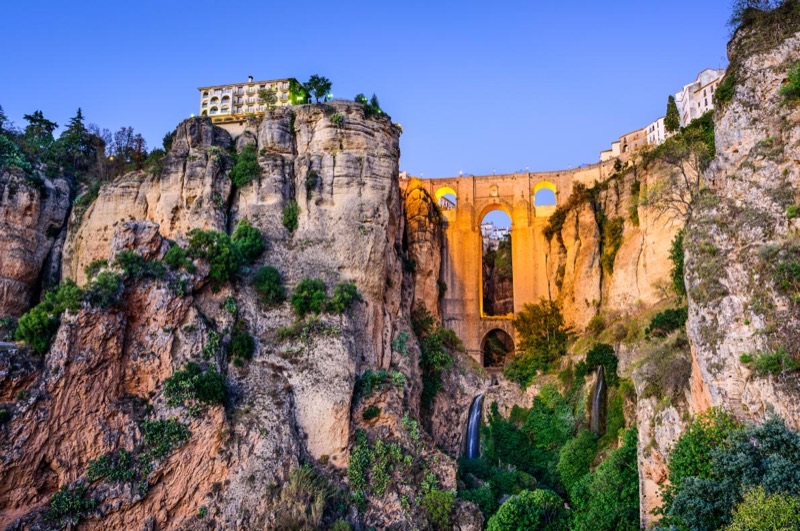
⚡ Quick Answers
⚡ The TL;DR Verdict
For travelers seeking deep history, affordable adventure, and a less trodden path, Georgia is the clear pick with a daily budget around $30-70. Spain is a better choice for those prioritizing familiar European amenities, diverse regional experiences, and established tourism infrastructure, budgeting $70-150 per day.
- Choose Georgia: Adventurous, budget-conscious travelers ready to engage with a country still building its tourism, seeking genuine interactions and mountain pursuits.
- Choose Spain: Culture seekers, food enthusiasts, and beach lovers who appreciate efficient transport, well-defined tourist routes, and a reliable experience.
- Choose Both: If you have 3+ weeks and want a contrasting journey through history, food, and landscapes. Start with Georgia for a dose of Caucasus grit, then unwind in Spain.
Choose Georgia
Choose Georgia if you're an adventurous, budget-conscious traveler craving a unique journey into the Caucasus. It's best for exploring ancient cave cities like Uplistsikhe, hiking dramatic Svaneti mountains, and savoring authentic khachapuri and wine in Tbilisi's historic lanes, all on a daily budget of $30-70. Embrace the genuine hospitality and a less commercialized experience.
Choose Spain
Choose Spain for a vibrant, diverse European escape, best suited for culture seekers, food enthusiasts, and those who appreciate efficient, established tourism. Indulge in Seville's flamenco and tapas, marvel at Gaudi's Sagrada Familia in Barcelona, or relax on Mediterranean beaches, enjoying seamless travel and a reliable experience at $70-150 per day. It’s a compelling blend of tradition and modern flair.
📊 Visual Scorecard
🌤 When to Visit
Average high temperatures (°C). Green = best months, orange = avoid.
Quick Comparison
| Category | Georgia | Spain | Winner |
|---|---|---|---|
| Costs & Budget | Significantly cheaper across the board: accommodation, food, transport. Great value for longer stays. | Higher costs, especially in major cities. Budget options exist but require careful planning. | Georgia |
| Food & Drink | Hearty, cheese-laden, rich cuisine with ancient winemaking tradition. Supra (feast) is a cultural cornerstone. | Diverse regional cuisines, tapas culture, fresh seafood, and popular wines/sherries. Meals are social events. | Tie |
| Culture & History | Ancient Christian heritage, cave cities, Soviet-era architecture, and a strong sense of national identity. | Roman ruins, Moorish palaces, medieval cathedrals, and a profound artistic legacy (Goya, Picasso). | Spain |
| Nature & Outdoors | Rugged Caucasus mountains, alpine lakes, Black Sea coast, diverse hiking and trekking opportunities. | Pyrenees mountains, Picos de Europa, diverse coastlines, volcanic Canary Islands, national parks. | Georgia |
| Getting There | Tbilisi (TBS) is the main hub, Kutaisi (KUT) for budget airlines. Direct flights primarily from Europe/Middle East. | Major international hubs (Madrid, Barcelona) with extensive global connections. Easy access from North America, Asia, Europe. | Spain |
| Getting Around | Marshrutkas (minibuses) are primary, some trains. City transport via metro/Bolt. Can be slow and sometimes difficult. | Efficient high-speed trains (Renfe), extensive bus networks, city metros. Well-developed infrastructure. | Spain |
| Nightlife | Tbilisi has a growing techno scene, a few late-night bars. Outside the capital, it's quieter. | Major cities offer late-night clubs, tapas bars, and a general culture of evening socializing. | Spain |
| Accommodation | Affordable guesthouses, family-run stays, and budget hotels. Fewer international chains. | Wide range from hostels to luxury hotels, popular Airbnbs. High quality, but higher prices. | Georgia |
| Safety | Generally very safe, low crime rates. Local hospitality is strong. | Generally safe, but petty crime (pickpocketing) is common in tourist hotspots. | Georgia |
| Weather & Seasons | Hot summers in valleys, cold snowy winters in mountains. Black Sea coast is milder. Spring/Autumn are ideal. | Hot, dry summers; mild, wet winters. Significant regional variations from north to south. | Tie |
💰 Costs & Budget
Traveling in Georgia means your money stretches far. A comfortable daily budget for a solo traveler can be around $40-70 USD, including a guesthouse, local food, and intercity…
Georgia
Spain
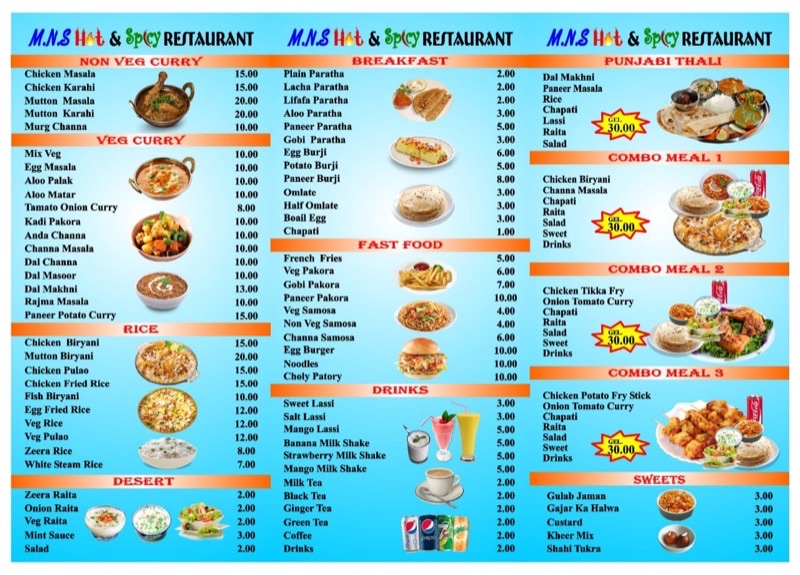
Traveling in Georgia means your money stretches far. A comfortable daily budget for a solo traveler can be around $40-70 USD, including a guesthouse, local food, and intercity travel. For example, a delicious khachapuri costs 8-15 GEL ($3-6 USD), a marshrutka ride across the country might be 20-40 GEL ($7-15 USD), and a private room in a decent guesthouse often runs 50-100 GEL ($18-37 USD). Bolt (ride-sharing app) is affordable in Tbilisi. You can eat well for under $20 a day.
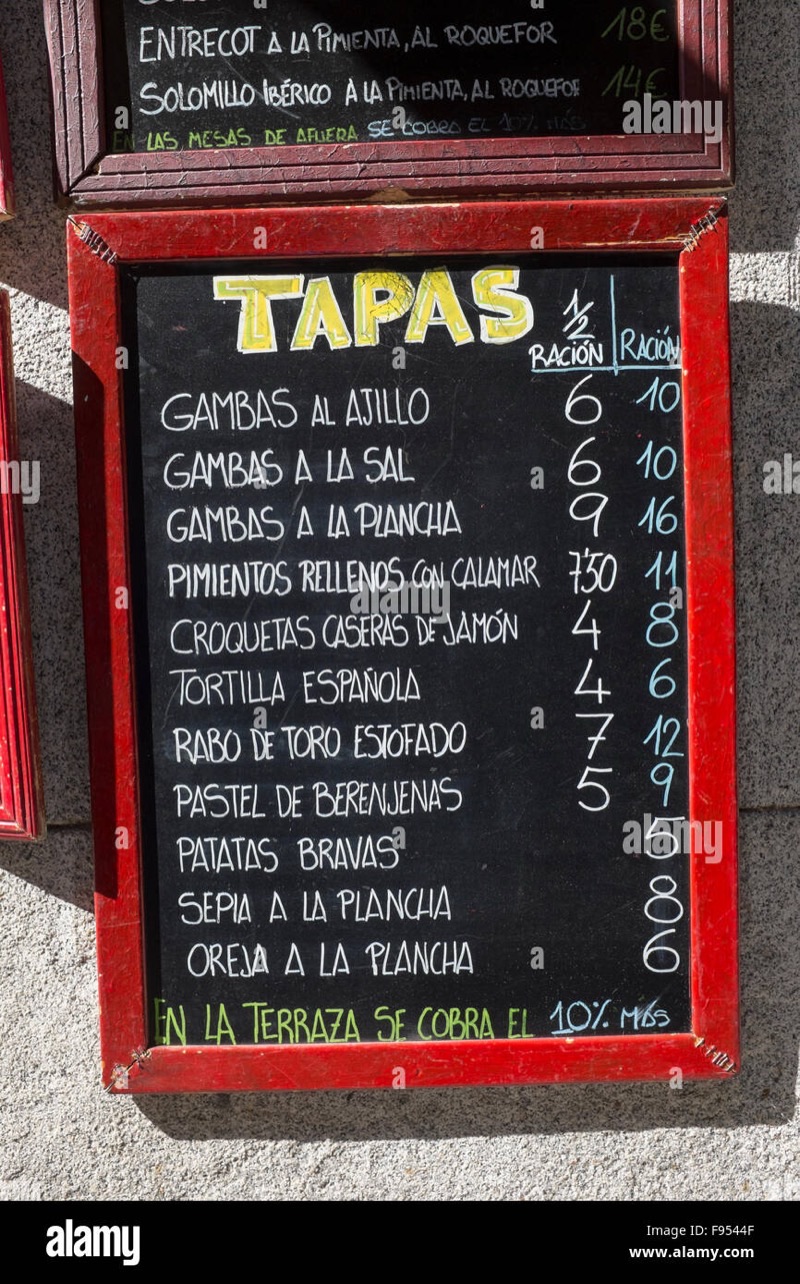
Spain operates on a Western European price structure. A daily budget of $70-150 USD is more realistic for comfortable travel, particularly if you include restaurant meals and some attractions. A single tapas dish can be 3-8 EUR ($3.25-8.75 USD), a metro ticket in Madrid is around 1.50-2 EUR ($1.65-2.20 USD), and a hostel bed in a popular city might be 25-50 EUR ($27-54 USD). Train travel on Renfe can add up, with high-speed routes like Madrid to Barcelona costing 50-100+ EUR ($54-109+ USD). Georgia wins for budget travel by a wide margin.
- Winner: Georgia
- Why: Georgia offers incredible value, allowing travelers to experience culture, food, and nature for a fraction of Spain's prices.
- Who this matters for: Budget-conscious travelers, backpackers, and those planning extended trips.
🍽️ Food & Drink
Georgian food is comforting and flavorful, centered around staples like Khachapuri (cheese bread), Khinkali (dumplings), and various stews. The Georgian supra, a traditional…

Georgia
Spain
Georgian food is comforting and flavorful, centered around staples like Khachapuri (cheese bread), Khinkali (dumplings), and various stews. The Georgian supra, a traditional feast, is a cultural highlight involving numerous dishes, toasts, and endless wine. The country boasts an 8,000-year history of winemaking, with unique varietals like Saperavi and Rkatsiteli produced in qvevri (clay amphorae). Eating out is affordable; a substantial meal at a restaurant like Shavi Lomi in Tbilisi will cost 30-60 GEL ($11-22 USD).
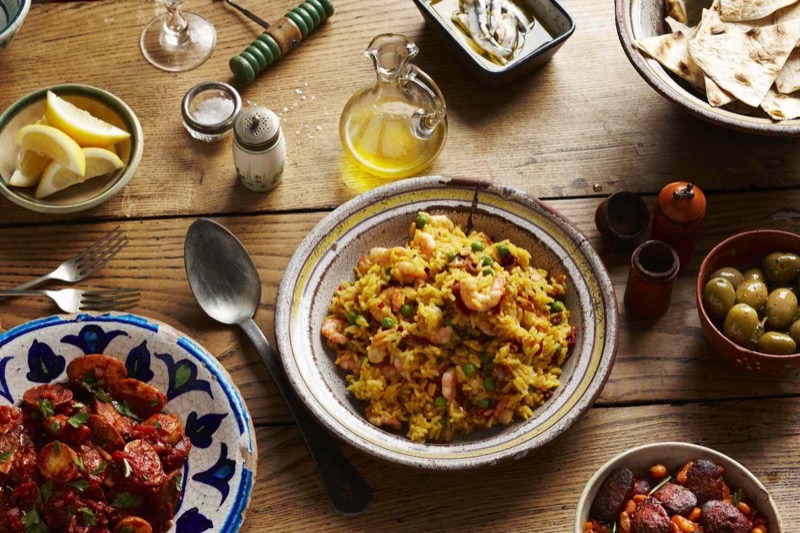
Spanish food is a regional mosaic, from the paella of Valencia to the pintxos of Basque Country and the jamón ibérico found everywhere. Tapas culture makes eating out a social, adaptable experience, allowing you to sample many dishes. Fresh seafood along the coasts, rich stews inland, and popular wines from Rioja or Ribera del Duero complement the meals. Dinner often starts late, around 9-10 PM. A tapas crawl in Seville, visiting places like El Rinconcillo, offers dishes from 3-8 EUR ($3.25-8.75 USD) each. Both countries offer distinct, high-quality culinary experiences.
- Winner: Tie
- Why: Both countries excel in food, offering unique, deeply rooted culinary experiences that cater to different preferences but deliver equal satisfaction.
- Who this matters for: Anyone who considers food a central part of their travel experience.
🏛️ Culture & History
Georgia's history is long and often turbulent, marked by early adoption of Christianity in the 4th century. This heritage is visible in numerous churches and monasteries, like the…
Georgia
Spain
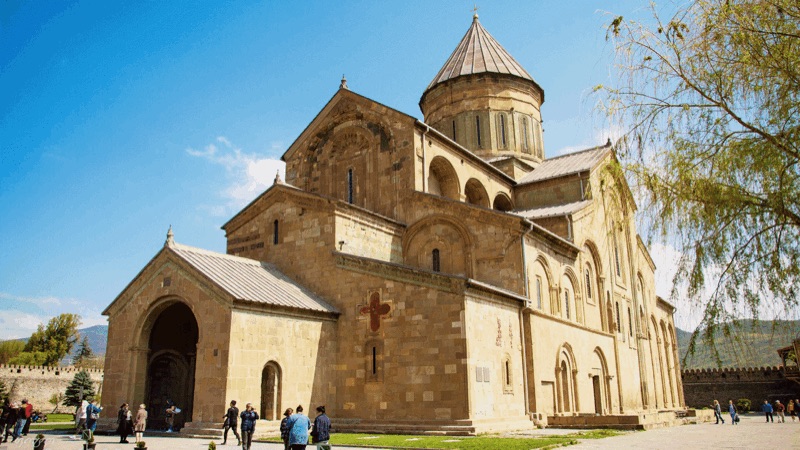
Georgia's history is long and often turbulent, marked by early adoption of Christianity in the 4th century. This heritage is visible in numerous churches and monasteries, like the Gergeti Trinity Church or Jvari Monastery near Mtskheta, a UNESCO site. Uplistsikhe offers an impressive ancient rock-hewn city. Tbilisi itself shows layers of Persian, Ottoman, and Soviet influence. The Georgian language and alphabet are ancient and unique, adding to the country's distinct cultural fabric. Visiting the Georgian National Museum in Tbilisi provides insight into this background.
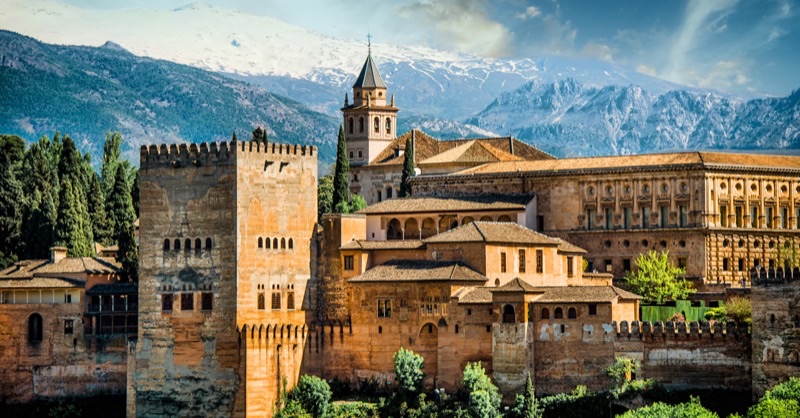
Spain's cultural depth is immense, from prehistoric art in Altamira to the Roman aqueduct of Segovia and the incredible Moorish architecture of the Alhambra in Granada. The country has been a crossroads of civilizations, resulting in a rich layering of Roman, Visigothic, Islamic, and Christian influences. Major cities host museums holding works by Goya, Velázquez, and Picasso, such as the Prado Museum in Madrid or the Picasso Museum in Barcelona. The cathedrals of Seville and Burgos are monumental. Spain's cultural institutions and preservation of its varied history provide a more accessible and extensive learning experience for visitors.
- Winner: Spain
- Why: Spain's cultural and historical sites are more numerous, better preserved, and often more accessible, offering a broader spectrum of historical periods and artistic movements.
- Who this matters for: History buffs, art lovers, and those seeking iconic architectural marvels.
🏞️ Nature & Outdoors
Georgia's nature is dominated by the Caucasus Mountains, offering dramatic landscapes and serious trekking opportunities. Regions like Svaneti, with its medieval defense towers…
Georgia
Spain
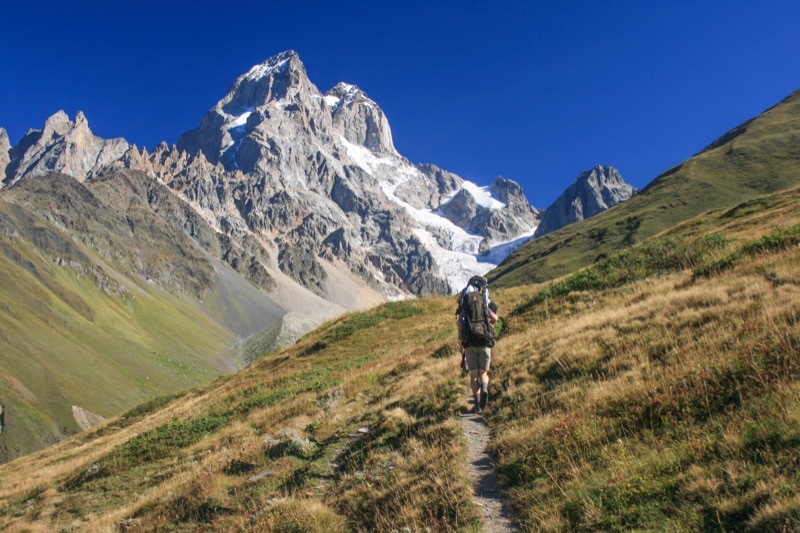
Georgia's nature is dominated by the Caucasus Mountains, offering dramatic landscapes and serious trekking opportunities. Regions like Svaneti, with its medieval defense towers and trails to Mestia and Ushguli, or Kazbegi (Gergeti Trinity Church against Mount Kazbek) are central to the outdoor experience. Alpine lakes, deep gorges, and remote villages define much of the landscape. The Black Sea coast, particularly around Batumi, provides a subtropical escape. Trails are less developed than in Western Europe, requiring more self-reliance. Horse riding, rafting, and paragliding are popular activities. The sheer scale and untouched feel of the Caucasus give Georgia an edge here.
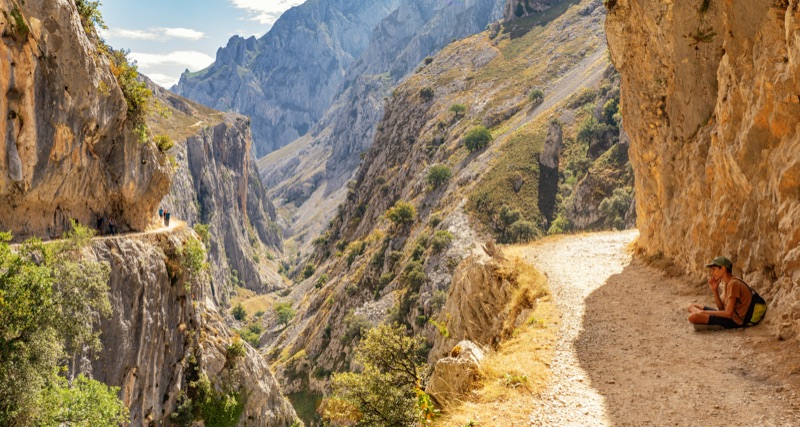
Spain offers diverse natural settings, from the jagged peaks of the Pyrenees and Picos de Europa in the north to the arid landscapes of Andalusia and the volcanic terrain of the Canary Islands. Its coastline along the Atlantic and Mediterranean features numerous beaches and coves. National parks like Ordesa y Monte Perdido or Teide provide many opportunities for hiking and nature observation, with well-marked trails and established infrastructure. While Spain's natural areas are varied and beautiful, Georgia's mountain regions feel more raw and less developed for mass tourism, appealing to those seeking a more adventurous, wild experience.
- Winner: Georgia
- Why: Georgia offers a more wild, less developed mountain experience with higher peaks and a sense of discovery that appeals to serious outdoor adventurers.
- Who this matters for: Adventure seekers, serious hikers, and those looking for raw, untamed mountain landscapes.
✈️ Getting There
Reaching Georgia usually involves connecting through a major European or Middle Eastern hub like Istanbul, Warsaw, Munich, or Dubai. Tbilisi International Airport (TBS) is the…
Georgia
Spain
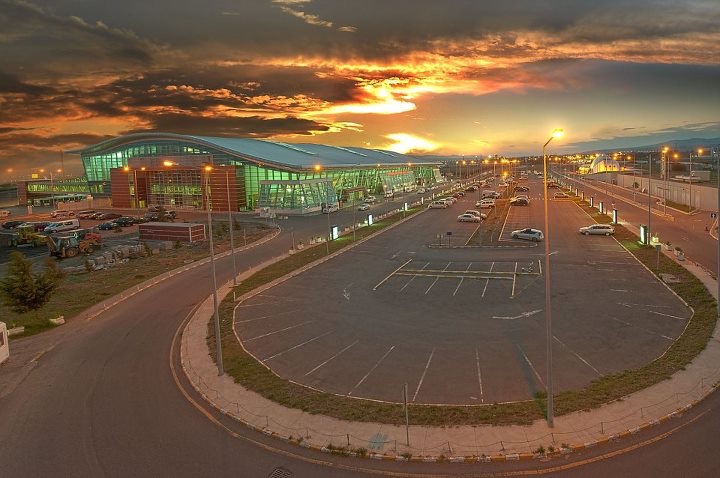
Reaching Georgia usually involves connecting through a major European or Middle Eastern hub like Istanbul, Warsaw, Munich, or Dubai. Tbilisi International Airport (TBS) is the primary gateway, with Kutaisi International Airport (KUT) serving budget carriers like Wizz Air, mainly from European cities. Flight times from New York to Tbilisi can be 12-16 hours with one stop, costing $700-1200 USD. From London, it is 4-6 hours, often $200-400 USD. Direct flights from North America are non-existent, making travel a longer endeavor.
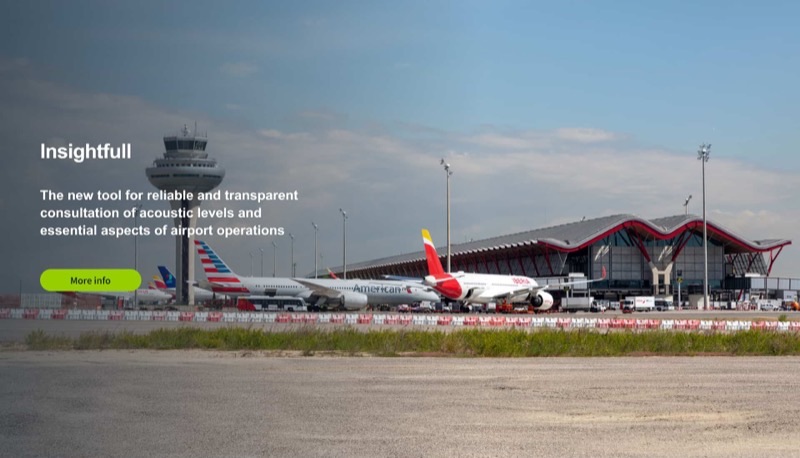
Spain is one of Europe's most accessible countries. Madrid (MAD) and Barcelona (BCN) are major international airports with direct flights from across North America, South America, Asia, and Europe. From New York, direct flights to Madrid are about 7-8 hours, costing $500-900 USD. From London, flights are 2-3 hours and can be as low as $50-150 USD with budget carriers. The extensive network of direct routes and shorter travel times from many global origins makes Spain an easier destination to reach for most international travelers.
- Winner: Spain
- Why: Spain's extensive network of direct international flights from across the globe makes it significantly easier and often quicker to reach.
- Who this matters for: Travelers coming from outside Europe, especially North America, seeking convenience and shorter travel times.
🚌 Getting Around
Getting around Georgia mostly relies on marshrutkas, which are shared minibuses. They connect most towns and cities, departing when full, which can mean delays. While cheap (e.g.,…
Getting around Georgia mostly relies on marshrutkas, which are shared minibuses. They connect most towns and cities, departing when full, which can mean delays. While cheap (e.g., Tbilisi to Kazbegi 15-20 GEL / $5-7 USD), they can be cramped. A few train routes exist, like the overnight sleeper to Batumi. In Tbilisi, the metro is efficient, and Bolt (similar to Uber) is cheap and widely used. Renting a 4x4 for mountain regions is often advised but can be costly. English signage is improving but not universal, adding to navigation challenges.
Spain's public transport system is excellent. The high-speed AVE trains (Renfe) connect major cities quickly and comfortably, though tickets can be expensive if not booked in advance (e.g., Madrid to Seville 60-100 EUR / $65-109 USD). Intercity buses are a reliable and cheaper alternative. Major cities like Madrid, Barcelona, and Valencia have extensive metro systems. Car rental is straightforward if you prefer flexibility, with good road networks. Overall, Spain offers a smoother, more predictable, and comfortable travel experience between destinations.
- Winner: Spain
- Why: Spain's comprehensive and efficient public transport network, particularly its high-speed rail, provides a much smoother and faster travel experience.
- Who this matters for: Travelers prioritizing comfort, speed, and reliability in intercity transport.
🌃 Nightlife
Tbilisi's nightlife has gained international recognition, primarily for its underground techno scene, centered around clubs like Bassiani and Café-Gallery. These venues draw a…
Tbilisi's nightlife has gained international recognition, primarily for its underground techno scene, centered around clubs like Bassiani and Café-Gallery. These venues draw a dedicated crowd and often stay open until late morning. Beyond these, there are some relaxed wine bars and traditional 'duqani' (eateries) that serve drinks. Outside Tbilisi, nightlife is much quieter, typically limited to local pubs or guesthouse gatherings in tourist areas. Batumi, on the Black Sea, has a casino culture and some seasonal beach clubs. For late-night revelry, Tbilisi offers a specific appeal, but it's not a widespread phenomenon across the country.
Spain is known for its late-night culture. Dinner often starts at 9 PM, and bars and clubs open well past midnight, staying active until dawn, especially in major cities like Madrid, Barcelona, and Seville. Popular areas like La Latina in Madrid or El Born in Barcelona are full of lively tapas bars and cocktail spots. Ibiza and other coastal towns are famous for electronic dance music clubs that attract international DJs. The sheer variety and widespread availability of options, from flamenco shows to discotecas, cater to many preferences for evening entertainment. Spain offers a more comprehensive and accessible nightlife experience.
- Winner: Spain
- Why: Spain's general late-night culture, extensive range of bars, clubs, and venues, and its widespread availability across cities provide a more developed nightlife scene.
- Who this matters for: Party-goers, social travelers, and those who enjoy late evenings out.
🛌 Accommodation
Accommodation in Georgia is generally inexpensive and often provides a local experience. Guesthouses, especially in smaller towns and mountain regions, are common and frequently…
Accommodation in Georgia is generally inexpensive and often provides a local experience. Guesthouses, especially in smaller towns and mountain regions, are common and frequently family-run, offering insights into local life for 50-100 GEL ($18-37 USD) per night for a private room. Hostels in Tbilisi and Kutaisi are available for 20-40 GEL ($7-15 USD) a night. While international hotel chains exist in Tbilisi and Batumi, the charm often lies in smaller, independently owned properties. Online booking platforms have good coverage. Expect basic but clean facilities; modern amenities are not always standard in rural areas.
Spain offers a vast array of accommodation types, from budget hostels (25-50 EUR / $27-54 USD per night in cities) and boutique hotels to luxury resorts and extensive Airbnb options. Standards are generally high, and facilities are modern. You can find a mid-range hotel room in a city for 80-150 EUR ($87-163 USD) per night. The sheer volume and quality of options across various price points are impressive, but you pay more for it. While Spain provides better infrastructure and variety, Georgia offers a more authentic and significantly cheaper stay, making it the better choice for value-conscious travelers.
- Winner: Georgia
- Why: Georgia provides much more affordable accommodation options, particularly through charming guesthouses, offering better value for money and often a more local experience.
- Who this matters for: Budget travelers, those looking for authentic local stays, and long-term travelers.
🛡️ Safety
Georgia is considered one of the safest countries in Europe for travelers. Crime rates, especially violent crime, are low. Walking alone at night in Tbilisi feels secure. The…
Georgia is considered one of the safest countries in Europe for travelers. Crime rates, especially violent crime, are low. Walking alone at night in Tbilisi feels secure. The local population is generally welcoming and hospitable, often going out of their way to help visitors, though language barriers can sometimes be an issue. As with any travel, common sense precautions apply, but serious incidents are rare. Scams are not widespread. Solo female travelers often report feeling comfortable and secure, even in less populated areas. This feeling of safety significantly enhances the travel experience.
Spain is a safe country for tourists, but it does have a notable issue with petty crime, particularly pickpocketing and bag snatching in crowded tourist areas like Barcelona's Las Ramblas, Madrid's Plaza Mayor, and Seville's Alcázar. While violent crime is low, travelers must remain vigilant in busy spots, on public transport, and at major attractions. Local authorities are generally responsive, but prevention is key. Unlike Georgia, where a sense of inherent safety often prevails, Spain requires a more active awareness of your belongings, slightly detracting from a completely relaxed experience.
- Winner: Georgia
- Why: Georgia offers a remarkably high level of safety and a lower incidence of petty crime, allowing for more relaxed exploration without constant vigilance.
- Who this matters for: Solo travelers, families, and anyone prioritizing peace of mind during their trip.
☀️ Weather & Seasons
Georgia experiences varied climates. Summers (June-August) can be hot in the lowlands and cities like Tbilisi (30-35°C / 86-95°F), while the high Caucasus Mountains offer cooler…
Georgia experiences varied climates. Summers (June-August) can be hot in the lowlands and cities like Tbilisi (30-35°C / 86-95°F), while the high Caucasus Mountains offer cooler temperatures but still suitable for hiking. Winters (December-February) bring snow to the mountains, making them popular for skiing, but cities can be cold and wet. Spring (April-May) and Autumn (September-October) are generally considered the best times to visit, with comfortable temperatures (15-25°C / 59-77°F) and pleasant conditions for sightseeing and hiking. The Black Sea coast has a subtropical climate, milder in winter.
Spain also offers diverse climates. Summers (June-August) are hot and dry, especially in the interior and south (30-40°C / 86-104°F), making coastal areas or northern regions more appealing for heat-sensitive travelers. Winters (December-February) are mild in the south and along the Mediterranean coast (10-15°C / 50-59°F), but can be cold and snowy in the central plateau and mountains. Spring (April-May) and Autumn (September-October) provide comfortable temperatures (20-28°C / 68-82°F) ideal for city exploration and hiking. Both countries have distinct seasons, and the choice depends on what climate you prefer and what activities you plan.
- Winner: Tie
- Why: Both countries offer distinct seasonal variations that cater to different preferences and activities, meaning neither consistently outperforms the other for all travelers.
- Who this matters for: Travelers with specific climate preferences or activity plans (e.g., skiing, beach, hiking).
🎯 The Decision Framework
Choose Georgia If…
- You want a deep dive into ancient, less-trodden Christian history.
- Your daily budget is under $70 and you seek significant value.
- You are excited by rugged mountain trekking and wild landscapes.
- You appreciate hearty, cheese-rich comfort food and ancient wine traditions.
- You want to travel in a country where English is less common, encouraging more local interaction.
- You prioritize feeling exceptionally safe and secure, even when exploring alone.
- You are comfortable with less developed tourist infrastructure like marshrutkas.
- You prefer a destination with fewer international chains and more local guesthouses.
Choose Spain If…
- You want to explore famous Moorish palaces, Roman ruins, and world-class art museums.
- Your daily budget is closer to $100-150 and you expect established comforts.
- You value efficient high-speed trains and a well-developed transport system.
- You seek diverse regional cuisines, from tapas to paella, and enjoy late dinners.
- You want accessible beaches and a variety of landscapes from mountains to islands.
- You enjoy late-night socializing, extensive bar options, and clubbing.
- You prefer a destination with readily available English-speaking services and signs.
- You are coming from North America and want direct, shorter flight times.
📅 Sample Itineraries
Weekend in Georgia (3 Days)
💡 Purchase a Metromoney card in Tbilisi for public transport; it costs around $1 and offers cheaper fares for metro, buses, and the cable car.
Weekend in Spain (3 Days)
💡 For Madrid's museums, check their official websites for free entry hours, often available in the late afternoon or evening, to save on ticket costs.
One Week in Georgia (7 Days)
💡 For exploring the Kakheti wine region and Kazbegi, renting a car offers greater flexibility and can be cost-effective for groups, avoiding reliance on less frequent public transport.
One Week in Spain (7 Days)
💡 Book high-speed train tickets between major cities like Madrid, Seville, and Barcelona several weeks in advance to secure significant discounts, often saving 30-50% on fares.
❓ Frequently Asked Questions
What is the average daily budget for Georgia versus Spain?
For Georgia, a comfortable budget is typically $30-70 USD per day, covering guesthouse accommodation, local meals, and intercity marshrutkas. In Spain, expect to spend $70-150 USD daily for similar comfort, including hostels or mid-range hotels, tapas, and public transport like the metro or buses.
Which country is better for hiking and outdoor activities?
Georgia offers more rugged, less developed mountain hiking in the Caucasus, particularly in regions like Svaneti and Kazbegi, appealing to serious adventurers. Spain has varied landscapes, including the Pyrenees and Picos de Europa, with more established trails and infrastructure. For a wilder experience, Georgia wins.
How long should I plan to visit each country?
For a good introduction to Georgia, plan 7-10 days to cover Tbilisi, Kazbegi, and maybe a wine region or Kutaisi. For Spain, 10-14 days is a good starting point to explore 2-3 major cities like Madrid, Barcelona, and Seville, plus a day trip or two, given its size and diversity.
Is solo travel easy in Georgia or Spain?
Both countries are suitable for solo travel. Georgia is remarkably safe, with friendly locals, though language can be a barrier outside Tbilisi. Spain is very well-connected and easy to navigate, but solo travelers should be vigilant against pickpocketing in crowded areas. Georgia feels safer overall.
What are the flight times and costs from the US?
Flights from the US to Georgia (Tbilisi) typically involve 1-2 stops and take 12-16 hours, costing $700-1200 USD. Direct flights from the US to Spain (Madrid or Barcelona) are around 7-8 hours, usually costing $500-900 USD, making Spain more accessible from North America.
Which country has better food for vegetarians?
Both countries have good options. Georgian cuisine has many vegetable and cheese-based dishes like khachapuri, pkhali, and various bean stews. Spain offers many vegetarian tapas, vegetable paellas, and fresh produce. Georgia might feel slightly easier with its numerous staple dishes that are naturally meat-free.
How do the wines compare between Georgia and Spain?
Georgia has an 8,000-year-old winemaking tradition using qvevri (clay amphorae) and unique grape varietals like Saperavi and Rkatsiteli, producing bold, natural wines. Spain is known for its diverse regions like Rioja and Ribera del Duero, offering various reds, whites, and cavas. Both are excellent, but Georgia offers a more ancient and distinct winemaking experience.
Is English widely spoken in Georgia vs Spain?
In Georgia, English proficiency is growing among younger generations and in tourist-facing businesses in Tbilisi and main tourist areas, but it is not universal. In Spain, English is more widely spoken in tourist zones, major cities, and hotels, but learning basic Spanish phrases helps significantly in local interactions, especially outside urban centers.
Ready to plan your next adventure?
Get a free custom itinerary for Georgia, Spain, or both — built from real traveler insights.
👥 Travelers Also Compared
🎟️ Book Tours & Experiences
Hand-picked tours and activities for both destinations — book with free cancellation
Experiences via Viator — free cancellation on most tours