How we built this comparison
This page combines traveler discussion patterns, published price ranges, flight schedules, and seasonal data to help you decide between Costa Rica and Usa.
- Reviewed 500+ Reddit threads from r/travel, r/solotravel, r/costarica, r/VisitingIceland, r/AskNYC, r/LosAngeles, r/travelhacks
- Verified costs and logistics against current booking platforms like Google Flights, Booking.com, and local tour operators
- Cross-referenced seasonal patterns, weather data, and major event calendars

⚡ Quick Answers
⚡ The TL;DR Verdict
For most travelers seeking a mix of nature and adventure without breaking the bank, Costa Rica is the stronger pick. It offers substantial outdoor activities at a more accessible price point. The USA, while diverse, demands a higher daily budget for comparable experiences.
- Choose Costa Rica: If you prioritize outdoor adventures like surfing, ziplining, or animal observation, enjoy a slower pace, and want your travel budget to stretch further, Costa Rica delivers. It's excellent for budget-conscious explorers.
- Choose Usa: The USA is for those who appreciate diverse city experiences, extensive road trip opportunities, specific cultural institutions, or premium dining and entertainment, all with a higher travel budget.
- Choose Both: Consider both if you have ample time (3+ weeks) and a larger budget. Start with Costa Rica for nature and value, then transition to a specific USA region for urban exploration or a different natural landscape.
Choose Costa Rica
Choose Costa Rica if your ideal trip involves thrilling outdoor adventures and vibrant wildlife, all while making your budget stretch further. It's best for eco-conscious explorers and budget travelers keen on activities like surfing waves in Tamarindo, ziplining through Monteverde's cloud forests, or spotting sloths in Manuel Antonio National Park. You'll find incredible value for immersive natural experiences.
Choose Usa
Opt for the USA if you crave unparalleled diversity, from world-class urban centers to iconic national parks, and have a more generous budget. It’s perfect for culture enthusiasts wanting Broadway shows in New York City, foodies exploring New Orleans' culinary scene, or adventurers embarking on epic road trips to the Grand Canyon. The USA offers sophisticated experiences and vast landscapes for those willing to invest.
📊 Visual Scorecard
🌤 When to Visit
Average high temperatures (°C). Green = best months, orange = avoid.
Quick Comparison
| Category | Costa Rica | Usa | Winner |
|---|---|---|---|
| Costs | Generally more budget-friendly for food, activities, and lodging. Expect to pay less for experiences. | Higher average costs across all categories, especially in major cities or popular tourist areas. | Costa Rica |
| Getting There | Direct flights available from many major US cities, reasonable flight times and prices. | Extensive domestic flight network within the country; international flights are common. | Tie |
| Getting Around | Public buses are common and affordable; car rentals offer flexibility but roads can be challenging. Shuttles are good for tourist routes. | Extensive road network ideal for car rentals/road trips; public transport varies greatly by city (excellent in some, limited in others). | Usa |
| Nature & Outdoors | Rainforests, volcanoes, cloud forests, and abundant wildlife encounters are standard. | Diverse national parks, mountains, deserts, and coastlines with vast, varied ecosystems. | Costa Rica |
| Beaches | Pacific and Caribbean coasts offer surf breaks, calm swimming coves, and less developed stretches. | Vast coastline across multiple oceans with famous sandy stretches, beach towns, and surf spots. | Tie |
| Food Scene | Focus on fresh, local ingredients; traditional dishes like casado and gallo pinto are staples; fruit is abundant. | Incredibly diverse and global culinary scene, from street food to Michelin-starred restaurants, regional specialties. | Usa |
| Safety & Health | Generally safe for tourists, but petty crime like theft is common; good healthcare options in larger cities. | Varies by region, generally high safety standards, but specific urban areas can have higher crime rates; advanced but costly healthcare. | Usa |
| Accommodation | Eco-lodges, hostels, boutique hotels, and rental homes are common; generally good value. | Wide range from budget motels to luxury resorts, extensive chain hotels, and vacation rentals. | Tie |
| Culture & Local Interaction | Pura Vida lifestyle, friendly locals, strong focus on conservation and community. | Diverse subcultures, regional identities, and a mix of urban and rural traditions. | Costa Rica |
| Nightlife & Entertainment | Relaxed beach bars, reggae nights, some clubs in larger towns; generally low-key. | Diverse options from mega-clubs and casinos to Broadway shows, live music venues, and quiet pubs. | Usa |
💸 Costs
Travel in Costa Rica is generally more affordable. A typical backpacker budget might range from $60-100 per day, covering a hostel bed ($20-40), local meals like casado or gallo…
Costa Rica
Usa
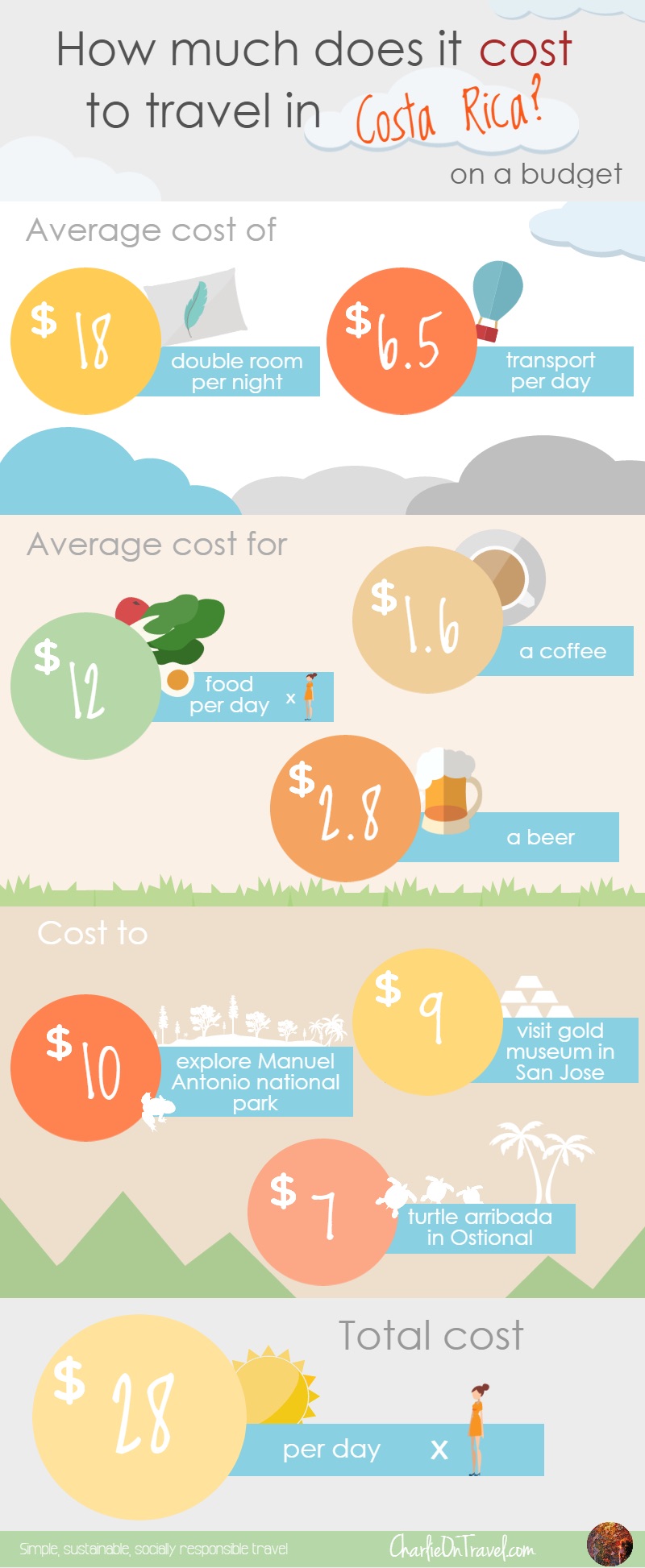
Travel in Costa Rica is generally more affordable. A typical backpacker budget might range from $60-100 per day, covering a hostel bed ($20-40), local meals like casado or gallo pinto ($5-10), and a bus ticket ($3-15). Mid-range travelers can expect $100-150 per day for a comfortable hotel ($70-100), some guided tours ($40-80), and nicer restaurant meals ($15-25). For example, a zipline tour near La Fortuna might cost $50-70. Groceries at a Maxi Pali store are also substantially cheaper than in the US.
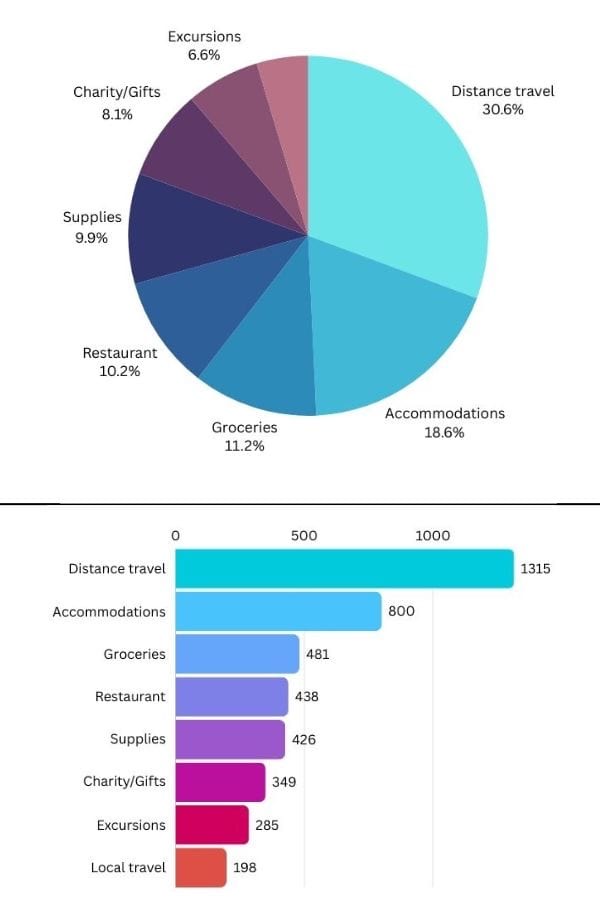
Conversely, the USA is a higher-cost destination. A budget traveler can anticipate $120-200 per day, often staying in motels ($80-120), eating fast food or cooking ($20-40), and relying on public transport or rideshares ($10-30). Mid-range travel often runs $200-300 per day, including hotels ($150-250), restaurant meals ($40-70), and museum entries ($20-30). A ticket to a Broadway show in New York can easily be $100-200. Gas prices vary but are typically $3-5 per gallon. Expect to spend significantly more for comparable activities. Tabiji verdict: Costa Rica offers a substantially better value for a wide range of travel experiences.
- Winner: Costa Rica
- Why: Costa Rica provides a similar quality of adventure and nature experiences at a fraction of the cost found in the USA.
- Who this matters for: Budget travelers, long-term backpackers, and families looking for outdoor activities without overspending.
✈️ Getting There
Getting to Costa Rica is straightforward from North America. Direct flights from major hubs like Miami (MIA), Houston (IAH), Dallas (DFW), or Atlanta (ATL) to San José (SJO) or…

Costa Rica

Usa
Getting to Costa Rica is straightforward from North America. Direct flights from major hubs like Miami (MIA), Houston (IAH), Dallas (DFW), or Atlanta (ATL) to San José (SJO) or Liberia (LIR) typically range from 2.5 to 5 hours. From the West Coast, like Los Angeles (LAX), flights can be 5-7 hours, sometimes with a connection. Prices for a round trip can range from $300-600 depending on the season and departure city. Booking in advance usually yields better rates.
Traveling within the USA or flying into it internationally offers immense flexibility. Major international airports like New York (JFK/EWR), Los Angeles (LAX), Chicago (ORD), and Miami (MIA) serve countless routes. Domestic flights are frequent and cover vast distances, with flight times from, say, NYC to LA being around 5-6 hours. Costs for domestic flights can vary widely from $100 for a short hop to $500+ for cross-country routes, depending on how far in advance you book. International flight costs are highly dependent on origin. Tabiji verdict: Both destinations are easily accessible by air, offering convenient flight options depending on your starting point.
- Winner: Tie
- Why: Both countries have well-established air travel networks making them easy to reach from various starting points.
- Who this matters for: Travelers prioritizing easy, direct air access from North America.
🚗 Getting Around
In Costa Rica, getting around involves a mix of options. Public buses are the most economical, connecting towns for a few dollars (e.g., San José to La Fortuna for about $5-8…

Costa Rica
Usa
In Costa Rica, getting around involves a mix of options. Public buses are the most economical, connecting towns for a few dollars (e.g., San José to La Fortuna for about $5-8 USD). Shared shuttles, like Interbus or Caribe Shuttle, are convenient for tourists, costing $40-60 per person between popular areas. Renting a 4x4 vehicle is a common choice for flexibility, especially for reaching remote areas, but road conditions can be rough, and GPS can be unreliable. Expect car rental prices from $40-70 per day plus insurance, and gas prices around $1.20-1.40 per liter (approx $4.50-5.30 per gallon).
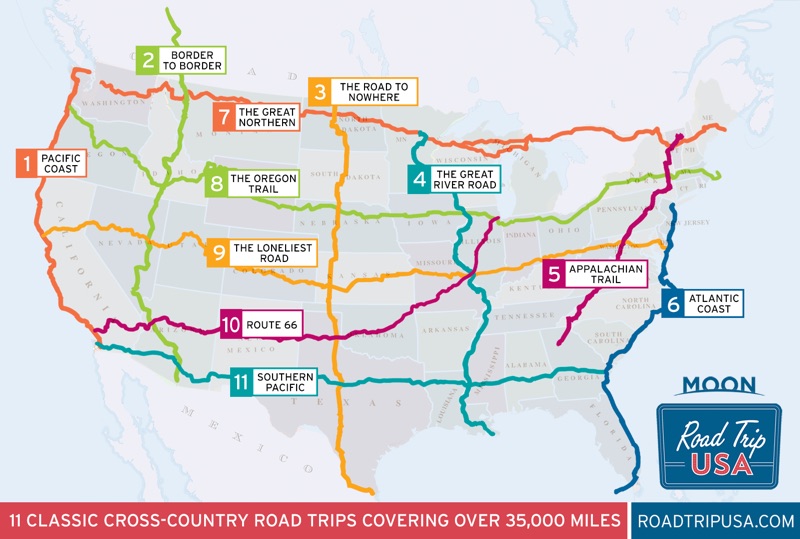
The USA excels in ease of getting around, primarily by car. The interstate highway system is extensive and well-maintained, making road trips a core travel experience. Car rentals are widely available at airports and in cities, typically costing $40-80 per day depending on vehicle type and location. Gas prices average $3-5 per gallon. For cities, public transport like NYC's subway ($2.90 per ride) or San Francisco's BART is efficient, but many US cities are car-dependent. For long distances, domestic flights or Amtrak trains are options, though trains are often slower and pricier than flying. Tabiji verdict: The USA's infrastructure for self-driving and urban public transport offers a more consistent and predictable travel experience.
- Winner: Usa
- Why: The USA's well-maintained road network and widespread car rental options offer superior flexibility and predictability for movement.
- Who this matters for: Road trippers, independent travelers who prefer driving themselves, and those who prioritize convenience over local immersion.
🌳 Nature & Outdoors
Costa Rica is a powerhouse for nature experiences, packing immense biodiversity into a small area. Think sloth sightings in Manuel Antonio National Park, hiking around Arenal…
Costa Rica
Usa
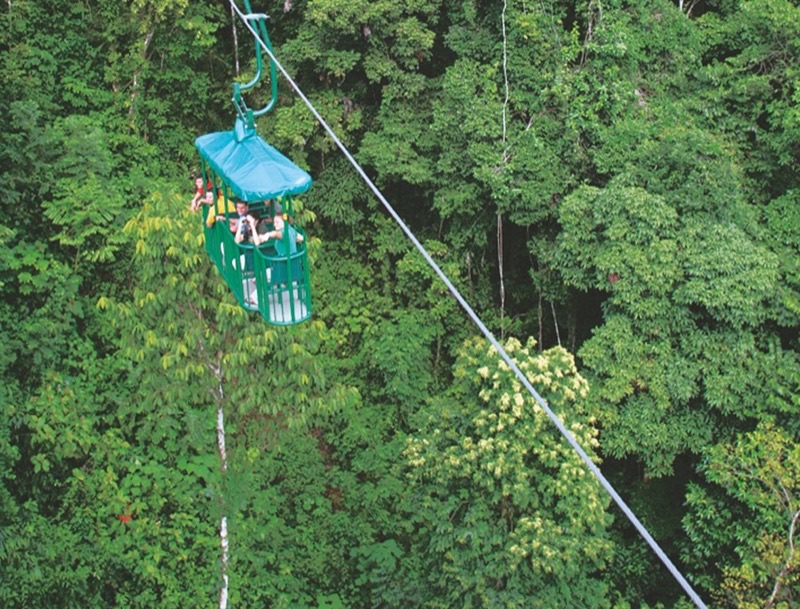
Costa Rica is a powerhouse for nature experiences, packing immense biodiversity into a small area. Think sloth sightings in Manuel Antonio National Park, hiking around Arenal Volcano, exploring the Monteverde Cloud Forest for quetzals, or whitewater rafting on the Pacuare River. Access to parks often costs $10-16 USD per person. Guided tours for wildlife spotting or adventure activities like ziplining or canyoning are plentiful and well-established, typically costing $40-80 per activity. The focus is on dense, tropical ecosystems and high chances of seeing specific animals.
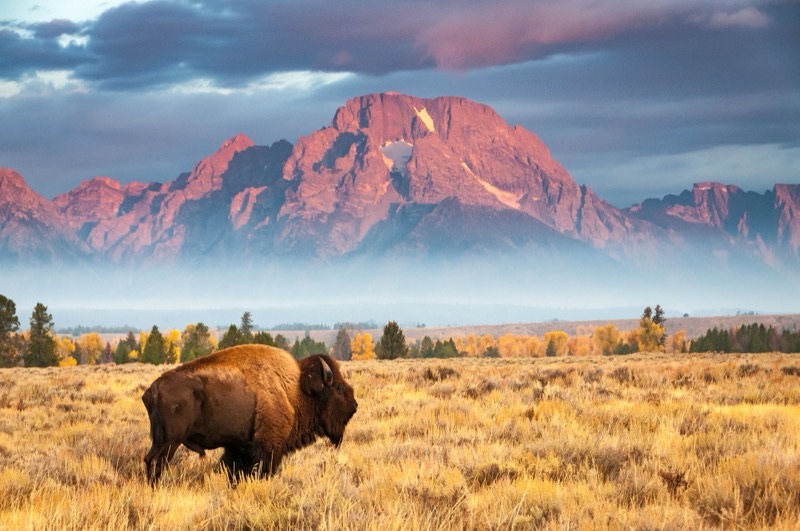
The USA offers an incredible range of natural landscapes, from the grand scale of the Grand Canyon and Yosemite National Park to the Everglades swamps or the Rocky Mountains. Park entrance fees are typically $20-35 per vehicle or $80 for an annual national park pass. Activities like hiking, camping, skiing, or kayaking are widespread. However, wildlife sightings, while possible, are less guaranteed and often require more patience and specific locations than in Costa Rica's dense jungles. The landscapes are grander, but often less 'intimate' in terms of direct animal observation. Tabiji verdict: Costa Rica wins for immersive, accessible, and consistently rewarding wildlife encounters in a tropical setting.
- Winner: Costa Rica
- Why: Costa Rica provides a more concentrated and accessible experience for wildlife observation and tropical adventures.
- Who this matters for: Wildlife enthusiasts, adventure seekers who enjoy ziplining and rafting, and those who prioritize seeing specific tropical animals.
🏖️ Beaches
Costa Rica has two distinct coastlines. The Pacific side, with popular spots like Tamarindo, Santa Teresa, and Manuel Antonio, is known for surfing, sunsets, and lively beach…

Costa Rica
Usa
Costa Rica has two distinct coastlines. The Pacific side, with popular spots like Tamarindo, Santa Teresa, and Manuel Antonio, is known for surfing, sunsets, and lively beach towns. Water is warm, and beaches are often backed by lush greenery where monkeys roam. The Caribbean side, around Puerto Viejo and Cahuita, offers a different vibe with calmer waters, coral reefs for snorkeling, and a distinct Afro-Caribbean culture. Surfing lessons typically cost $40-60, and surfboard rentals are around $15-25 per day. You can find both quiet, remote coves and more developed areas with amenities.
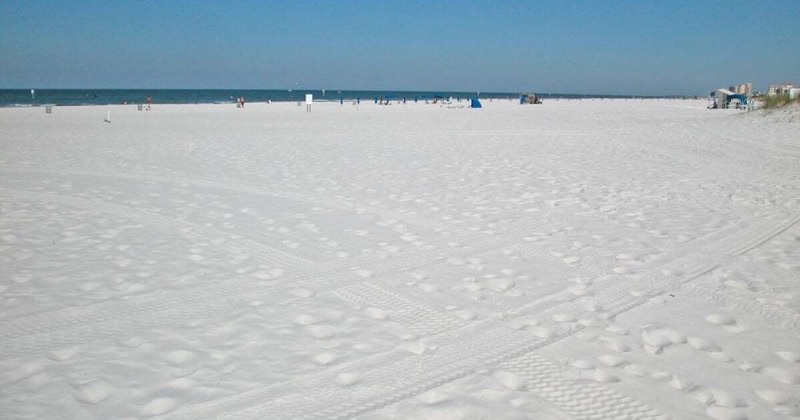
The USA boasts thousands of miles of varied coastline. California has iconic surf beaches like Malibu and picturesque cliffs in Big Sur. Florida offers warm, sandy beaches like South Beach in Miami or the Gulf Coast's clear waters. The East Coast has classic beach towns from the Hamptons to the Outer Banks. Many US beaches are well-serviced with lifeguards, facilities, and a range of water sports. Expect to pay for parking in some popular areas ($10-25 per day) and higher prices for rentals (e.g., jet ski rentals $80-150/hour). Some beaches are private, others are state or national parks. Tabiji verdict: Both countries offer a wide array of beach experiences, catering to different preferences for atmosphere and activity levels.
- Winner: Tie
- Why: Both destinations provide diverse and high-quality beach experiences, from surfing to relaxation, on multiple coastlines.
- Who this matters for: Surfers, sun-seekers, and travelers who want both lively and secluded beach environments.
🍽️ Food Scene
Costa Rican cuisine is simple, fresh, and hearty. Staple dishes include 'casado' (rice, beans, protein, salad, plantains), 'gallo pinto' (rice and beans for breakfast), and fresh…
Costa Rican cuisine is simple, fresh, and hearty. Staple dishes include 'casado' (rice, beans, protein, salad, plantains), 'gallo pinto' (rice and beans for breakfast), and fresh seafood on the coasts. 'Sodas' (local eateries) offer the best value, with a casado costing ₡3,000-5,000 ($5-8 USD). Upscale restaurants in tourist areas might charge $20-40 for a main course. Fresh fruit juices ('frescos') are everywhere and delicious. While not a culinary capital in the global sense, the food is nourishing and authentically local, with a focus on natural flavors. Don't expect a lot of spices. A good meal at a typical soda is a filling experience.
The USA's food scene is unparalleled in its diversity and innovation. From regional specialties like New York-style pizza ($3-5/slice), New Orleans gumbo, or Texas BBQ ($20-30/plate) to a global array of cuisines in major cities, there's a dining option for every taste and budget. You can find Michelin-starred restaurants (hundreds of dollars per person) or incredible food trucks ($8-15 per meal). Craft beer, cocktail culture, and specialty coffee are also highly developed. While often pricier, the sheer variety, quality, and choice of dining experiences across the country set it apart. Tabiji verdict: The USA offers an exponentially broader, more innovative, and diverse culinary landscape, from street eats to fine dining.
- Winner: Usa
- Why: The USA boasts an unmatched diversity, innovation, and global representation in its culinary offerings, catering to every palate and budget level.
- Who this matters for: Foodies, travelers seeking specific international cuisines, and those who enjoy a dynamic dining culture.
🛡️ Safety & Health
Costa Rica is generally considered safe for tourists, but petty theft is a concern, especially in crowded areas like San José or on public buses. Avoid leaving valuables…
Costa Rica is generally considered safe for tourists, but petty theft is a concern, especially in crowded areas like San José or on public buses. Avoid leaving valuables unattended on beaches or in rental cars. Serious violent crime against tourists is less common. Healthcare is decent in private hospitals in San José (e.g., CIMA Hospital), but can be expensive without travel insurance. Public clinics in rural areas are more basic. Tap water is generally safe to drink in most urban areas, but bottled water is often preferred in rural spots. Mosquito-borne illnesses like Dengue are present seasonally.
The USA is largely a safe country for travelers, though safety can vary significantly by specific urban neighborhoods or rural areas. Major cities like New York or San Francisco have safe public transport systems. However, gun violence is a higher concern than in many other developed nations, although tourists are rarely direct targets. Healthcare in the USA is world-class but prohibitively expensive without insurance. A simple emergency room visit can cost thousands of dollars. Tap water is safe everywhere. Tourists should be aware of their surroundings, particularly in less affluent areas after dark. Tabiji verdict: The USA offers a higher baseline of personal safety in most tourist areas and superior medical infrastructure, despite the cost.
- Winner: Usa
- Why: The USA generally provides a higher level of personal safety and has world-leading medical facilities, albeit at a high cost.
- Who this matters for: Travelers prioritizing minimal petty crime risk and access to advanced medical care for any unexpected emergencies.
🛌 Accommodation
Costa Rica offers a range of accommodation options. Hostels, like Selina or numerous independent ones, are common in popular spots, costing $20-40 for a dorm bed or $50-80 for a…
Costa Rica offers a range of accommodation options. Hostels, like Selina or numerous independent ones, are common in popular spots, costing $20-40 for a dorm bed or $50-80 for a private room. Mid-range hotels and boutique eco-lodges might be $80-150 per night. Vacation rentals (Airbnb/VRBO) are also popular, especially for families, offering homes from $100-300 per night. In more remote areas, expect rustic cabinas or simpler guesthouses. Standards are generally clean and functional, with an emphasis on integrating with nature, especially in eco-lodges.
The USA has an extensive and varied accommodation market. Budget motels like Motel 6 or Super 8 can be found for $70-120 per night. Mid-range chain hotels (Hilton Garden Inn, Marriott Courtyard) are plentiful, typically $150-250 per night, with prices varying wildly by city and season. Luxury hotels can easily exceed $400-500. Vacation rentals are ubiquitous, from city apartments to mountain cabins. The quality and amenities (pools, gyms, reliable WiFi) are generally very consistent across chain properties. Tabiji verdict: Both countries provide a broad spectrum of lodging, offering choices for every budget and style, with Costa Rica excelling in eco-focused stays and the USA in sheer volume of consistent chain options.
- Winner: Tie
- Why: Both destinations offer a comprehensive range of accommodation options, from budget-friendly to luxury, catering to diverse traveler preferences.
- Who this matters for: All travelers, as both countries offer suitable lodging for different budgets and styles.
🤝 Culture & Local Interaction
Costa Rican culture is characterized by 'Pura Vida' – a relaxed, optimistic outlook on life. Locals are generally welcoming and friendly, especially outside of San José. Engaging…
Costa Rican culture is characterized by 'Pura Vida' – a relaxed, optimistic outlook on life. Locals are generally welcoming and friendly, especially outside of San José. Engaging with ticos often involves simple greetings and appreciating their calm demeanor. There's a strong emphasis on family, community, and environmental conservation. Opportunities for cultural immersion include visiting local markets ('ferias'), taking cooking classes for traditional dishes, or staying at a rural 'finca' (farm). Learning a few Spanish phrases goes a long way. The pace of life is slower, fostering more organic interactions with residents. You can experience indigenous cultures in certain reserves.
The USA's culture is a complex tapestry of regional identities and subcultures. From the bustling pace of New York City to the relaxed Southern charm, or the independent spirit of the Pacific Northwest, there's no single 'American culture'. Interactions can vary widely; people in rural areas might be more outwardly friendly than in fast-paced cities. Cultural experiences include visiting museums like the Metropolitan Museum of Art ($30 entry), attending live music events, exploring historical sites, or engaging with local arts scenes. While there's a lot to experience, genuinely deep local interaction can sometimes be harder to come by for short-term visitors, especially in major tourist zones. Tabiji verdict: Costa Rica offers a more cohesive and readily accessible local culture, with a distinctly welcoming and optimistic 'Pura Vida' ethos.
- Winner: Costa Rica
- Why: Costa Rica provides a more distinct, accessible, and consistently welcoming local culture rooted in the 'Pura Vida' philosophy.
- Who this matters for: Travelers seeking authentic local interactions, a slower pace of life, and a strong sense of national identity.
🎉 Nightlife & Entertainment
Nightlife in Costa Rica is generally more laid-back. In beach towns like Tamarindo or Jacó, you'll find beachfront bars with live music (often reggae or Latin pop), small clubs,…
Nightlife in Costa Rica is generally more laid-back. In beach towns like Tamarindo or Jacó, you'll find beachfront bars with live music (often reggae or Latin pop), small clubs, and late-night spots. A local beer like Imperial costs ₡1,500-2,500 ($2.50-4). San José has more varied options, including casinos and larger clubs, but it's not a primary reason to visit. Outside of these areas, entertainment is often limited to enjoying a drink at your hotel or a local soda. Expect a focus on simple enjoyment, often outdoors, rather than elaborate venues or late-night clubbing scenes.
The USA's nightlife and entertainment options are incredibly varied and extensive. Major cities like Las Vegas, New York, Miami, and Los Angeles are global entertainment hubs with mega-clubs, casinos, Broadway/theater productions, and live music venues for every genre. A cocktail in a city bar might cost $12-20, and club covers can be $20-50. Even smaller towns have local bars, breweries, and movie theaters. Sports events, concerts, and festivals are frequent throughout the year. The sheer scale and diversity of entertainment options, from high culture to wild parties, are unmatched. Tabiji verdict: For sheer variety, scale, and sophistication of nightlife and entertainment, the USA is the clear leader.
- Winner: Usa
- Why: The USA offers an unparalleled diversity and scale of nightlife and entertainment options, from global party hubs to world-class cultural performances.
- Who this matters for: Party-goers, fans of live music, theater enthusiasts, and anyone seeking extensive evening entertainment options.
🎯 The Decision Framework
Choose Costa Rica If…
- You want accessible, dense rainforest and wildlife encounters.
- You prioritize adventure activities like ziplining, rafting, and surfing.
- You enjoy a slower pace and the 'Pura Vida' mentality.
- You want your budget to stretch further for accommodations and activities.
- You appreciate fresh, simple, and locally sourced food from 'sodas'.
- You prefer warm, tropical climates year-round.
- You are comfortable with relying on public buses or shared shuttles.
- You want to disconnect and immerse yourself in nature.
Choose Usa If…
- You want unparalleled culinary diversity, from street food to fine dining.
- You seek extensive road trip opportunities on well-maintained highways.
- You desire a vast range of entertainment, from Broadway to mega-clubs.
- You prioritize consistent, high-standard infrastructure (roads, hotels, internet).
- You are interested in diverse urban experiences and iconic city landmarks.
- You want access to world-class museums and cultural institutions.
- You need extensive shopping options, from big box stores to luxury boutiques.
- You are comfortable with higher travel costs for experiences and amenities.
📅 Sample Itineraries
Weekend in Costa Rica (3 Days)
💡 Book hot spring visits and popular tours in La Fortuna a few days in advance, especially during dry season (December-April), to secure your preferred time and avoid higher on-site prices.
Weekend in Usa (3 Days)
💡 Utilize Miami's Metrobus system for $2.25 per ride to save on taxi fares when exploring areas like Wynwood and Little Havana, especially outside of peak traffic times.
One Week in Costa Rica (7 Days)
💡 For inter-city travel, use shared shuttle services like Interbus or Caribe Shuttle. Booking these a day or two in advance can save time and be more comfortable than public buses, costing around $50-70 per leg.
One Week in Usa (7 Days)
💡 For Los Angeles, consider purchasing a Metro Day Pass for $7 to navigate between Hollywood, Downtown LA, and Santa Monica without the hassle and cost of parking, though a car is ideal for broader exploration.
❓ Frequently Asked Questions
What is a realistic daily budget for Costa Rica vs. USA?
For Costa Rica, a budget traveler can manage on $60-100/day, while mid-range travelers might spend $100-150/day. In the USA, budget travel usually starts at $120-200/day, with mid-range costs often $200-300/day, significantly more in major cities like NYC or LA.
Which country is better for adventure activities?
Costa Rica is generally better for concentrated adventure activities like ziplining, whitewater rafting, canyoning, and surfing, all within close proximity and at a more accessible price point. The USA offers extensive hiking, skiing, and water sports, but often requires more travel between different activity zones.
Is it easy to get around Costa Rica without a rental car?
Yes, it is possible to get around Costa Rica without a rental car. Public buses are affordable and connect most towns. Shared tourist shuttles are also popular and convenient for reaching specific destinations like La Fortuna or Manuel Antonio, typically costing $40-60 between popular areas.
How do flight times from the US compare?
Direct flights from major US cities to Costa Rica (SJO or LIR) typically range from 2.5 hours (Miami) to 6-7 hours (Los Angeles). Domestic flights within the USA also have a wide range, with cross-country flights (e.g., NYC to LA) taking around 5-6 hours.
Which country has better beaches for surfing?
Both countries offer good surfing. Costa Rica's Pacific coast (Tamarindo, Santa Teresa) has consistent breaks and warm water, making it popular for all skill levels. The USA has iconic surf spots in California (Malibu, San Clemente) and Hawaii, but often at a higher cost for lessons and rentals.
What are the health and safety concerns for each?
Costa Rica is generally safe, but petty theft is common. Good travel insurance is advised. The USA has high safety standards in most tourist areas, but healthcare costs are extremely high without robust insurance. Gun violence is a societal issue in the USA, though tourists are rarely direct targets.
Can I drink the tap water in both countries?
In the USA, tap water is generally safe to drink everywhere unless explicitly stated otherwise. In Costa Rica, tap water is safe to drink in most urban areas and popular tourist destinations, but many travelers opt for bottled water in more rural or remote regions to be safe.
Which destination is more suitable for families with young children?
Costa Rica offers an engaging experience for families with its abundant wildlife, gentle adventure activities like nature walks, and a generally slower pace. The USA provides convenience with familiar amenities, extensive family-friendly attractions (theme parks, children's museums), and readily available childcare options, though at a higher price point.
Ready to plan your next trip?
Get a free custom itinerary for Costa Rica, Usa, or both — built from real traveler insights.
👥 Travelers Also Compared
🎟️ Book Tours & Experiences
Hand-picked tours and activities for both destinations — book with free cancellation
Experiences via Viator — free cancellation on most tours