How we built this comparison
This page combines traveler discussion patterns, published price ranges, flight schedules, and seasonal data to help you decide between Costa Rica and Galapagos.
- Reviewed 500+ Reddit threads from r/travel, r/solotravel, r/costarica, r/GalapagosTravel, and r/ecuador for real traveler experiences and advice.
- Verified costs and logistics against current booking platforms (e.g., Expedia, Booking.com, local tour operators) and recent traveler blogs.
- Cross-referenced seasonal patterns, weather data, and specific wildlife behaviors with local tourism boards and conservation organizations.
⚡ The TL;DR Verdict
For those seeking accessible adventure, diverse landscapes, and a chaotic local culture on a more moderate budget, Costa Rica is your pick at roughly $100-250 USD/day. If your dream is unparalleled, up-close wildlife encounters in a truly unique and protected environment, and you're ready to invest $400-800+ USD/day, the Galapagos Islands are an memorable, once-in-a-lifetime journey.
- Choose Costa Rica: Choose Costa Rica if you crave a mix of adventure (ziplining, surfing, white water rafting), lush rainforests, volcanic landscapes, and beautiful beaches, all while interacting with a friendly 'Pura Vida' culture and managing a more flexible budget.
- Choose Galapagos: Opt for the Galapagos if your priority is an almost surreal immersion into unique, fearless wildlife found nowhere else on Earth. It's ideal for avid naturalists, photographers, and those seeking a profound, often cruise-based, ecological experience where the animals are the main event.
- Choose Both: If you have 3+ weeks and a generous budget, you could combine both. Start with Costa Rica for 10-14 days for adventure and diverse ecosystems, then fly to Ecuador and spend 7-10 days exploring the Galapagos for its unparalleled wildlife, offering a comprehensive natural history tour of the Americas.
Choose Costa Rica
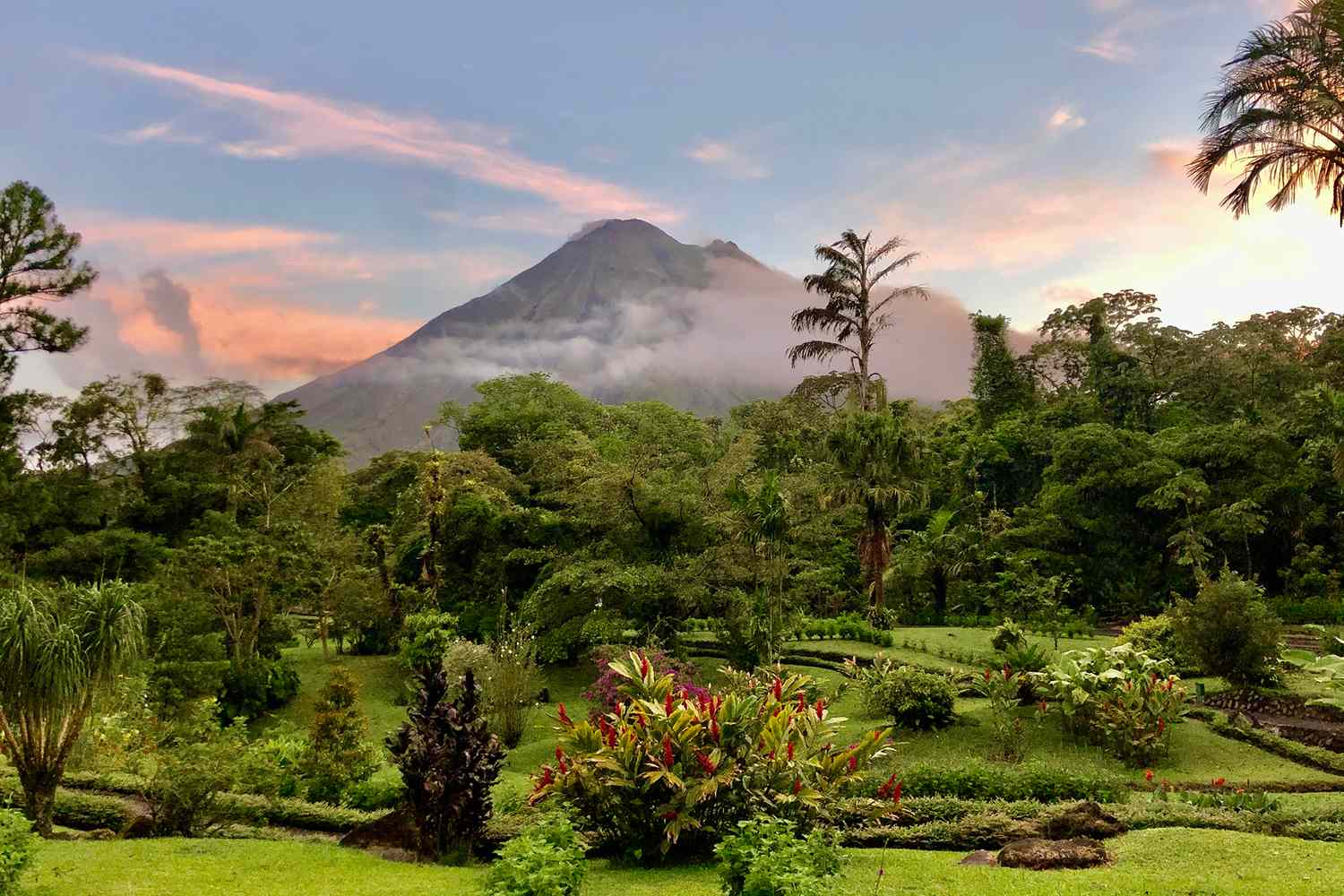
Choose Costa Rica if you're an active traveler eager for a dynamic mix of ziplining through Monteverde's cloud forests, surfing in Tamarindo, or rafting the Pacuare River. It’s perfect for those seeking colorful "Pura Vida" culture, lush biodiversity, and diverse landscapes like Arenal Volcano, all on a more flexible $100-250 USD/day budget.
Choose Galapagos
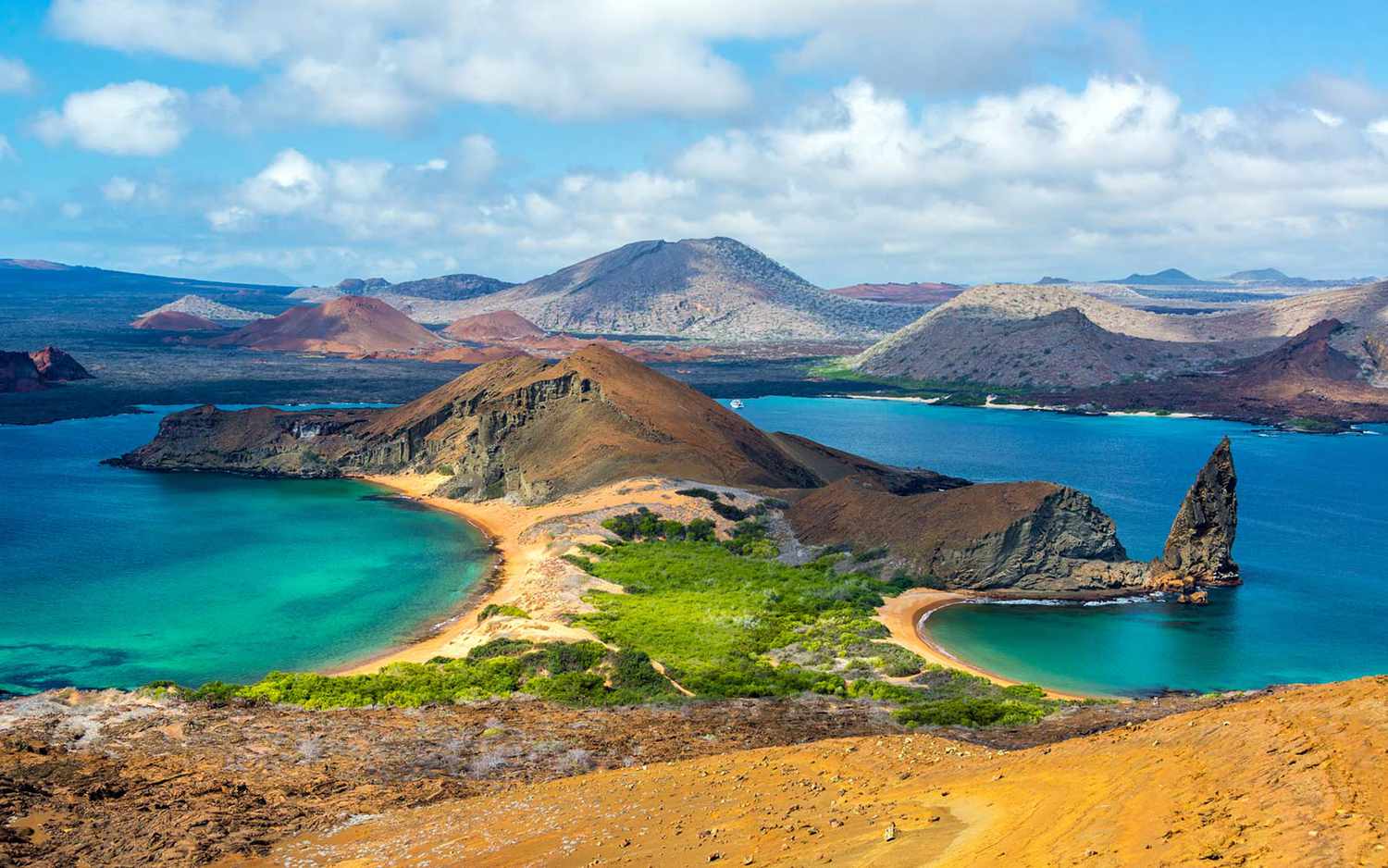
Opt for the Galapagos if your ultimate dream is an extraordinary immersion into fearless, endemic wildlife, snorkeling alongside playful sea lions or observing blue-footed boobies up close. This once-in-a-lifetime journey is ideal for avid naturalists, photographers, and those ready to invest $400-800+ USD/day for an unparalleled ecological adventure.
Quick Comparison
| Category | Costa Rica | Galapagos | Winner |
|---|---|---|---|
| Costs & Budget | Significantly more affordable for daily expenses, accommodation, and activities. Offers options for all budget types from backpacker to luxury. | One of the most expensive destinations globally due to conservation fees, limited infrastructure, and cruise-centric travel. Budgeting is crucial. | Costa Rica |
| Nature & Wildlife | Incredible biodiversity across rainforests, cloud forests, volcanoes, and coasts. Abundant sloths, monkeys, toucans, and diverse birdlife. | Unparalleled, unique endemic species with no fear of humans. Giant tortoises, marine iguanas, blue-footed boobies, penguins, sea lions, all up close. | Galapagos |
| Beaches | Diverse beaches on both Pacific and Caribbean coasts, from packed surf towns to secluded coves and calm, palm-fringed shores. | Pristine, volcanic beaches primarily for wildlife viewing and snorkeling, not typical sunbathing. Often shared with sea lions and marine iguanas. | Costa Rica |
| Getting There & Around | Two major international airports (SJO, LIR), good internal bus network, domestic flights, and relatively easy car rentals for self-exploration. | Requires specific internal flights from mainland Ecuador (UIO/GYE) to Baltra or San Cristobal, followed by inter-island boats or small planes. Logistics can be complex and expensive. | Costa Rica |
| Accommodation | Vast range from budget hostels and charming B&Bs to luxurious eco-lodges and all-inclusive resorts. Options for every style and price point. | More limited options, primarily budget hotels/guesthouses on inhabited islands or mid-range to luxury cruise ships. Fewer unique, standalone resort experiences. | Costa Rica |
| Food & Drink | Fresh, simple, and flavorful local cuisine centered around 'casados,' rice, beans, plantains, and fresh fruit. Abundant fresh coffee. | Focus on fresh seafood, particularly ceviche and grilled fish. Options are more limited outside the main towns, and prices are higher. | Costa Rica |
| Adventure & Activities | A mecca for adrenaline junkies: ziplining, white water rafting, surfing, canyoning, ATV tours, volcano hikes, and more. | Primary activities revolve around wildlife viewing: snorkeling, diving, guided hikes, kayaking. Less focus on high-adrenaline sports. | Costa Rica |
| Culture & People | 'Pura Vida' ethos, friendly and welcoming locals (Ticos), loud Latin American culture, rich coffee and agricultural heritage. | Small, conservation-focused local population. Interactions are mainly with guides and service staff; less emphasis on a distinct, accessible local culture. | Costa Rica |
| Safety | Generally safe, but petty crime (theft from cars, pickpocketing) is common in tourist areas and cities. Requires vigilance. | Extremely safe, with very low crime rates. Main concerns are environmental safety (e.g., sun exposure, respecting wildlife distances). | Galapagos |
| Best Time to Visit | Distinct dry (Dec-Apr) and wet (May-Nov) seasons. Dry season is popular but crowded; wet season offers lush landscapes and fewer tourists. | Generally good year-round, with two main seasons: warm/wet (Dec-May) for clear water and mating; cool/dry (Jun-Nov) for active wildlife and cooler temps. | Galapagos |
💸 Costs & Budget
Costa Rica is hands-down the winner for budget-conscious travelers. You can comfortably get by on $70-150 USD (₡35,000-75,000) per day if you're staying in hostels like Selina (from $25/night), eating at local 'sodas' (casados for $5-8 / ₡2,500-4,000), and using public buses. Mid-range travelers can expect $150-300 USD (₡75,000-150,000) with boutique hotels (e.g., Hotel Grano de Oro in San Jose from $150) and organized tours. The Galapagos, on the other hand, is a different league. The park entrance fee alone is $100 USD (plus a $20 transit card). A budget 4-day island-hopping trip (staying in basic guesthouses like Hotel Estrella del Mar for $80-120/night, and taking day tours) will run you $300-500 USD per day. A mid-range 5-7 day cruise, which is the quintessential Galapagos experience, will typically cost $3,000-6,000 USD, or $500-1,000 per day. "Dude, I thought CR was expensive until I looked at Galapagos prices. My wallet cried just looking at the flights to Baltra, let alone the cruises." says one Reddit user.
Winner takeaway
- Winner: Costa Rica
- Why: Costa Rica offers incredible value and a wide range of options for every budget, making it accessible to more travelers.
- Who this matters for: Travelers prioritizing budget flexibility and getting more bang for their buck.
🐒 Nature & Wildlife
While Costa Rica boasts mind-boggling biodiversity, with a quarter of its land protected, including iconic spots like Manuel Antonio National Park (entry $18 USD) and Monteverde Cloud Forest (entry $25-30 USD) where you can spot sloths, capuchin monkeys, and quetzals, the Galapagos Islands offer a fundamentally different and arguably more profound wildlife experience. Here, the animals have evolved in isolation, leading to unique species that exhibit no fear of humans. You'll wade past marine iguanas on the beaches of Isabela, snorkel with playful sea lions at Kicker Rock, and observe blue-footed boobies doing their mating dance on North Seymour, all often within arm's reach. The sheer proximity and uniqueness of species like the giant tortoises (found at places like the Charles Darwin Research Station or El Chato Tortoise Reserve on Santa Cruz) make the Galapagos a peerless natural spectacle. "It's like walking into a nature documentary, but you're actually there, and the animals don't even care you exist." is a common sentiment among visitors.
Winner takeaway
- Winner: Galapagos
- Why: The Galapagos offers an utterly unique, up-close, and fearless wildlife experience that is unparalleled globally.
- Who this matters for: Wildlife enthusiasts, photographers, and those seeking truly unique animal encounters.
🏖️ Beaches
Costa Rica's coastline is incredibly diverse and caters to all beach preferences. On the Pacific side, you have the famous surfing waves of Tamarindo and Santa Teresa, where board rentals are around $15-20 USD/day and lessons are $50-70. Manuel Antonio offers sharp white sand beaches backed by lush rainforest, often with monkeys playing nearby. On the Caribbean side, places like Cahuita and Puerto Viejo provide a more relaxed, Afro-Caribbean vibe with calm waters, colorful coral reefs (snorkeling tours $30-50), and loud local culture. The Galapagos beaches, like Tortuga Bay on Santa Cruz or Gardner Bay on Española, are undeniably beautiful with their white sands and dramatic volcanic backdrops, but they are primarily wildlife habitats. You'll share the sand with sunbathing sea lions, nesting marine iguanas, and various bird species. While you can swim and snorkel, they aren't typically for long days of sunbathing and cocktails. "If you want to chill on a beach with a cold beer and watch the sunset, CR wins. If you want to share your towel with a sea lion, Galapagos it is." commented a traveler.
Winner takeaway
- Winner: Costa Rica
- Why: Costa Rica offers a wider variety of accessible beaches for traditional relaxation, surfing, and swimming, catering to different preferences.
- Who this matters for: Travelers who want a dedicated beach vacation with options for relaxation, water sports, and social atmosphere.
✈️ Getting There & Around
Costa Rica offers significantly easier and more flexible travel logistics. You can fly into Juan Santamaría International Airport (SJO) near San José or Daniel Oduber Quirós International Airport (LIR) in Guanacaste, with direct flights from major US cities typically 3-6 hours (e.g., Miami to SJO is ~3 hours). Once there, an extensive and affordable public bus system connects most towns (e.g., San José to La Fortuna for $5-8 USD). Domestic flights with carriers like Sansa (e.g., San José to Quepos for $80-120 USD) save time, and rental cars are widely available for $40-70 USD/day, offering ultimate flexibility, though roads can be challenging. For the Galapagos, you first need to fly to mainland Ecuador (Guayaquil - GYE or Quito - UIO), then take a separate 2-3 hour flight to Baltra (GPS) or San Cristobal (SCY), costing around $400-600 USD round trip from the US, plus another $400-550 USD for the domestic flight. Inter-island travel is mostly via speedboats (around $30-40 USD per leg) or small island hopper planes ($150-200 USD). "Getting to Costa Rica was a breeze compared to the whole multi-flight, transit card, airport hop to the Galapagos. CR felt way more spontaneous." said one traveler.
Winner takeaway
- Winner: Costa Rica
- Why: Costa Rica is much easier and more affordable to access internationally and navigate internally, offering greater flexibility.
- Who this matters for: Travelers seeking convenience, direct flights, and flexible independent travel options.
🏨 Accommodation
Costa Rica excels in its diverse and often striking accommodation options. You can find energetic hostels like Selina in La Fortuna or Santa Teresa for $20-40 USD/night, cozy boutique hotels such as Hotel Grano de Oro in San José for $150-250 USD, or indulge in top-tier eco-lodges like Nayara Gardens in Arenal (starting at $500-800 USD/night) or the renowned Lapa Rios Ecolodge in the Osa Peninsula (often $1000+/night). The variety caters to backpackers, families, and luxury seekers alike. In the Galapagos, while there are comfortable land-based hotels (e.g., Ikala Galapagos Hotel on Santa Cruz from $200-350 USD), the quintessential experience is often a cruise. These range from budget-friendly tourist-superior cruises (starting around $300-500 USD per person per night for a basic cabin) to luxury yachts (exceeding $1000-1500 USD per person per night for an opulent suite). While land-based stays are possible, many prime wildlife spots are only accessible via multi-day cruises, limiting standalone hotel experiences. "I loved having so many unique places to stay in CR, from a treehouse to a fancy eco-lodge. In Galapagos, it felt like either a basic hotel or a boat, not much in between for my budget." shared a traveler.
Winner takeaway
- Winner: Costa Rica
- Why: Costa Rica offers unparalleled variety, value, and unique lodging experiences across all price points.
- Who this matters for: Travelers who value diverse accommodation choices, from budget-friendly to luxurious, and unique stays.
🍽️ Food & Drink
Costa Rica's food scene is comforting, fresh, and incredibly affordable. The staple 'casado' (rice, beans, salad, plantains, and a choice of meat or fish) is available everywhere at local 'sodas' for $5-8 USD (₡2,500-4,000), offering great value. You'll find an abundance of tropical fruits, excellent coffee from plantations in the Central Valley (tours often $30-50 USD), and refreshing natural fruit juices. Fresh ceviche is also a popular coastal dish. Local beer like Imperial or Pilsen costs around $3-5 USD in most bars. While the Galapagos offers delicious fresh seafood, especially ceviche and grilled fish, the dining options are far more limited and expensive. Main towns like Puerto Ayora on Santa Cruz have tourist-oriented restaurants, but beyond that, it's mostly what's served on your cruise or at your hotel. A simple fish dinner can easily be $25-40 USD. "Costa Rica wins on food for sure. I could eat delicious, cheap casados every day, and the coffee was amazing. In Galapagos, it was good, but way pricier and less variety unless you're on a fancy cruise." noted a traveler.
Winner takeaway
- Winner: Costa Rica
- Why: Costa Rica provides a more diverse, accessible, and affordable culinary experience with dense local flavors.
- Who this matters for: Foodies who enjoy fresh, local cuisine on a budget, and those who like exploring local eateries.
⛰️ Adventure & Activities
Costa Rica is the undisputed champion for adventure activities. From soaring through the cloud forest canopy on a zipline (e.g., Sky Adventures Monteverde from $50-80 USD) to navigating the rapids of the Pacuare River (full-day rafting trips $90-120 USD), the options are endless. Surfing lessons abound in places like Tamarindo ($50-70 USD), and you can explore caves, go canyoning, horseback riding, or hike around active volcanoes like Arenal. The Galapagos, while incredibly active with wildlife, offers a different kind of adventure. Here, the thrill comes from snorkeling with sea lions and penguins, diving with hammerhead sharks at Gordon Rocks (multi-day dive packages $800-1500+), kayaking through mangrove tunnels, or taking guided walks to observe unique species. It's an immersive natural adventure rather than high-octane thrills. "If you want to feel your heart pound from physical activity, CR is your place. If you want your heart to pound from seeing a blue-footed booby up close, Galapagos is it." a Reddit user cleverly stated.
Winner takeaway
- Winner: Costa Rica
- Why: Costa Rica offers a significantly broader and more intense range of adrenaline-pumping and physical adventure activities.
- Who this matters for: Thrill-seekers, active travelers, and those looking for a diverse array of outdoor sports.
🇨🇷 Culture & People
Costa Rica's 'Pura Vida' culture is infectious and deeply ingrained. Ticos are known for their friendliness, relaxed demeanor, and strong sense of community. You'll have ample opportunities for authentic cultural interactions, whether it's learning about coffee production on a plantation tour in Poas or Monteverde ($30-50 USD), exploring local markets in San José, or simply chatting with locals in a small town 'soda.' The country's history and agricultural roots are evident everywhere. The Galapagos Islands, by contrast, are a multi-ethnic of Ecuadorians who have moved there for work, often deeply involved in conservation efforts. While friendly, the local culture isn't as outwardly expressive or as central to the visitor experience. Interactions are primarily with your naturalist guides, cruise crew, and hotel staff. The focus is overwhelmingly on the natural environment and wildlife, not on cultural immersion. "I loved the vibe in Costa Rica, everyone was so welcoming and the 'Pura Vida' thing is real. Galapagos was amazing, but it felt more like an expedition than a cultural trip." a traveler shared.
Winner takeaway
- Winner: Costa Rica
- Why: Costa Rica offers a rich, accessible, and welcoming local culture that is an integral part of the travel experience.
- Who this matters for: Travelers seeking cultural immersion, local interactions, and a packed social atmosphere.
🛡️ Safety
The Galapagos Islands are remarkably safe, arguably one of the safest travel destinations in the world. Due to their remote nature, small population, and heavy focus on conservation and regulated tourism, violent crime is virtually non-existent, and petty theft is extremely rare. The primary safety concerns revolve around the environment – being mindful of the sun, staying hydrated, following guide instructions to protect yourself and the wildlife, and being aware of ocean conditions. Costa Rica, while generally considered safe for tourists, does have higher rates of petty crime. Car break-ins are common in popular tourist parking lots (e.g., near beaches or trailheads), and pickpocketing can occur in crowded areas like San José or Jacó. Tourists are advised to avoid walking alone at night in certain city areas, not to leave valuables visible in cars, and to exercise general street smarts. "I never once felt unsafe in the Galapagos, anywhere. In Costa Rica, I always had a small worry about leaving stuff in the car, which is just part of traveling there." said one Reddit user.
Winner takeaway
- Winner: Galapagos
- Why: The Galapagos offers an exceptionally safe and low-crime environment, allowing visitors to focus entirely on the natural wonders.
- Who this matters for: Solo travelers, families with young children, and those who prioritize a worry-free travel experience.
☀️ Best Time to Visit
The Galapagos Islands are a fantastic year-round destination, making them a winner for consistent travel opportunities. The 'warm and wet' season (December to May) brings higher temperatures, calmer seas, and excellent underwater visibility for snorkeling and diving (water temps 24-30°C / 75-86°F), making it ideal for marine life encounters and observing land bird breeding. The 'cool and dry' season (June to November) features cooler air temperatures (20-24°C / 68-75°F), choppier seas, and the 'garúa' mist, but also more active marine life (penguins, whales, dolphins) due to nutrient-rich upwellings, and the famous blue-footed booby mating dance. Costa Rica has more distinct seasons. The dry season (December to April) is peak tourist time, offering sunny weather perfect for beaches and outdoor activities, but also higher prices and larger crowds. The green/wet season (May to November) sees afternoon showers, creating lush landscapes, fewer tourists, and better deals, though some roads can be rougher. "Galapagos is great anytime, you just get slightly different wildlife behaviors. Costa Rica in the dry season is awesome, but the crowds are real." a traveler mentioned.
Winner takeaway
- Winner: Galapagos
- Why: The Galapagos offers consistently excellent wildlife viewing and comfortable conditions throughout the entire year, with unique aspects to each season.
- Who this matters for: Travelers with less flexible travel dates or those who prefer year-round consistency in weather and wildlife opportunities.
🎯 The Decision Framework
Choose Costa Rica If…
- You seek daily budgets from $100-250 USD, making your money go further.
- You want easy access with direct flights from many North American cities.
- You prefer a destination with a wide range of beach options, from surfing to relaxation.
- You desire a trip filled with diverse adventure activities like zip-lining and whitewater rafting.
- You appreciate a lively local culture and interacting with friendly "Pura Vida" locals.
- You value a variety of affordable accommodation choices, from hostels to eco-lodges.
- You look forward to trying local cuisine and drinks without a high price tag.
- You want a destination where self-driving and public transport are viable options.
Choose Galapagos If…
- You prioritize direct, close-up encounters with fearless wildlife found nowhere else.
- You are willing to invest in a premium, highly regulated travel experience.
- You seek a destination where animal welfare and conservation are paramount.
- You prefer a safe and secure travel environment, often experienced via guided tours.
- You dream of seeing giant tortoises, marine iguanas, and blue-footed boobies in their natural habitat.
- You want to explore a pristine marine environment with incredible snorkeling and diving.
- You appreciate having a consistently good time to visit, making planning easier.
- You are comfortable with a cruise-based or guided tour structure for island hopping.
❓ Frequently Asked Questions
Which destination is better for families with young children?
Costa Rica is generally better for families with young children. It offers a wider range of activities suitable for all ages, from gentle nature walks to kid-friendly beaches and eco-lodges with pools. The logistics are also simpler, and travel is less strenuous, providing more flexibility for family needs.
Can I do a budget trip to the Galapagos?
A budget trip to the Galapagos is possible but still significantly more expensive than most other destinations. This typically involves 'island hopping' – staying in hostels/guesthouses on the inhabited islands (Santa Cruz, Isabela, San Cristobal) and taking day tours by speedboat. Expect around $300-500 USD per day excluding international flights.
Which destination is better for solo travelers?
Both can be good for solo travelers. Costa Rica offers a lively hostel scene, easy public transport, and numerous group tours for social interaction. The Galapagos is very safe and cruise options are great for meeting fellow travelers, but island hopping might feel a bit more isolated at times. Costa Rica generally edges it for social ease.
What's the best way to see wildlife in Costa Rica?
To see wildlife in Costa Rica, focus on national parks and reserves like Manuel Antonio, Monteverde Cloud Forest, Corcovado, and Tortuguero. Hiring a local guide, especially for night walks, drastically increases your chances of spotting elusive creatures like sloths, monkeys, birds, and even big cats.
How long should I plan for each destination?
For Costa Rica, a minimum of 7-10 days allows you to visit 2-3 regions like Arenal, Monteverde, and a beach. For the Galapagos, 5-8 days is ideal, with 4-5 days for a cruise or 6-7 days for island hopping to experience multiple islands and wildlife zones fully. Anything less feels rushed for both.
Do I need a tour guide in both places?
In the Galapagos, a certified naturalist guide is mandatory for almost all excursions to national park sites, whether on a cruise or a day trip. In Costa Rica, while not mandatory, hiring a local guide (e.g., $20-40 USD for a park walk) for national parks is highly recommended to spot animals and learn about the ecosystem effectively.
What are the visa requirements?
For most major nationalities (US, Canada, UK, EU, Australia), neither Costa Rica nor Ecuador (which governs the Galapagos) requires a pre-arranged visa for stays up to 90 days. You'll need a valid passport with at least six months' validity. Always check the latest requirements for your specific nationality before travel.
Which destination is more sustainable?
Both destinations are leaders in ecotourism, but in different ways. Costa Rica pioneered sustainable tourism development and has a huge focus on conservation through tourism. The Galapagos operates under strict regulations to protect its delicate ecosystem, with limits on visitor numbers and designated paths, making it highly controlled and sustainable by design, though the carbon footprint of getting there is higher.
Ready to plan your standout trip?
Get a free custom itinerary for Costa Rica, Galapagos, or both — built from real traveler insights and expert advice.
🎟️ Book Tours & Experiences
Hand-picked tours and activities for both destinations — book with free cancellation
Experiences via Viator — free cancellation on most tours