How we built this comparison
This page combines traveler discussion patterns, published price ranges, transit details, and seasonal data to make the Bali vs Hawaii decision easier to resolve.
- Reviewed Reddit-style traveler discussions and recurring decision patterns for Bali and Hawaii.
- Checked numeric claims like accommodation ranges, transit costs, transfer times, or seasonal patterns where those numbers appear on the page.
- Updated the page structure so each major section ends with a clearer winner, reason, and traveler-use note.
Best read as a decision guide, not a universal truth: the right pick depends on your budget, pace, and what kind of trip you actually want.

⚡ The TL;DR Verdict
Bali is better if you want Budget luxury, wellness, culture seekers, digital nomads. Hawaii is better if you want Beach lovers, hikers, families, US travelers wanting ease. Mid-range budget: Bali $40–80 USD vs Hawaii $150–250 USD.
- Choose Bali: Budget luxury, wellness, culture seekers, digital nomads.
- Choose Hawaii: Beach lovers, hikers, families, US travelers wanting ease.
- Budget snapshot: Bali: $40–80 USD; Hawaii: $150–250 USD.
Choose Bali
Budget luxury, wellness, culture seekers, digital nomads.
Choose Hawaii
Beach lovers, hikers, families, US travelers wanting ease.
Quick Comparison
| Category | 🌴 Bali | 🌺 Hawaii | Winner |
|---|---|---|---|
| Daily Budget (mid-range) | $40–80 USD | $150–250 USD | Bali |
| Beaches | Mixed — Uluwatu area is striking, Kuta is meh | Internationally recognized across all islands, crystal clear | Hawaii |
| Food Scene | Incredible local food ($1–5), booming café culture | Great poke/seafood, but expensive ($15–30+) | Bali |
| Culture | Hindu temples, rice terraces, ceremonies daily | Hawaiian/Polynesian heritage, hula, luaus | Bali |
| Nightlife | Beach clubs, Seminyak/Canggu party scene | Limited — resort bars, some Waikiki spots | Bali |
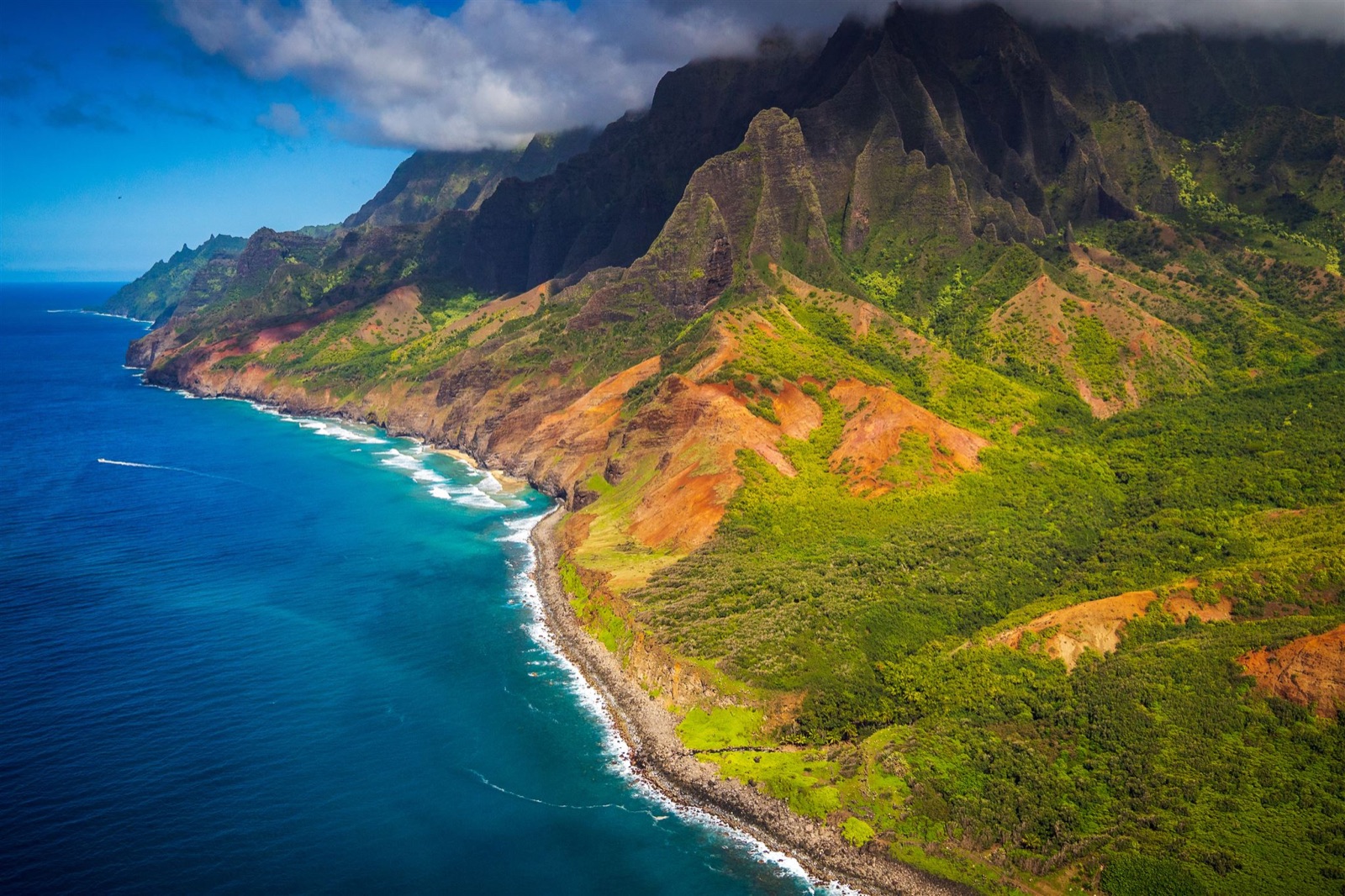
| Nature & Hiking | Rice terraces, volcanoes, waterfalls | Na Pali Coast, volcanoes, rainforests, unmatched variety | Hawaii |
| Surfing | Internationally recognized reef breaks (Uluwatu, Canggu) | Legendary (Pipeline, Sunset Beach, Jaws) | Tie |
| Getting There (from US) | 18–24h, 1–2 stops | 5–6h from West Coast, direct flights | Hawaii |
| Accommodation | Private pool villas from $80/night | Mid-range hotels from $200–400/night | Bali |
| Best For | Budget luxury, wellness, culture seekers, digital nomads | Beach lovers, hikers, families, US travelers wanting ease | — |
🍛 Food & Dining
Bali's food scene is one of the best reasons to visit. Local warungs (family-run restaurants) serve nasi goreng, mie goreng, babi guling (suckling pig), sate lilit, and lawar for 25,000–60,000 IDR ($1.50–$3.75). The café culture in Canggu and Seminyak rivals Melbourne — elite-level smoothie bowls, avocado toast, and specialty coffee for $4–8. High-end dining exists too: restaurants like Locavore in Ubud and Mozaic have earned international acclaim, with tasting menus around $80–120.
Hawaii's food is excellent but eye-wateringly expensive. Poke bowls ($14–20), plate lunches ($12–18), shave ice ($6–10), and fresh seafood dominate. The islands have a unique fusion cuisine drawing from Japanese, Filipino, Portuguese, and Polynesian traditions. Highlights include loco moco, spam musubi, and malasadas. Fine dining on Maui and the Big Island rivals mainland prices — expect $40–80 per person for a nice dinner.
Price comparison
The gap is staggering. A couple eating three meals a day in Bali might spend $15–30 total. In Hawaii, the same couple easily spends $80–150. Even mid-range sit-down restaurants in Bali (with cocktails) rarely exceed $30 for two people. In Hawaii, that barely covers one person's entrée plus a drink. If food is a major part of your travel experience, Bali gives you 3–5x more value.
Winner takeaway
- Winner: Bali
- Why: Bali wins on value and variety of local cuisine. Hawaii wins on seafood quality and fusion food. But the price difference is so extreme that Bali takes this category decisively — you'll eat like royalty for a fraction of the cost.
- Who this matters for: Matters most if food quality, variety, or meal budgets will shape your trip between Budget luxury, wellness, culture seekers, digital nomads. and Beach lovers, hikers, families, US travelers wanting ease..
🛕 Culture & Activities
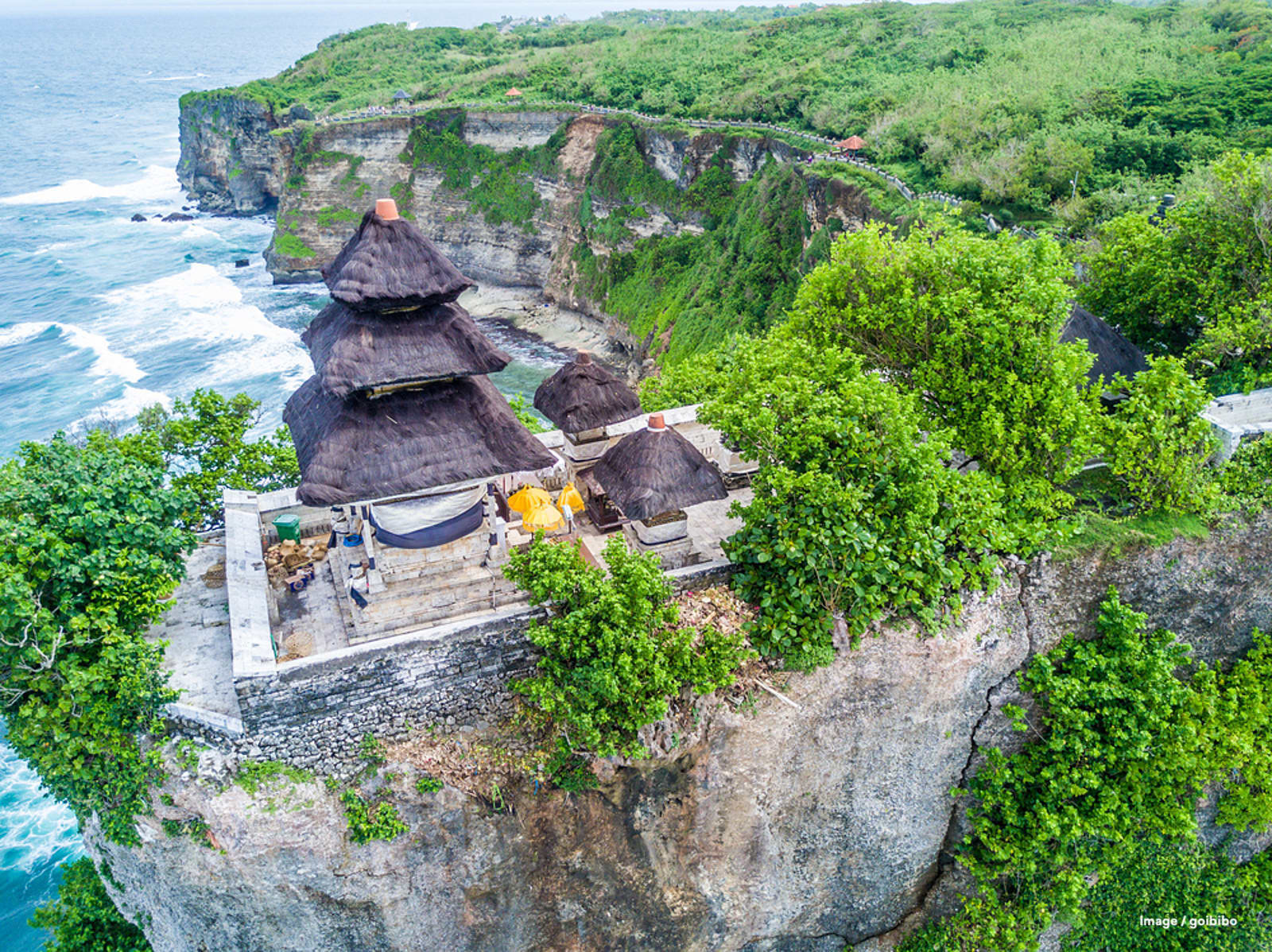
Bali is one of the most culturally rich islands on Earth. As the only Hindu-majority island in Muslim-majority Indonesia, it has a unique identity expressed through thousands of temples, daily offerings (canang sari on every doorstep), spectacular ceremonies, and traditional dances like the Kecak fire dance at Uluwatu. Visit Tirta Empul for a holy water purification ritual, explore the ancient Goa Gajah (Elephant Cave), or spend a morning at a traditional Balinese cooking class in Ubud. The wellness scene is massive too — yoga retreats, sound healing sessions, and meditation centers are everywhere.
Hawaii's culture is deeply rooted in Polynesian heritage. Attend a traditional luau, learn about the significance of hula (far more than a tourist show), visit Pearl Harbor on Oahu, or explore Volcanoes National Park on the Big Island. The concept of "aloha spirit" genuinely permeates Hawaiian culture — you'll notice a warmth and respect for the land (ʻāina) that feels authentic. However, some visitors note that Hawaiian cultural experiences can feel more commercialized, especially in Waikiki.
Activities breakdown
Bali: Temple hopping, rice terrace walks, volcano sunrise treks (Mt. Batur), waterfall chasing, snorkeling/diving in Amed or Nusa Penida (manta rays!), surf lessons, yoga retreats, ATV rides, white-water rafting on the Ayung River, Ubud Monkey Forest, cooking classes.
Hawaii: Elite-level hiking (Kalalau Trail, Diamond Head, Pipiwai Trail), snorkeling with sea turtles, whale watching (Dec–Apr), helicopter tours over Na Pali Coast or Mauna Loa, surfing, zip-lining, stargazing on Mauna Kea, kayaking, stand-up paddleboarding, scenic drives (Road to Hana).
Winner takeaway
- Winner: Depends
- Why: Bali offers deeper cultural immersion and a wider range of affordable activities. Hawaii has unbeatable natural landscapes and adventure activities. If you want spirituality, temples, and wellness — Bali. If you want hiking, dramatic coastlines, and marine life — Hawaii.
- Who this matters for: Matters most if you are choosing based on atmosphere, heritage, and what kind of experience feels more memorable.
💰 Cost Comparison
This is where the comparison gets brutal. Bali is one of the world's best-value destinations; Hawaii is one of the most expensive. The gap isn't subtle — it's a 3–5x difference across nearly every category.
| Expense | 🌴 Bali | 🌺 Hawaii |
|---|---|---|
| Hostel / Budget room | $8–20/night | $40–80/night |
| Mid-range hotel | $40–100/night | $200–400/night |
| Private pool villa | $80–200/night | $400–1,500/night |
| Street food / local meal | $1–3 | $10–18 |
| Restaurant dinner (2 people) | $15–35 | $60–120 |
| Beer (local) | $2–3 | $7–10 |
| Cocktail | $4–8 | $14–20 |
| 1-hour massage | $8–15 | $80–150 |
| Surf lesson (2h) | $20–35 | $100–180 |
| Grab/taxi ride (30 min) | $3–6 | $25–45 |
| Scooter rental (per day) | $4–7 | N/A (car rental $60–120/day) |
| Daily total (mid-range couple) | $80–160 | $300–500 |
Flights from the US: This is the one area where Hawaii can be cheaper. Round-trip flights from the West Coast to Honolulu run $250–500. Flights to Bali from the US typically cost $600–1,200 round-trip and take 18–24 hours with 1–2 stops. However, the massive savings on the ground in Bali usually offset the higher airfare within a few days.
Winner takeaway
- Winner: Bali
- Why: Bali is dramatically cheaper — not even close. A 10-day trip in Bali costs roughly what a 3–4 day trip in Hawaii costs. If budget is a factor, Bali lets you travel longer, eat better, and stay in nicer accommodation for less money.
- Who this matters for: Matters most if nightly rates, meal prices, or transport costs will change how long you can stay.
🛵 Getting Around
Getting around is one of the biggest differences between these destinations, and it shapes the entire travel experience.
Bali: The island runs on scooters. Renting one costs $4–7/day, and it's by far the fastest, cheapest, and most fun way to explore — if you're comfortable riding one. Traffic in southern Bali (Kuta, Seminyak, Canggu) can be absolutely brutal, especially during peak hours. If you don't ride, use Grab or Gojek (ride-hailing apps) — they're cheap ($2–6 for most rides) and reliable. Bali has no public transit to speak of. For longer distances (Ubud to Uluwatu, etc.), hire a private driver for the day ($35–50 with car and driver).
Hawaii: You need a rental car. Period. Except for Waikiki on Oahu, Hawaii is not walkable and has minimal public transport. Rental cars cost $60–120/day (higher during peak season), plus parking fees of $20–40/night at most hotels. Gas is the most expensive in the US. The upside: roads are well-maintained, driving is easy, and some drives (Road to Hana, Big Island's Saddle Road) are destinations in themselves. Inter-island flights ($60–150) are needed to visit multiple islands.
Winner takeaway
- Winner: Depends
- Why: Both require some transport planning. Bali is cheaper (scooters/Grab) but more chaotic. Hawaii is easier (rental car) but far more expensive. Bali's traffic in the south is genuinely terrible — factor that into your itinerary.
- Who this matters for: Matters most if you care about ease, transfer friction, and how much time you lose moving between sights.
☀️ Best Time to Visit
Both destinations are tropical, but their weather patterns are quite different. Bali has distinct wet and dry seasons; Hawaii is mild year-round with trade winds keeping things comfortable.
Data: Open-Meteo archive. Temperatures are daily highs/lows in Celsius. Rainfall is monthly averages. Bali's wet season (Nov–Mar) brings daily downpours, usually afternoon showers that clear quickly.
Best seasons
Bali's sweet spot: May–June and September–October. Dry season with fewer crowds and lower prices than the July–August peak. April is the transition month — mostly dry with occasional showers.
Hawaii's sweet spot: April–June and September–November. Shoulder seasons with great weather, lower airfares, and thinner crowds. Summer (Jun–Aug) is peak season with higher prices. Winter (Dec–Mar) brings bigger north shore surf and whale watching but more rain on windward sides.
Bali's wet season (Nov–Mar): Not a dealbreaker. Rain usually comes in heavy afternoon bursts that clear within an hour. Prices drop 30–50%, and tourist sites are less crowded. Many repeat visitors prefer wet season for the value and the lush, green landscapes.
Winner takeaway
- Winner: Hawaii
- Why: Hawaii has more consistent year-round weather — it's rarely "bad." Bali's dry season (Apr–Oct) is superb, but the wet season is a real factor. For the best experience, visit Bali May–Sep and Hawaii Apr–Jun or Sep–Nov.
- Who this matters for: Matters most if seasonality, rain, heat, or crowd levels could make or break the trip.
🏨 Where to Stay
Bali areas
Ubud — The cultural heart. Rice terraces, temples, monkey forest, art galleries, yoga studios. Cooler and calmer than the coast. Stay here for 3–4 nights minimum. Accommodation ranges from $15 guesthouses to $500+ luxury resorts (Four Seasons Sayan is legendary).
Canggu — Digital nomad capital. Surf breaks, beach clubs (Finns, The Lawn), excellent cafés, and a young international scene. Traffic can be rough. Best for longer stays and people who want a social, active vibe.
Seminyak — More upscale than Canggu. Boutique shopping, rooftop bars (Potato Head, Ku De Ta), and better restaurants. Still touristy but with more polish. Great for couples wanting nightlife + nice dining.
Uluwatu — Dramatic cliffside temples, among the best surf, and the most excellent beaches in Bali (Bingin, Padang Padang, Suluban). More spread out — you'll need a scooter. Quieter and more laid-back than Seminyak/Canggu.
Hawaii islands
Oahu (Waikiki/North Shore) — The most accessible island. Waikiki for convenience and nightlife, North Shore for legendary surf and a slower pace. Pearl Harbor, Diamond Head hike, Lanikai Beach. Best for first-timers.
Maui — The "just right" island. Road to Hana, Haleakalā sunrise, whale watching, Kapalua Bay, Lahaina town. More upscale than Oahu, great mix of adventure and relaxation. Popular honeymoon destination.
Big Island (Hawaii Island) — Volcanoes National Park, Mauna Kea stargazing, black sand beaches, Kona coffee farms. The most geographically diverse island with 11 of the world's 13 climate zones. Best for adventure seekers.
Kauai — The "Garden Isle." Na Pali Coast, Waimea Canyon, lush rainforest. The most remote and undeveloped of the major islands. Perfect for hikers and nature lovers who want to escape crowds.
Winner takeaway
- Winner: Bali
- Why: Bali's areas are close together — you can base yourself in 2–3 spots in one trip. Hawaii requires choosing your island(s) carefully since inter-island flights add cost and time. For a first trip: Ubud + Canggu or Uluwatu in Bali; Maui or Oahu + one other island in Hawaii.
- Who this matters for: Matters most if neighborhood choice, hotel value, or day-trip convenience is a big part of the decision.
🎒 Day Trips
Both destinations have incredible day trip options that extend the variety of your trip.
From Bali
Nusa Penida (45min by fast boat) — Dramatic sea cliffs, Kelingking Beach (the T-Rex cliff from Instagram), Crystal Bay for snorkeling with manta rays. A must-do day trip — book a private driver+boat package for $30–50.
Nusa Lembongan (30min by fast boat) — Smaller, more relaxed. Devil's Tears blowhole, Dream Beach, mangrove tours. Great for a chill day away from Bali's traffic.
Mount Batur sunrise trek (2h drive + 2h hike) — Start at 2am, summit by dawn. Watch the sunrise over the volcano crater lake. One of Bali's most iconic experiences. Guided treks from $35–60.
Sidemen Valley (1.5h drive) — The "old Bali." Terraced rice paddies without the Ubud crowds. Striking Agung volcano views. Perfect for a quiet, photogenic day.
From Hawaii
Haleakalā sunrise (Maui) — Drive to 10,000+ feet to watch sunrise above the clouds inside a volcanic crater. Reservations required (book 60 days in advance). Free with National Park pass.
Road to Hana (Maui) — 64 miles of winding road with 620 curves and 59 bridges. Waterfalls, black sand beaches, bamboo forests. Full day — leave early, bring snacks.
Na Pali Coast boat tour (Kauai) — See the cathedral-like cliffs from the water. Snorkeling, dolphins, sea caves. Tours run $150–250 per person. Memorable.
Volcanoes National Park (Big Island) — Walk on active lava fields, see Kīlauea caldera, explore lava tubes. One of the most unique landscapes on Earth.
Winner takeaway
- Winner: Depends
- Why: Both offer incredible day trips. Bali's are dirt-cheap (Nusa Penida for $40 all-in vs Na Pali Coast boat tour for $200+). Hawaii's are more dramatic in terms of natural landscapes. Either way, don't skip the day trips — they're often the highlight.
- Who this matters for: Matters most if you want one base with strong side trips rather than a single-destination stay.
🔀 Why Not Both?

Unlike Tokyo and Kyoto (2 hours apart by bullet train), Bali and Hawaii are on opposite sides of the Pacific — roughly 10–12 hours of flying with no direct routes. Combining them in one trip is possible but not practical for most people. The jetlag, travel time, and cost of an extra transpacific flight make it a tough sell.
Instead, think of them as different trips for different moods:
The Bali trip: 10–14 days. Explore Ubud, Canggu, Uluwatu, Nusa Penida. Do yoga, eat nasi goreng, get a $10 massage every day, surf, watch the Kecak dance, stay in a private pool villa. Total cost for two people: $2,000–4,000 including flights from the US.
The Hawaii trip: 7–10 days. Hike Na Pali Coast or Diamond Head, snorkel with sea turtles, watch sunrise on Haleakalā, eat poke on the beach, drive the Road to Hana. Total cost for two people: $4,000–8,000 including flights from the US.
Pro tip: If you want both tropical and cultural experiences, consider doing Bali + a few days in mainland Indonesia (Yogyakarta for Borobudur) or Hawaii + a stop in Japan (since many flights route through Tokyo). You get more for your money by building around the geography.
Winner takeaway
- Winner: Depends
- Why: Don't try to combine them in one trip — pick the one that matches your mood and budget, then save the other for next time. Bali for the adventure-and-value trip, Hawaii for the easy-and-beautiful trip.
- Who this matters for: Matters most if you are deciding whether this should be a one-destination trip or a broader itinerary.
🎯 The Decision Framework
Choose Bali If…
- You want a private villa with a pool for less than $100/night.
- You seek daily yoga and spa treatments for under $20 each.
- You enjoy trying authentic Indonesian food for $3-$5 per meal.
- You need fast Wi-Fi and co-working spaces as a digital nomad.
- You're eager to visit ancient temples and witness local ceremonies.
- You're comfortable zipping around on a rented scooter for daily commutes.
- You prioritize a spiritual, relaxed atmosphere over nightlife.
- You want to explore rice terraces and active volcanoes on day trips.
Choose Hawaii If…
- You want to explore diverse hiking trails, from lava fields to lush waterfalls.
- You're looking for easy direct flights from many US cities.
- You prefer not dealing with currency exchange or international phone plans.
- You're traveling with family and need kid-friendly resorts and safe beaches.
- You want to try surfing, paddleboarding, or snorkeling in clear ocean waters.
- You appreciate the convenience of familiar US brands, services, and language.
- You desire a destination with excellent medical facilities and safety standards.
- You want access to modern infrastructure, well-maintained roads, and familiar shopping.
- You enjoy a mix of food options, from local plate lunches to familiar restaurant chains.
💰 Daily Cost Breakdown
| Expense | Bali | Hawaii |
|---|---|---|
| Hostel dorm | $10-25 | $60-120 |
| Budget hotel | $30-70 | $150-300 |
| Street food meal | $2-8 | $10-20 |
| Restaurant meal | $10-30 | $30-70 |
| Beer/drink | $3-8 | $8-15 |
| Local transport (day) | $5-15 | $20-50 |
| Daily budget total | $40-100 | $150-350 |
Approximate daily costs for 2026. Actual prices vary by season and travel style.
🌤️ Monthly Weather Comparison
| Month | Bali Temp | Bali Rain | Hawaii Temp | Hawaii Rain |
|---|---|---|---|---|
| Jan | 31°C/88°F | 280mm | 27°C/81°F | 84mm |
| Feb | 31°C/88°F | 230mm | 27°C/81°F | 56mm |
| Mar | 31°C/88°F | 170mm | 27°C/81°F | 50mm |
| Apr | 31°C/88°F | 90mm | 28°C/82°F | 38mm |
| May | 31°C/88°F | 80mm | 29°C/84°F | 25mm |
| Jun | 30°C/86°F | 60mm | 30°C/86°F | 15mm |
| Jul | 29°C/84°F | 50mm | 31°C/88°F | 13mm |
| Aug | 29°C/84°F | 40mm | 31°C/88°F | 13mm |
| Sep | 30°C/86°F | 70mm | 31°C/88°F | 18mm |
| Oct | 30°C/86°F | 120mm | 30°C/86°F | 50mm |
| Nov | 31°C/88°F | 180mm | 29°C/84°F | 70mm |
| Dec | 31°C/88°F | 270mm | 28°C/82°F | 80mm |
Average monthly high temperatures and rainfall based on historical climate data.
❓ Frequently Asked Questions
Is Bali or Hawaii cheaper for a vacation?
Bali is dramatically cheaper — roughly 3–5x less expensive than Hawaii. A mid-range daily budget for two people in Bali runs $80–160 USD (including a nice villa, meals, activities, and transport). In Hawaii, expect $300–500/day for the same level of comfort. The only area where Hawaii can be cheaper is flights from the US mainland (5–6h direct from the West Coast vs 18–24h to Bali with connections).
Which has better beaches, Bali or Hawaii?
Hawaii, and it's not particularly close. Hawaii has consistently pristine, crystal-clear beaches across all islands — from Lanikai Beach on Oahu to Kapalua Bay on Maui to Poipu on Kauai. Bali's most popular beaches (Kuta, Seminyak) are disappointing — gray sand, rough waves, and occasional litter. However, Bali's Uluwatu area (Bingin, Padang Padang) and the Nusa islands have genuinely beautiful beaches that rival many destinations.
Is Bali or Hawaii better for surfing?
Both are elite-level, but for different levels. Bali is excellent for beginners through advanced surfers — Canggu has mellow beach breaks for learning, while Uluwatu and Padang Padang offer top-tier reef breaks. Surf lessons and board rentals are extremely cheap ($20–35). Hawaii is the spiritual home of big-wave surfing — Pipeline and Jaws are legendary but dangerous. For most surfers, Bali offers a better all-around surf trip at a fraction of the cost.
How long should I spend in Bali vs Hawaii?
Bali rewards longer stays: 10–14 days lets you explore Ubud (3–4 nights), Canggu or Seminyak (3–4 nights), Uluwatu (2–3 nights), and a day trip to Nusa Penida. Bali's low costs make extended trips very feasible. For Hawaii, 7–10 days is the sweet spot — either deep-diving one island or splitting between two (e.g., 5 days Maui + 4 days Big Island).
Is Bali safe for tourists?
Bali is generally very safe. Petty theft (bag snatching from motorbikes) is the main risk, and taxi scams exist but are avoidable if you use Grab/Gojek. Violent crime against tourists is rare. The roads are the biggest hazard — Bali traffic is chaotic and scooter accidents are common. Hawaii is very safe with US-standard infrastructure, healthcare, and emergency services. Both are suitable for solo travelers, couples, and families.
When is the best time to visit Bali vs Hawaii?
Bali's dry season (April–October) is ideal, with May–June and September being the sweet spot for weather, crowds, and prices. Bali's wet season (Nov–Mar) brings afternoon showers but also 30–50% lower prices. Hawaii is great year-round — summer (Jun–Sep) has the calmest seas and best snorkeling, while winter (Dec–Mar) offers whale watching and bigger north shore surf. April–June and Sep–Nov are the best value shoulder seasons for Hawaii.
Can I visit both Bali and Hawaii in one trip?
It's possible but not recommended. There are no direct flights between Bali and Hawaii — you'd connect through Tokyo, Seoul, or a Southeast Asian hub, adding 10–15 hours of travel. The jetlag from crossing multiple time zones makes it exhausting. You're better off choosing one per trip and giving it the full 7–14 days it deserves. If you want a multi-stop trip, pair Bali with other SE Asian destinations (Singapore, Vietnam) or Hawaii with the US West Coast or Japan.
Ready to plan your tropical getaway?
Get a free custom itinerary for Bali, Hawaii, or any destination — built from real traveler insights, not generic templates.
🎟️ Book Tours & Experiences
Hand-picked tours and activities for both destinations — book with free cancellation
Experiences via Viator — free cancellation on most tours