How we built this comparison
This page combines traveler discussion patterns, published price ranges, transit details, and seasonal data to make the Bali vs Fiji decision easier to resolve.
- Reviewed Reddit-style traveler discussions and recurring decision patterns for Bali and Fiji.
- Checked numeric claims like accommodation ranges, transit costs, transfer times, or seasonal patterns where those numbers appear on the page.
- Updated the page structure so each major section ends with a clearer winner, reason, and traveler-use note.
Best read as a decision guide, not a universal truth: the right pick depends on your budget, pace, and what kind of trip you actually want.
⚡ The TL;DR Verdict
Bali is better if you want Adventurers, foodies, budget travelers, culture seekers. Fiji is better if you want Beach lovers, honeymooners, families, divers. Mid-range budget: Bali $60–100 USD vs Fiji $150–250+ USD.
- Choose Bali: Adventurers, foodies, budget travelers, culture seekers.
- Choose Fiji: Beach lovers, honeymooners, families, divers.
- Budget snapshot: Bali: $60–100 USD; Fiji: $150–250+ USD.
Choose Bali
Adventurers, foodies, budget travelers, culture seekers.
Choose Fiji
Beach lovers, honeymooners, families, divers.
Quick Comparison
| Category | 🌴 Bali | 🏝️ Fiji | Winner |
|---|---|---|---|
| Daily Budget (mid-range) | $60–100 USD | $150–250+ USD | Bali |
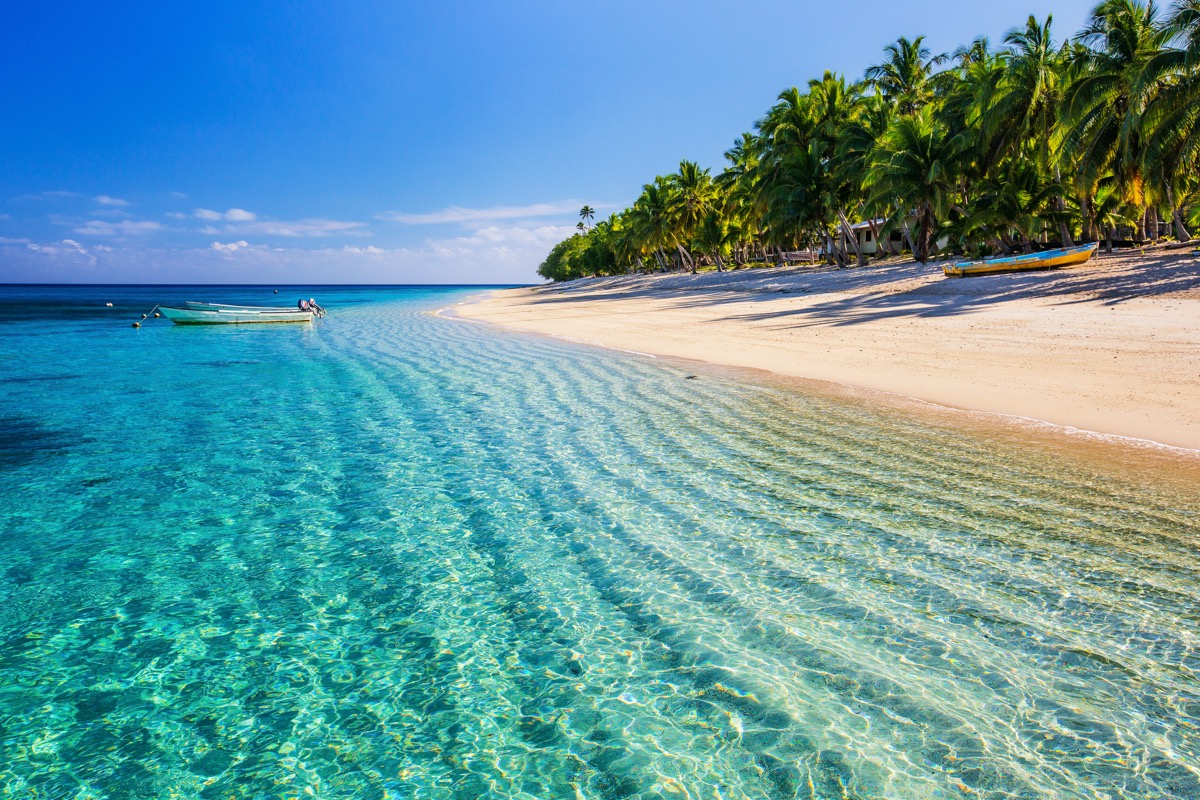
| Beaches | Volcanic sand, decent surf beaches | Among the best white sand, turquoise lagoons | Fiji |
| Food Scene | Incredible variety, $2–5 local meals | Resort dining, Fijian-Indian fusion | Bali |
| Culture & Temples | 20,000+ temples, daily ceremonies, Hindu-Balinese | Warm Fijian culture, village visits, kava ceremonies | Bali |
| Snorkeling & Diving | Good (Nusa Penida, Amed, Tulamben) | Exceptional (Great Astrolabe Reef, Mamanucas) | Fiji |
| Nightlife | Seminyak, Canggu, Kuta — energetic scene | Resort bars, quiet evenings | Bali |
| Getting Around | Scooters, private drivers, Grab | Boats between islands, limited roads | Bali |
| Family-Friendly | Good for older kids, lots of activities | Excellent — kids clubs, calm lagoons | Fiji |
| Honeymoon Vibe | Luxury villas, romantic dinners | Private islands, overwater bures | Fiji |
| Best For | Adventurers, foodies, budget travelers, culture seekers | Beach lovers, honeymooners, families, divers | — |
🍜 Food & Dining
Bali's food scene is legendary and absurdly cheap. A plate of nasi goreng (fried rice) at a local warung costs 25,000–40,000 IDR ($1.50–2.50). A full meal at a mid-range restaurant in Seminyak or Canggu runs $8–15. High-end dining at places like Locavore (Ubud) or Kayuputi (Nusa Dua) serves internationally recognized tasting menus for $80–150 — a fraction of comparable restaurants in Western cities. The diversity is staggering: Balinese babi guling (suckling pig), fresh seafood at Jimbaran Bay, smoothie bowls in Canggu, wood-fired pizza in Seminyak, and authentic Indonesian cuisine from every island.
Fiji's food scene is more limited and resort-centric. On the main islands, you'll find solid Fijian-Indian fusion cuisine — curries, roti, kokoda (Fijian ceviche), and lovo (earth-oven cooking). A restaurant meal in Nadi or Suva runs FJ$28–55 ($12–25 USD) for a main. But on the outer islands, you're largely eating at your resort, where meal plans run FJ$95–280/day ($45–130 USD) per person for full board. The food is good but you don't have the variety or value that Bali offers.
Price comparison
Local meal: Bali $2–5 vs Fiji $10–20. Mid-range dinner: Bali $8–15 vs Fiji $20–40. Beer: Bali $2–3 (Bintang) vs Fiji $4–6 (Fiji Gold). Fresh coconut: Bali $0.60 vs Fiji $1–2. Bali wins on food cost by a factor of 3–4x for comparable quality.
Winner takeaway
- Winner: Bali
- Why: Bali wins decisively on food — more variety, better value, and a genuine foodie destination. Fiji's resort dining is perfectly fine, but you're paying premium prices for less choice. If food is important to your trip, Bali is the answer.
- Who this matters for: Matters most if food quality, variety, or meal budgets will shape your trip between Adventurers, foodies, budget travelers, culture seekers. and Beach lovers, honeymooners, families, divers..
🛕 Temples, Culture & Experiences
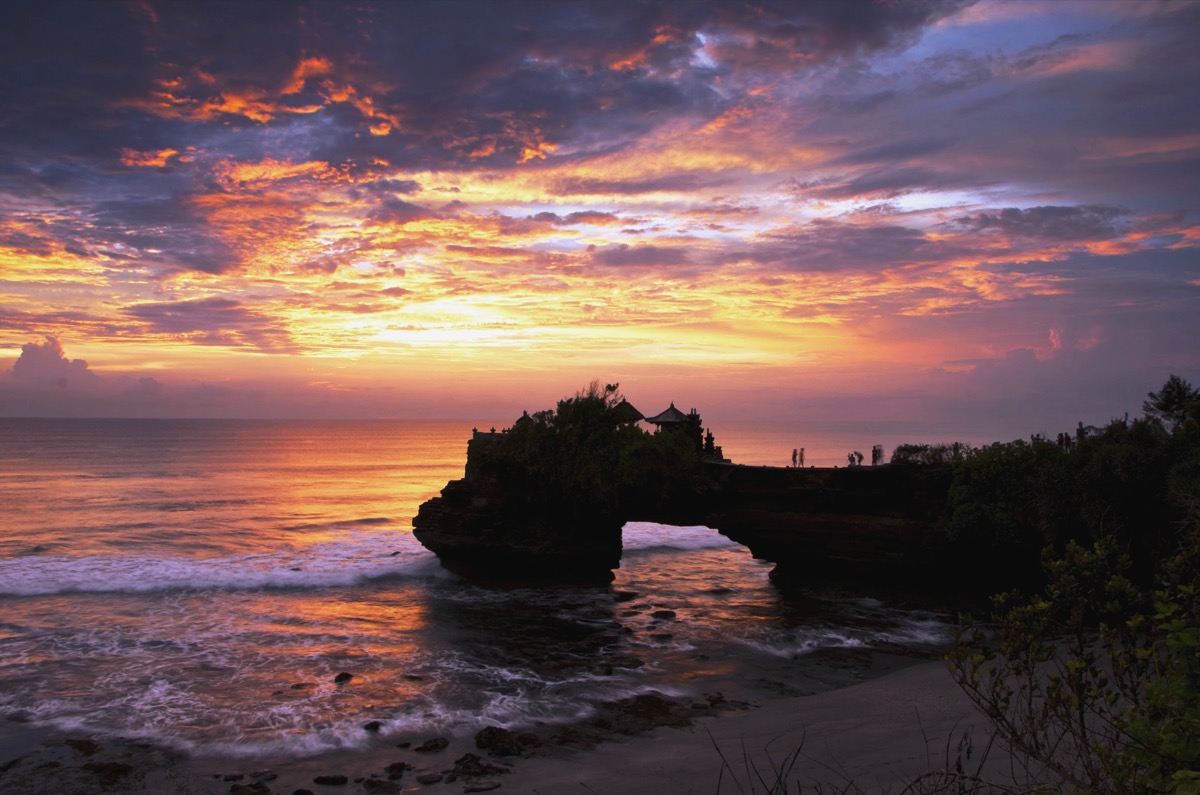
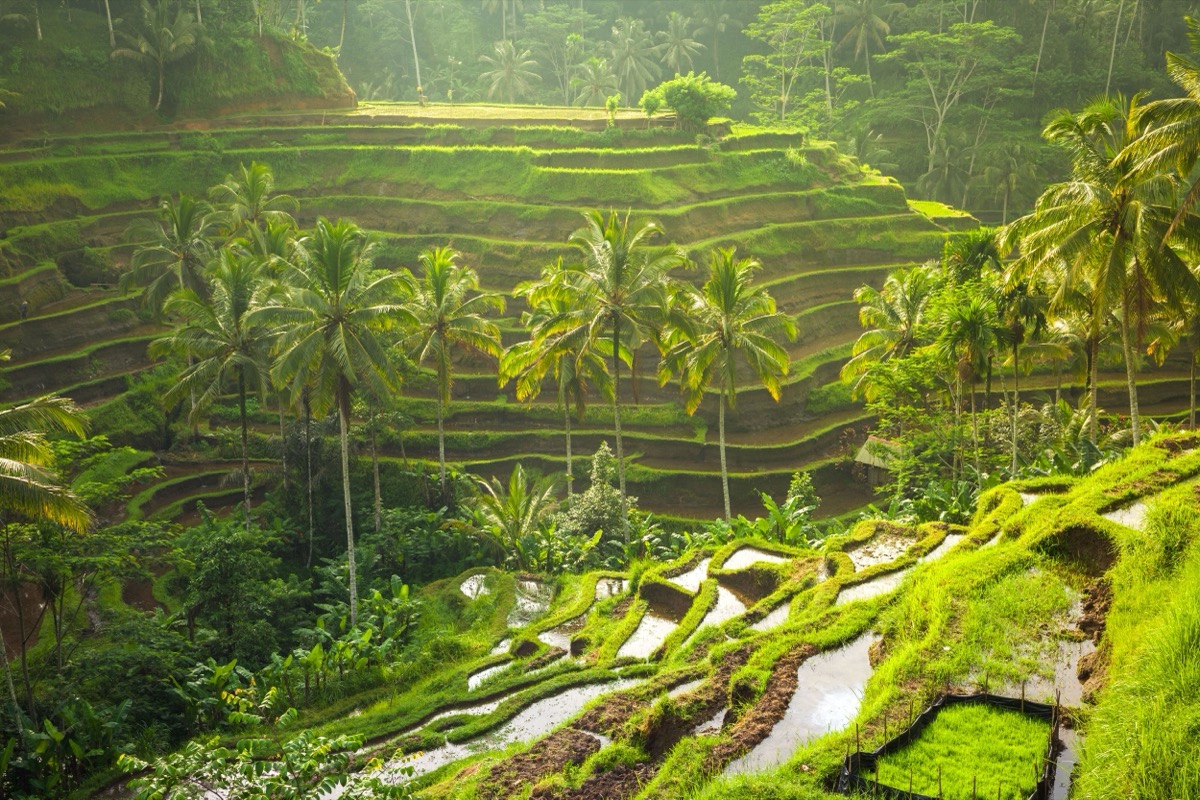
Bali is one of the most culturally rich islands on Earth. As the only Hindu-majority island in Muslim-majority Indonesia, it has a unique spiritual identity expressed through over 20,000 temples, daily offerings (canang sari) placed at every doorstep, and a calendar packed with ceremonies and festivals. Worth prioritizing temples include Tanah Lot (excellent sea temple at sunset), Uluwatu (clifftop temple with kecak fire dance), Tirta Empul (sacred water purification temple), and Besakih (the "Mother Temple" on Mount Agung's slopes). Beyond temples, there's the Ubud Monkey Forest, traditional Balinese dance performances, silver-smithing in Celuk, and rice paddy trekking through Tegallalang.
Fiji's culture is warm, genuine, and community-centered. The highlight is visiting a traditional Fijian village — you'll participate in a kava ceremony (yaqona), share a meal, hear stories, and experience the famous Fijian hospitality that travelers universally rave about. "Bula!" (hello) is more than a greeting; it's a whole vibe. Fijian culture is less monumental than Bali's — there are no grand temples or ancient ruins — but the human connection is profound. Many resorts arrange village visits, meke (traditional dance) performances, and cooking classes.
Winner takeaway
- Winner: Bali
- Why: Bali is unmatched for cultural richness — thousands of temples, daily ceremonies, and an ancient spiritual tradition you can see and feel everywhere. Fiji wins on authentic human warmth and community experiences. If cultural immersion is your priority, Bali. If genuine human connection is what you crave, Fiji.
- Who this matters for: Matters most if you are choosing based on atmosphere, heritage, and what kind of experience feels more memorable.
💰 Cost Comparison
This is where the two destinations diverge most dramatically. Bali is one of the cheapest tropical destinations in the world; Fiji is one of the more expensive ones. Here's a real daily budget breakdown for 2026:
| Expense | 🌴 Bali | 🏝️ Fiji |
|---|---|---|
| Budget accommodation | $15–30/night (guesthouse) | $40–80/night (dorm/homestay) |
| Mid-range hotel | $50–120/night (pool villa) | $150–350/night (resort room) |
| Luxury resort | $150–500/night | $400–1,500+/night |
| Budget meal | $1.50–4 | $8–15 |
| Restaurant dinner | $8–20 | $20–45 |
| Beer | $2–3 | $4–6 |
| Transport (day) | $5–10 (scooter) / $40–50 (driver) | $25–75 (boat transfers) |
| Activity/excursion | $15–50 | $50–150 |
| Daily total (mid-range) | $60–100 | $150–250+ |
The math is stark: a 10-day mid-range trip to Bali costs roughly $600–1,000 per person (excluding flights). The same trip to Fiji runs $1,500–2,500+. For the price of a week in a Fiji resort, you could spend two weeks in Bali staying in beautiful villas with private pools, eating incredible food, hiring private drivers, and still have money left over.
Hidden costs in Fiji: inter-island boat transfers ($50–150+ per trip), resort meal plans (often mandatory on outer islands), and activities priced at resort rates. In Bali, even tourist-oriented activities like white-water rafting ($25), cooking classes ($30), or a full-day temple tour with private driver ($40–50) feel like a steal.
Winner takeaway
- Winner: Bali
- Why: Bali is 2–3x cheaper than Fiji at every budget level. If value matters, Bali is the clear winner. Fiji justifies its premium if you're specifically seeking the secluded island resort experience — you're paying for exclusivity and pristine nature, not just a room and meals.
- Who this matters for: Matters most if nightly rates, meal prices, or transport costs will change how long you can stay.
🛵 Getting Around
Bali's transport is cheap but chaotic. The most popular option is renting a scooter ($4–7/day) — it's how locals get around, and it gives you total freedom. But Bali traffic is genuinely intense, especially around Seminyak, Kuta, and Denpasar. If you're not comfortable on a scooter, hiring a private driver for the day ($40–50) is the best alternative — they know the roads, handle parking, and can take you to multiple spots. Ride-hailing apps (Grab, GoJek) work well in tourist areas for short trips ($1–5). There's no public transit system to speak of.
Fiji transport is simpler but more expensive and time-consuming. On Viti Levu (main island), you'll use taxis, rental cars, or local buses along the Queens Road and Kings Road. But if you're headed to the Mamanuca or Yasawa Islands — where the best beaches are — you need boats. South Sea Cruises and Awesome Adventures run catamaran services (FJ$110–250+ per trip / $50–115 USD). Seaplane transfers to luxury resorts run $200–500+. This inter-island transport is Fiji's biggest hidden cost and logistical hassle.
Winner takeaway
- Winner: Bali
- Why: Bali wins on transport flexibility and cost. Scooters give you freedom; private drivers are affordable. Fiji's boat-dependent island hopping adds cost and scheduling constraints. Budget extra time and money for Fiji transfers.
- Who this matters for: Matters most if you care about ease, transfer friction, and how much time you lose moving between sights.
☀️ Best Time to Visit
Both destinations are tropical with distinct dry and wet seasons, but they're well-aligned — meaning June through September works perfectly for either destination.
Data: Open-Meteo archive. Temperatures are daily highs/lows in Celsius. Rainfall is monthly totals.
Best seasons
Bali dry season (April–October) is ideal, with July–August being peak tourist season. Expect clear skies, lower humidity, and perfect beach weather. Shoulder months (April–May, September–October) offer the best combo of weather and fewer crowds.
Fiji dry season (May–October) overlaps nicely. July–September is peak. The water is clearest for snorkeling and diving, temperatures are comfortable (not oppressively hot), and cyclone risk is essentially zero.
Wet season warning: Bali's wet season (November–March) brings afternoon thunderstorms but mornings are often clear — many travelers don't mind and enjoy lower prices. Fiji's wet season (November–April) is more problematic: higher cyclone risk, heavy rainfall, and some outer-island resorts close entirely.
Winner takeaway
- Winner: Depends
- Why: June through September is perfect for both destinations. Bali's wet season is more manageable than Fiji's (afternoon showers vs. potential cyclones). For a wet-season trip, choose Bali; for dry season, either works beautifully.
- Who this matters for: Matters most if seasonality, rain, heat, or crowd levels could make or break the trip.
🏨 Where to Stay
Bali areas
Ubud — Bali's cultural heart. Surrounded by rice terraces and jungle. Art galleries, yoga studios, the Monkey Forest, and Bali's best traditional restaurants. Stay here for spiritual Bali, wellness retreats, and nature. Villas with rice-paddy views from $40–80/night.
Seminyak — The upscale coastal strip. High-end restaurants (Mama San, Sarong), boutique shopping, beach clubs (Potato Head, Ku De Ta), and a dense sunset scene. Best for couples who want sophistication with beach access. Hotels from $60–200/night.
Canggu — The surfer-digital nomad hub. Laid-back vibe, great coffee shops, beach bars (Old Man's, The Lawn), and a younger crowd. More affordable than Seminyak with a hipper edge. Villas from $30–80/night.
Uluwatu — Dramatic clifftop location on the Bukit Peninsula. Serious surf breaks, the famous Uluwatu Temple with kecak dance at sunset, and luxury cliff resorts (The Edge, Bulgari). Best for surfers and luxury seekers. Hotels from $80–400/night.
Nusa Dua — The resort enclave. Calm beaches, manicured grounds, and international resort chains (St. Regis, Mulia, Sofitel). Best for families and those who want a contained, Fiji-like resort experience within Bali.
Fiji areas
Denarau Island — Connected to Viti Levu by bridge. Fiji's most accessible resort area with Hilton, Sheraton, Sofitel, Radisson, and the Denarau marina (departure point for island cruises). Convenient but not the "real Fiji" — more like a resort complex. Rooms from FJ$300–800/night ($140–370 USD).
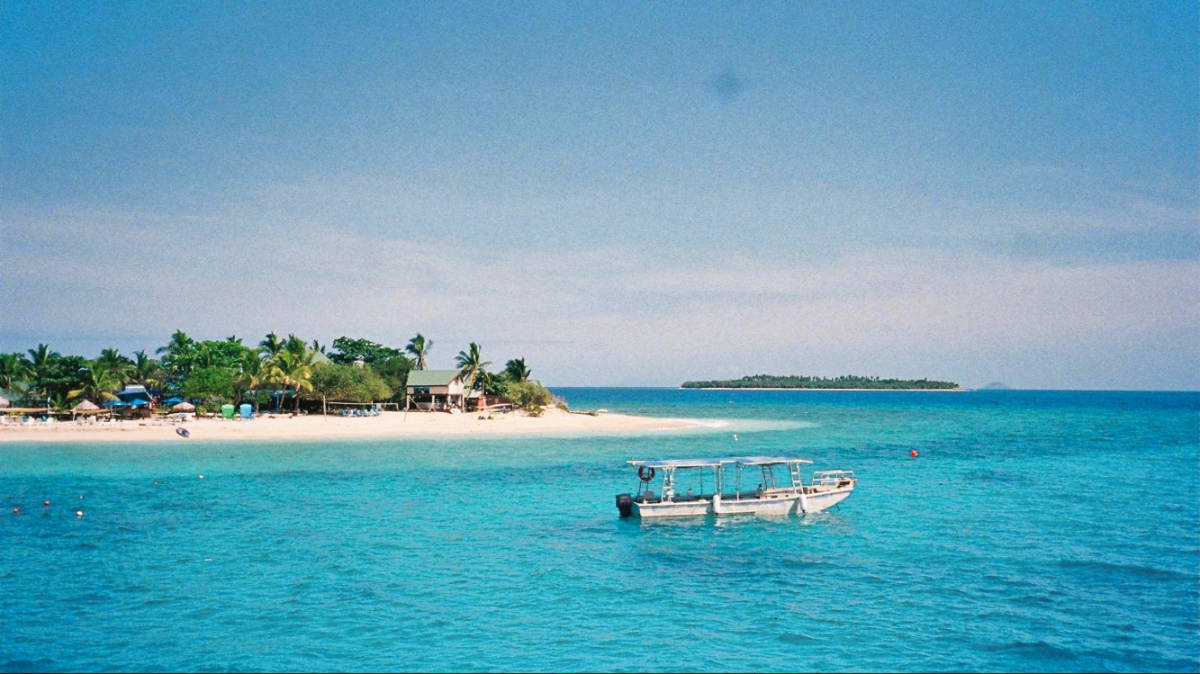
Mamanuca Islands — The postcard Fiji. 20 small islands with striking beaches, 45min–2hr from Denarau by boat. Popular resorts include Castaway Island, Malolo Island Resort, Likuliku Lagoon (adults-only with overwater bures), and Tokoriki. Perfect for beach holidays and families. Rooms FJ$400–2,500+/night.
Yasawa Islands — More remote, more rugged, more authentic. The 20-island volcanic chain offers both budget backpacker resorts and ultra-luxury (Yasawa Island Resort). Famous for the Blue Lagoon and incredible snorkeling. 2.5–5hr boat ride from Denarau. Better for adventure travelers and couples seeking seclusion.
Coral Coast — The stretch along Viti Levu's south coast. Good-value mainland resorts (Outrigger, Warwick, Shangri-La) with beach access, cultural tours, and zip-lining. More affordable than island resorts and no boat transfers needed. Rooms from FJ$200–600/night.
Winner takeaway
- Winner: Bali
- Why: Bali offers more neighborhood variety — each area feels like a different destination. In Fiji, the key choice is mainland convenience vs. island paradise (and paying for boat transfers). First-timers to Bali: split between Ubud and Seminyak/Canggu. First-timers to Fiji: Denarau for easy access, Mamanuca for the dream.
- Who this matters for: Matters most if neighborhood choice, hotel value, or day-trip convenience is a big part of the decision.
🎒 Day Trips
Both destinations serve as bases for exploring nearby gems, but Bali offers far more variety within easy reach.
From Bali
Nusa Penida (45min fast boat) — Dramatic cliffs, Kelingking Beach (the T-Rex cliff), Angel's Billabong, and incredible manta ray snorkeling. Bali's #1 day trip. Full day tour ~$35–50.
Nusa Lembongan (30min fast boat) — Smaller, more relaxed island with Devil's Tear blowholes, mangrove tours, and great snorkeling. Perfect half-day or overnight.
Ubud from the coast (1–1.5hr drive) — Tegallalang Rice Terraces, Tirta Empul water temple, Tegenungan Waterfall, Monkey Forest. Full day with driver ~$40–50.
Mount Batur sunrise trek (2hr drive + 2hr hike) — Active volcano sunrise hike. Starts at 2am, summit by 6am, breakfast eggs cooked in volcanic steam. ~$40–60 with guide.
Sidemen Valley (1.5hr from Ubud) — The "real Bali" — quiet rice terraces, traditional villages, Mount Agung views without the tourist crowds.
From Fiji
Mamanuca Island hop (from Denarau) — Visit multiple islands in a day via South Sea Cruises. Snorkeling, beach time, island lunch. ~FJ$170–280 ($80–130 USD).
Cloud 9 (2-level floating bar/pizzeria in the Mamanucas) — Fiji's most Instagrammed spot. Pizza and cocktails floating in turquoise water. Boat transfer ~FJ$100+ ($45+ USD).
Sabeto Hot Springs & Mud Pool (30min from Nadi) — Natural mud baths and hot springs at the foot of the Sabeto mountains. ~FJ$30 ($14 USD).
Garden of the Sleeping Giant (near Nadi) — Beautiful orchid garden originally owned by Raymond Burr. ~FJ$20 ($9 USD).
Sigatoka Sand Dunes (1hr from Nadi) — Fiji's first national park, archaeological site with ancient Lapita pottery. ~FJ$15 ($7 USD).
Winner takeaway
- Winner: Depends
- Why: Bali's day trips are more varied and adventurous — volcanic hikes, island hopping, waterfall chasing, temple circuits. Fiji's excursions center on water activities and are significantly more expensive due to boat transfers. Bali gives you more bang for your day-trip buck.
- Who this matters for: Matters most if you want one base with strong side trips rather than a single-destination stay.
🔀 Why Not Both?
Unlike Tokyo and Kyoto (2 hours apart by bullet train), Bali and Fiji aren't easy to combine. They're roughly 5,800 km apart with no direct flights. You'd need to connect through Australia (Sydney, Brisbane, or Melbourne), adding 10–15 hours of travel time and $400–700+ in inter-destination flights.
Better pairing options:
Bali + Southeast Asia: Combine Bali with Singapore (2.5hr flight), Thailand (4hr), Vietnam (5hr), or the Gili Islands (2hr fast boat from Bali). This is the natural pairing for Bali — similar price points, easy connections, and complementary experiences.
Fiji + Australia/New Zealand: Fiji is a natural stopover between the US and Australia/NZ. Combine 5 days in Fiji with 10 days exploring Sydney, Melbourne, or New Zealand's South Island. Fiji Airways flies direct from LAX, SFO, and multiple Australian cities.
If you absolutely want both
Plan at least 3 weeks total: 10 days Bali + 3–4 travel days + 7 days Fiji. Route through Sydney or Brisbane. Budget $400–700 per person for the Bali-to-Fiji leg. It's doable, but most travelers find the destinations different enough to be separate trips — do Bali on one vacation, Fiji on another.
Winner takeaway
- Winner: Depends
- Why: These are best as separate trips. Pair Bali with Southeast Asia, pair Fiji with Australia/NZ. Save yourself the long transit and enjoy each destination properly.
- Who this matters for: Matters most if you are deciding whether this should be a one-destination trip or a broader itinerary.
🎯 The Decision Framework
Choose Bali If…
- You want $3 street food and diverse culinary explorations.
- You seek daily exploration of ancient temples and spiritual sites.
- Your daily travel budget is $60-100 USD.
- You plan to rent a scooter for independent island travel.
- You desire activities like surfing lessons or volcano treks.
- You prefer a wide selection of guesthouses and villa rentals.
- You enjoy attending traditional dance performances and craft markets.
- You want easy access to day trips like rice terraces and waterfalls.
Choose Fiji If…
- You dream of pristine white sand beaches and clear turquoise waters.
- You're planning a romantic getaway or a honeymoon.
- Your priority is exploring diverse coral reefs for diving or snorkeling.
- You prefer resort amenities and supervised kids' clubs for families.
- You're comfortable with a daily budget of $150-250+ USD.
- You seek relaxation by resort pools or on secluded beaches.
- You want to experience traditional Fijian hospitality and village customs.
- You desire private outer island excursions for ultimate seclusion.
💰 Daily Cost Breakdown
| Expense | Bali | Fiji |
|---|---|---|
| Hostel dorm | $8-20 | $20-40 |
| Budget hotel | $25-60 | $70-150 |
| Street food meal | $2-5 | $5-10 |
| Restaurant meal | $8-25 | $15-40 |
| Beer/drink | $3-6 | $5-10 |
| Local transport (day) | $5-15 | $10-30 |
| Daily budget total | $40-100 | $80-200 |
Approximate daily costs for 2026. Actual prices vary by season and travel style.
🌤️ Monthly Weather Comparison
| Month | Bali Temp | Bali Rain | Fiji Temp | Fiji Rain |
|---|---|---|---|---|
| Jan | 27°C/81°F | 280mm | 31°C/88°F | 290mm |
| Feb | 27°C/81°F | 240mm | 31°C/88°F | 300mm |
| Mar | 27°C/81°F | 180mm | 30°C/86°F | 250mm |
| Apr | 28°C/82°F | 90mm | 30°C/86°F | 160mm |
| May | 28°C/82°F | 70mm | 29°C/84°F | 100mm |
| Jun | 27°C/81°F | 50mm | 29°C/84°F | 60mm |
| Jul | 27°C/81°F | 40mm | 28°C/82°F | 60mm |
| Aug | 27°C/81°F | 30mm | 28°C/82°F | 60mm |
| Sep | 27°C/81°F | 50mm | 29°C/84°F | 80mm |
| Oct | 28°C/82°F | 110mm | 30°C/86°F | 110mm |
| Nov | 28°C/82°F | 170mm | 30°C/86°F | 150mm |
| Dec | 28°C/82°F | 270mm | 31°C/88°F | 250mm |
Average monthly high temperatures and rainfall based on historical climate data.
❓ Frequently Asked Questions
Is Bali or Fiji better for a honeymoon?
Both are excellent but offer different vibes. Fiji is the more classic "honeymoon paradise" — private overwater bures, secluded island resorts, crystal-clear lagoons, and an emphasis on relaxation. Bali offers more variety: luxury cliff-edge villas in Uluwatu, romantic rice-paddy dinners in Ubud, sunset beach clubs in Seminyak, plus cultural experiences like temple visits. Reddit consensus: Fiji for pure beach romance, Bali if you want romance plus adventure and culture. Budget-wise, Bali stretches your money much further — a luxury honeymoon in Bali costs roughly what a mid-range Fiji trip would.
Is Bali or Fiji cheaper?
Bali is significantly cheaper — roughly 2–3x less at every budget level. A mid-range daily budget in Bali runs $60–100 USD per person, while Fiji runs $150–250+. Bali's food is exceptionally cheap ($2–5 for local meals, $8–15 at nice restaurants), accommodation is abundant (beautiful villas for $50–100/night), and transport is affordable (private driver for the day: $40–50). Fiji's island resort model means food and transport costs are baked into high nightly rates, and inter-island boat transfers add $50–150+ per trip.
Which has better beaches, Bali or Fiji?
Fiji wins decisively. The Mamanuca and Yasawa Islands have some of the most pristine white-sand beaches and clearest turquoise water in the world. Bali's beaches are decent but not its main draw — the sand is darker (volcanic), the water can be rough for swimming, and popular beaches like Kuta are crowded. Bali's best beach areas are Nusa Dua (calm, resort-lined) and the Nusa Islands (Nusa Penida, Nusa Lembongan), which require a boat trip. If beaches are your #1 priority, choose Fiji without hesitation.
How many days do you need in Bali vs Fiji?
For Bali, plan at least 7–10 days to experience multiple areas (Ubud, Seminyak/Canggu, Uluwatu, and a Nusa Islands day trip). There's enough variety to fill two weeks easily. For Fiji, 5–7 days is a sweet spot — enough for a few days on the main island plus 3–4 days on an outer island. Fiji is more about relaxing in one place, so you don't need as many days. Budget travelers can stretch Bali much longer due to low costs; Fiji's higher daily expenses make shorter trips more common.
Is Bali or Fiji better for families?
Both work well but in different ways. Fiji is renowned for being kid-friendly — many resorts have dedicated kids' clubs, nanny services, and calm lagoon beaches perfect for little ones. The Mamanuca Islands (Plantation Island, Malolo, Castaway) are popular family choices. Bali is great for older kids and teens — water parks (Waterbom Bali), Monkey Forest, ATV rides, snorkeling trips, and the Bali Safari Park. For very young children, Fiji's contained resort experience with calm waters edges out Bali's busier, traffic-heavy roads.
What is the best time to visit Bali vs Fiji?
Both destinations have aligned dry seasons. Bali's best months are April through October (dry season), with July–August being peak. Fiji's dry season runs May through October, with July–September ideal. June through September works perfectly for either destination. Bali's wet season (November–March) is more manageable (afternoon showers, mornings often clear) than Fiji's (November–April brings heavier rain and cyclone risk).
Can you visit both Bali and Fiji in one trip?
Possible but not ideal. They're about 5,800 km apart with no direct flights — you'd connect through Australia (Sydney or Brisbane), adding 10–15 hours of travel each way. It makes more sense to pair Bali with Southeast Asian destinations (Singapore, Thailand, Vietnam) or pair Fiji with Australia or New Zealand. If you absolutely want both, plan at least 3 weeks total and budget $400–700+ per person for the inter-destination flights.
Ready to plan your tropical getaway?
Get a free custom itinerary for Bali or Fiji — built from real traveler insights, not generic templates.
🎟️ Book Tours & Experiences
Hand-picked tours and activities for both destinations — book with free cancellation
Experiences via Viator — free cancellation on most tours